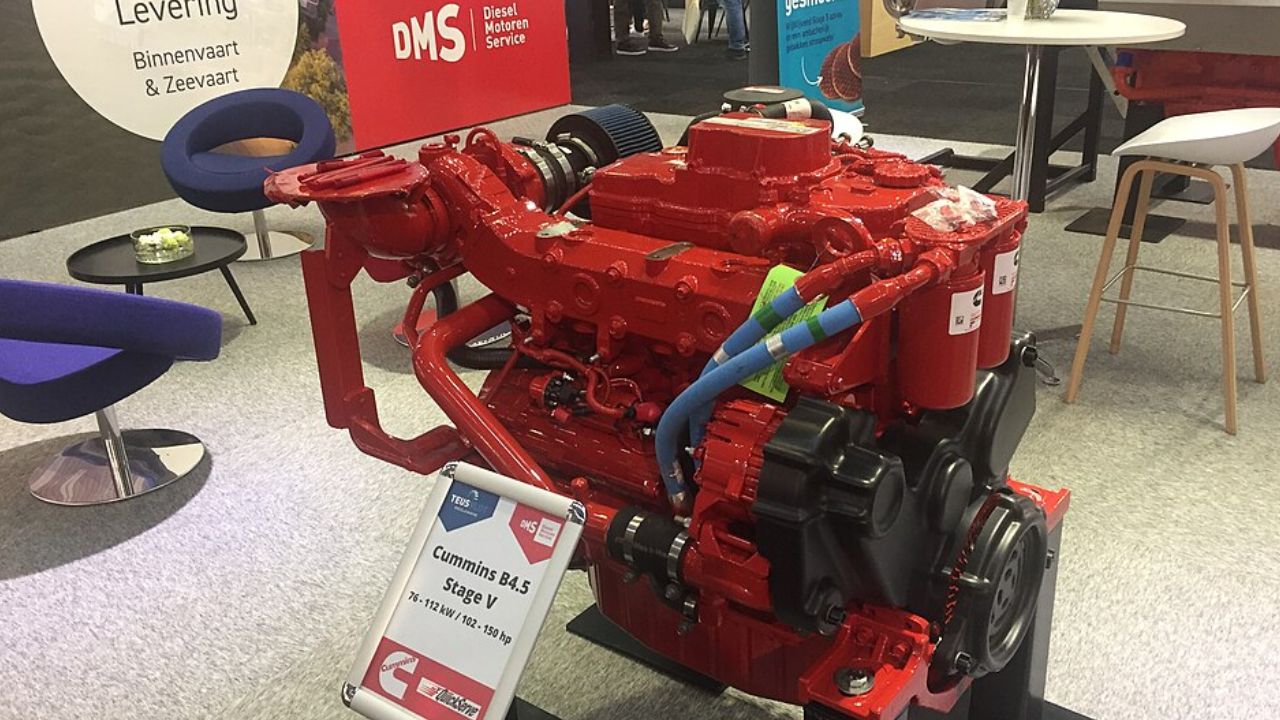
Some engine ideas look brilliant on paper and then fall apart the first time the weather turns ugly, the fuel gets sketchy, or the maintenance schedule slips. This one did the opposite. Under heat, dust, vibration, and plain old neglect, it kept coming back with the same stubborn message: “Still running.”
The design in question is the compression-ignition diesel—especially the kind built around sturdy internals, conservative power levels, and fuel systems that don’t panic when conditions get weird. It’s not the flashiest story in engineering, but it’s one of the most consistent. And across deserts, cold snaps, high-load industrial sites, and long-haul routes, it’s repeatedly shown why it earned a reputation for being hard to kill.
A design that likes pressure (literally)
A diesel’s party trick is simple: it doesn’t rely on spark plugs to light the fuel. It compresses air so much that the temperature rises, then injects fuel into that hot, high-pressure environment and it ignites on its own. Fewer ignition components means fewer things to fail when moisture, corrosion, or vibration start doing their best sabotage.
That compression-heavy approach also shapes the whole engine’s personality. Because combustion pressures are higher, diesel blocks, crankshafts, rods, and bearings are typically built beefier. There’s a certain “overbuilt by default” vibe baked into the architecture, and it matters when the engine is asked to work hard for long stretches.
Heat, cold, and the steady march of physics
Extreme heat is where weak cooling systems and fragile materials get exposed fast. Diesel designs that prove themselves tend to run lower peak RPM and lean on torque, which can reduce stress compared with high-revving setups that chase power at the top of the tach. Pair that with robust cooling passages and conservative tuning, and you get an engine that’s less likely to melt down when ambient temperatures are punishing.
Cold weather is a different kind of test: thick oil, reluctant batteries, and fuel that can gel. Even then, the core design stays dependable once it’s started, because it doesn’t depend on a precise spark event every cycle. The best setups add glow plugs or intake heaters and strong starter systems, but the underlying point remains: it’s built to compress and fire reliably, not to tiptoe around ignition timing in subzero chaos.
Dust, grit, and why simple airflow choices matter
Dust is an engine’s slow-motion enemy. It chews up rings, scores cylinders, and turns oil into abrasive paste if filtration slips. One reason rugged diesel designs keep surviving in gritty environments is that they’re often paired with serious air filtration—large filter area, well-sealed housings, and service intervals that assume the intake air is basically sand with ambitions.
And when dust does sneak through, the sturdier construction helps buy time. Strong cylinder walls and durable rings won’t magically enjoy eating dirt, but they can tolerate more abuse before performance drops off a cliff. It’s the difference between “keep working and schedule maintenance” and “stop everything, it’s done.”
Fuel flexibility (and the art of not being picky)
Fuel quality can be wildly inconsistent once you’re far from tidy distribution networks. Traditional diesel injection systems—especially older, mechanically governed ones—have a reputation for handling a wider range of fuel conditions than highly tuned gasoline systems. When the goal is reliable combustion, “good enough” can be a superpower.
Modern high-pressure common-rail diesels can be more sensitive, particularly to water contamination or poor filtration. But even there, the broader diesel ecosystem leans heavily on water separators, robust filters, and monitoring that treats fuel cleanliness like a life-or-death issue. The engine design’s durability gets reinforced by the support systems around it, and that combo is what keeps fleets moving when supply conditions get messy.
Torque-first behavior that doesn’t need drama
In extreme conditions, engines don’t fail because they lack excitement; they fail because they’re pushed beyond their limits for too long. Diesel designs usually make strong torque at low RPM, which means they can do heavy work without spinning fast. Lower RPM often translates to reduced friction, lower average piston speed, and less heat generated in parts that are already having a rough day.
That torque bias also changes how operators use the machine. Instead of revving to the moon, the engine just leans in and pulls. It’s not glamorous, but it’s exactly the sort of behavior you want when the environment is trying to turn every moving part into a lesson.
Lubrication and longevity: the unglamorous heroes
If there’s a single “secret sauce” behind engines that survive harsh duty, it’s lubrication management. Diesel engines often carry larger oil capacities, use oils formulated for soot control, and are designed around sustained load operation. That matters because high load and long hours are where oil breakdown becomes a ticking clock.
Extreme conditions accelerate everything: oxidation, contamination, thermal cycling, and wear. A design that expects that abuse tends to have wider safety margins—bigger bearings, more robust oil pumps, and cooling strategies that keep oil temperatures from going off the rails. It’s not exciting to talk about, but neither is rebuilding an engine in a parking lot.
Maintenance reality: built for imperfect humans
Here’s the part people don’t always say out loud: the “extreme conditions” test often includes delayed maintenance. Filters get changed late, oil gets topped off instead of replaced, and small leaks become “tomorrow problems” for weeks. Diesel designs that keep proving themselves are usually the ones that can tolerate that imperfect reality without instantly punishing it.
That doesn’t mean neglect is fine. It just means the design is less fragile—more likely to keep running long enough for maintenance to happen on a schedule that’s driven by real life, not ideal life. In the wild, that’s a meaningful difference.
Why it keeps showing up wherever reliability matters
Look across use-cases where failure is expensive or dangerous—remote job sites, heavy hauling, agricultural work, backup power, and long-distance transport—and a familiar pattern appears. The engines that dominate those spaces usually prioritize durability over peak output per liter. That’s not because engineers don’t know how to chase power; it’s because the mission is different.
When conditions are extreme, an engine isn’t just a performance accessory. It’s the heartbeat of a system that needs to start, pull, pump, or generate power day after day. A compression-ignition diesel built with conservative margins, solid filtration, and sensible cooling is like that friend who doesn’t talk much but always shows up—especially when things get chaotic.
The quiet lesson in all that reliability
What this design keeps proving, over and over, is that resilience isn’t one magic feature. It’s a pile of sensible decisions: strong structure for high pressures, torque-focused operation, fewer ignition failure points, and support systems that treat air, fuel, and oil like sacred. Add them together and you get an engine that doesn’t just survive extremes—it sort of expects them.
And maybe that’s the most relatable part. The world gets dusty, cold, hot, and unpredictable. It turns out the best-performing design, in the moments that count, is often the one that’s least interested in showing off.
More from Fast Lane Only