It was supposed to be the most routine errand imaginable: swing by the shop, get a tire rotation, maybe sip a lukewarm coffee in the waiting area, and head back out to real life. Instead, one family SUV owner left with a story that made her stomach drop—and a brand-new appreciation for the humble lug nut.
During the appointment, a technician found that three lug nuts on one wheel appeared to have never been properly tightened. Not “a little loose,” not “needs a re-check,” but essentially still waiting for someone to finish the job. If you’ve ever had that prickly feeling that something’s off with your car but you can’t quite prove it, this is the kind of discovery that validates every nervous hunch.
A Normal Tire Rotation Turned Into a Red Flag
According to the owner, she brought the SUV in for a standard rotation and balance—nothing fancy, nothing unusual. She hadn’t hit a pothole hard enough to bend a rim, hadn’t heard a dramatic clunk, and wasn’t chasing down a weird dashboard light. It was just regular maintenance, the kind people do to stretch the life of their tires and keep the ride smooth.
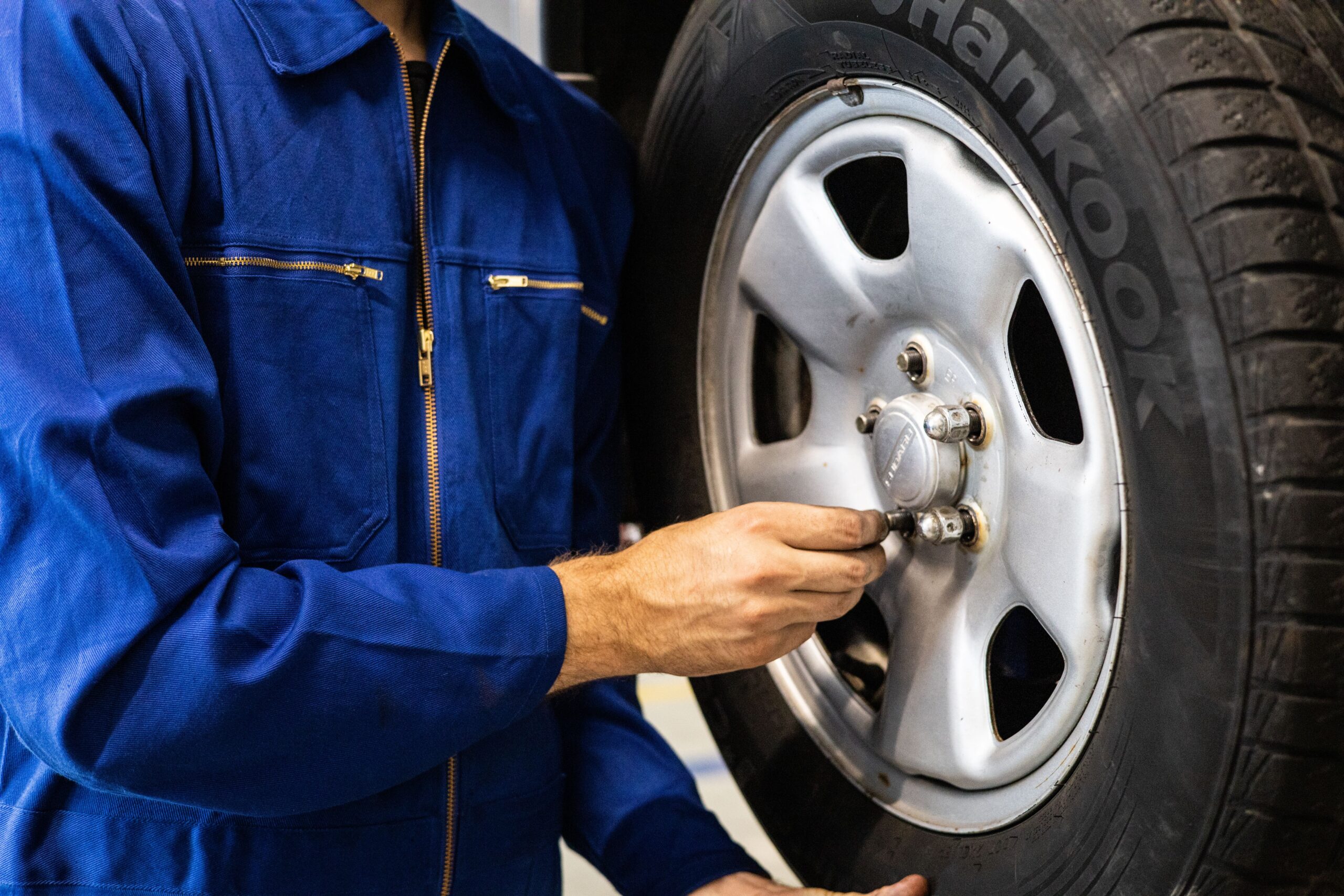
That’s what made the call from the service bay feel so surreal. The technician explained that while removing the wheel, they noticed three lug nuts weren’t torqued down the way they should’ve been. In plain terms: that wheel had been relying on luck, friction, and the remaining fasteners to stay secured.
What Loose (or Untightened) Lug Nuts Can Actually Do
Most drivers don’t think about lug nuts unless they’re staring at a flat tire or watching someone zip them on with an impact wrench. But they’re the literal handshake between your wheel and your vehicle. If that handshake is weak, you can end up with vibrations, uneven braking feel, or a wobble that comes and goes—especially at certain speeds.
In more serious cases, loose lug nuts can damage the wheel’s mounting holes, stress the studs, and gradually work themselves looser as you drive. That’s when things get dicey: the wheel can shift out of alignment or, in the worst-case scenario, separate from the vehicle. It’s rare, but it’s not an urban legend, and nobody wants to be the headline.
The Part That Made Her Feel Weird: “How Long Was It Like This?”
The big question wasn’t just how it happened—it was how long it had been that way. She couldn’t remember any recent tire change besides a prior service visit, and the SUV had been doing family duty as usual: groceries, school drop-offs, weekend errands, highway stretches. The idea that three lug nuts might’ve been barely holding on through all of that is the kind of thought that makes you grip the steering wheel a little tighter.
And here’s the tricky part: you can drive for a while with a problem like this and not notice anything dramatic at first. Modern SUVs are heavy, stable, and good at masking small issues until they become big ones. By the time the vibration is obvious, damage may already be happening.
How This Can Happen (Without Anyone Being a Cartoon Villain)
When people hear “lug nuts weren’t tightened,” they often picture pure negligence. Sometimes that’s true, but often it’s more mundane and frustrating: a rushed job, a skipped final torque check, or someone relying on an impact wrench without verifying the correct torque spec afterward. Busy shops can turn into assembly lines, and small steps get missed when everything’s moving fast.
There’s also a mechanical angle. If threads are dirty, if a stud is stretched or damaged, or if the lug nut seats aren’t matching the wheel properly, you can get a false sense of tightness. That’s why reputable shops use torque wrenches, follow a star pattern, and recommend re-torquing after a short drive—because fasteners can settle.
Signs Drivers Can Watch For (Even If You’re Not a “Car Person”)
Loose lug nuts can announce themselves in subtle ways. A new vibration that shows up between 45 and 70 mph is a classic clue, as is a rhythmic thumping sound that seems to match wheel speed. Some people describe it as feeling like the tire is slightly out of round, even after balancing.
Another sign is a faint clicking or creaking noise when turning or pulling into a driveway at low speed. If the wheel is shifting against the hub, it can make sounds that are easy to mistake for suspension squeaks. And if you ever see a wheel cover or center cap that looks crooked or keeps popping loose, it’s worth checking what’s going on underneath.
What the Shop Did Next
In this case, the technician reportedly paused the tire rotation and brought the issue to her attention right away. The shop tightened the lug nuts to the vehicle’s specified torque and inspected the studs and wheel for damage. That’s the right move, because simply cranking them down without checking for stretched studs or wallowed-out holes can leave hidden problems behind.
She also asked the most reasonable question in the world: “Is it safe?” The answer depends on whether any damage occurred, but the shop indicated the wheel assembly looked intact after inspection. Still, she planned to return for a follow-up re-torque after driving a bit, just to be sure everything stayed properly seated.
A Simple Habit That Can Prevent a Bad Day
If your wheels have been off recently—tire swap, brake work, rotation, anything—it’s smart to re-check lug nut torque after 50–100 miles. Many shops will do this for free, and it takes just a few minutes. It’s not overthinking; it’s the automotive version of checking that the front door is actually locked.
For anyone who likes a little DIY peace of mind, a basic torque wrench and your vehicle’s torque spec (usually in the owner’s manual) can turn worry into certainty. The key is doing it correctly: tighten in a star pattern and don’t guess. “Good and tight” is not a unit of measurement, no matter how confidently it’s said.
Why This Story Hit a Nerve With Other Drivers
Part of what makes this incident so relatable is that it happened during responsible maintenance, not after ignoring a warning sign for months. She wasn’t pushing bald tires or skipping service—she was doing the right thing. That’s why the discovery feels unsettling: if it can happen on an ordinary Tuesday, it can happen to anyone.
But there’s a reassuring side, too. The system worked in the moment it mattered: a careful technician noticed, spoke up, and fixed it before it turned into something dangerous. It’s a reminder that while cars can be complicated, safety sometimes comes down to the simplest parts—and the people who take the time to double-check them.
More from Fast Lane Only
- Unboxing the WWII Jeep in a Crate
- 15 rare Chevys collectors are quietly buying
- 10 underrated V8s still worth hunting down
- Police notice this before you even roll window down
*Research for this article included AI assistance, with all final content reviewed by human editors.