Modern cars are packed with digital guardians that watch lanes, read speed signs, and even monitor drivers’ eyes. Yet the safety feature motorists are most likely to silence is not a buzzy new camera or a complex autopilot mode, but the humble lane keeping assist that nudges the steering wheel when a vehicle drifts. As automakers race to install more Advanced Driver Assistance Systems, a growing share of drivers are quietly reaching for the off switch.
The tension between promised safety gains and real-world irritation is reshaping how people interact with their vehicles. Surveys, crash data, and consumer feedback now point to a clear pattern: lane keeping assist and related lane departure tools are being disabled more than almost any other technology, often within days of delivery of a new car.
Lane keeping assist tops the disable list
Across markets, lane keeping assist has emerged as the feature drivers are most likely to turn off once the novelty wears off. Research into driver behavior has found that lane departure warning and lane keeping assist sit at the top of the list of systems people disable, even though they are designed to prevent some of the most common and deadly crash types. In one study of driver habits, the two lane based tools were singled out as the most frequently switched off functions, ahead of other comfort and convenience aids.
Insurance and safety analysts have reached similar conclusions when they compare crash data with owner feedback. One review that drew on figures from the Insurance of Highway Safety and The Highway Loss Data Institute reported that policyholders often asked how to deactivate lane keeping assist because it was “annoying,” a complaint that surfaced more often than for other technologies. Another survey based investigation into driver behavior found that one in five motorists admitted disabling car safety features, with Steve Cratchley of AAMI noting that the most commonly disabled systems were lane keeping assist and its lane departure counterpart. Together, these findings show that the steering nudges meant to keep vehicles centered are, in practice, the first to go.
Why drivers rebel against steering “help”
The core problem is not that drivers reject safety, but that they resent feeling second guessed by their own car. Lane keeping assist works by reading road markings and then applying subtle steering corrections when it senses drift, a process that can feel seamless on a well marked highway but intrusive on narrow or complex roads. In tighter urban settings or on winding rural lanes, the system can misinterpret a driver’s deliberate move toward the edge of the lane as an error, tugging the wheel back at precisely the wrong moment. Owners of vehicles from mainstream brands to premium models have reported that these interventions feel abrupt and unpredictable, eroding trust in the technology.
Technical limitations amplify that frustration. When lane keeping assist relies on faded paint, confusing construction zones, or poorly lit surfaces, it can oscillate between overcorrection and sudden disengagement. Analysts who have examined these systems warn that such behavior can create a false sense of security, encouraging some drivers to relax their attention until the system abruptly hands control back. David Kidd of the Insurance Institute for Highway Safety has acknowledged that researchers “had high hopes” for lane centering tools, but early evaluations found that only a minority of drivers left the system on consistently. That gap between laboratory promise and lived experience helps explain why so many motorists now treat the steering assist button as optional rather than essential.
Annoyance, distraction, and the rise of the off switch
Lane keeping assist is not the only technology that tests drivers’ patience, but it sits at the intersection of several irritants. Many vehicles pair the steering corrections with audible chimes or dashboard flashes, so a momentary brush with a lane marker can trigger a cascade of beeps and warnings. Over time, those alerts can blend into the same background noise as smartphone notifications, prompting drivers to tune them out or disable them entirely. AAMI’s research into driver attitudes found that people often felt “nagged” by constant lane alerts, particularly on familiar commutes where they believed they knew the road better than the software.
Other Advanced Driver Assistance Systems face similar backlash. A survey of motorists’ experiences with ADAS reported that 46% of drivers switched off speed limit alerts, with most saying they found the warnings dangerous, annoying, or distracting. Another third in that survey disabled automatic emergency braking. In Europe, where new regulations require a suite of driver monitoring and speed assistance tools, reporting has suggested that up to 45 percent of Drivers are likely to shut off EU mandated safety features, including lane centering and anti distraction technology, as soon as they learn how. The pattern is consistent: when a system feels like an overbearing co pilot rather than a quiet safety net, drivers vote with their fingers and press the off button.
From driver monitoring cameras to “bongs” and buttons
The backlash against lane keeping assist is part of a broader revolt against what many motorists see as overactive digital babysitters. One of the most hated additions on some recent models, including the 2026 Hyundai Santa Fe, is the driver monitoring camera that constantly watches a person’s face. Owners complain that the camera is overly sensitive, chiming if they glance at the side mirror or down at the climate controls, and that the alerts are more annoying than helpful. Video reviews and owner commentary describe a cockpit filled with “bongs” and buzzers that can make a long drive feel like sitting inside a pinball machine.
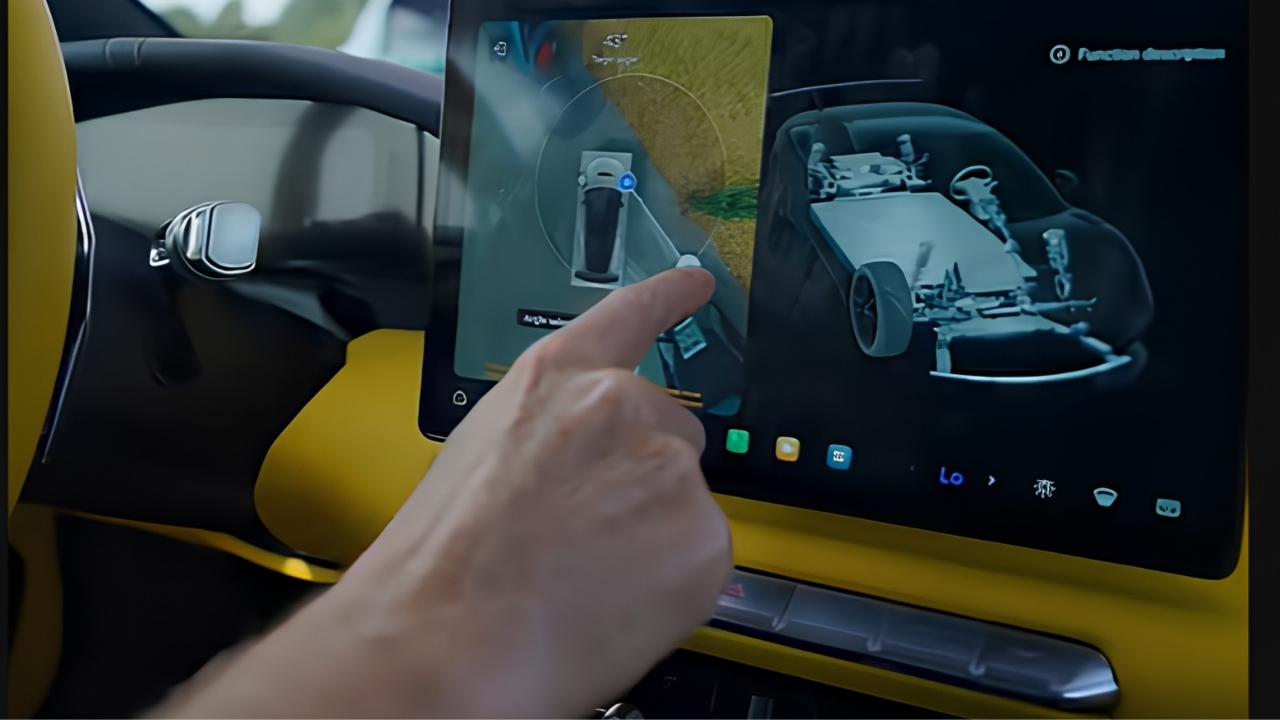
Regulators and testing bodies have started to respond to that fatigue. Changes to Euro NCAP protocols are encouraging manufacturers to make safety systems less intrusive and easier to control, a shift summed up by the phrase “Buttons are back, baby.” Instead of burying key settings in touchscreen menus, some new designs restore physical switches that let drivers quickly adjust or temporarily mute lane assist, speed warnings, and other alerts. Industry observers have noted that whether it is an inaccurate speed limit warning or an overly aggressive tug on the steering wheel, the goal now is to reduce the sense of constant scolding so that drivers are more willing to leave core protections active.
Can better design keep lane assist turned on?
Automakers and safety advocates are not blind to the risk that widespread disabling of lane keeping assist could blunt its potential to reduce crashes. Technical guides on What to Know When Operating Lane Keeping Assist emphasize that the system is meant to be relatively seamless, providing gentle support rather than taking over the drive. Engineers are working to refine lane detection algorithms, improve how the car distinguishes intentional lane changes from drift, and smooth the steering inputs so they feel more like a steadying hand than a sudden yank. The aim is to make the technology fade into the background until it is truly needed.
At the same time, some experts argue that better education is as important as better code. Articles that ask Are You Disabling The Safety Systems On Your Car point out that many owners leave dealer lots without a clear explanation of how ADAS features behave, what their limits are, or how to tailor their sensitivity. Jun reports on Advanced Driver Assistance Systems note that There is a good chance a late model car, truck, or SUV will arrive with a suite of ADAS tools that have intervened unexpectedly and without warning for some drivers, souring them on the entire category. If manufacturers can pair clearer onboarding with more intuitive controls, they may persuade more motorists to keep lane keeping assist and its cousins active, turning a currently resented feature back into the quiet guardian it was meant to be.
More from Fast Lane Only