On the coldest mornings, the ritual is almost automatic: start the car, crank the heater, and leave the engine humming while the windshield clears. It feels like kindness, both to the vehicle and to the driver who will soon slide into a toasty cabin. Yet modern automotive research shows that this familiar warm-up routine can quietly shorten engine life, waste fuel, and add unnecessary pollution. The very habit meant to protect the car often does the opposite.
Instead of long, stationary warm-ups, engineers now recommend a much shorter idle followed by gentle driving. Advances in fuel injection and engine management mean that most vehicles are designed to reach their ideal operating state under light load, not while sitting in the driveway. Understanding why that is the case helps explain why this common winter warm-up trick does more harm than good.
How the old advice got it wrong
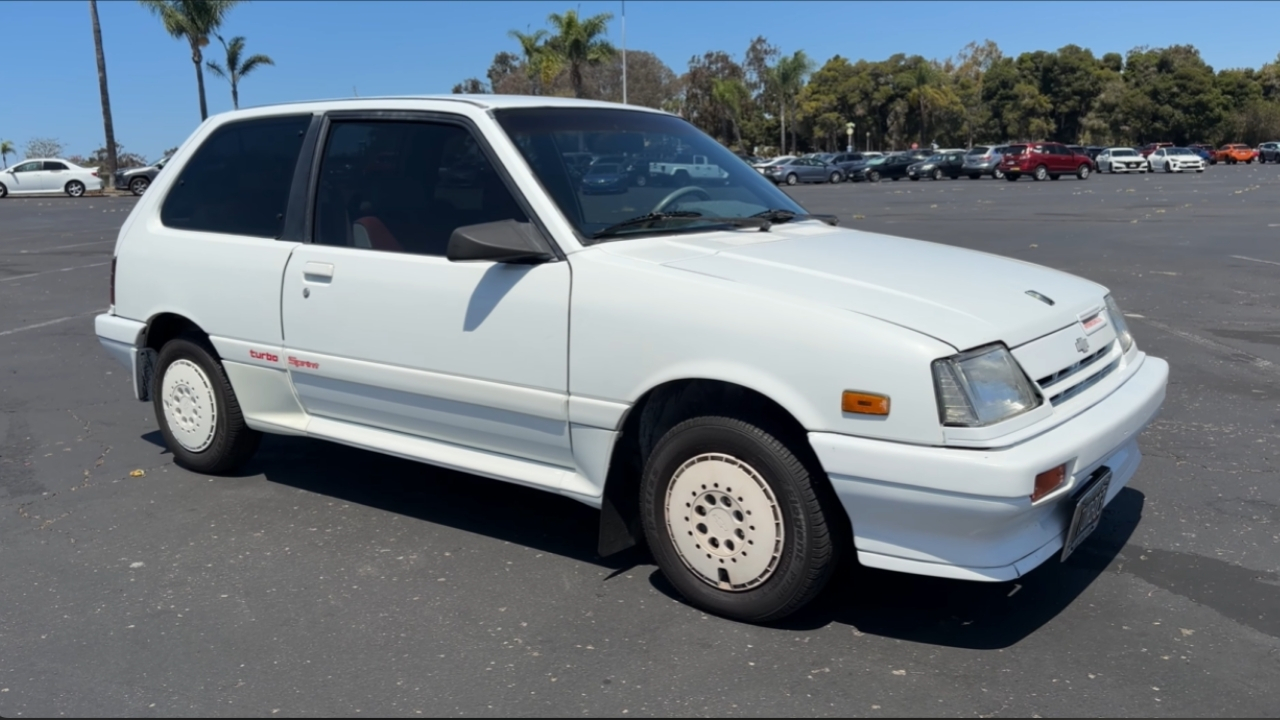
The belief that a car must idle for several minutes in winter has roots in an earlier era of automotive technology. Older Cars built with carburetors struggled to meter fuel accurately when cold, so drivers were taught to let engines sit and warm until they ran smoothly. That guidance lingered in family lore, passed down from Mom and Dad, long after fuel injection and electronic controls replaced carburetors in Newer Cars. Modern systems automatically adjust fuel delivery on a cold start, so the engine can run properly within seconds rather than minutes.
Manufacturers now maintain that Cars with modern fuel injection can be driven almost immediately after startup, with only a brief pause to stabilize idle. Technical explanations from service departments and independent shops describe how sensors and engine control units enrich the fuel mixture just enough to keep the engine running, then lean it out as temperatures rise. Guidance from multiple automaker aligned sources converges on the same point: for a contemporary sedan or SUV, extended idling on Cold Winter Mornings is no longer necessary and is often counterproductive.
What really happens inside a cold, idling engine
When an engine is started in low temperatures, the oil inside is thick and slow to flow. Engineers note that the most critical protection comes in the first moments after ignition, when oil must circulate to bearings, camshafts, and piston rings. A short idle, typically on the order of Idle for 30 Seconds to 2 Minutes at most, is enough for the pump to move oil through the galleries. Beyond that window, prolonged idling does not meaningfully improve lubrication, because the oil has already reached the key surfaces that need it.
What does change with long idling is the way fuel behaves. To keep a cold engine running, the control system enriches the mixture, sending extra gasoline into the cylinders. At low engine speeds and without the higher loads of driving, more of that fuel can wash past the piston rings and dilute the oil film. Technical explainers describe how this fuel wash can strip protective oil from the engine’s pistons and cylinder walls, a process that, over time, can increase wear on components that are expensive to repair. Mechanics who have torn down engines after years of winter idling report varnish, carbon buildup, and other residue that aligns with these cold idle conditions.
Why long warm-ups can shorten engine life
Service departments that have examined long term patterns see a clear link between extended winter idling and reduced Engine Life. One analysis framed it bluntly: Warming up your vehicle can actually shorten the life of your engine, because the prolonged rich mixture and low load conditions encourage incomplete combustion. That, in turn, leaves deposits on spark plugs, valves, and intake passages. Over thousands of miles, those deposits can contribute to rough running, misfires, and the kind of engine damage that eventually triggers a check engine light.
Independent technicians echo this warning. A detailed breakdown shared by Jason, who walked through what happens in a cold engine, highlighted how letting a car idle for a long time in winter promotes moisture and fuel contamination in the oil. Another advisory under the banner Did You Know, Letting Your Car Idle In The Cold Can Harm The Engine, described the negative effect of idling as a slow buildup of residue that accumulates over time. When combined with the observation that Letting your car idle in cold temperatures can shorten the life of your engine by stripping away oil from the engine’s pistons and cylinder walls, the pattern is consistent: the comforting warm-up can quietly erode the very machinery it is meant to protect.
The hidden costs in fuel, emissions, and money
The damage from long warm-ups is not limited to metal surfaces. Fuel consumption studies have found that with a five minute warm-up fuel consumption increased by 7 to 14 percent compared with simply starting and driving off gently. That extra gasoline delivers no additional distance, only a slightly warmer cabin and a higher bill at the pump. Guidance from dealership and insurance backed resources reinforces that extended idling just wastes gas, especially when repeated every morning over an entire winter.
Those wasted gallons also carry an environmental cost. Idling vehicles emit exhaust without providing transportation, which means more carbon dioxide and other pollutants per mile actually driven. Some advisories aimed at everyday drivers note that even a few minutes of unnecessary idling each day can add up to hours of engine time over a season, with corresponding emissions. When combined with the mechanical downsides, the economic and environmental arguments align: the long warm-up habit is an expensive way to gain comfort that could be achieved more efficiently by driving sooner at low speed.
The right way to warm a modern car in the cold
Automotive engineers and service advisors now outline a relatively simple winter routine for modern vehicles. After starting the engine, drivers are generally advised to wait about 30 seconds, perhaps up to a minute, to allow oil pressure to stabilize and defrosters to begin working. Several technical guides, including Debunking Common Misconceptions About Engine Warm, Up and How It Affects Your Vehicle in Chilly Weather, emphasize that this short period is sufficient to prevent engine wear and maintain optimal condition. Manufacturers similarly indicate that a brief idle is all that is needed before driving on winter days.
Once moving, the key is moderation. Experts recommend driving gently for the first few minutes, avoiding high revs or hard acceleration until the temperature gauge moves off the cold mark. One advisory put it plainly: Just remember not to rev the engine hard for the first few minutes of driving, and recognize that extended idling just wastes gas. Another resource on The Science Behind Warming Up Your Car explains that an internal combustion engine actually warms more quickly and evenly under light load, which means the cabin heats faster and the engine reaches its ideal state sooner when the car is in motion rather than parked.
More from Fast Lane Only