You probably know your car should not be completely silent, but there is a specific high, sharp engine squeal that drivers keep brushing off until something expensive fails. That noise is not harmless background sound; it is your engine’s way of warning you that a key component is wearing out or slipping. If you learn what that squeal is trying to say, you can fix a small problem before it strands you on the shoulder or destroys parts that were fine yesterday.
Rather than cranking the radio to drown it out, you can use that sound as a simple early warning system. By paying attention to when it happens, what it sounds like and how it changes, you give yourself a real chance to schedule a calm repair visit instead of calling a tow truck in a panic.
The squeal that starts your morning is a red flag
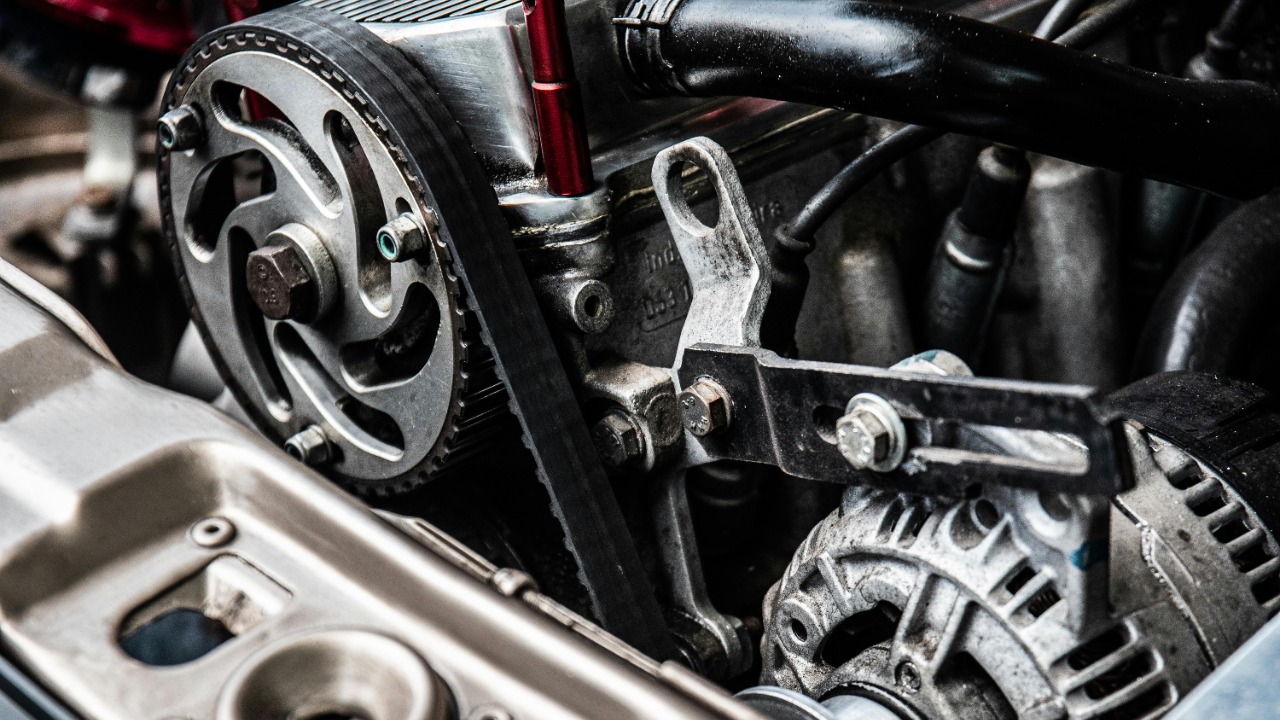
When you start your car and hear a sharp squeal for a few seconds, you are usually listening to a belt that is slipping rather than gripping. Moisture, oil or road grime on the belt surface can make it shriek on a cold start, and a worn or glazed belt can do the same even in dry weather. Apr describes how that early morning sound often comes from contamination on the belt or pulleys, which lets the belt slide instead of bite until it warms up and dries out, so that quick squeal when you turn the key is your first hint that the system is not working the way it should What Causes That.
On many modern cars, that belt is the serpentine belt that drives nearly everything up front, from the alternator and power steering pump to the air conditioning compressor. Mar explains that when you hear that squeal as soon as the engine fires, it often means your serpentine belt is failing or a tensioner is not holding it tight enough, which can lead to sudden loss of charging, steering assist or cooling if you keep ignoring it Here.
Small sounds are your engine whispering for help
You rarely get a catastrophic failure out of nowhere; your car usually whispers first. A short video from Feb puts it plainly: your car almost never fails without warning, and it calls out tiny clues such as a faint ticking at idle that can mean low oil level, worn lifters or early valve train wear long before you see a warning light or lose power SMALL NOISES THAT. When you treat those whispers as background noise, you give small wear problems time to snowball into metal shavings in the oil or a broken valvetrain part.
Engine specialists stress that some noises demand immediate attention because they point to damage already in progress. Jun highlights that knocking or pinging under load, a new grinding sound or any sharp, unusual clatter while driving are all signs that something inside the engine or its accessories is suffering and that you should not keep driving as if nothing changed Engine Noises That. When you combine that perspective with the idea that your car whispers first, you start to see every new sound as a chance to fix a problem early instead of a nuisance to be tuned out.
Why that squeal can cost you far more than a belt
It is tempting to think of a squealing belt as a minor annoyance, but the belt itself is not the only part at risk. Jun explains that most of the time a squealing or screeching sound means a belt is loose or worn down, and if you let it go until it fails, the accessories it drives can overheat, lose lubrication or stop altogether, turning a simple belt job into a full alternator, power steering or water pump replacement Squealing. On a typical family SUV, that can be the difference between a quick visit that costs you one belt and an hour of labor and a repair bill that runs into four figures because you drove until the engine overheated.
Other guides on engine sounds point out that a louder than usual engine or new squeal can also point to cracked exhaust components, worn mounts or failing pulleys, all of which add stress to the system if you keep driving. Feb notes that when your engine starts running louder than usual, the cause can range from small leaks to worn out components or failing mounts, and catching that change early lets a shop replace a gasket or mount before vibration and heat break nearby parts as well Why Is My. When you add the risk of a sudden loss of power steering or charging on a busy highway, that squeal starts to look less like a quirk and more like a safety issue you can choose to handle on your schedule.
How to listen like a technician, not a distracted driver
You do not need a mechanic’s ear to get useful information from a strange sound; you just need a plan for paying attention. Lubricant and engine experts suggest that you start by identifying where the noise is coming from and under what circumstances it occurs, for example during idle, acceleration or heavy load, because that pattern helps narrow the list of likely causes before anyone even opens the hood Start. When you pay attention to whether the squeal shows up only when you start the car, only with the air conditioning on or only when you turn the steering wheel to full lock, you are already doing the first half of a professional diagnosis.
Shops that see these problems every day also rely heavily on your description to avoid chasing the wrong issue. One repair center explains that you can help identify what is causing the sound if you take note of where it seems to come from and when it happens, such as while you accelerate, when the engine is cold or only after a long drive, so your technician is not guessing in the dark You. Another guide for finding squeaks and rattles reminds you that even professionals ask the customer to describe the noise carefully, since some sounds can be difficult to reproduce on demand and the way you explain the character of the sound can steer them toward the right test drive or diagnostic step Some.
When to keep driving, when to park and call for help
Once you start paying attention to that squeal or knock, the next question is how urgent it really is. Some dealership and truck service guides group engine sounds into clear danger levels, pointing out that grinding, clunking or a deep knock from the engine or drivetrain are all reasons to stop driving and have the vehicle inspected, while lighter tapping or mild belt squeal may allow you to drive gently to a shop if you avoid high speeds or heavy loads Engine Noises You. Another resource on strange engine noises warns that knocking and pinging are critical indicators that not all is well in the combustion chambers, especially under acceleration, and that you should have that checked quickly to avoid internal damage that can turn into a full engine rebuild Knocking and Pinging.
Your dashboard can also join the conversation when a noise pairs with a warning message. Chevrolet owners, for example, may see an Engine Power Reduced alert when the vehicle goes into Limp Mode, which is designed to let you move the car off the road or to a safe spot while limiting power so you are less likely to damage the engine further Can You Drive. When that kind of message appears at the same time you hear a new squeal, knock or rattle, your car is effectively shouting instead of whispering, and the safest move is to treat the combination as an urgent call for a professional inspection rather than something you will get around to eventually.
More from Fast Lane Only