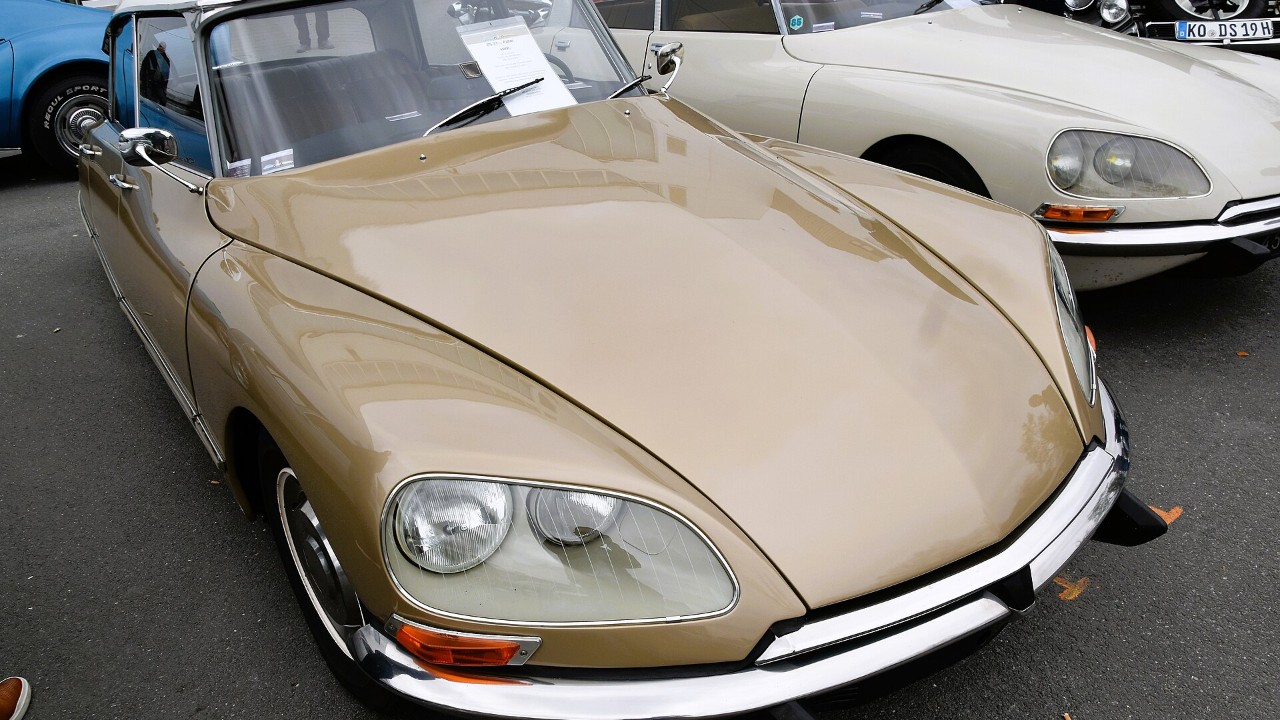
French carmakers have a habit of solving problems nobody else had noticed yet. The Citroën DS 21 Pallas rode on a self-levelling suspension, the Renault 4 carried a rear door that worked like a modern tailgate, and the Citroën HY van used ribbed panels inspired by aircraft. Many of those ideas never went away.
That is the test for this list. These are our picks, and calling them relevant is our opinion. Each one, however, shaped how people drive, carry things or think about small cars today.
Some are luxury cars and some are tools. All nine still make sense in a world of crossovers and electric hatchbacks, which is exactly why we chose them.
1. Citroën DS 21 Pallas
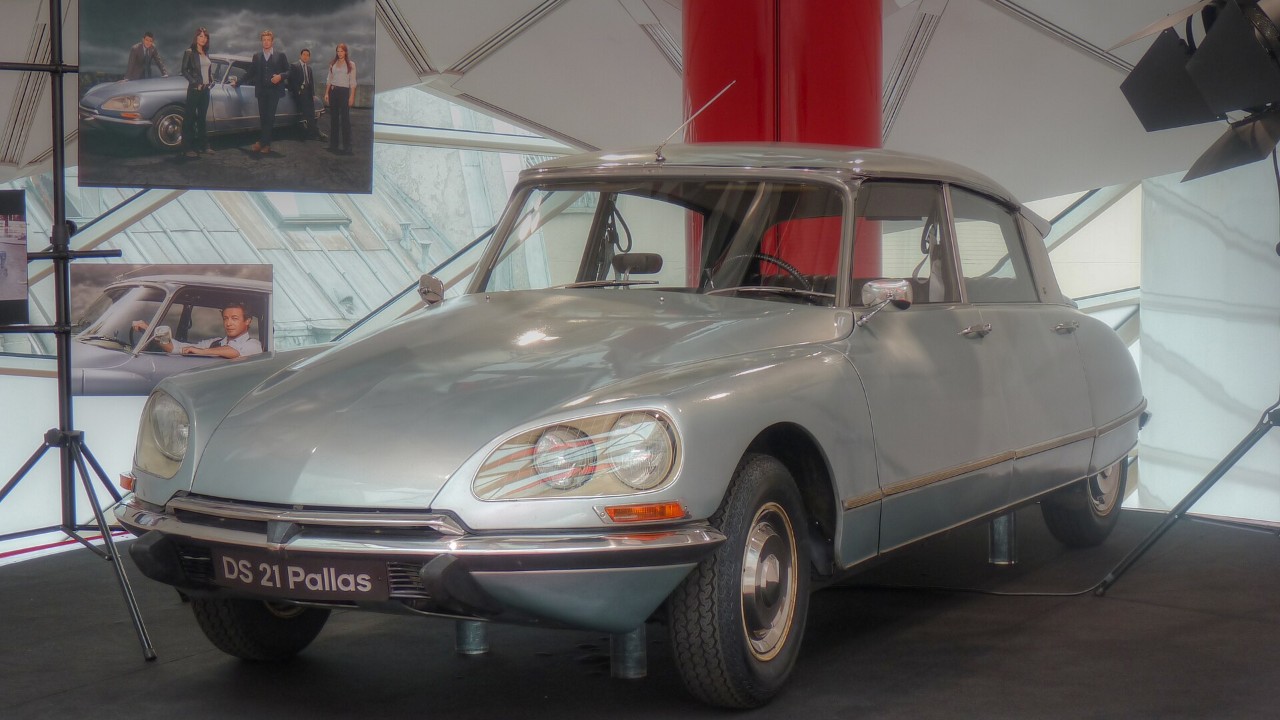
The DS made its debut at the Paris Motor Show on October 5, 1955, and its “chief party trick” was hydropneumatic suspension. The system levelled the car by itself, and the driver could also raise or lower the ride height from inside. Flaminio Bertoni, Citroën’s chief stylist, shaped the body.
Meanwhile, the Pallas sat at the top of the range. It added full wheel covers, chrome and brushed aluminum trim, two extra driving lights and better sound insulation, with velour seats or optional leather, Motoring Research notes. The DS 21 brought a 2.1-liter engine and a quoted 108 mph top speed. Later, the 1967 facelift added inner headlamps that swivelled with the steering.
Citroën sold 1,455,746 DS and ID models before the last one left the line on April 24, 1975. In our view, self-levelling and steering-linked lights make the DS 21 Pallas the most modern-feeling car of its decade. For the engineering behind it, read how a single belt-driven pump ran the DS.
2. 1984 Citroën 2CV6
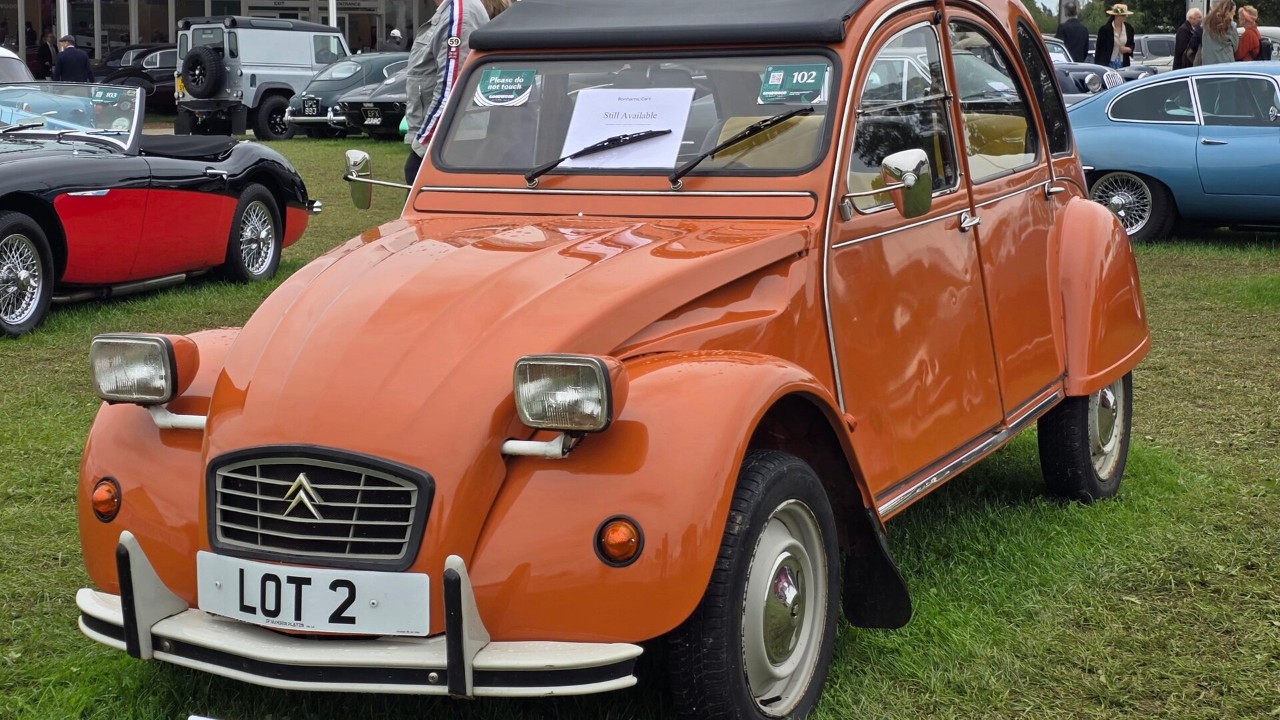
Pierre-Jules Boulanger asked for an “umbrella on four wheels.” His brief called for a car that carried four people and 50 kg of farm goods to market. It also had to cross a freshly ploughed field without breaking a basket of eggs. Citroën unveiled the answer at the Paris Salon on October 7, 1948.
By 1984 the car was a 2CV6, a version introduced in 1970. Its 602 cc air-cooled flat-twin made 28 hp at 7,000 rpm, and its fabric roof rolled back for tall loads. French production ended in 1988, but the Mangualde plant in Portugal kept building it until July 27, 1990.
Citroën built more than 3.8 million 2CV sedans. We think the 2CV remains the clearest lesson in doing more with less, and Citroën clearly agrees: our report on the electric 2 CV concept shows the idea coming back.
3. 1982 Renault 4 GTL
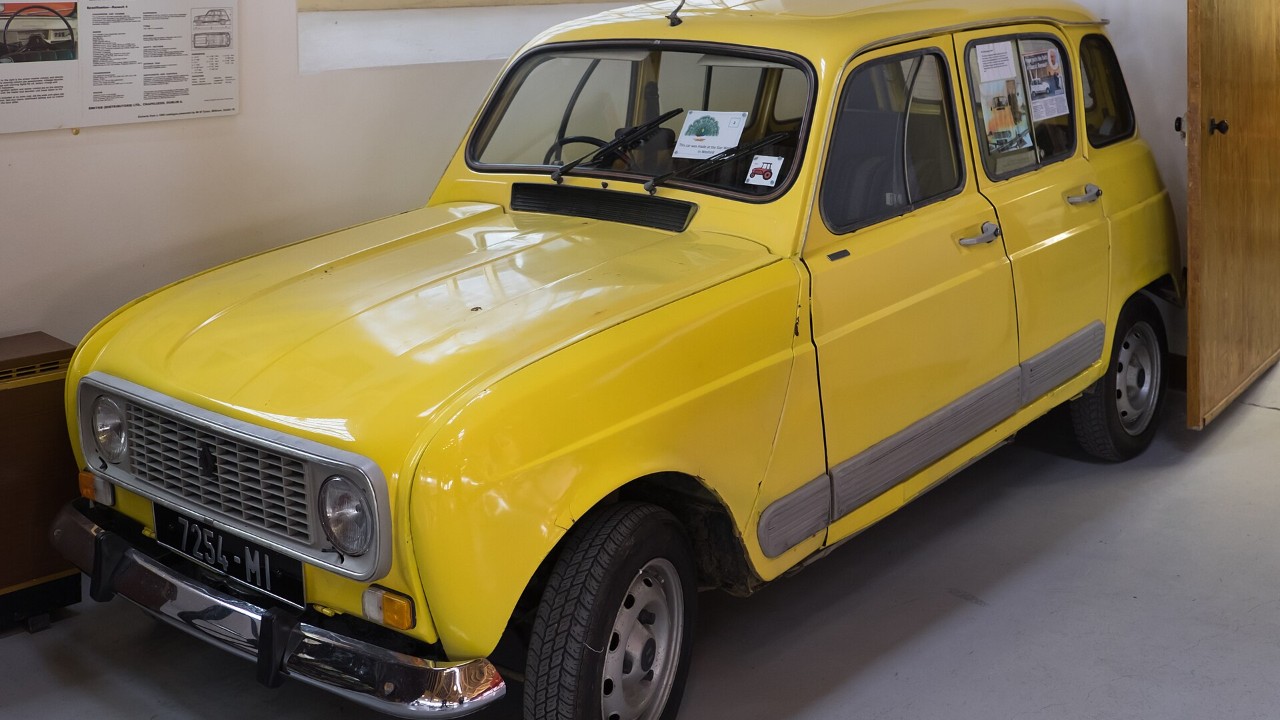
Renault built 8,135,424 Renault 4s in 29 countries between 1961 and 1992, according to Renault’s heritage site. The first cars had a flat floor and a removable rear bench for easy loading. Renault also calls the rear “service door” an early version of the tailgate.
Later, the GTL became the more grown-up R4. It received a 1,108 cc engine in 1978, and Auto Express calls those 1.1-liter units strong. Front-wheel drive and a dash-mounted gearshift also freed up cabin space. Rust is the main enemy, so the guide warns buyers to check where the rear suspension bolts to the body.
Our take: the R4 taught millions of buyers the hatchback habit long before the word “crossover” existed. Renault even revisited it with the 4Ever concept in October 2020.
4. 1990 Peugeot 205 GTI 1.9
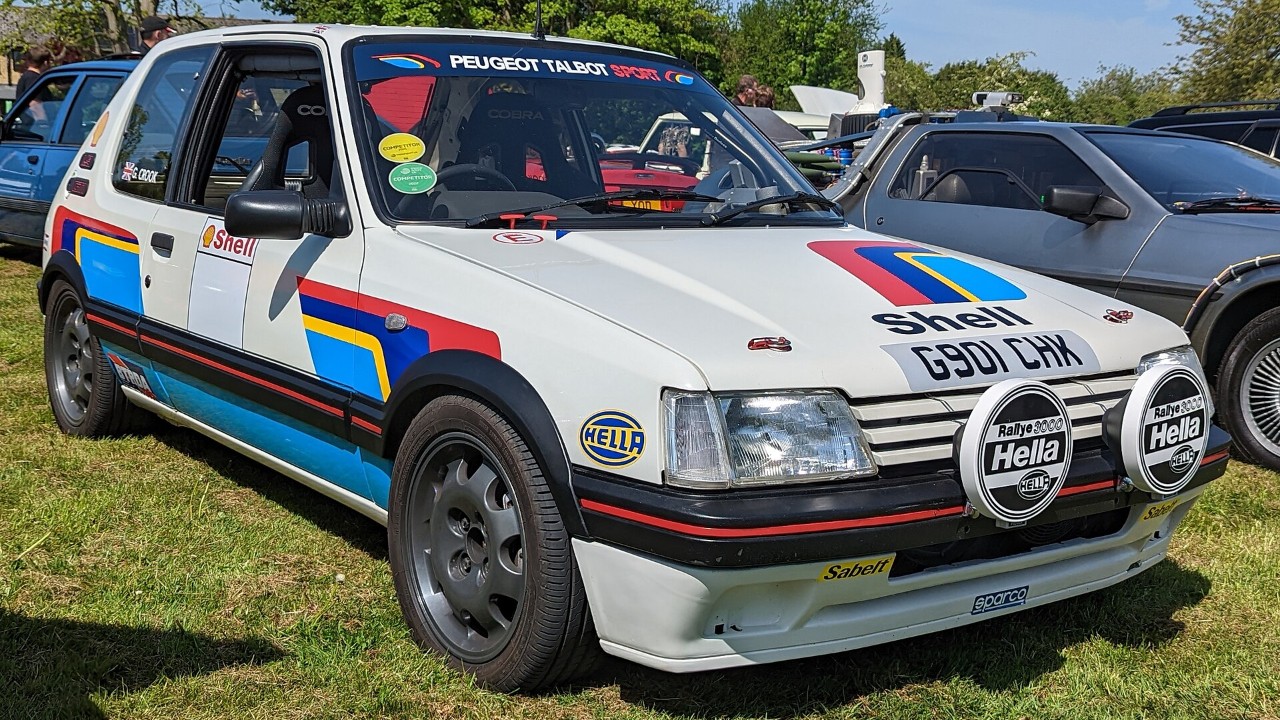
Peugeot launched the 205 GTI in 1984 with a 1.6-liter engine, then added the 1.9 in 1986. The bigger car’s 1,905 cc XU9JA four made 128 PS. Later catalyzed versions dropped to 122 PS, so a 1990 car may carry either rating depending on its market.
The badge also carried rally glory. The 205 T16 won both World Rally Championship titles in 1985 and 1986, and that success rubbed off on the road car. Meanwhile, the regular 205 sold 5,278,050 units between 1983 and 1999.
In our opinion, the 205 GTI 1.9 sets the bar for what a small, light hot hatch should feel like. Peugeot ended the GTI in 1994, two years after the 1.6 left the range.
5. 1972 Renault 5 TL
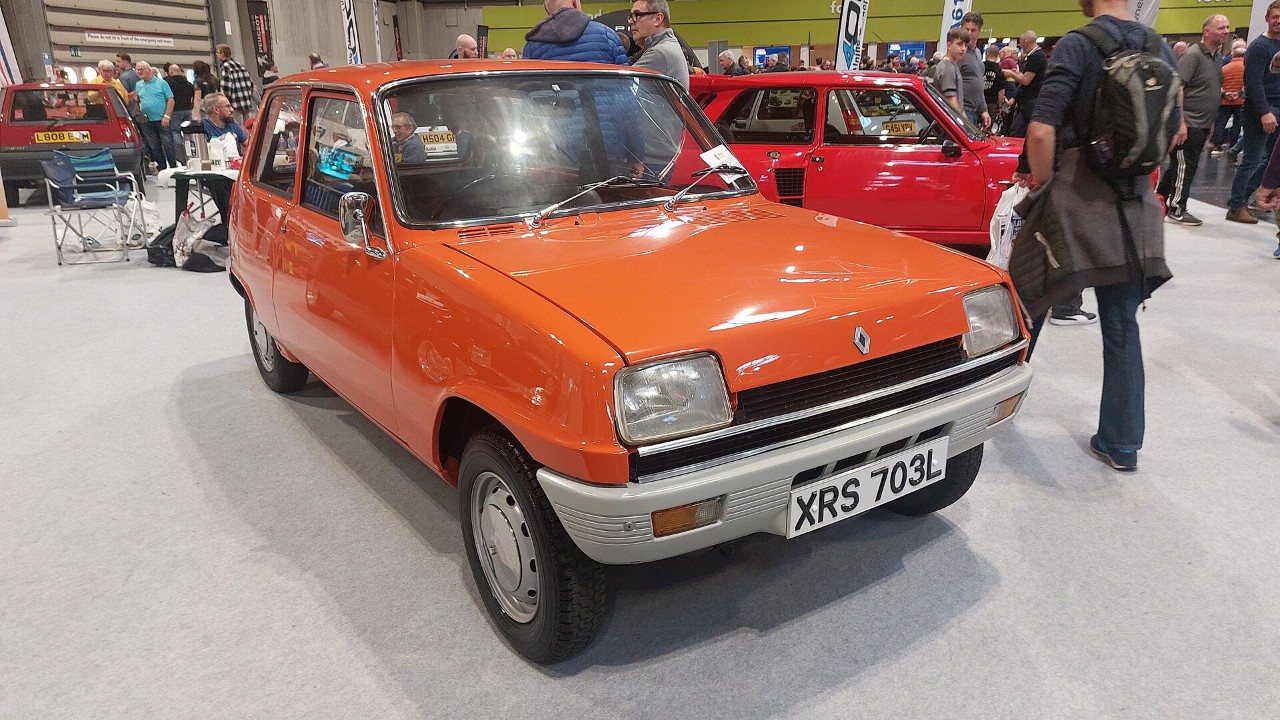
Renault launched the 5 on January 28, 1972. Michel Boué styled it in his spare time, but he died at the end of that year, only months after the car appeared. His design used polyester and fibreglass bumpers that shrugged off parking knocks without denting, a feature that helped the car win a city-car reputation.
The TL used a 956 cc engine. A steep rear hatch made it easy to load, and Americans later met the car as the Le Car from 1976 to 1983. In France, Renault built about 5,276,630 first-generation cars through 1985.
We would call the R5 the template for the modern supermini. Renault seems to agree, because it brought the 5 back as an electric hatchback in February 2024.
6. 1971 Citroën SM
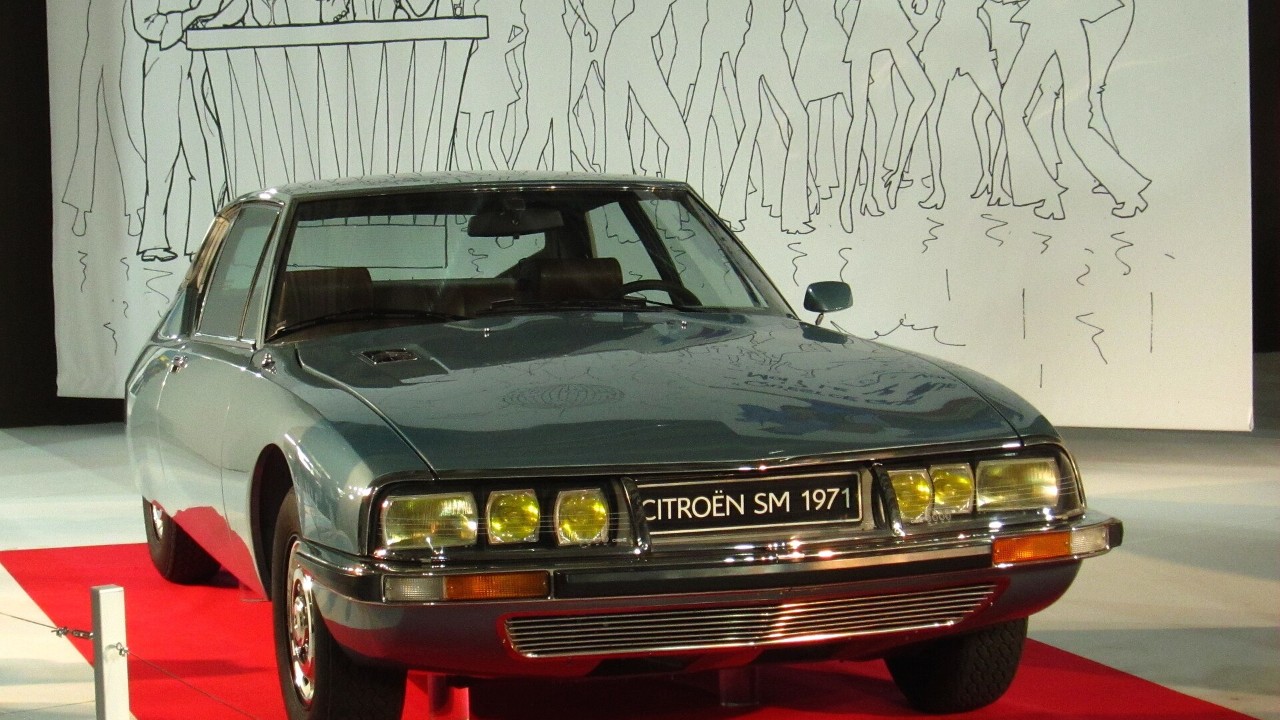
The SM paired Citroën’s suspension with a 2.7-liter Maserati V6 designed by Giulio Alfieri, rated at 170 PS. Its DIRAVI steering was fully powered and speed-sensitive. It gave heavy assistance when parking and very little on the highway, then pulled itself back to center.
The lighting went further still. It carried six halogen lamps, and the high beams swivelled with the steering, a design US rules did not allow at the time. Even so, the SM won Motor Trend’s 1972 Car of the Year award. The story of its V6 is in our piece on how Citroën built the SM’s engine.
Peugeot took over Citroën after the 1974 bankruptcy and stopped the SM. In total, Citroën built 12,920, and Ligier assembled the last 135. In our view, speed-sensitive steering alone makes the SM feel current.
7. 1954 Citroën Traction Avant 11 CV Commerciale
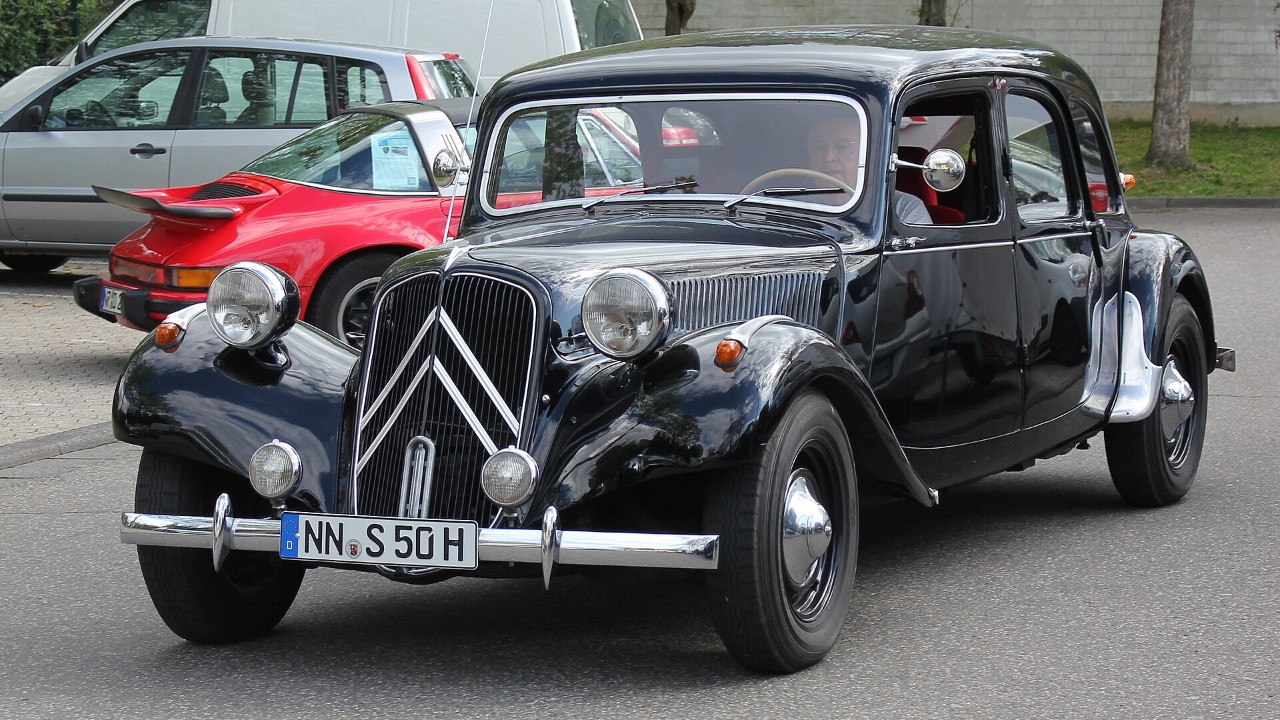
André Lefèbvre and Flaminio Bertoni gave Citroën a car with front-wheel drive and a welded unitary body in 1934. Today most family cars follow the same basic recipe. The 11 CV used a 1,911 cc four-cylinder, and “11 CV” refers to the French tax rating, not horsepower.
For this list, however, the Commerciale is the version that matters most. It rode on the long chassis and opened at the back, making it one of the earliest hatchbacks. After World War II, it gained a one-piece, top-hinged tailgate, and Citroën marketed it to tradespeople such as grocers and butchers.
Citroën built about 759,111 Traction Avants over 23 years. Our take: a 1954 Commerciale is a hatchback and a front-driver in one, decades before either became normal.
8. 1993 Renault Twingo
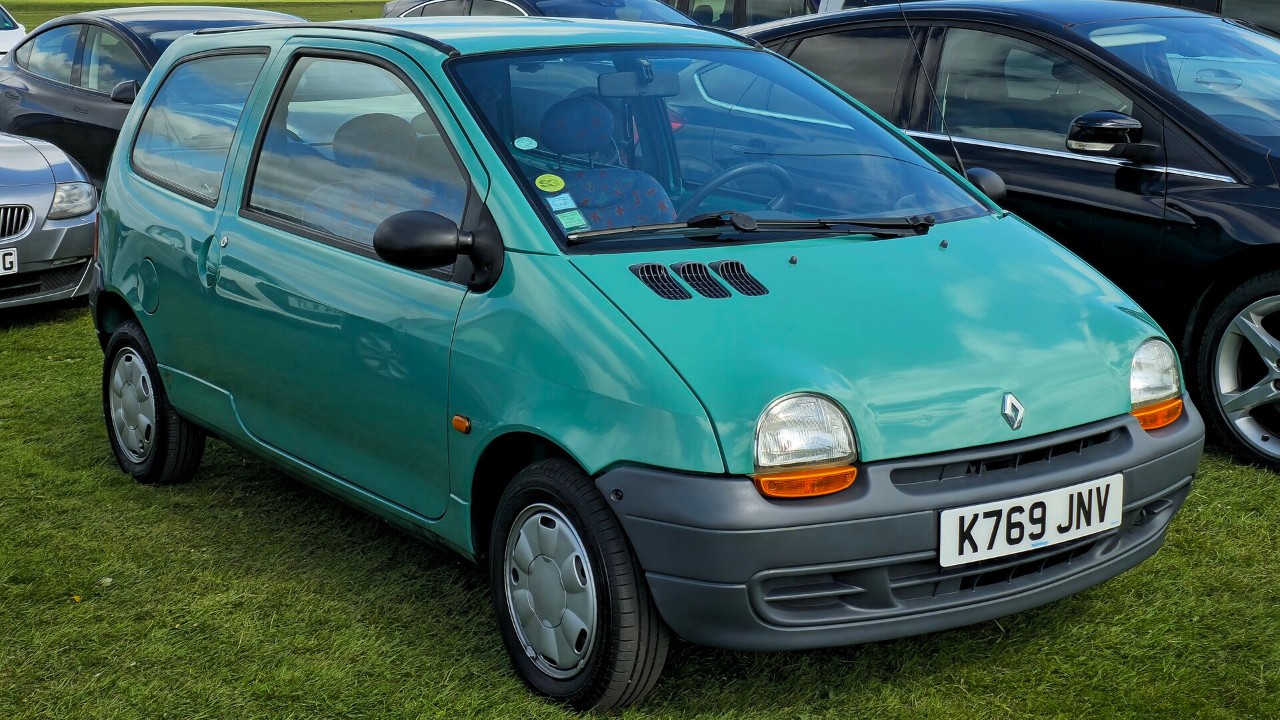
Renault revealed the Twingo in 1992 with a one-box shape and its wheels pushed out to the corners. Designer Jean-Pierre Ploué drew it, and Yves Dubreil ran the project, Renault’s heritage page records. Inside, a rear bench slid and tilted, so owners could trade legroom for luggage space.
At first, Renault kept the launch simple. The first cars came with a single engine and a single price, in four colors: Ultramarine, Indian yellow, Coral red and Coriander green. As a result, a 1993 car is one of the purest versions of the idea.
Renault’s heritage page counts 2,444,455 Twingos, rounded to about 2.5 million across versions and limited editions. We think the one-box, sliding-seat layout would feel clever in a city car today.
9. Citroën HY van
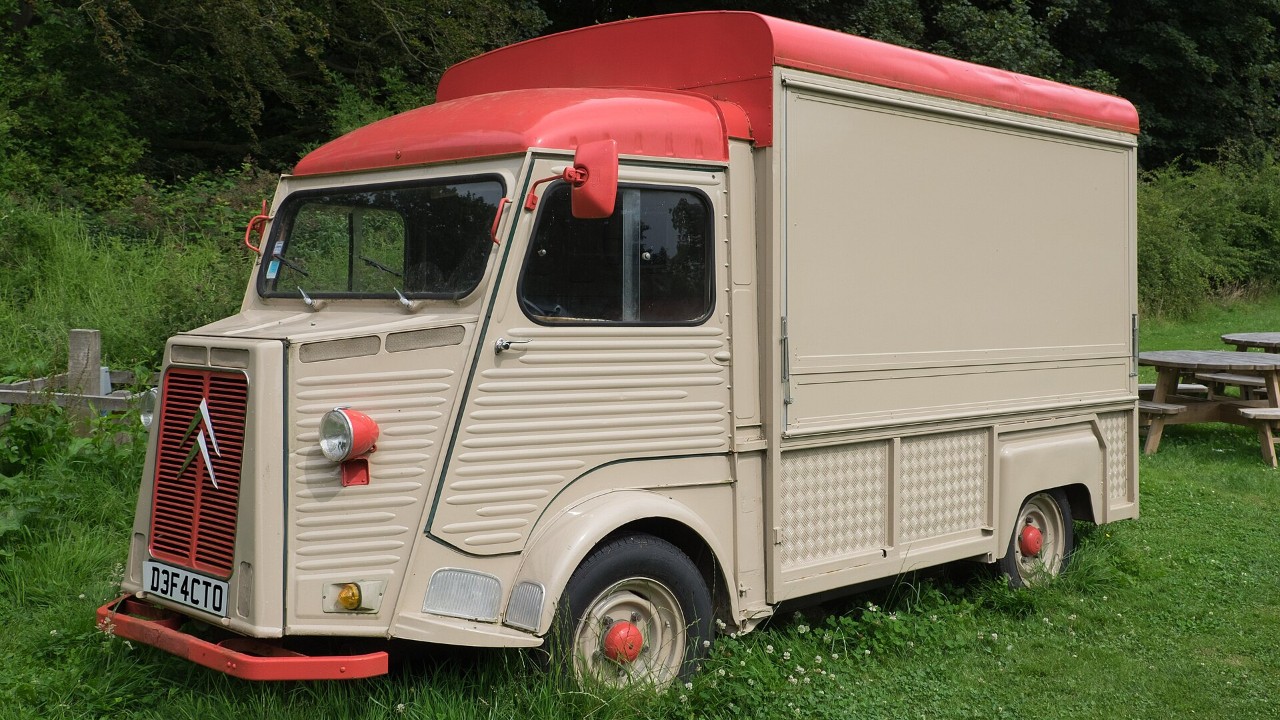
The HY’s ribbed body is the first thing anyone notices. Those corrugated panels drew on German Junkers aircraft, and they stiffened the body without adding weight. They also needed only simple, low-cost press tools, according to Citroënvie.
Underneath, the van shared a unitary body and front-wheel drive with the Traction Avant. The flat floor also sat close to the ground, with about six feet of standing room, and a side loading door made curbside work easy. Today, restored vans often serve as food trucks in European cities.
Citroën built 473,289 H vans in France and Belgium over 34 years. The last one rolled off the line at Aulnay-sous-Bois on December 14, 1981.
More from Fast Lane Only