From the first factory hot rods to today’s supercharged street cars, a handful of engines turned America’s horsepower rivalry into a full-scale arms race. Each one did more than move metal; it reset expectations for what a street-legal car could do and forced rivals to respond with bigger, stronger, and smarter powerplants of their own.
When I look at the key battles in that contest, the story is less about individual cars and more about the engines that made them legends, from big-block V8s that ruled drag strips to modern boosted V8s that deliver four-figure output with a warranty. The hardware changed, but the pattern stayed the same: one breakthrough engine raises the bar, the rest of the industry scrambles to catch up, and the next chapter of the horsepower wars begins.
Big-block foundations: 426 Hemi and LS6 454
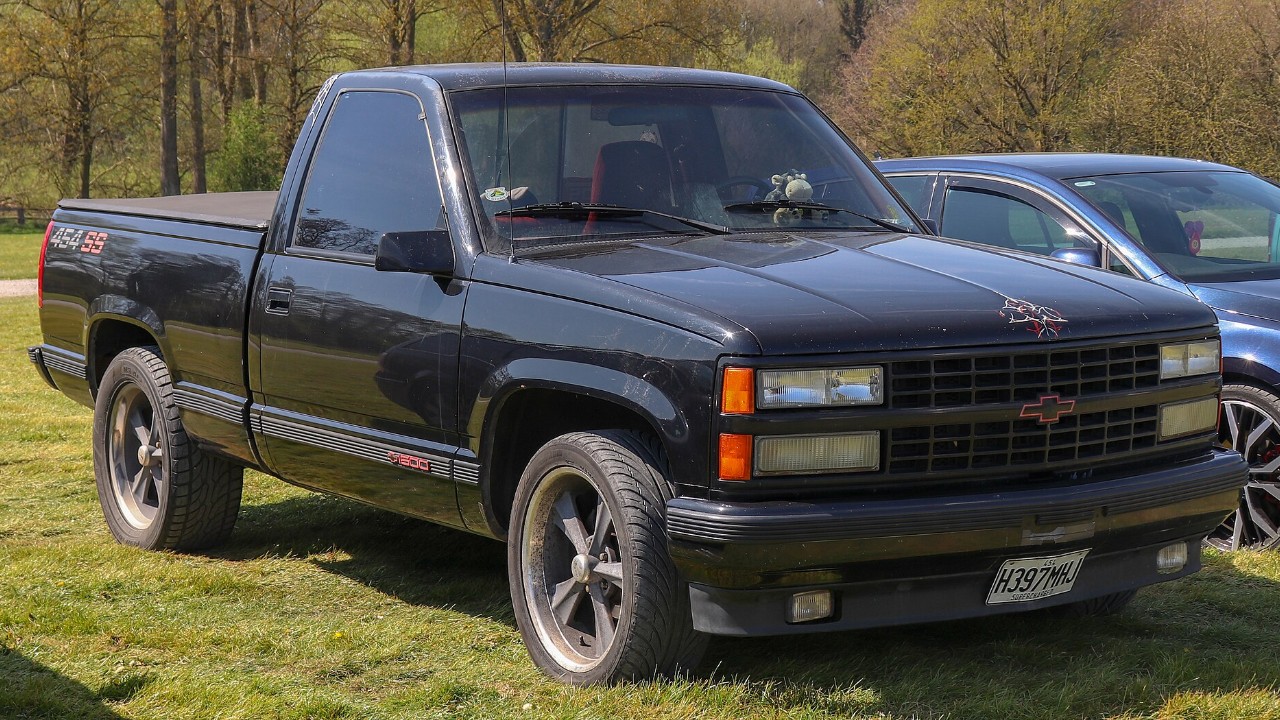
The modern horsepower race in America really took shape when big-block V8s turned mid-size cars into factory drag weapons. I see Chrysler’s 426 Hemi and Chevrolet’s LS6 454 as the twin pillars of that era, engines that made four hundred plus advertised horsepower a showroom reality and pushed Detroit to treat quarter-mile times as a marketing metric. The 426 Hemi’s hemispherical combustion chambers and cross-bolted main caps were race-bred solutions that migrated into street cars like the Plymouth Road Runner and Dodge Charger, while Chevrolet’s LS6 454 used massive displacement, high compression, and big-port heads to give the Chevelle SS one of the most fearsome power ratings of its time, with period figures listing 450 horsepower and 500 lb-ft of torque in showroom trim.
These engines did more than dominate stoplight races; they forced regulators, insurers, and rival automakers to react. As compression ratios climbed and camshafts grew more aggressive, the Environmental Protection Agency and state regulators tightened emissions rules, while insurance companies began to surcharge high-horsepower models, effectively capping the first wave of the horsepower wars. Yet the legend of the 426 Hemi and LS6 454 only grew in the decades that followed, with collectors and restorers treating original engines and correct-spec components as the core of a car’s value, a trend reflected in the premium prices commanded by documented Chevelle SS 454 LS6 and Charger Daytona models at auction.
Small-block revolution: Chevy LS and modular Ford V8s
After emissions rules and fuel crises cooled the first big-block era, the next phase of the horsepower contest was defined by lighter, more efficient small-block V8s that could meet modern standards without giving up performance. I view General Motors’ LS-series engines and Ford’s modular V8 family as the key players in this chapter, because they proved that compact packaging, aluminum construction, and advanced fuel and spark control could deliver serious output with everyday drivability. The original LS1, introduced in the late 1990s, used a deep-skirt block, cathedral-port heads, and coil-near-plug ignition to deliver strong power in cars like the Chevrolet Corvette and Camaro, while later variants such as the LS3 and LS7 pushed displacement and airflow even further, with the 7.0-liter LS7 rated at 505 horsepower in factory trim.
Ford’s modular V8s, including the 4.6-liter and 5.4-liter units, took a different path with overhead camshaft layouts and multi-valve heads, but they served the same purpose in the horsepower rivalry by giving Mustang and truck buyers a modern, emissions-compliant foundation that could still be tuned for serious performance. Later evolutions, such as the 5.0-liter “Coyote” and supercharged 5.8-liter used in high-performance Mustangs, showed how variable cam timing, improved breathing, and factory-forced induction could keep pace with LS-powered rivals on both the street and the track. The widespread use of these engines in everything from sports cars to pickups also fueled a booming aftermarket, with crate versions and swap kits turning LS and modular V8s into the default choices for restomods, kit cars, and engine-swapped classics.
Supercharged escalation: Hellcat, LT4 and GT500

The most dramatic escalation in America’s recent horsepower rivalry came when factory superchargers turned already potent V8s into four-figure-capable powerplants. I see Dodge’s Hellcat 6.2-liter Hemi, General Motors’ LT4, and Ford’s latest supercharged 5.2-liter V8 as the clearest examples of how forced induction reshaped the contest. The Hellcat engine, introduced in Challenger and Charger models, used a 2.4-liter (and later larger) supercharger, forged internals, and high-flow fuel and cooling systems to deliver 707 horsepower in its earliest form, with later Redeye and Jailbreak variants climbing even higher. Chevrolet’s LT4, a 6.2-liter supercharged V8 used in cars like the Corvette Z06 and Camaro ZL1, combined direct injection, variable valve timing, and a compact Eaton blower to produce 650 horsepower while meeting modern emissions and fuel economy requirements.
Ford’s response, the supercharged 5.2-liter V8 in the Shelby GT500, pushed the envelope further with a 2.65-liter supercharger, cross-plane crankshaft, and advanced cooling strategies that allowed a factory rating of 760 horsepower. What stands out to me is how these engines normalized power levels that once belonged only to dedicated race cars, while still offering warranties, air conditioning, and full safety equipment. They also forced engineers to rethink supporting systems, from ten-speed automatic transmissions calibrated to handle immense torque to sophisticated traction and stability controls that could keep street tires in contact with the pavement. The result is a generation of American performance cars that can run quarter-mile times once reserved for heavily modified drag machines, straight off the showroom floor.
Track-bred V8s: LS7, Voodoo and flat-plane fury
Not every chapter of the horsepower wars is about peak numbers; some of the most influential engines focused on how they made power rather than how much. I put Chevrolet’s LS7 and Ford’s 5.2-liter “Voodoo” V8 in that category, because they brought race-style characteristics like sky-high rev limits, lightweight internals, and exotic crankshaft designs into street-legal cars. The LS7, used in the C6 Corvette Z06, relied on a 7.0-liter displacement, titanium connecting rods, and hand-assembled construction to deliver 505 horsepower with a redline that encouraged drivers to explore the upper reaches of the tachometer, while still meeting durability targets for regular road use.
Ford’s Voodoo engine, a 5.2-liter flat-plane-crank V8 used in the Shelby GT350, took a more radical approach by adopting a crank design more commonly seen in European exotics, which allowed it to spin past 8,000 rpm and produce a distinctive, high-pitched exhaust note. That layout improved breathing and responsiveness, turning the GT350 into a track-day tool that emphasized balance and precision over raw output, even as its 526-horsepower rating kept it firmly in the modern muscle conversation. In my view, these engines broadened the definition of the horsepower contest by proving that American V8s could compete not just on straight-line speed but also on character, sound, and circuit performance, influencing how enthusiasts and engineers think about what makes a great performance powerplant.
Modern muscle and the future of American power
As emissions rules tighten again and electrification gains momentum, the latest generation of American performance engines shows how far the horsepower rivalry has evolved from its carbureted roots. I see the 6.2-liter LT2 in the mid-engine Chevrolet Corvette, the latest iterations of the Hemi family, and high-output truck engines as examples of how automakers are squeezing more from every drop of fuel while preparing for a mixed future of internal combustion and electric assistance. The LT2, with its dry-sump lubrication, direct injection, and carefully tuned intake and exhaust paths, delivers over 490 horsepower in base form while sitting low enough in the chassis to support the Corvette’s new mid-engine layout, a packaging decision that improves handling without sacrificing the V8 character buyers expect.
At the same time, high-output V8s in trucks and SUVs, along with crate engines offered directly to enthusiasts, keep the traditional side of the horsepower wars alive even as hybrid and electric performance models enter the scene. I expect future contests to focus as much on how seamlessly combustion engines integrate with electric motors and energy recovery systems as on standalone horsepower ratings, but the legacy of the big-blocks, small-blocks, and supercharged monsters that came before will continue to shape what buyers want and what engineers build. The engines that defined earlier rounds of this rivalry still set the benchmarks for sound, feel, and drama, and any new technology that hopes to win over American performance fans will have to measure up to that mechanical heritage.