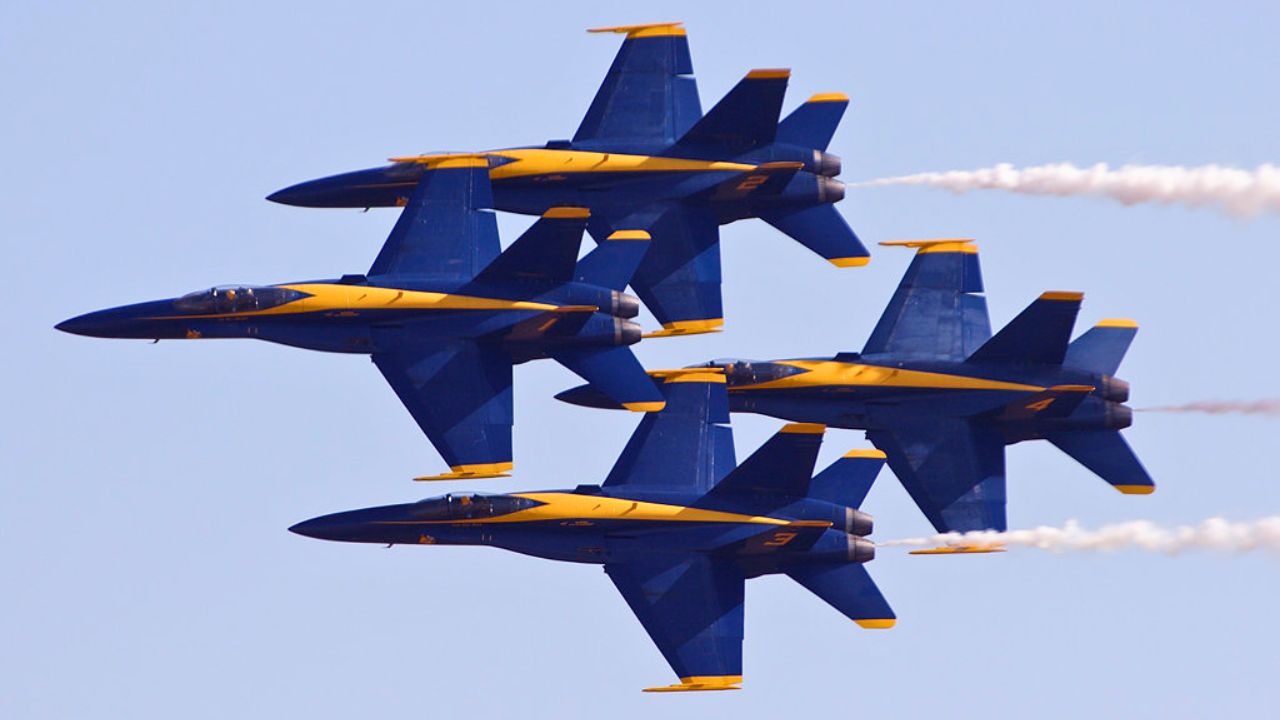
As one of the most renowned flight demonstration teams globally, the US Navy Blue Angels captivate audiences with their precision and skill. Here’s an in-depth look at ten essential facts about this iconic squadron, covering their history, mission, aircraft, and more.
History and Formation
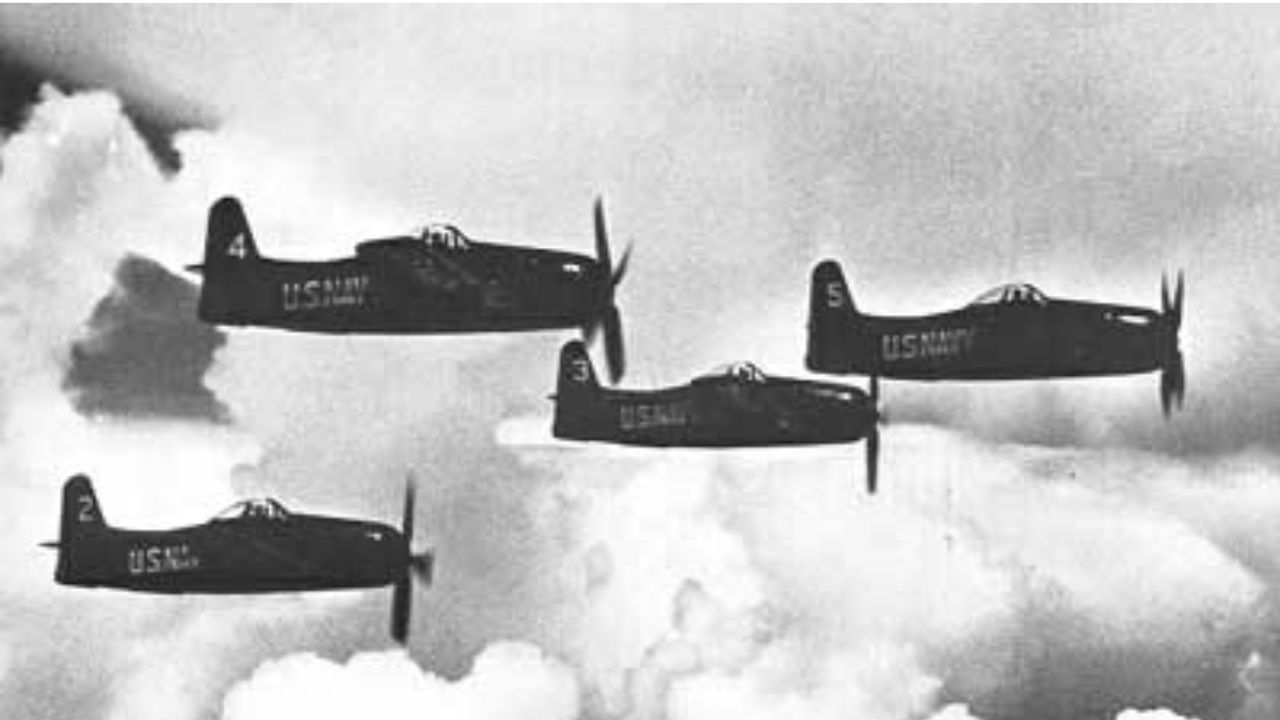
The Blue Angels were established in 1946, making them one of the oldest formal aerobatic teams in the world. They were founded in response to a directive from Admiral Chester W. Nimitz, who wanted to maintain public interest in naval aviation after World War II. The team made their first public appearance on June 15, 1946, at their home base in Jacksonville, Florida.
Mission and Purpose
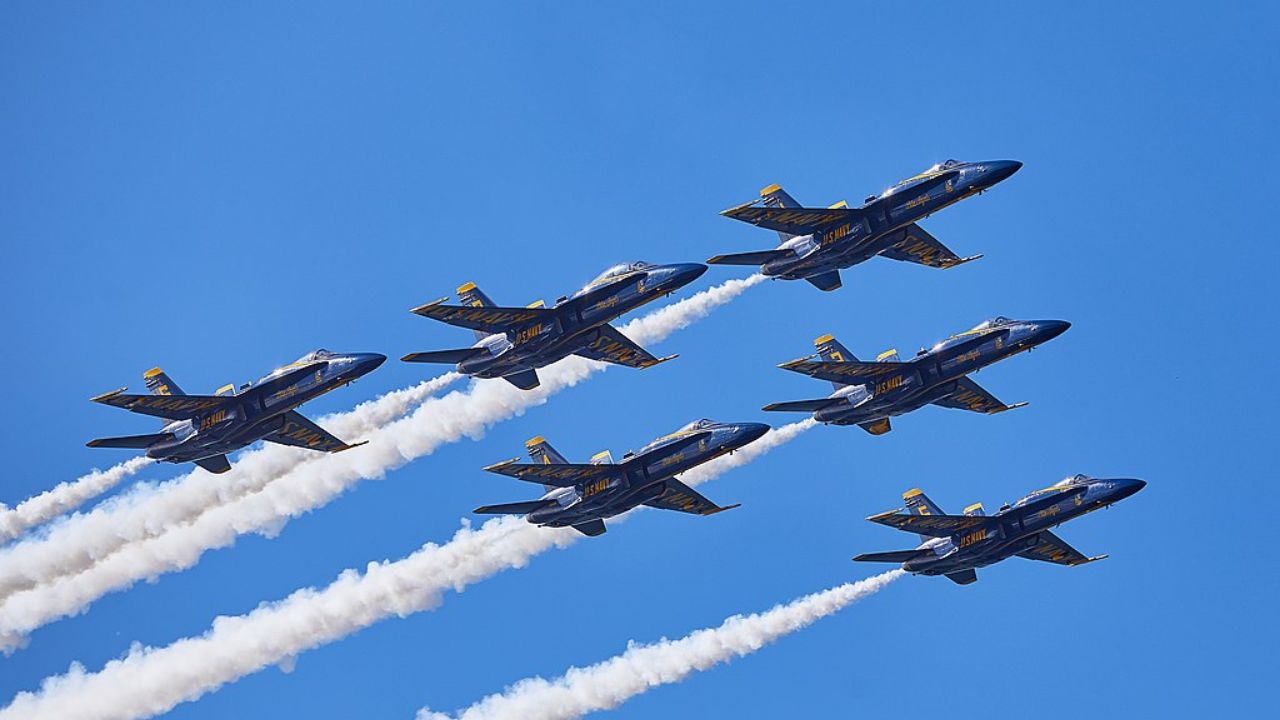
The primary mission of the Blue Angels is to showcase the pride and professionalism of the United States Navy and Marine Corps through their flight demonstrations. They aim to inspire a culture of excellence and service to country and promote the importance of naval aviation. Additionally, the team supports recruiting efforts by raising awareness and interest in career opportunities within the naval forces.
Aircraft Used
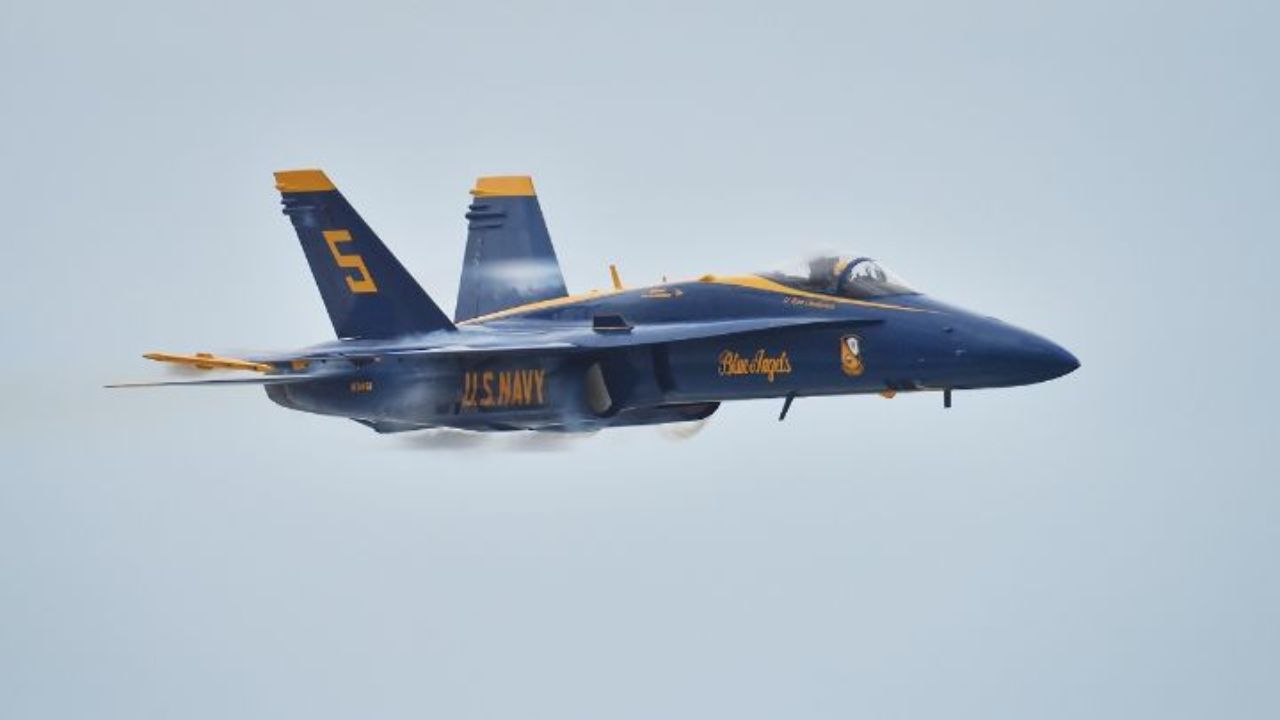
Currently, the Blue Angels fly the Boeing F/A-18 Super Hornet, which replaced the older F/A-18 Hornet models in 2020. The team also uses a C-130J Hercules, affectionately known as “Fat Albert,” for their logistics support and demonstrations. The aircraft are painted in the Blue Angels’ signature blue and yellow colors, making them easily recognizable during performances.
Team Composition
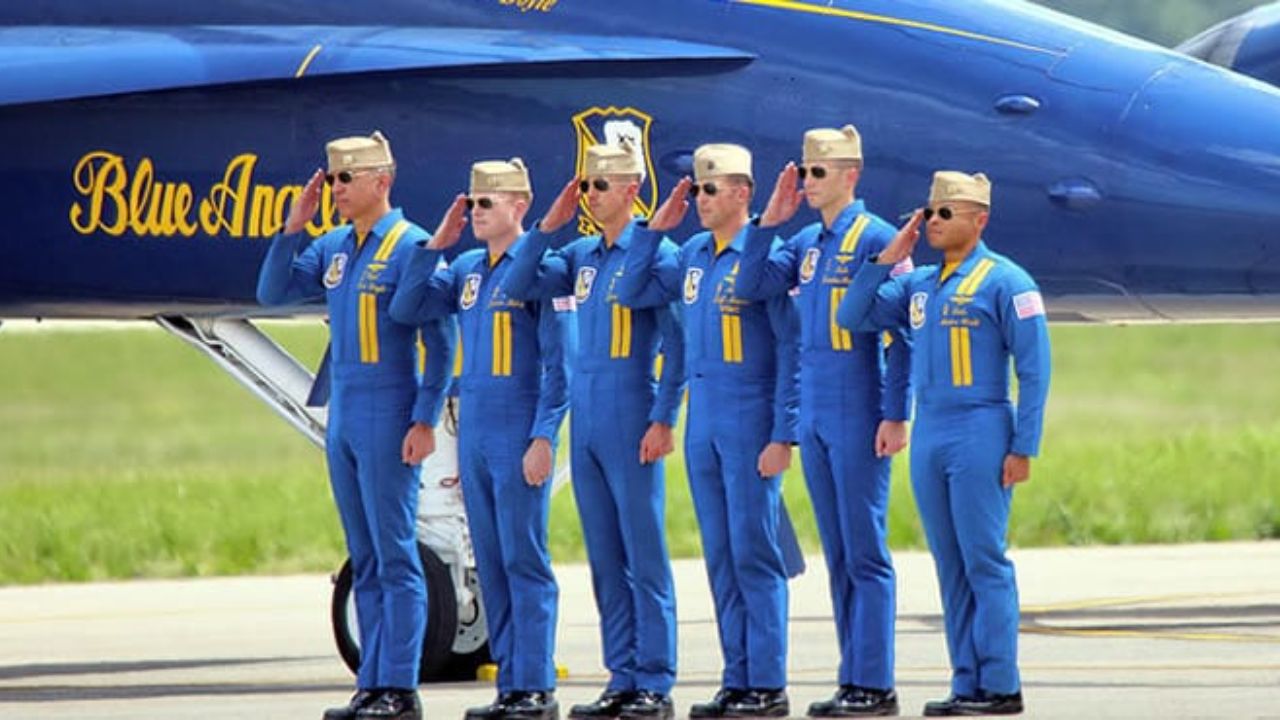
The Blue Angels team consists of 17 officers and over 100 enlisted personnel who are selected from the Navy and Marine Corps. The officers include six demonstration pilots, an events coordinator, a maintenance officer, and other key roles. Each member commits to the team for two to three years, ensuring a balance of experience and new perspectives.
Training Regimen

The Blue Angels follow an intense training schedule to perfect their aerial maneuvers and ensure safety. Training begins in January and lasts through mid-March, during which the team practices twice daily, six days a week. This rigorous program is designed to build the necessary trust and communication between pilots, enabling them to perform complex formations at high speeds.
Air Show Performances
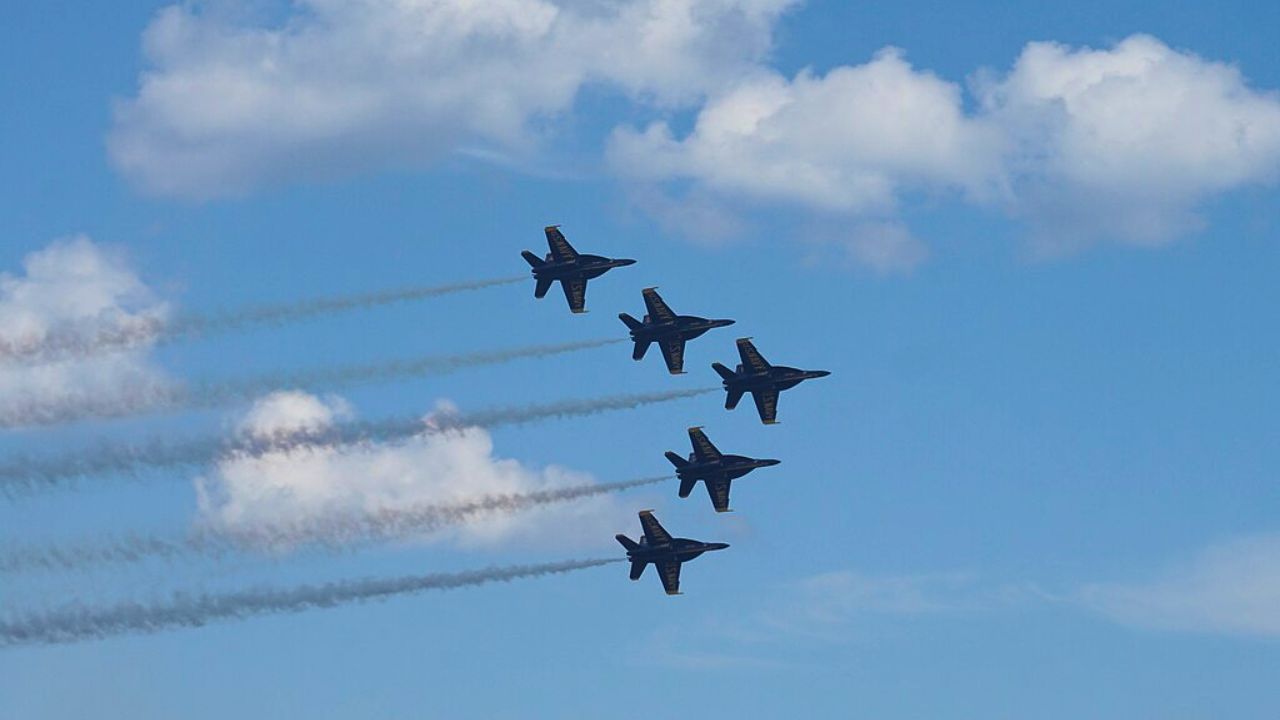
Each year, the Blue Angels perform at numerous air shows across the United States and occasionally abroad. Their season typically runs from March to November, during which they execute around 60 demonstrations at 30 locations. These performances are characterized by high-energy aerobatics and precise formations, thrilling millions of spectators annually.
Signature Maneuvers
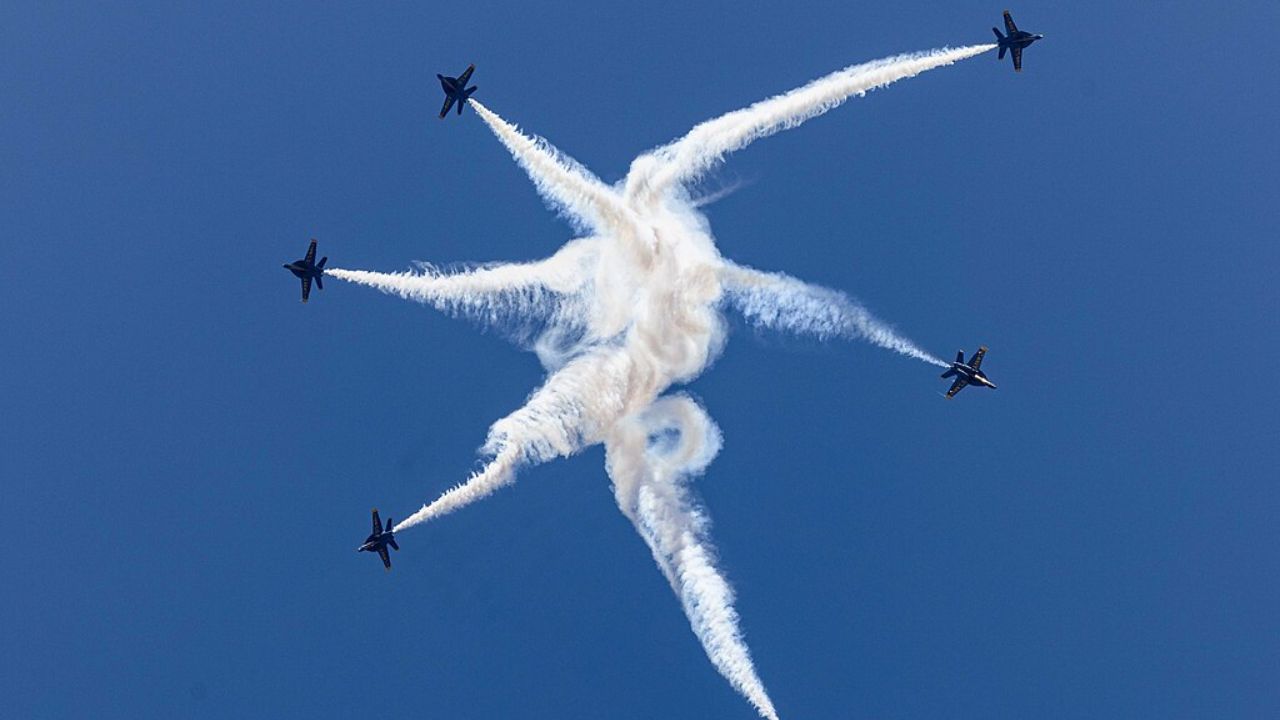
The Blue Angels are known for their signature maneuvers, which include the Diamond Formation, the Delta Breakout, and the Solo High-Speed Pass. These maneuvers showcase the pilots’ exceptional skills and the capabilities of their aircraft. The team’s precision and synchronization are critical to executing these complex aerial stunts safely and effectively.
Safety Protocols
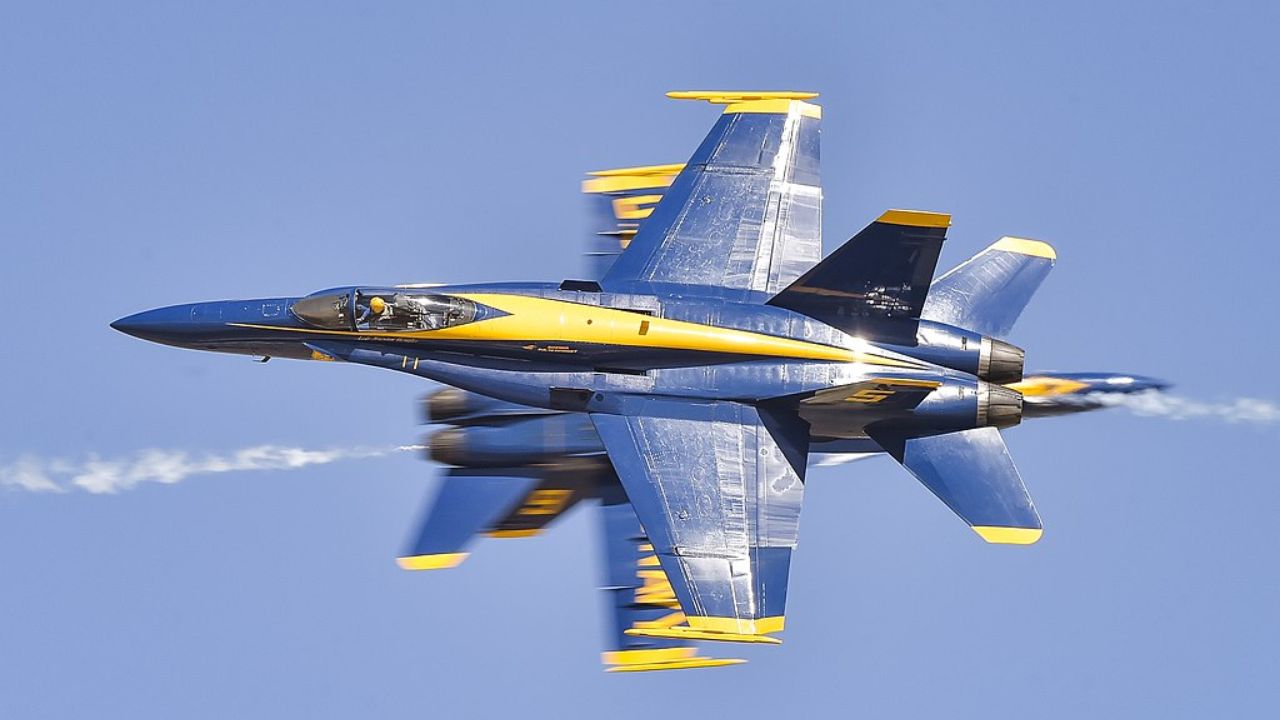
Safety is a top priority for the Blue Angels, and they adhere to strict protocols to minimize risks during performances. Each maneuver is meticulously planned and rehearsed, with pilots maintaining constant communication. Additionally, the team conducts thorough pre- and post-flight briefings to review procedures and address any safety concerns.
Community Engagement
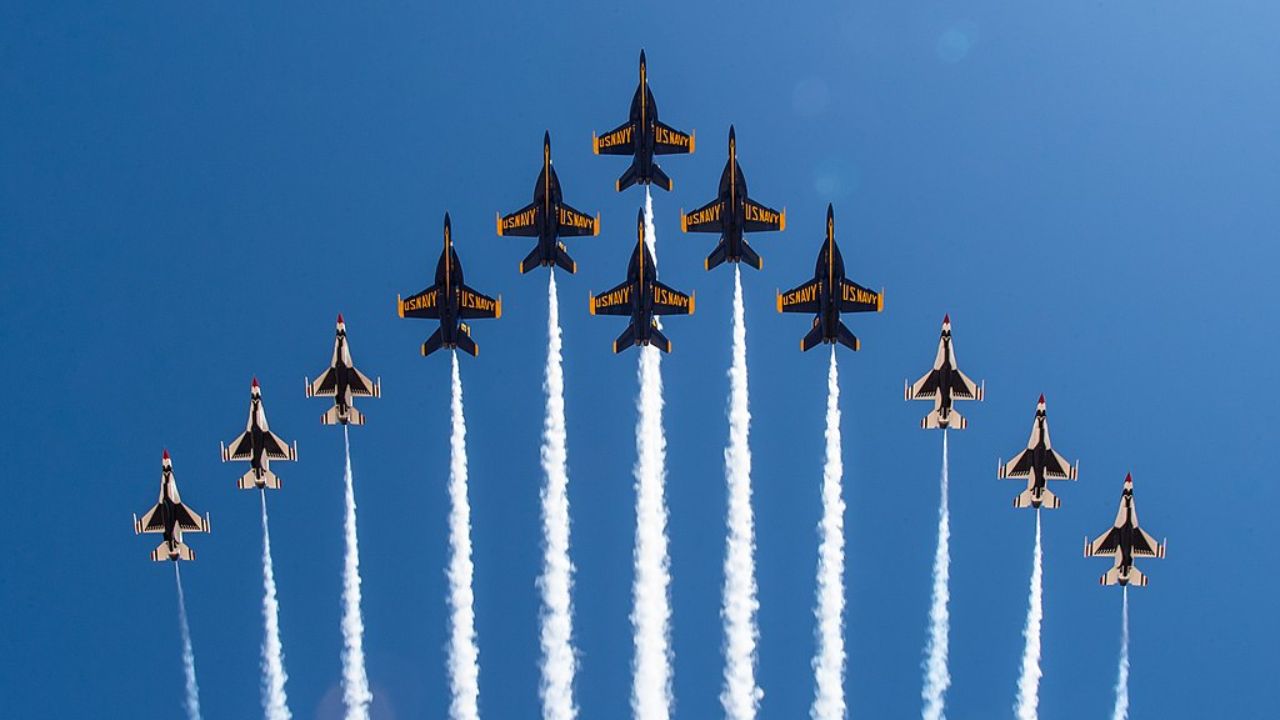
Beyond their air shows, the Blue Angels actively engage with communities through school visits, hospital tours, and meet-and-greet events. These interactions provide the public with an opportunity to learn more about naval aviation and the team’s mission. The Blue Angels’ outreach efforts help build strong relationships with communities across the nation.
Legacy and Impact
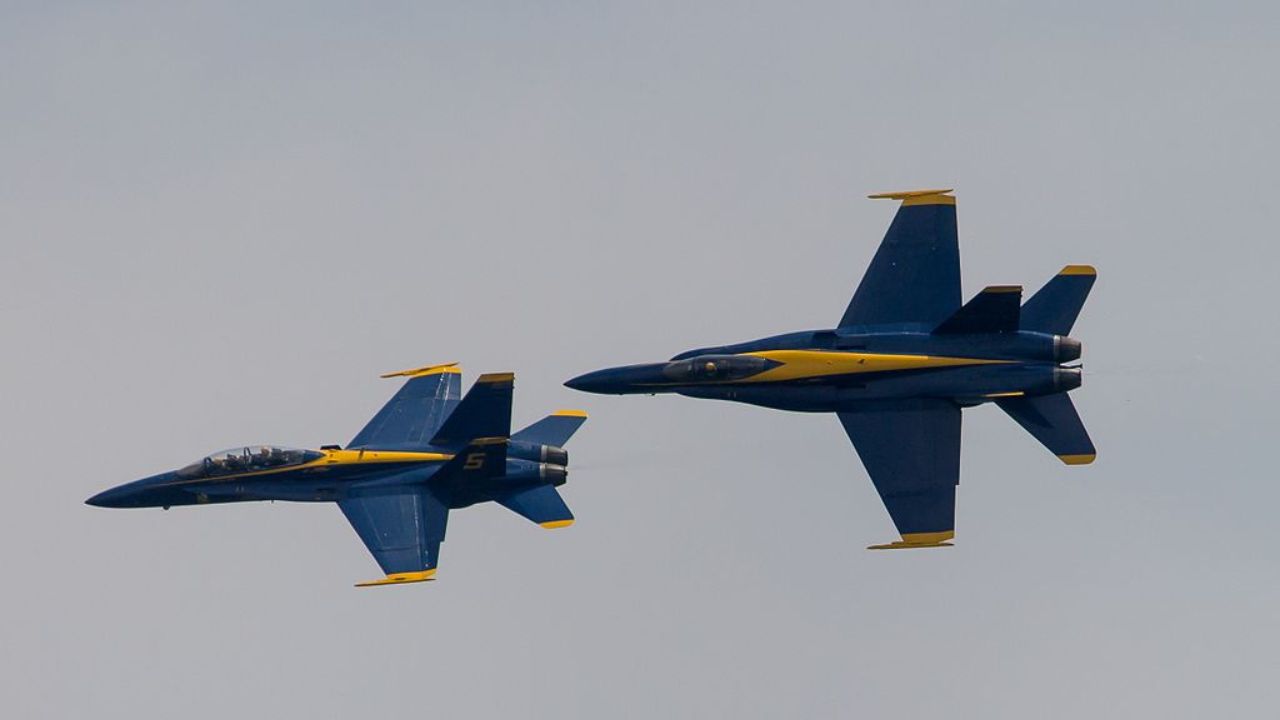
Over the decades, the Blue Angels have become an iconic symbol of American aviation excellence. Their performances inspire countless individuals and foster pride in the United States military. Through their dedication and skill, the Blue Angels continue to leave a lasting impact on audiences worldwide, solidifying their legacy as one of the premier flight demonstration teams.
Like Fast Lane Only’s content? Be sure to follow us.
Here’s more from us:
*Created with AI assistance and editor review.