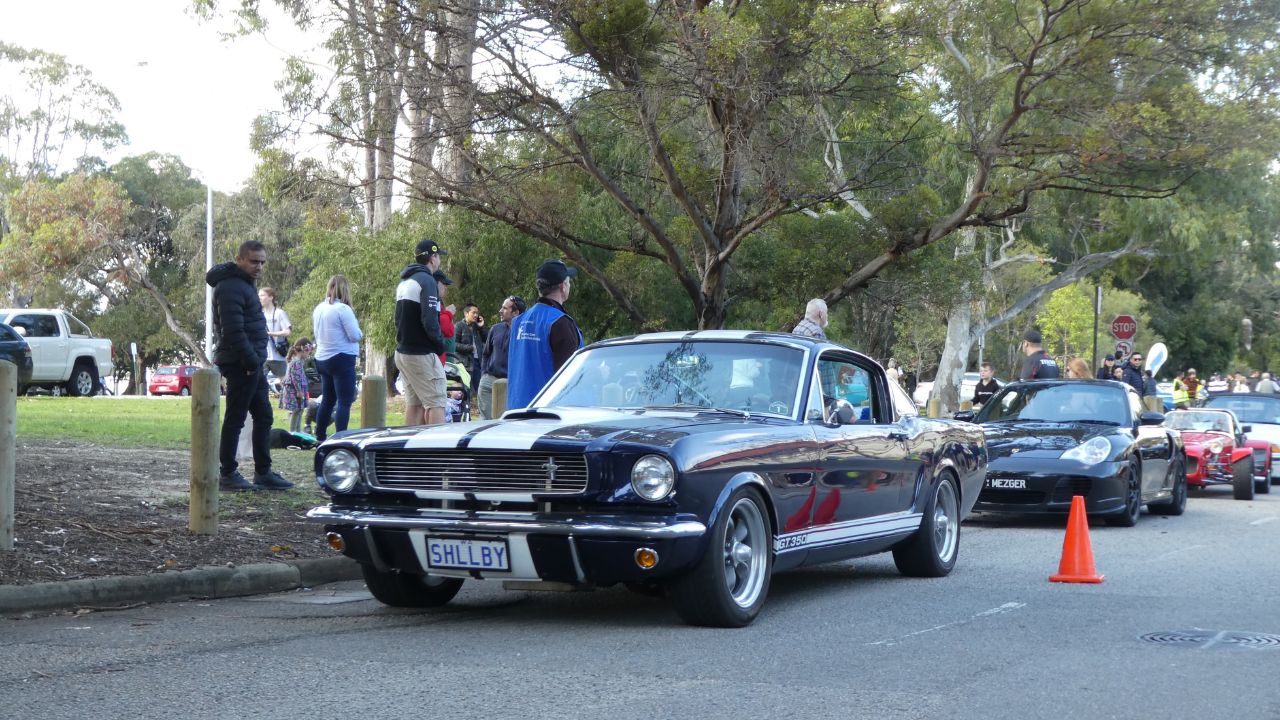
The golden age of muscle cars introduced a new era of performance, power, and style. These vehicles, built without compromise, captured the hearts of enthusiasts and remain iconic to this day. From roaring V8 engines to aggressive designs, muscle cars epitomized American automotive ambition and innovation.
1967 Ford Mustang GT500
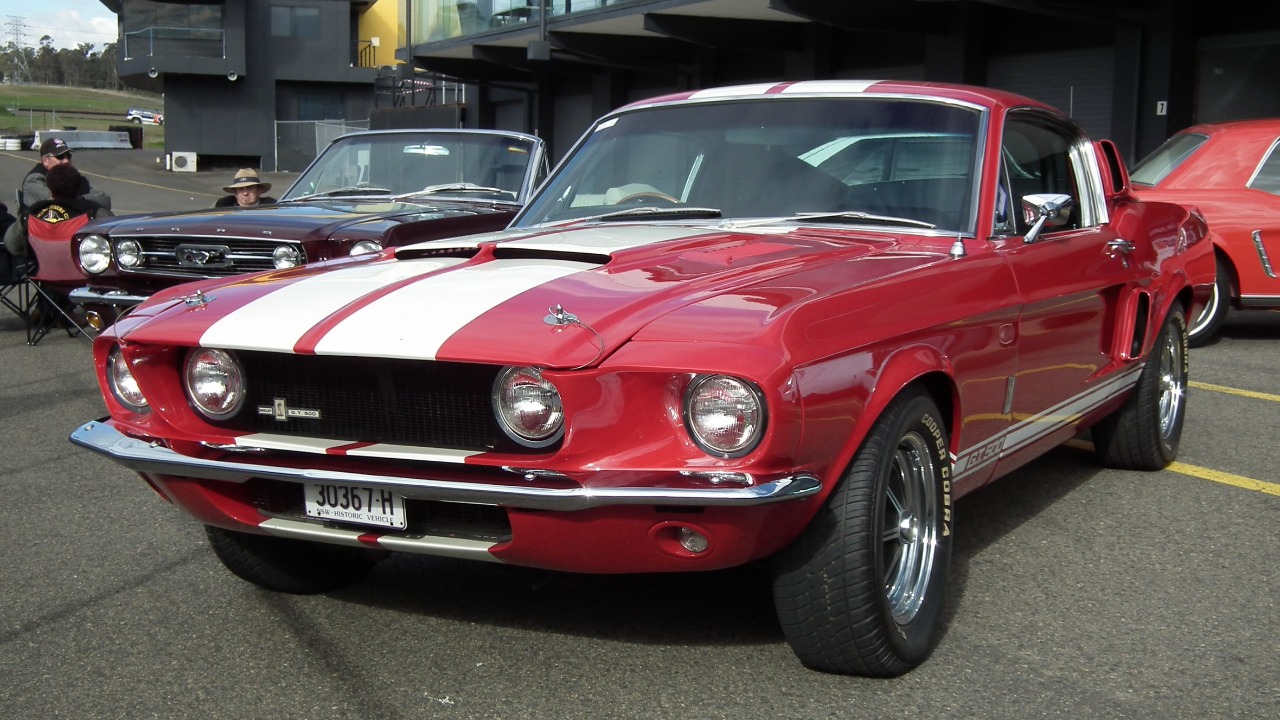
The 1967 Ford Mustang GT500 is a true classic that defined the muscle car era. With its legendary 428 cubic inch V8 engine, it produced a staggering 355 horsepower, providing exhilarating performance that made it a favorite among speed enthusiasts. Carroll Shelby’s vision transformed the Mustang into a high-performance beast, featuring a distinctive design with racing stripes and a more aggressive stance. Producing just over 2,000 units, this limited production model became a collector’s item. The GT500 also showcased advanced engineering for its time, with improved suspension and brakes, making it a well-rounded performer both on and off the track.
The Mustang GT500’s rich heritage continues to inspire modern muscle cars, with many enthusiasts still seeking out original models to restore. Its presence in popular culture, particularly in films like “Gone in 60 Seconds,” only solidifies its status as an American icon. If you want to learn more about the evolution of the Mustang brand, I recommend checking out this resource.
1970 Chevrolet Chevelle SS 454
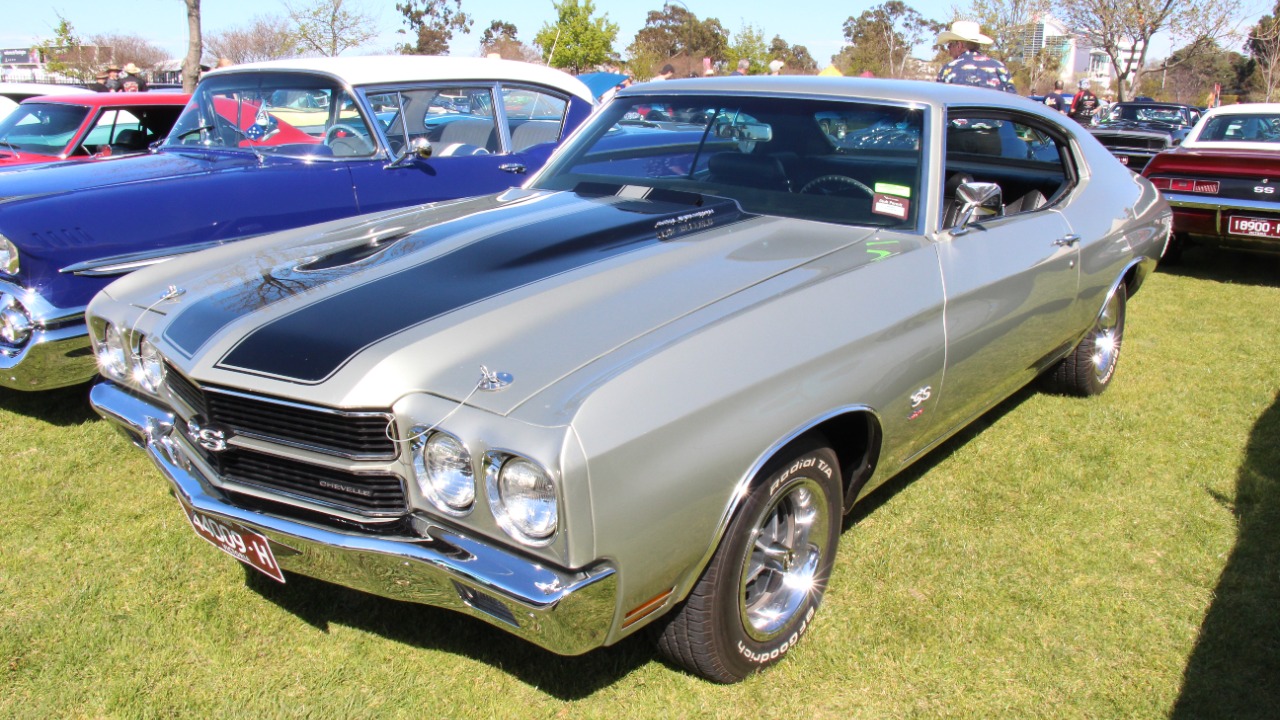
The 1970 Chevrolet Chevelle SS 454 is often regarded as one of the most formidable muscle cars of its time. This beast of a vehicle was powered by the 454-cubic-inch big-block V8 engine, which could produce up to 450 horsepower. It was designed for speed, boasting a lightweight body and muscle-car aesthetics that screamed performance. The SS package offered not just power but also enhanced handling and suspension, making it a true driver’s car.
This Chevelle’s unique combination of style and performance made it a cherished classic among collectors. Its presence at car shows and classic car auctions continues to attract attention, with pristine examples fetching significant sums. If you’re interested in the history of classic muscle cars like the Chevelle, you might want to visit this article for more insights.
1969 Dodge Charger R/T
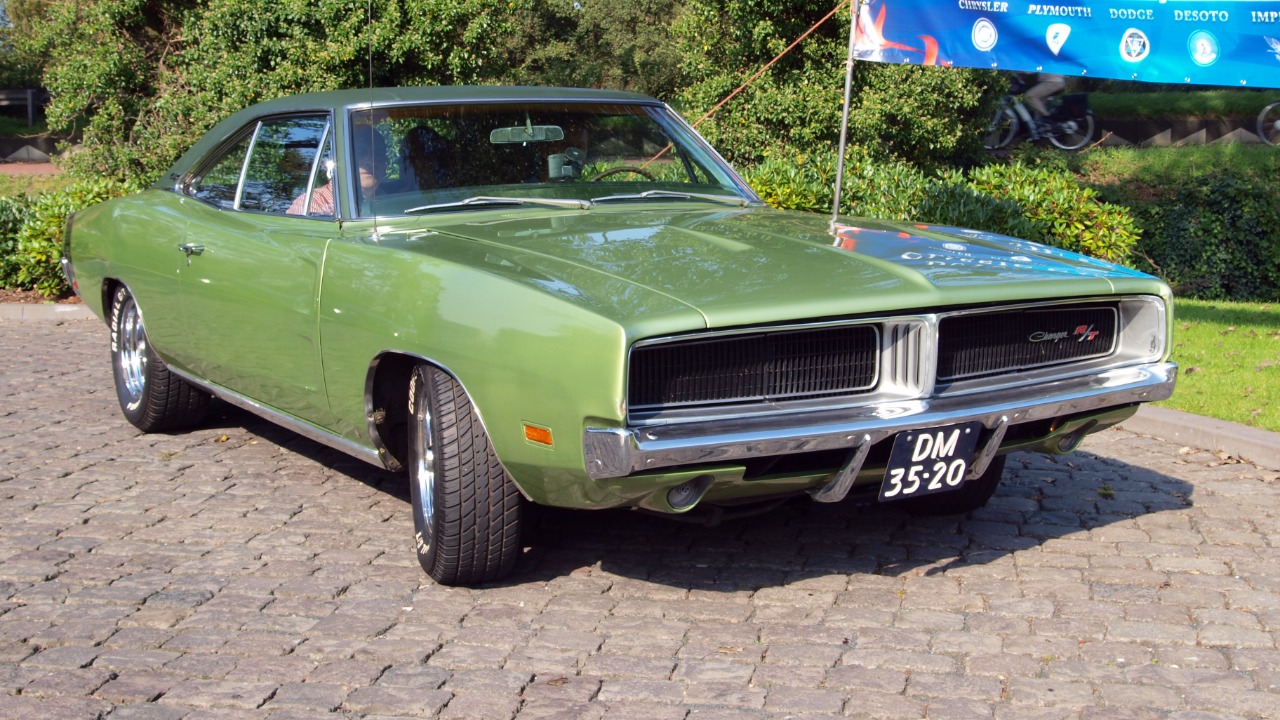
The 1969 Dodge Charger R/T is a quintessential muscle car that combines striking design with raw power. Featuring a 440 cubic inch V8 engine, this car delivered an impressive 375 horsepower, making it a popular choice for those seeking thrilling performance. The Charger’s sleek lines and bold grille provided an aggressive appearance that stood out on the road. Its spacious interior was designed for comfort, making it suitable for both cruising and racing.
Throughout the years, the Charger R/T has maintained a cult following, aided by its notable appearances in films and television shows like “The Dukes of Hazzard.” Collectors highly prize this model, and its iconic status ensures that it remains a key player in the muscle car community. For those interested in the rich history behind the Charger, I recommend exploring this source for a deeper dive.
1970 Plymouth Barracuda

The 1970 Plymouth Barracuda is a remarkable representation of the muscle car movement, noted for its aggressive styling and formidable performance. It was available with a variety of engines, including the legendary 426 Hemi, which produced an astonishing 425 horsepower. The Barracuda’s distinctive fastback design and bold color options contributed to its allure, making it a standout choice among enthusiasts. It was built for speed and agility, with a lighter frame that enhanced its performance on the road.
Despite the popularity of the Barracuda, production numbers were relatively low, making it a sought-after classic today. Its combination of power, design, and rarity has solidified its place in automotive history. The Barracuda continues to be celebrated at car shows and gatherings, where its fans appreciate its legacy. If you’re eager to know more about classic muscle cars, this resource offers additional context.
1968 Chevrolet Camaro SS

The 1968 Chevrolet Camaro SS is a pivotal vehicle that contributed to the muscle car craze of the late 1960s. Equipped with a powerful 396 cubic inch V8 engine, it could produce up to 375 horsepower, making it an exhilarating choice for performance enthusiasts. The Camaro’s design was bold and aggressive, featuring a long hood and short rear deck that captured the essence of muscle car aesthetics. It was not just about speed; the Camaro also offered a comfortable ride, making it an appealing option for daily drivers.
As one of the original pony cars, the Camaro has a rich heritage and remains a favorite among collectors. The SS trim level provided performance enhancements that set it apart from standard models, emphasizing Chevrolet’s commitment to power and handling. Over the years, the Camaro has evolved, but its classic roots continue to resonate with fans. For more information on the legacy of the Camaro, I recommend checking out this insightful article.
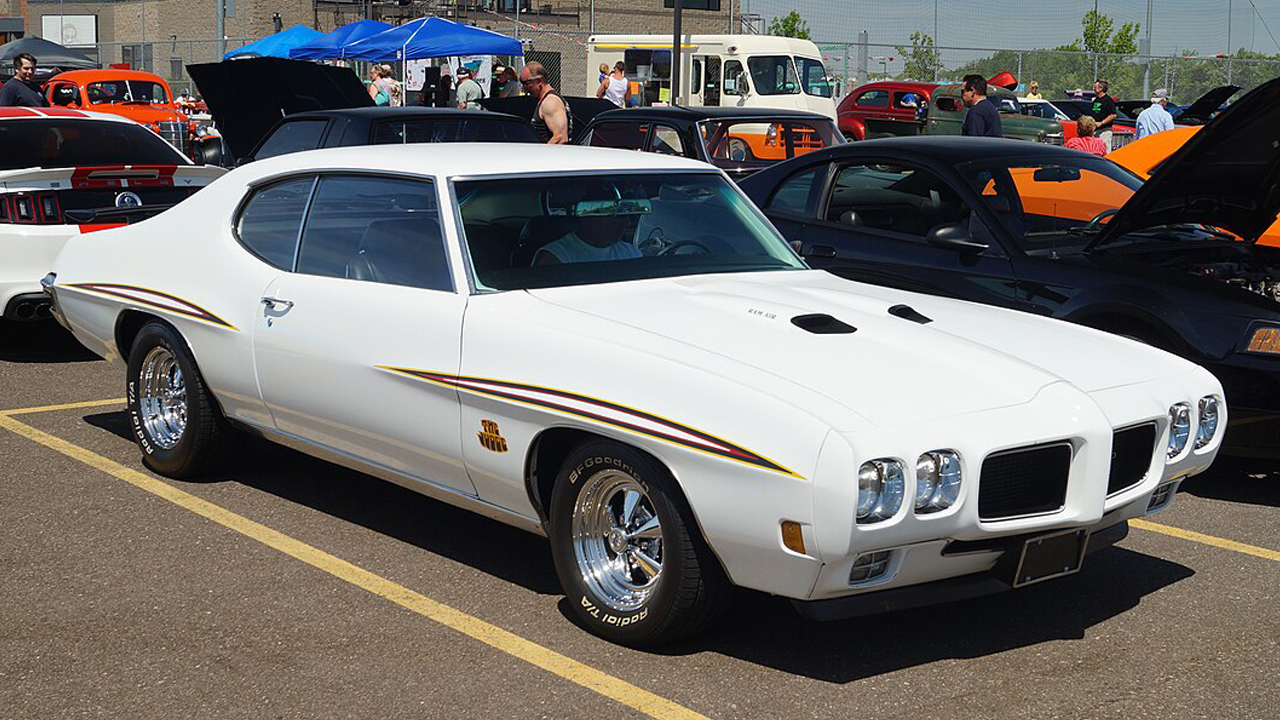
1971 Pontiac GTO Judge
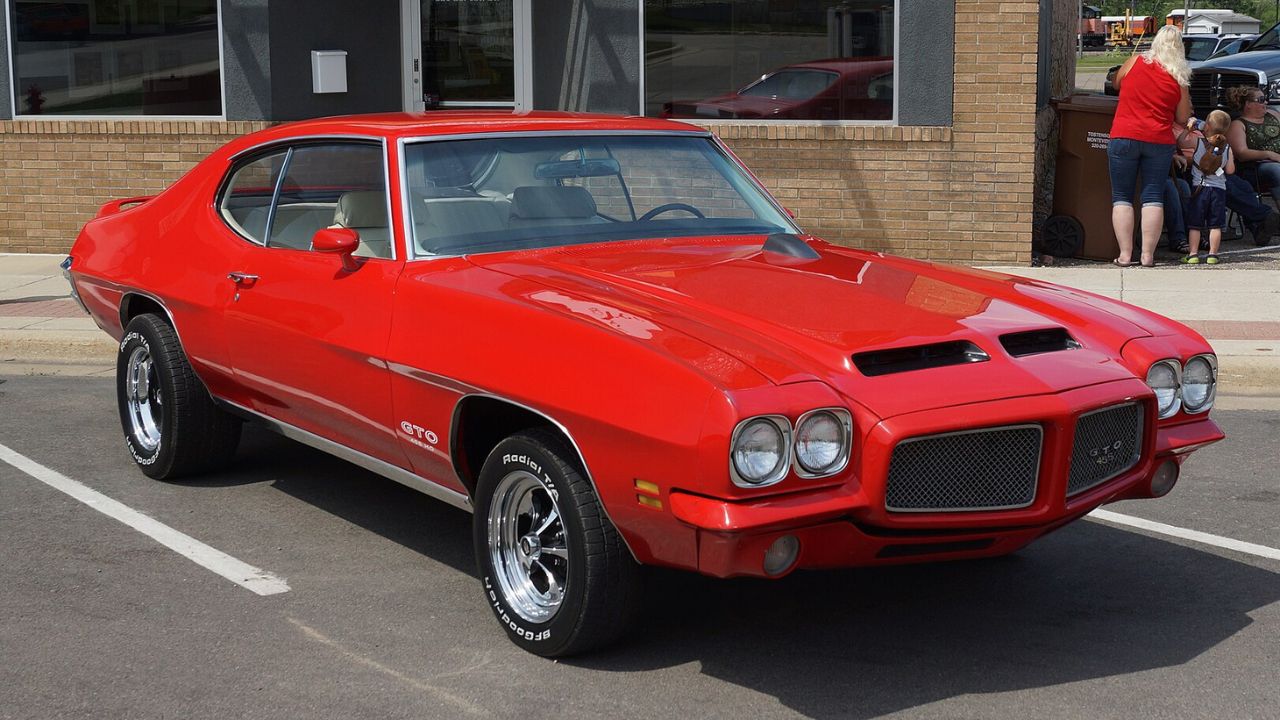
The 1971 Pontiac GTO Judge is a standout in the muscle car lineage, known for its eye-catching design and exceptional performance. With a standard 400 cubic inch V8 engine that produced 366 horsepower, the Judge was built for speed and excitement. Its bold graphics and unique styling cues helped it make a statement on the road. Pontiac marketed the Judge as a high-performance option that offered a blend of style and muscle, appealing to a younger generation of drivers.
The GTO Judge is not only remembered for its performance but also for its cultural impact, often associated with the burgeoning car culture of the 1970s. Collectors cherish this model for its rarity and distinctive characteristics, making it a prized possession at auctions and car shows. Enthusiasts continue to celebrate the GTO’s legacy, ensuring that its place in automotive history remains secure.
1966 Shelby GT350
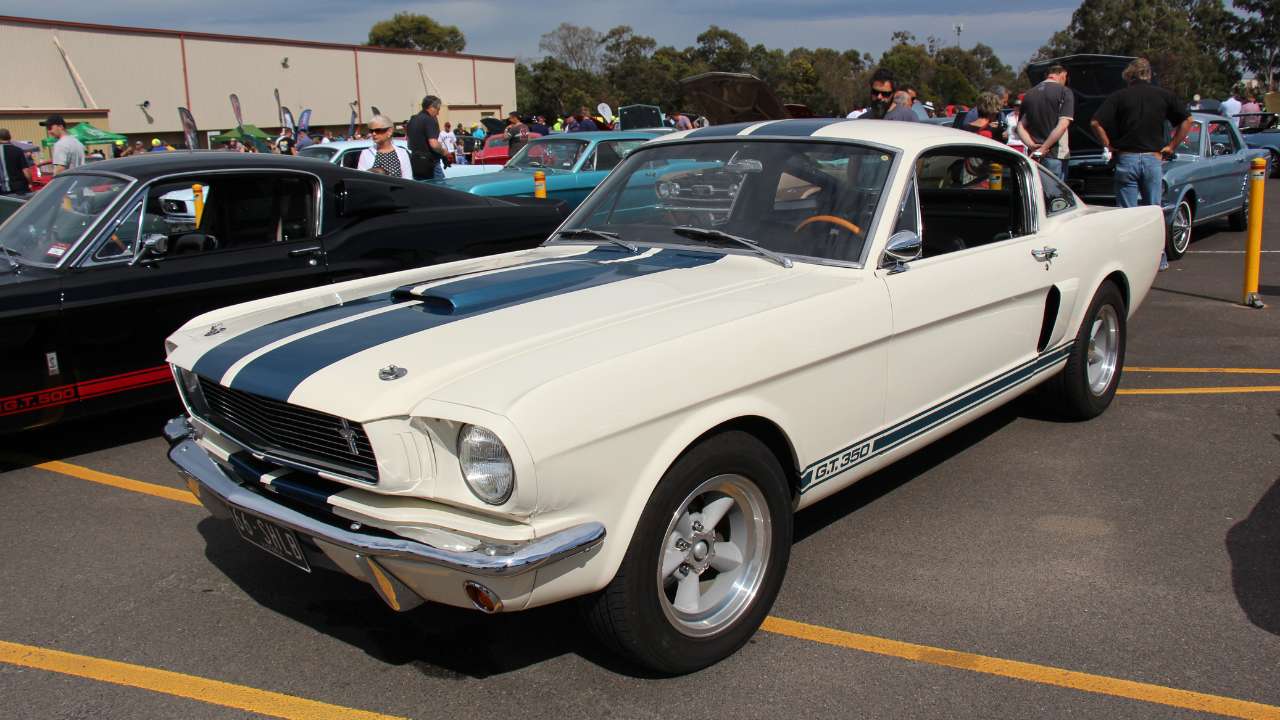
The 1966 Shelby GT350 is a testament to Carroll Shelby’s vision of a high-performance Mustang. Designed for racing, it featured a 289 cubic inch V8 engine that produced 306 horsepower, providing thrilling acceleration and handling. The GT350 was stripped down for performance, with lightweight components that enhanced its agility on the racetrack. This model’s distinct racing stripes and Shelby badges set it apart from other Mustangs, making it a favorite among car enthusiasts.
Its success in racing led to a strong following, and today, the GT350 is highly sought after by collectors. The combination of exclusivity and performance has solidified its status as an iconic muscle car. The legacy of the GT350 continues to influence modern muscle car design, ensuring that Shelby’s impact on the automotive world remains profound. For a deeper understanding of the GT350’s history, I suggest looking into various automotive history resources.
1970 Buick GSX
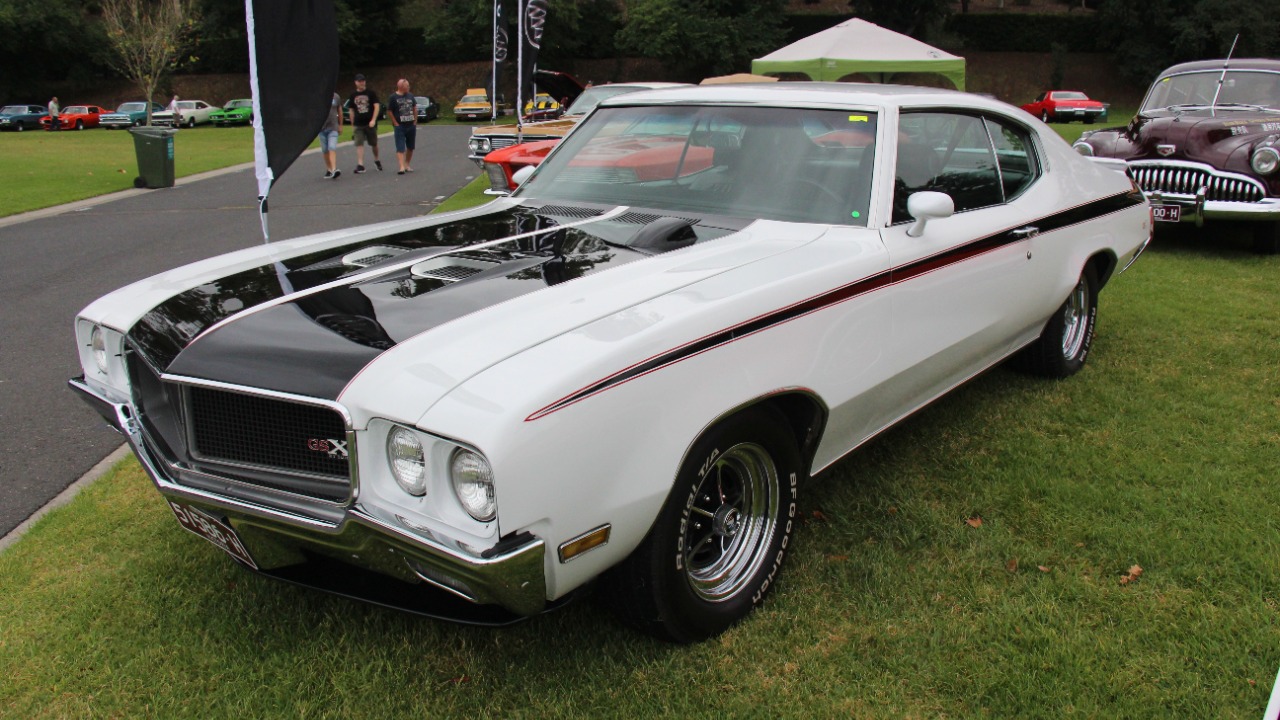
The 1970 Buick GSX is often hailed as one of the most underrated muscle cars of its era. With a massive 455 cubic inch V8 engine capable of producing 510 lb-ft of torque, it offered incredible power for both street and strip use. The GSX was designed for performance, featuring a heavy-duty suspension and unique styling elements, such as distinctive stripes and a bold front grille. Its commitment to power and handling made it a serious contender in the muscle car market.
Only a limited number of GSXs were produced, contributing to its status as a collector’s item. Enthusiasts appreciate its blend of luxury and performance, which set it apart from its competitors. The GSX’s rarity and power have made it increasingly sought after, with prices rising at auctions. If you’re interested in learning more about this remarkable vehicle, various car enthusiast communities often feature discussions and showcases of the GSX and its legacy.
1973 Pontiac Firebird Trans Am
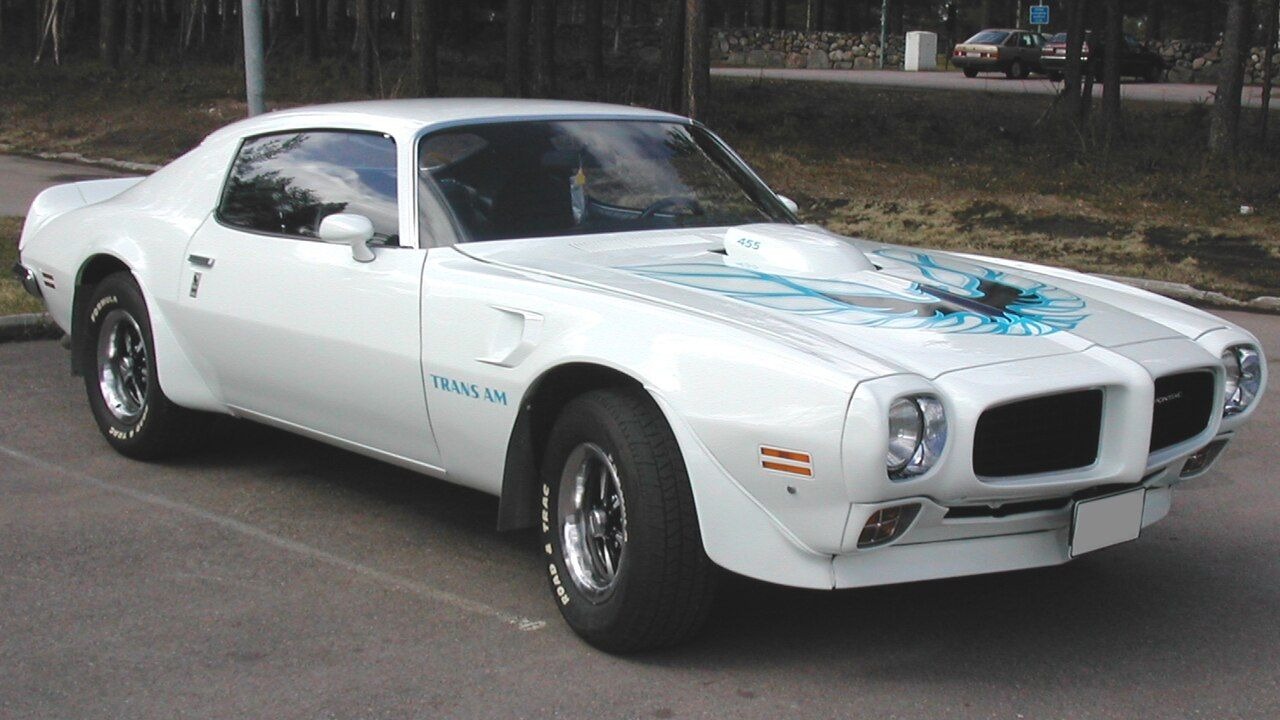
The 1973 Pontiac Firebird Trans Am is a classic representation of the muscle car ethos, combining style and performance in an unforgettable package. Powered by a robust 455 cubic inch V8 engine that produced 250 horsepower, this model was known for its aggressive stance and performance capabilities. The Trans Am featured bold graphics, a distinctive front end, and a rear spoiler that not only added to its aesthetic appeal but also improved aerodynamics. It was a true embodiment of the muscle car spirit, appealing to drivers who craved both speed and style.
Despite the oil crisis and increasing regulations of the time, the Firebird Trans Am maintained its status as a performance vehicle, adapting to the changing automotive landscape. Its legacy continues in the modern muscle car scene, with a dedicated following that appreciates its history and performance. The Trans Am remains a popular choice among collectors and enthusiasts alike, ensuring its place in automotive history is celebrated for years to come.
More from Fast Lane Only
- Unboxing the WWII Jeep in a Crate
- 15 rare Chevys collectors are quietly buying
- 10 underrated V8s still worth hunting down
- Police notice this before you even roll window down
*Research for this article included AI assistance, with all final content reviewed by human editors.