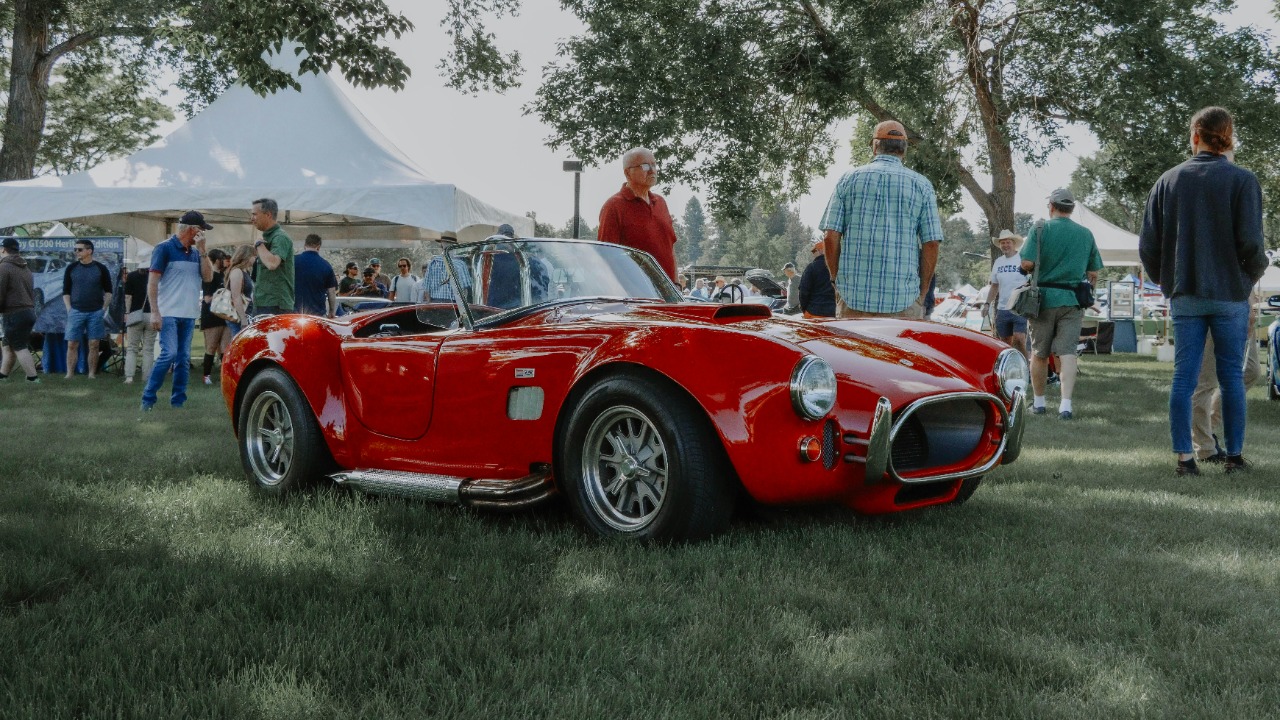
Classic cars have long captured the imagination of automotive enthusiasts, not just for their nostalgic appeal but also for their impressive performance on the road. Many vintage models have surprised drivers with their power, handling, and speed, often outshining their more modern counterparts. Here’s a look at 11 classic cars that have left an indelible mark in the automotive world due to their unexpected performance capabilities.
1955 Chevrolet Bel Air
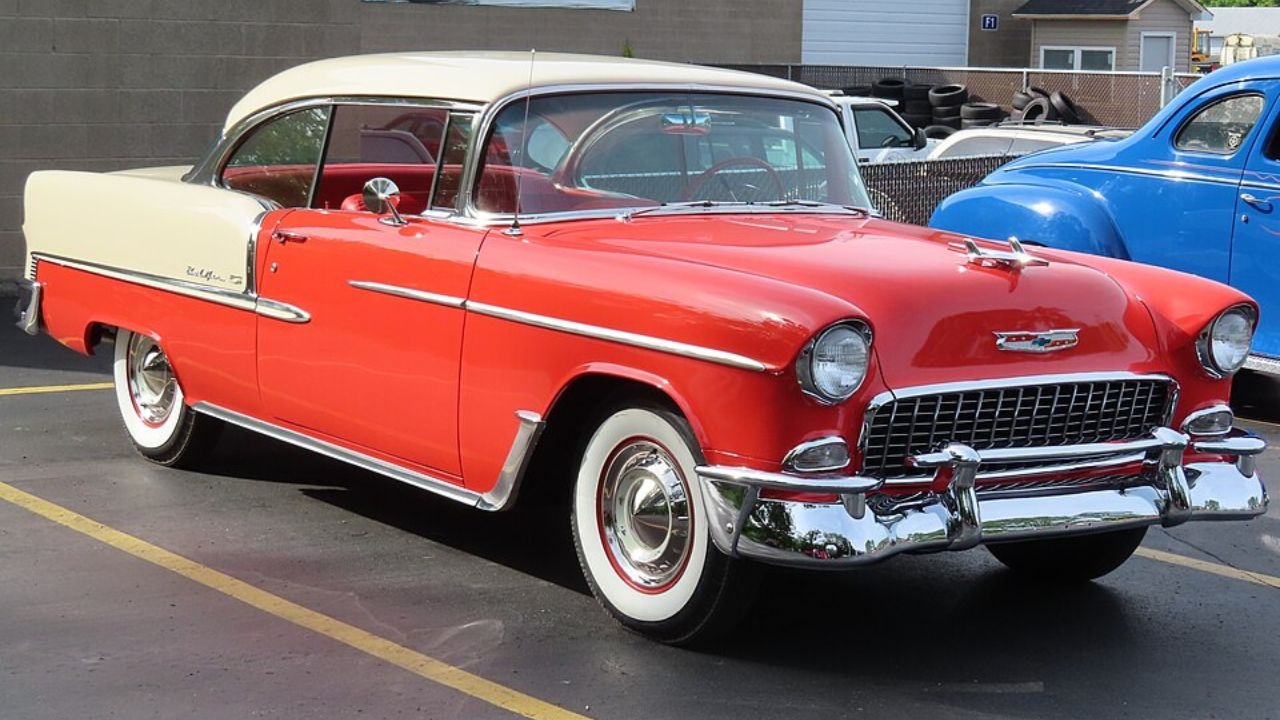
The 1955 Chevrolet Bel Air is often celebrated for its stylish design, but what truly sets it apart is its surprising performance. Under the hood, the Bel Air initially featured a 265 cubic-inch V8 engine, producing 162 horsepower. This was a game-changer for the era, allowing the car to accelerate with surprising agility. As drivers took to the streets, many were amazed by the car’s responsive handling and smooth ride. With its chrome accents and vibrant color options, the Bel Air was not just a pretty face; it delivered a driving experience that has stood the test of time.
Later models, particularly those equipped with the dual-carburetor option, could produce up to 195 horsepower, further enhancing the performance. This blend of power and style contributed to the Bel Air’s status as an American icon. Its legacy continues, with collectors and enthusiasts often praising its balance of elegance and performance. You can explore more about classic cars that have made significant impacts in racing and everyday driving on various automotive platforms, like Super Dirt Car Series.
1969 Ford Mustang Mach 1

The 1969 Ford Mustang Mach 1 was designed to be a performance-oriented version of the already iconic Mustang. With a range of powerful engine options, including the 351 cubic-inch Windsor V8 and the mighty 428 Cobra Jet, the Mach 1 quickly earned a reputation for speed. This classic muscle car could go from 0 to 60 mph in just over six seconds, a remarkable feat for its time. The combination of aggressive styling and performance made it a favorite among car enthusiasts, with many surprised by its ability to handle tight corners and steep inclines.
What’s even more impressive is the Mach 1’s ability to blend performance with everyday usability. It was not just a track machine; it could comfortably serve as a daily driver. The unique Ram Air induction system and suspension upgrades set it apart from its peers, making it a standout choice in the muscle car market. For those looking to delve deeper into the history and specifications of classic performance cars, check out resources like SAGE Journals.
1970 Dodge Challenger R/T

The 1970 Dodge Challenger R/T was a fierce competitor in the muscle car segment, boasting a lineup of powerful engines that would leave many drivers in awe. With options like the 426 Hemi and 440 cubic-inch V8, the Challenger R/T could produce upwards of 425 horsepower. This raw power translated into exhilarating straight-line speed that surprised many behind the wheel. The car’s distinct styling, featuring wide body lines and a bold front grille, only added to its allure, making it a favorite at drag strips across America.
It’s worth noting that the Challenger R/T was not just about speed; it also offered a comfortable ride, making it suitable for everyday driving. The well-balanced chassis and responsive steering made it a pleasure to drive on the open road. Its performance legacy continues today, with many enthusiasts celebrating its place in automotive history. For those interested in future classic car investments, resources like Hagerty provide insights into what makes certain models worth considering.
1967 Jaguar E-Type

Considered by many as one of the most beautiful cars ever made, the 1967 Jaguar E-Type surprised drivers with its remarkable performance capabilities. Sporting a 4.2-liter inline-six engine, it produced 265 horsepower, allowing it to reach a top speed of 150 mph. The E-Type was not just about looks; its lightweight construction and aerodynamic design made it a formidable contender on the racetrack, with drivers often astonished by its agility and speed. Many found it surprising that such a stylish car could deliver such thrilling performance.
Beyond its speed, the E-Type offered a driving experience characterized by precision and control. The independent suspension system provided excellent handling, making it a favorite among those who appreciated the art of driving. Its legacy continues in the classic car community, where it remains a sought-after model for collectors and enthusiasts alike. If you’re interested in learning more about performance cars that have left a mark on motorsport, consider checking out this insightful YouTube video.
1971 BMW 3.0 CSL
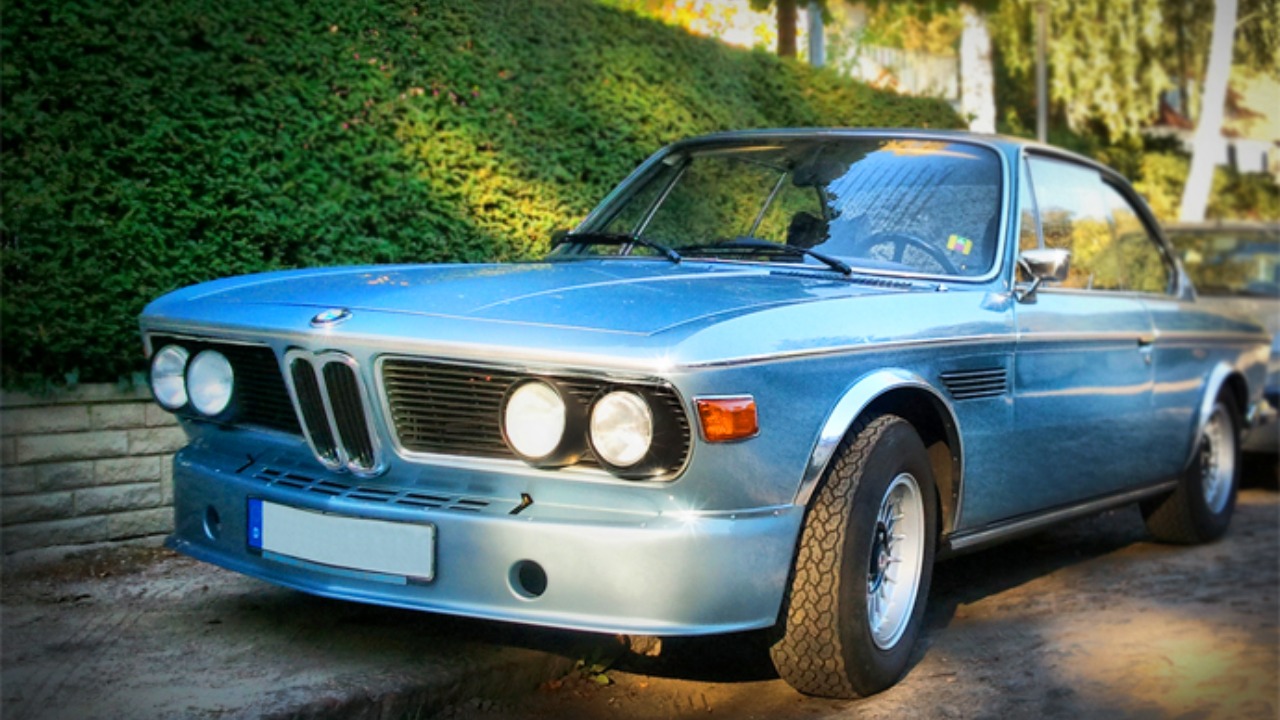
The 1971 BMW 3.0 CSL is often revered as the ultimate expression of the brand’s performance ethos during the early ’70s. Known as the “Batmobile” for its distinctive aerodynamic enhancements, this car was designed for racing but also offered a thrilling driving experience on the road. With a 3.0-liter inline-six engine producing 200 horsepower, the 3.0 CSL could sprint from 0 to 60 mph in under seven seconds. Its lightweight construction and advanced engineering made it a surprising performer, especially when compared to other vehicles of its time.
What set the 3.0 CSL apart was its perfect blend of luxury and performance. The interior was designed for comfort, featuring high-quality materials and advanced technology for the era. On the track, it was a force to be reckoned with, dominating European racing circuits. Collectors seek out the 3.0 CSL for its rich racing heritage and performance pedigree, making it a prized possession for many. To explore the impact of classic cars in the automotive realm, check out publications that delve into their history and influence.
1968 Pontiac GTO

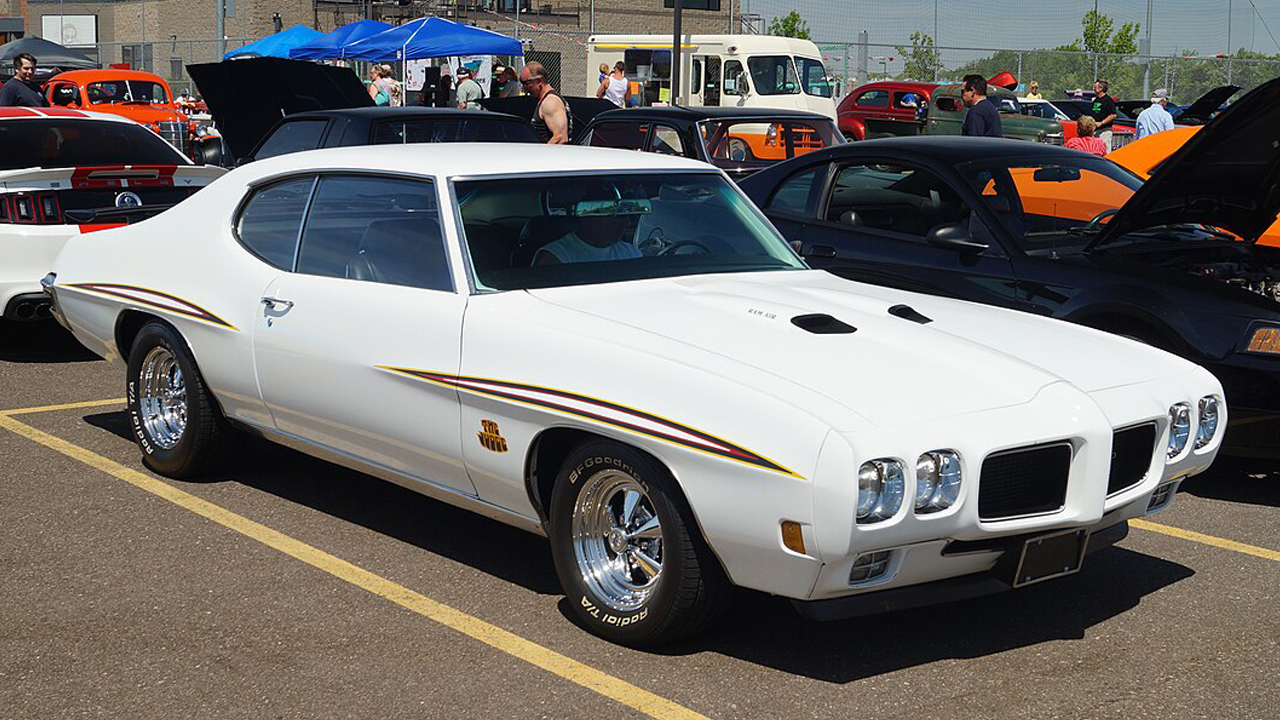
Often hailed as the original muscle car, the 1968 Pontiac GTO continues to surprise drivers with its powerful performance. Equipped with a 400 cubic-inch V8 engine producing 360 horsepower, the GTO could accelerate swiftly, solidifying its status as a performance icon. The car’s bold styling and aggressive stance made it a visual standout, but it was the driving experience that left many enthusiasts in awe. From its throaty roar to its impressive torque, the GTO represented the epitome of American muscle.
The 1968 model offered a range of performance options, including the Ram Air package, which further enhanced its capabilities. Drivers often found themselves thrilled by its responsiveness and ability to handle various driving conditions. Even today, the GTO remains a favorite among collectors and muscle car aficionados, celebrated for its rich history and performance legacy. For those curious about the evolution of classic cars and their significance in automotive culture, there’s a wealth of information available in automotive history archives.
1973 Porsche 911 Carrera RS

The 1973 Porsche 911 Carrera RS is often regarded as a benchmark for performance in the sports car segment. With a lightweight design and a powerful 2.7-liter flat-six engine producing 210 horsepower, this model surprised many with its remarkable agility and speed. Capable of reaching 0 to 60 mph in under six seconds, the Carrera RS was not just a pretty face; it was engineered for performance, with a focus on handling and driver engagement that left a lasting impression.
The car’s unique design features, such as the iconic “ducktail” spoiler, not only enhanced its aesthetics but also contributed to improved aerodynamics. Drivers often rave about the visceral experience of driving a Carrera RS, with its precise steering and thrilling roadholding. This model has become a sought-after classic, celebrated for its racing pedigree and performance legacy that continues to inspire new generations of sports cars. For further insights into performance vehicles, consider exploring various automotive publications and websites.
1966 Shelby Cobra 427
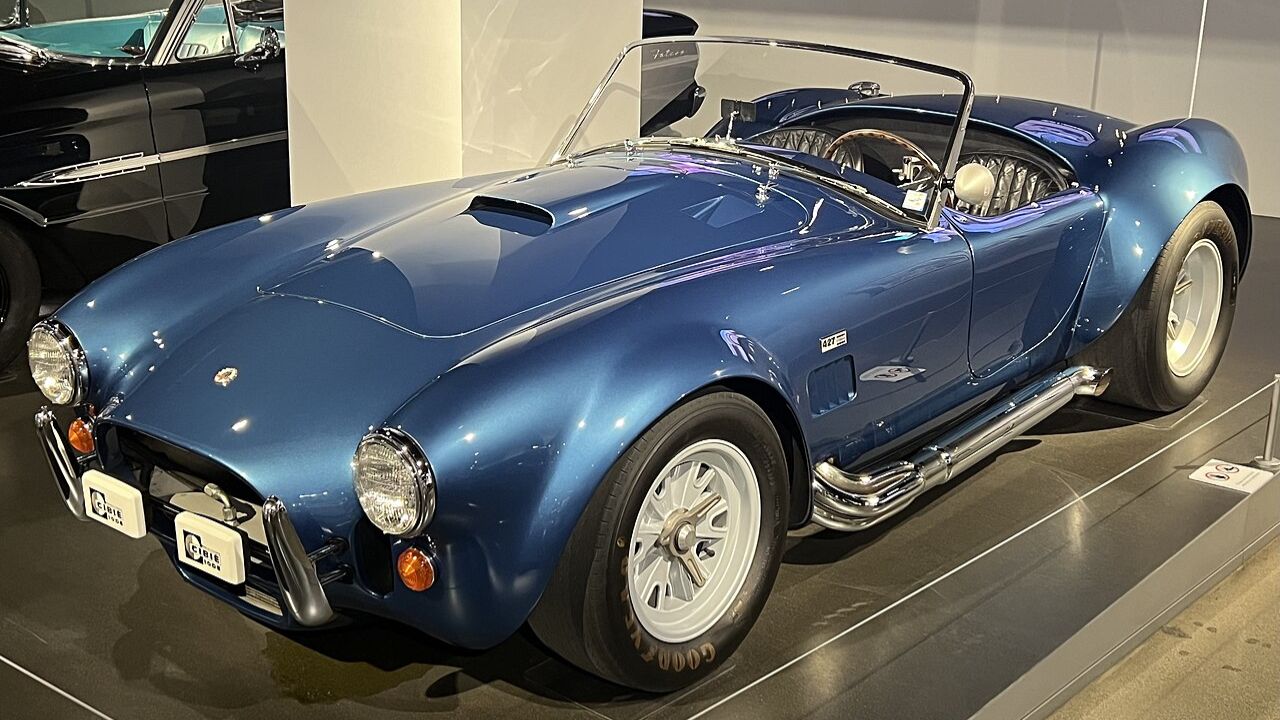
The 1966 Shelby Cobra 427 is a true legend in the automotive world, known for its astonishing performance and raw power. With a 7.0-liter V8 engine that could produce over 400 horsepower, this car was designed for speed. Weighing in at a mere 2,500 pounds, the Cobra had an incredible power-to-weight ratio, allowing it to go from 0 to 60 mph in just over four seconds, which was nothing short of revolutionary for its time. Its lightweight body and aggressive stance made it a favorite among thrill-seekers.
What set the Cobra apart from its contemporaries was its racing pedigree; it was built to dominate both on the street and the racetrack. The combination of a powerful engine, responsive handling, and a minimalist design created an exhilarating driving experience. Even today, the Shelby Cobra remains a symbol of high-performance American muscle, captivating enthusiasts and collectors alike. For those looking to appreciate the history of performance cars, numerous documentaries and articles delve into the legacy of the Cobra and its impact on motorsport.
1970 Mercury Cougar Eliminator
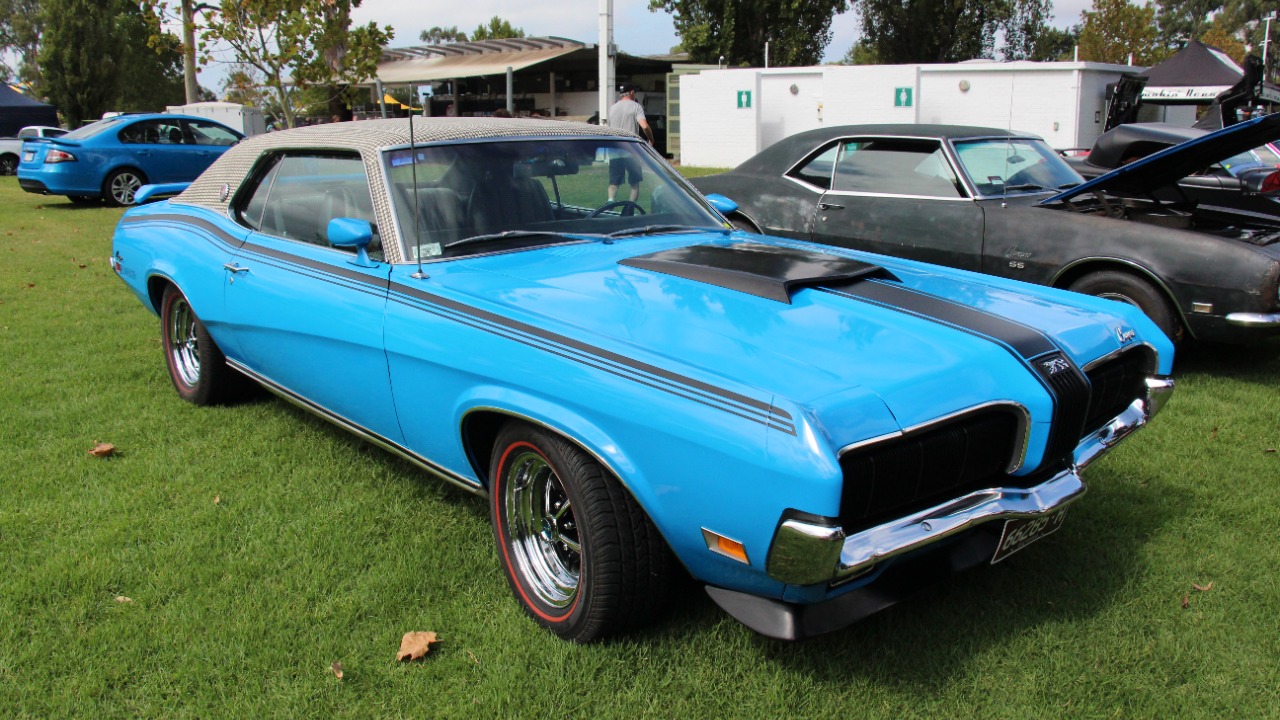
The 1970 Mercury Cougar Eliminator was a performance-oriented version of the standard Cougar, equipped with a range of powerful engine options, including the 351 cubic-inch V8 and the monstrous 428 Cobra Jet. With a design that blended sleek lines and aggressive styling, the Eliminator surprised many drivers with its performance credentials. Capable of delivering a thrilling driving experience, it became a popular choice for those seeking power and style in one package. The Eliminator was all about performance, with features that enhanced its handling and responsiveness.
Many enthusiasts were taken aback by its ability to compete with other muscle cars of the time, often outperforming rivals in both speed and handling. The car’s unique combination of luxury and performance made it a standout in the market. Even today, the Eliminator is a cherished classic, with collectors appreciating its rarity and performance capabilities. For those interested in the evolution of American muscle cars, various automotive magazines and online resources provide detailed insights into models like the Cougar Eliminator.
1982 DeLorean DMC-12
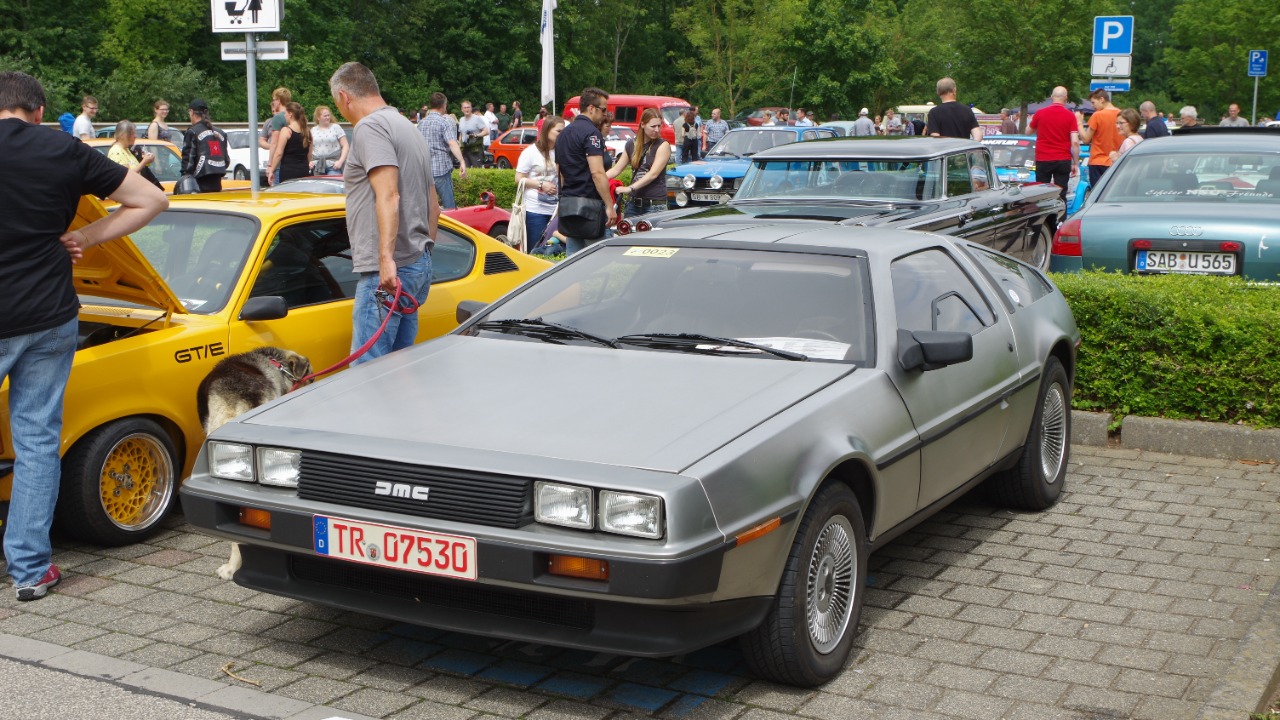
The 1982 DeLorean DMC-12 is perhaps best known for its unique design and its role in the “Back to the Future” film franchise. However, beneath its iconic gull-wing doors and stainless steel body, the DMC-12 surprised many with its performance. Powered by a 2.85-liter V6 engine, it was capable of producing 130 horsepower, which allowed it to achieve a respectable top speed of around 130 mph. While not the fastest car of its time, its striking design and engineering made it a notable entry in the world of classic cars.
What truly sets the DeLorean apart is its cultural impact and the innovative engineering that went into its design. The car featured a rear-engine layout and a unique fiberglass underbody, which contributed to its lightweight construction. Despite facing challenges during production, the DMC-12 has garnered a loyal following, with enthusiasts celebrating its unique place in automotive history. For those interested in the impact of classic cars on popular culture, various documentaries and articles explore the DeLorean’s legacy.
1974 Ferrari Dino 246 GT
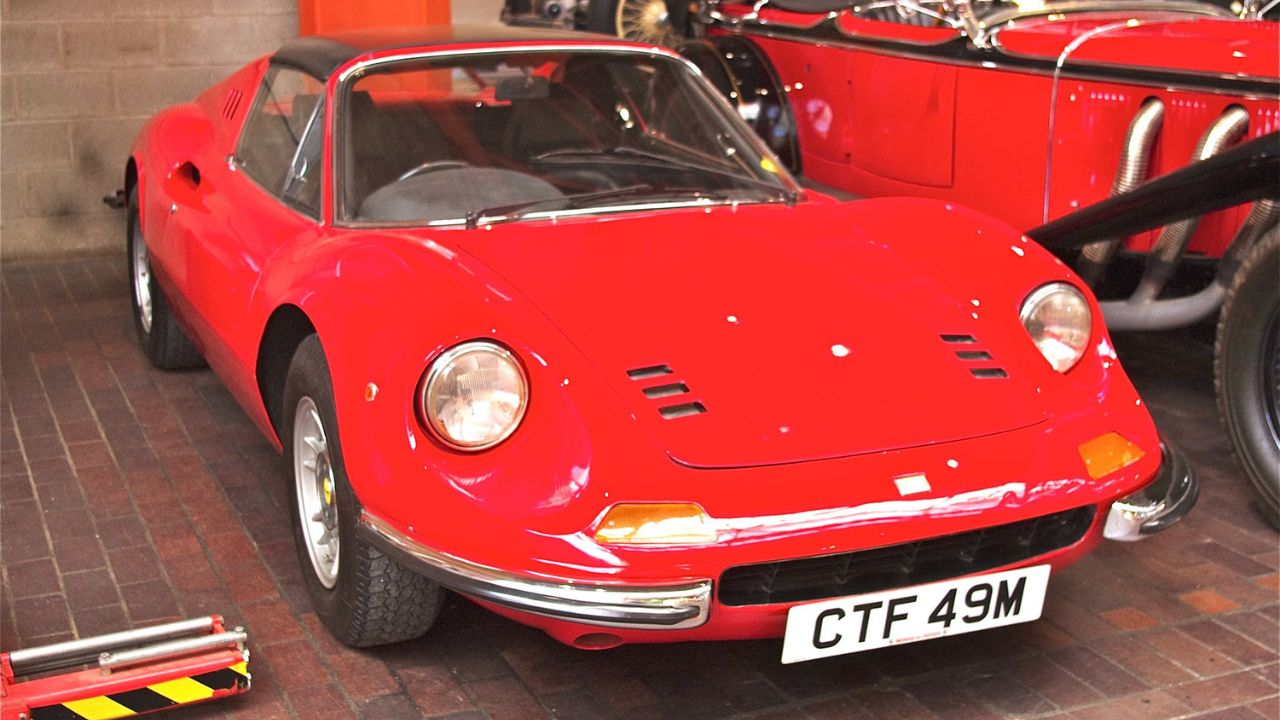
The 1974 Ferrari Dino 246 GT is not just a beautiful sports car; it is also a testament to performance engineering. Featuring a 2.4-liter V6 engine that produced 195 horsepower, the Dino surprised many with its agile handling and exhilarating speed. Capable of reaching 0 to 60 mph in just under seven seconds, it was a remarkable achievement for a car of its size. The Dino’s mid-engine layout provided excellent balance, making it a favorite among driving purists who appreciated its responsiveness and road feel.
With its stunning lines and a design that emphasized aerodynamics, the Ferrari Dino became a symbol of Italian automotive craftsmanship. Its legacy endures in the classic car community, where it is celebrated for its performance and elegance. Collectors often seek out the Dino for its rarity and historical significance within the Ferrari lineup. For those looking to dive deeper into the world of classic performance cars, various resources offer extensive information on models like the Dino and their impact on automotive history.
More from Fast Lane Only
- Unboxing the WWII Jeep in a Crate
- 15 rare Chevys collectors are quietly buying
- 10 underrated V8s still worth hunting down
- Police notice this before you even roll window down
*Research for this article included AI assistance, with all final content reviewed by human editors.