The classic Ford engine in question has often been underrated by enthusiasts and experts alike, yet it consistently outperformed expectations on the street. This engine, with its rich history and remarkable performance, deserves a closer examination to understand why it has left such a lasting impression on automotive culture.
Overview of the Ford Engine in Focus
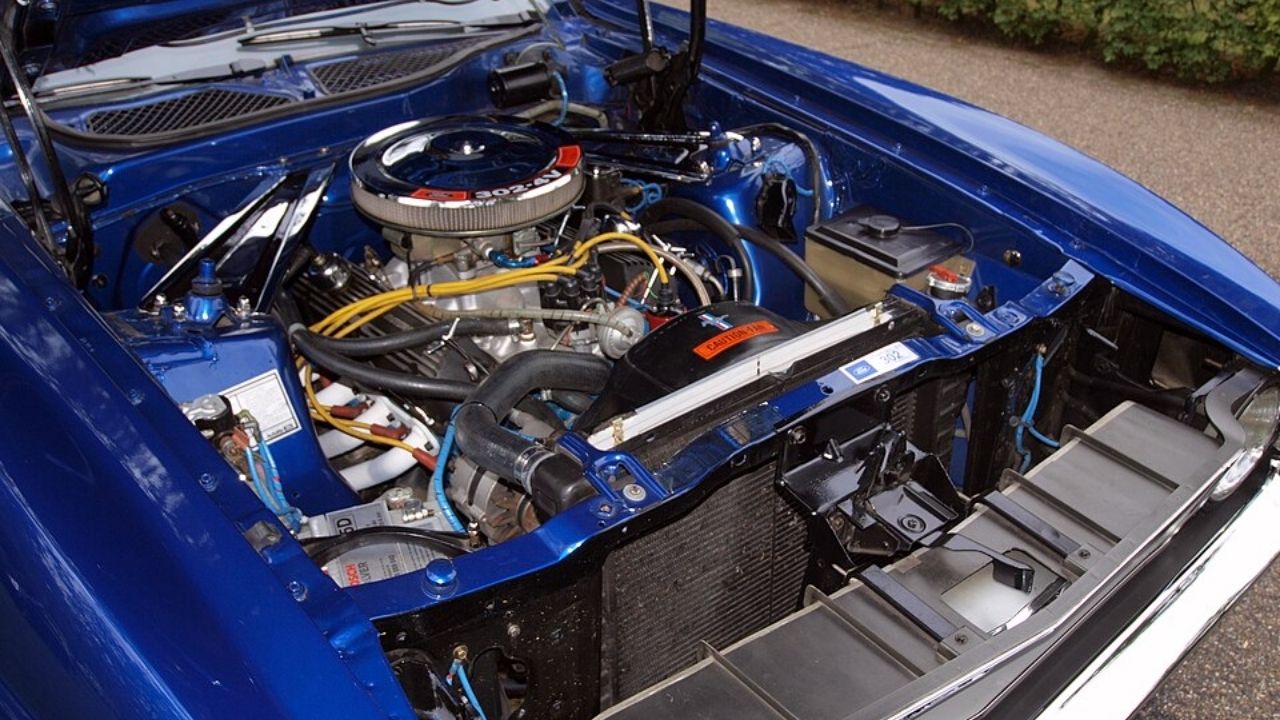
The engine that has captured the attention of enthusiasts is none other than the Ford 302 V8. Introduced in 1968, this engine was designed to offer a balance of performance and reliability. With a displacement of 5.0 liters, the 302 was a versatile powerplant that could be found in various Ford models, including the iconic Mustang and F-150. Initially, it was rated at around 220 horsepower, a figure that many considered modest compared to its contemporaries.
When the 302 was developed, Ford was aiming to compete in a market that was rapidly shifting towards more powerful engines. The muscle car era was in full swing, and the competition from GM and Chrysler was fierce. Despite its less-than-stellar initial reception, the engine’s design allowed it to adapt and thrive in a variety of applications, from everyday commuting to spirited driving on weekends.
Engine Specifications and Features
The Ford 302 V8 boasts impressive specifications, including a bore and stroke of 4.00 inches and 3.00 inches, respectively. With a compression ratio of 9.0:1, it produces around 240 lb-ft of torque at 3,000 RPM. What sets the 302 apart from its rivals is its lightweight design and unique features, such as an aluminum intake manifold in some versions, which helped reduce weight and improve performance. These elements contributed to the engine’s reputation for being both lively and responsive.
When compared to other engines of the same era, such as the Chevrolet 350 or the Chrysler 318, the 302 holds its ground despite being rated lower in terms of horsepower. Its ability to rev freely and deliver power smoothly made it a favorite among drivers. Additionally, the engine’s aftermarket support has allowed it to be modified extensively, enabling enthusiasts to extract even more performance from it over the years.
Performance on the Street
Real-world performance metrics reveal that the Ford 302 V8 consistently outperformed its initial ratings. Many drivers report that the engine feels much more powerful than its rated horsepower would suggest, especially in lighter vehicles. For example, when equipped in the 1970 Mustang, the 302 provided a thrilling driving experience, allowing for quick acceleration and confident handling. Owners frequently share anecdotes of their experiences, highlighting the engine’s snappy throttle response and reliability during spirited drives.
Whether tackling city streets, cruising on the highway, or taking on winding roads, the 302 has proven itself to be a versatile performer. Many enthusiasts have taken their cars to the track, where the engine’s responsiveness and torque curve shine. Drivers report that the 302 feels at home on both the open road and in stop-and-go traffic, making it an ideal choice for those who value a balance of performance and everyday usability.
Technical Innovations and Engineering
The Ford 302 V8 is notable for several engineering innovations that have contributed to its enduring performance. One of the key features is its robust block design, which enhances durability and reduces the likelihood of engine failure. Additionally, the engine’s design incorporates features such as a crossflow cylinder head, which improves airflow and combustion efficiency, ultimately leading to better performance.
Advancements in technology also played a crucial role in the 302’s success. The introduction of electronic ignition systems in the late 1970s further improved reliability and performance. These innovations allowed the engine to maintain its reputation as a dependable power source, even as other manufacturers struggled to keep up with rising emissions regulations and changing consumer preferences.
Comparison with Other Notable Ford Engines
When discussing the Ford 302, it’s essential to consider its place among other iconic Ford engines, such as the 351 Cleveland and the legendary 427 SOHC Cammer V8. Each of these engines has its strengths and weaknesses, but the 302 stands out for its versatility. While the 427 was designed for high-performance applications, the 302 found its way into a broader range of vehicles, making it more accessible to everyday drivers.
In terms of performance, the 351 Cleveland offered more horsepower, but it often came at the cost of weight and complexity. The 302, on the other hand, delivered a lightweight, easy-to-work-on engine that became a favorite among builders and modifiers. Its legacy is marked by its ability to adapt to various tuning and performance needs, making it a cornerstone of Ford’s engine lineup.
The Engine’s Cultural Impact
The Ford 302 V8 has left an indelible mark on automotive culture, with numerous appearances in movies and television shows. From classic car commercials to high-octane action films, this engine has become synonymous with American muscle. Enthusiasts often share their passion for the 302 on platforms like Facebook and forums, where they discuss modifications, restorations, and their experiences behind the wheel.
The community surrounding the 302 is vibrant, with countless clubs and online groups dedicated to celebrating this engine’s legacy. Owners often share stories of their journeys restoring vehicles equipped with the 302, showcasing the engine’s adaptability and potential for performance enhancements. These narratives contribute to the engine’s enduring popularity and cultural significance in the automotive world.
Longevity and Reliability
The Ford 302 V8 is celebrated for its durability, with many engines still running strong decades after they were first produced. Mechanics and long-term owners frequently testify to the engine’s reliability, with many reporting that they have had minimal issues over the years. This reputation for dependability can be attributed to its robust construction and straightforward design, which makes repairs and maintenance manageable for DIY enthusiasts.
Furthermore, the ease of finding replacement parts and aftermarket support has contributed to the 302’s longevity. Many owners have successfully rebuilt their engines, often taking the opportunity to upgrade components for improved performance. This culture of restoration and modification ensures that the Ford 302 remains a popular choice among classic car enthusiasts.
Modern Perceptions and Misconceptions
Despite its storied past, there are still common misconceptions surrounding the Ford 302’s performance and reliability. Some enthusiasts believe the engine lacks the power of contemporary engines, but this perception often fails to account for the potential of modern tuning and modifications. In fact, with the right upgrades, the 302 can rival modern engines in terms of horsepower and torque, making it a viable option for performance-oriented builds.
Moreover, as automotive technology evolves, many are beginning to recognize the unique character and charm of classic engines like the 302. The simplicity of its design allows for straightforward repairs and modifications, which is often lost in the complexity of modern engines. As a result, enthusiasts are increasingly appreciating the Ford 302 for its blend of nostalgia and performance, leading to a resurgence in interest among younger generations.
Future of the Classic Ford Engine
As the classic car market continues to evolve, the Ford 302 V8 remains a sought-after engine among collectors and enthusiasts. The demand for classic cars featuring this iconic engine has seen a resurgence, with many individuals seeking to restore or modify their vehicles to recapture the spirit of the muscle car era. This trend is supported by a growing aftermarket industry that provides parts and performance upgrades for the 302, ensuring its place in the hearts of car enthusiasts.
Looking ahead, the legacy of the Ford 302 is likely to endure, as more people discover its unique blend of performance, reliability, and cultural significance. Whether it’s through restoration projects or spirited weekend drives, the 302 will continue to captivate automotive enthusiasts for generations to come, solidifying its status as a classic engine that truly delivers more than its initial ratings suggest.
More from Fast Lane Only