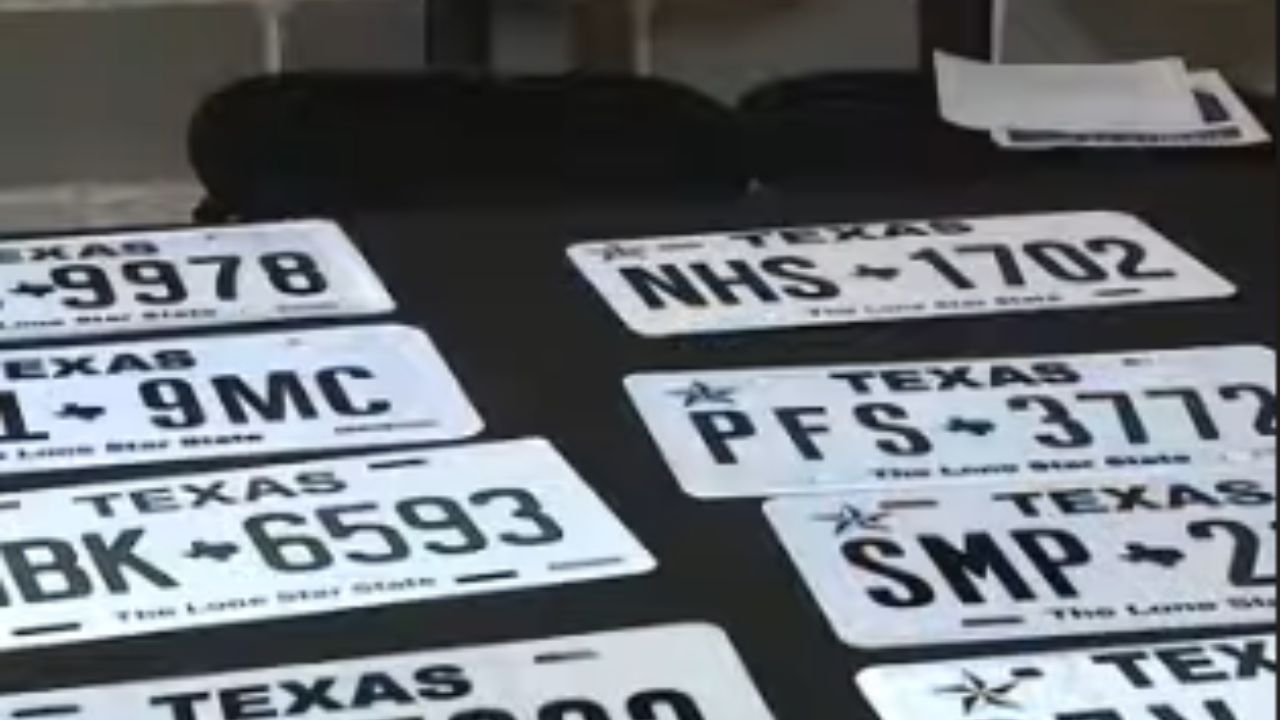
Texas set out to shut down a booming black market in temporary paper tags, only to watch criminals pivot almost overnight to counterfeit metal plates that look and feel real. You now live in a state where a car can glide past you on the freeway with a plate that appears legitimate, yet is tied to a stolen vehicle, a fake identity, or no record at all. The war on vehicle fraud has not ended, it has simply moved to a more sophisticated front.
As you navigate that reality, the stakes are not abstract. Fake plates shape how safely you can drive, how much you pay for insurance, and whether police can quickly trace a hit‑and‑run or carjacking. The same policy shift that was supposed to clean up the roads has opened a new lane for fraudsters who are now exploiting gaps in technology, enforcement, and basic consumer awareness.
From paper tags to metal fakes: how Texas got here
To understand why you are suddenly hearing about bogus metal plates, you have to start with the paper tag crisis that engulfed Texas in recent years. A sprawling investigation, branded Paper Tag Nation, documented how sham dealerships were pumping out temporary tags by the tens of thousands, then selling them to drivers who wanted anonymity or to organized theft rings. The head of the Texas Department of was forced to defend the agency as reporters detailed how lax oversight let criminals reap huge illicit profits.
Lawmakers responded with House Bill 718, a sweeping measure that effectively killed most temporary paper tags and replaced them with new metal plates that dealers must issue at the point of sale. Under HB 718, you no longer leave a dealership with a flimsy paper rectangle taped to your bumper, you leave with a permanent plate that is supposed to be harder to forge and easier for police to track. Since the beginning of July 2025, most temporary tags have been replaced by these metal versions with colored strips and barcodes, a shift that state officials promoted as a turning point in the fight against fraud.
How counterfeit metal plates work in the real world
Criminals did not need long to adapt. As Since the metal rollout, investigators say fraudsters have shifted to high quality replicas that mimic the new design, right down to the reflective coating and embossed numbers. Some plates are cloned from real vehicles, so when an officer runs the number, it comes back to a completely different car. Others are fabricated from scratch, then paired with bogus registration documents that can fool routine title checks. The result is a shadow fleet of vehicles that look fully legal until you dig into the data.
For you, that means the car tailgating you on Interstate 35 might be wearing a plate that was never issued by the state at all. Reports describe Texas Police saying stolen SUVs and pickups are now routinely outfitted with these counterfeits to avoid detection while running drugs, committing robberies, or simply evading tolls. At a glance, the plates look indistinguishable from the real thing, which is exactly the point.
Why enforcement is struggling to keep up
On paper, the state has given law enforcement more tools to spot fraud. The Texas License Plates walks officers through the fonts, holograms, and security features that should appear on legitimate tags. The Texas Department of has also tightened dealer access to its registration systems after the paper tag debacle. Yet when a fake metal plate is cloned from a real one, even a well trained officer with a guidebook is at a disadvantage, because the number itself checks out in the database.
That gap has real safety consequences. According to Fake Metal License, officers who rely on accurate plate data during traffic stops are now walking up to vehicles with less certainty about who is behind the wheel. The same report notes that the surge in counterfeits has disrupted routine title and registration checks, slowing down everything from insurance claims to auto theft investigations. When you file a report after a crash or a theft, the first thing investigators do is run the plate, and that foundational step is now less reliable.
The social media alarm and what it tells you
Public awareness of the problem has not come from official press conferences so much as from viral posts. What started as an MVCPA warning about license plate fraud quickly turned into a statewide conversation as drivers shared photos of suspicious tags and near misses with reckless motorists. A follow up post, framed around What the agency called a larger conversation across Texas, urged you to treat suspicious plates as a public safety issue, not just a bureaucratic glitch. That kind of messaging matters because it shifts responsibility from agencies alone to a broader community watch.
Local TV stations have amplified the alarm, telling viewers that Texas got rid of paper tags and now fraudsters are using fake metal plates instead. One segment focused on the Misuse of replica plates and warned that buyers of used cars need to be especially cautious when they do title verifications. Another outlet in Houston echoed that Texas got rid of paper tags, but now the issue has moved to metal plates, underscoring that the policy fix has not eliminated the underlying demand for anonymity on the road.
Warnings that went unheeded
What may frustrate you most is that some of these problems were predicted. Who knew that criminals would simply move from paper to metal? The Texas Auto Dealer’s Association did. The group warned more than a year before the ban that eliminating paper tags without fully securing the metal plate supply chain would not always solve the problem. That caution, highlighted again in Texas Auto Dealer Association coverage, now reads less like hindsight and more like a missed opportunity to design a more robust system from the start.
Even as the state celebrated the end of paper tags, investigative reporters kept documenting how counterfeiters were already experimenting with metal. A follow up to Rece in the Paper Tag Nation series showed how some of the same networks that once sold bogus paper were now selling counterfeit metal temporary plates. When you see that pattern, it becomes clear that the core issue is not the material of the tag, it is the ease with which bad actors can tap into official systems or mimic them convincingly enough to fool a quick glance.
More from Fast Lane Only