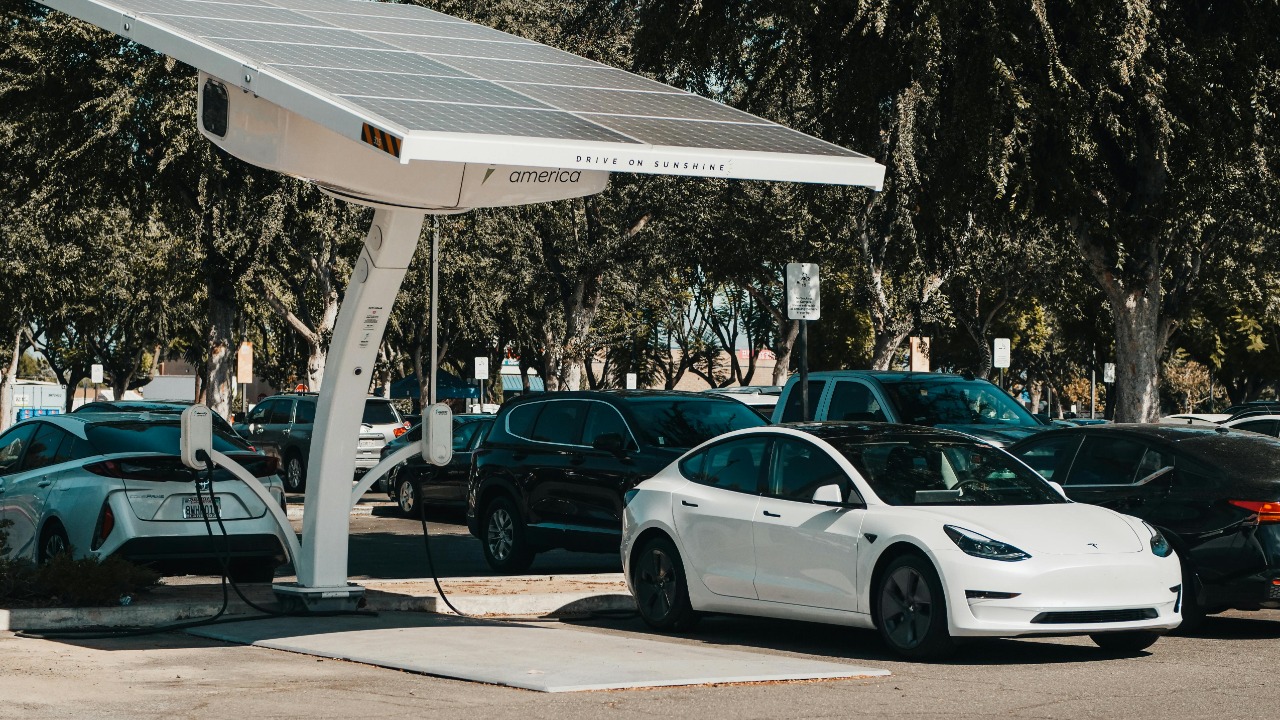
Electric cars have quietly proved tougher than many early skeptics expected, yet how we charge them still makes a big difference to how long their batteries stay healthy. The latest real world data shows that using the highest power rapid chargers all the time can push degradation to roughly double the rate seen with gentler habits, even as overall battery performance remains solid. Put simply, if I treat every stop like a pit lane sprint, I am paying for that convenience in hidden wear that only shows up years later in lost range.
That does not mean I should fear every fast charge. The emerging picture is more nuanced, with researchers pointing to charging power, heat and state of charge as the real culprits rather than the mere presence of a DC plug. The challenge for drivers, and for the industry, is to keep the speed that makes electric vehicles practical while dialing back the specific patterns that quietly accelerate damage.
What the new data actually shows about “double” degradation
The most striking finding comes from large scale telematics that track how batteries age in the wild, not just in labs. One analysis of New Geotab data reports that average annual capacity loss across a broad EV fleet sits at about 2.3% a year, a figure that should reassure anyone worried their car will be a brick in five years. Yet when researchers split vehicles by how often they rely on high power DC charging, they see that the heaviest users can experience degradation rates up to roughly twice that baseline, especially when they combine rapid charging with other stressors like frequent deep discharges.
That pattern is echoed in separate reporting that notes how Electric car batteries generally degrade more slowly than drivers fear, but regular rapid charging can double the rate of decline compared with more moderate habits. Another breakdown of the same telematics set explains that High power DC fast charging over 100 k (kilowatts) emerged as the single largest operational stressor, especially when drivers plug in at very low or very high states of charge. In other words, the “2x” problem is not about owning a car that supports fast charging, it is about leaning on the most aggressive charging profiles as a default rather than an exception.
Fast charging is essential, but it is not the only villain
Even as I look at those numbers, I have to keep one thing in mind, fast charging is not optional if electric vehicles are going to replace combustion cars at scale. Guidance aimed at everyday drivers stresses that it is undeniable that rapid charging remains an essential part of the ecosystem, because it lets people top up quickly on long trips without sacrificing too much time, even if there is some impact on capacity in the process. That balance is captured in advice that frames Best practices around using DC stations when they genuinely solve a problem rather than out of habit.
Several analyses go further and argue that the old fear that any DC session is inherently destructive is overstated. One detailed review of charging behavior notes that Debunking the Myth of universal fast charge damage requires looking at how modern battery management systems throttle power as cells warm up or approach full. Another study of real world users found that frequent DC use did not degrade packs any faster than slower methods when temperatures and charge limits were kept in check, a result highlighted in research by Recurrent Auto. The nuance here matters, because it shifts the conversation from “never fast charge” to “fast charge smartly.”
Why high power and heat quietly chew through cells
To understand why nonstop rapid charging can double degradation, I find it useful to zoom in on what is happening inside the battery. At very high charging power, the current flowing into the pack is intense, which creates heat and pushes lithium ions into the anode faster than it can comfortably absorb. Technical explainers describe this as Thermal Overload, where High power generates excessive heat that can damage the electrolyte and, in extreme cases, risk thermal runaway. The same source points to Anode Degradation as another pathway, where repeated high current charging roughens the anode surface and encourages lithium plating, both of which permanently reduce capacity.
Large fleet datasets back up that physics with real numbers. One Untitled telematics project, built on tens of thousands of vehicles, found that Charging power has become the dominant operational factor in how quickly capacity fades, overtaking mileage or calendar age. A separate Geotab analysis of the same pool reports that when drivers combined frequent high power DC use with extreme states of charge, annual degradation reached approximately 3%, compared with the 2.3% average. That gap might sound small in a single year, but over a decade it is the difference between a car that still comfortably covers a commute and one that feels noticeably tired.
How much fast charging is “too much” in daily life
For anyone trying to translate those percentages into daily habits, the message is not to swear off DC plugs, but to treat them like espresso shots rather than a constant drip. Practical guides suggest that Fast charging of up to 22 kW has no measurable detrimental effect on EV batteries when other conditions are good, which means that many AC “fast” posts in cities are relatively gentle. That point is made explicitly in technical notes on Fast charging that distinguish between moderate AC rates and the triple digit kilowatt peaks that really stress cells.
Where I start to flirt with that “2x” degradation is when I rely on the highest power DC units for most of my energy, especially if I arrive nearly empty and insist on charging to full. Real world fleet work shows that Charging patterns that combine high power with very low and very high states of charge correlate with the steepest capacity loss curves. Another breakdown of the same dataset, shared through New Geotab findings, reinforces that vehicles which mix in slower home or workplace charging and avoid living at the extremes of the battery gauge tend to stay closer to that 2.3% annual average, even if they still use DC on road trips.
Simple rules that protect range without giving up speed
The good news is that the habits that tame this hidden damage are simple enough that I can remember them on a sleepy Monday morning. One widely cited guideline is the 20 to 80% rule, which says I should keep my daily charge window between those levels whenever possible. Guidance framed as Simply keeping the battery between 20% and 80% of full capacity describes this as the “green zone” where cells are under the least stress. A separate set of tips for off grid systems echoes that advice, urging users to Charge up to 80% for daily use and only go to 100% when they genuinely need the extra range, while also telling them to Avoid letting the pack sit empty for long periods, guidance that is spelled out in Charge and Avoid recommendations.
Other best practices focus on when and where I plug in. Advice collected under Is DC and While emphasizes using home or workplace AC as the default and saving DC for long journeys or schedule crunches. Another set of Key takeaways spells it out even more bluntly, Fast charging slightly impacts battery life but not much if used occasionally, while Heat and high states of charge are the real enemies. Put together, the message is that I can keep enjoying the convenience of rapid top ups, especially on trips where When I plug into a DC unit I might gain up to 300 kilometres of range in a short stop, as long as I resist the temptation to live at the charger every day.
More from Fast Lane Only