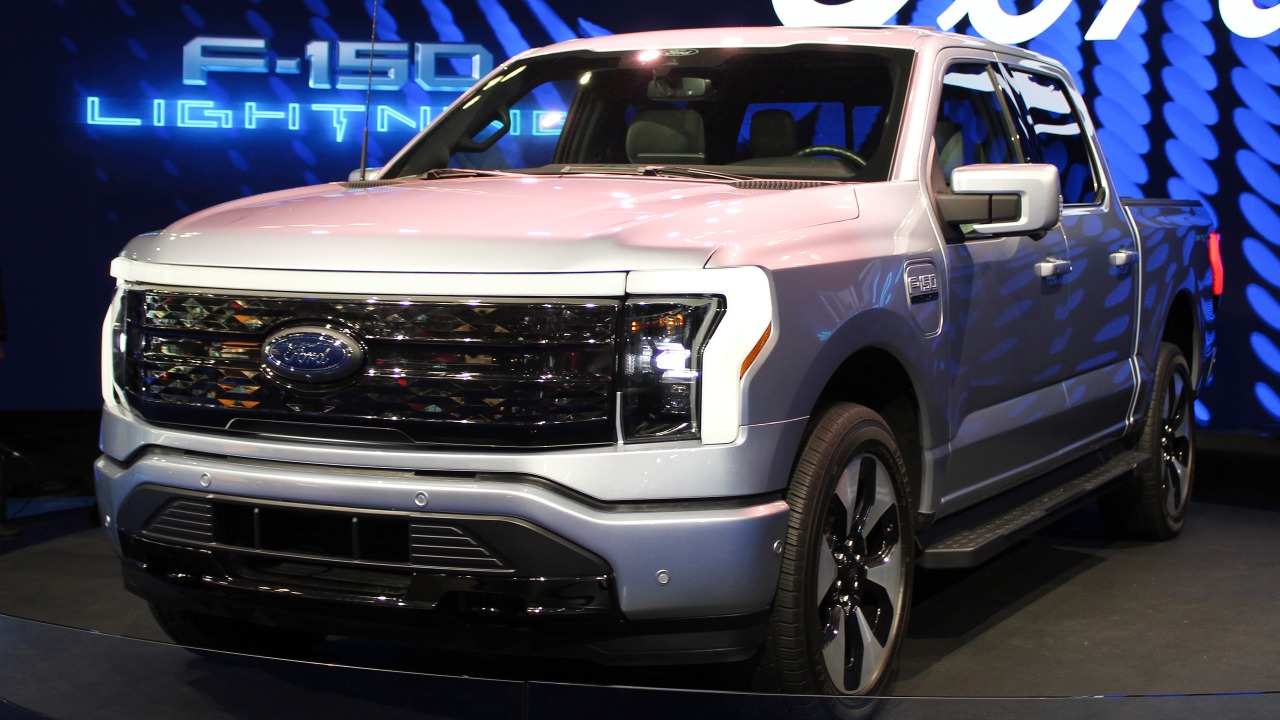
Ford and Ram have both slowed or reshaped their electric pickup ambitions, rattling a segment that was supposed to be the next big profit engine for Detroit. With rivals recalibrating, General Motors now faces a blunt question from investors and early adopters alike: should it double down on battery trucks or quietly follow its peers back toward hybrids and range extenders.
The answer is not as simple as copying Ford or Ram, because GM has taken a different technical path and is signaling a different kind of patience. The company is still preparing to ship the Chevrolet Silverado EV and GMC Sierra EV in meaningful numbers, even as it trims broader electric spending and watches demand more cautiously.
Ford and Ram tap the brakes, but they have not abandoned EV trucks
Ford was first of the Detroit Three to put a modern battery pickup in American driveways, bringing the F-150 Lightning to market ahead of GM and Ram. That early lead has not insulated it from reality: higher costs, uneven demand and a truck buyer base that still worries about towing range have all forced Ford to rethink how aggressively it pushes pure battery pickups, even as the Lightning remains a fully electric model in its lineup. Reporting on the segment shows that Ford continues to sell the F-150 Lightning as a battery electric truck while also experimenting with other electrified strategies around the broader F-150 family.
Ram, which arrived later to the party, is taking a more cautious route from the start. The company is promoting the All New Ram 1500 REV as a Range Extended Electric Truck, describing it as Built with both a range-defying battery plus generator, with projected availability in 2026. That framing makes clear Ram is not walking away from electrification, but it is leaning on a generator to address the long-distance and towing anxiety that still dogs full battery pickups. Together, Ford’s more measured posture and Ram’s range-extended REV show that Detroit is not killing the electric truck idea, it is simply trying to make the technology fit truck buyers’ real-world use cases.
GM’s electric truck plan is slower, but it is still alive
General Motors has already signaled that it is not charging ahead at any cost, announcing strategic adjustments that delay parts of its electric expansion while it reassesses demand and capital spending. Those changes have raised understandable anxiety among reservation holders who worry that GM might quietly cancel its battery pickups after watching Ford and Ram adjust their own plans. One Silverado EV customer voiced that fear directly, saying they were afraid GM would cancel their truck because Ford had pulled the plug on some electric ambitions, even as General Motors has recently signaled it is still in the game.
GM’s own product roadmap backs up that reassurance. The company expects to ship the 2025 Chevrolet Silverado EV later this year in multiple trims, with Chevrolet Silverado EV configurations offering up to 492 miles of range and a mix of content and price points aimed at both fleet and retail buyers. Alongside the Silverado EV, GM is also preparing the GMC Sierra EV, positioning it as a more premium electric pickup for customers who want the traditional GMC truck experience with a battery pack instead of a fuel tank. Those concrete product details suggest GM is not preparing an abrupt exit from electric trucks, even as it slows some broader EV investments.
The market is messy, not dead, for battery pickups
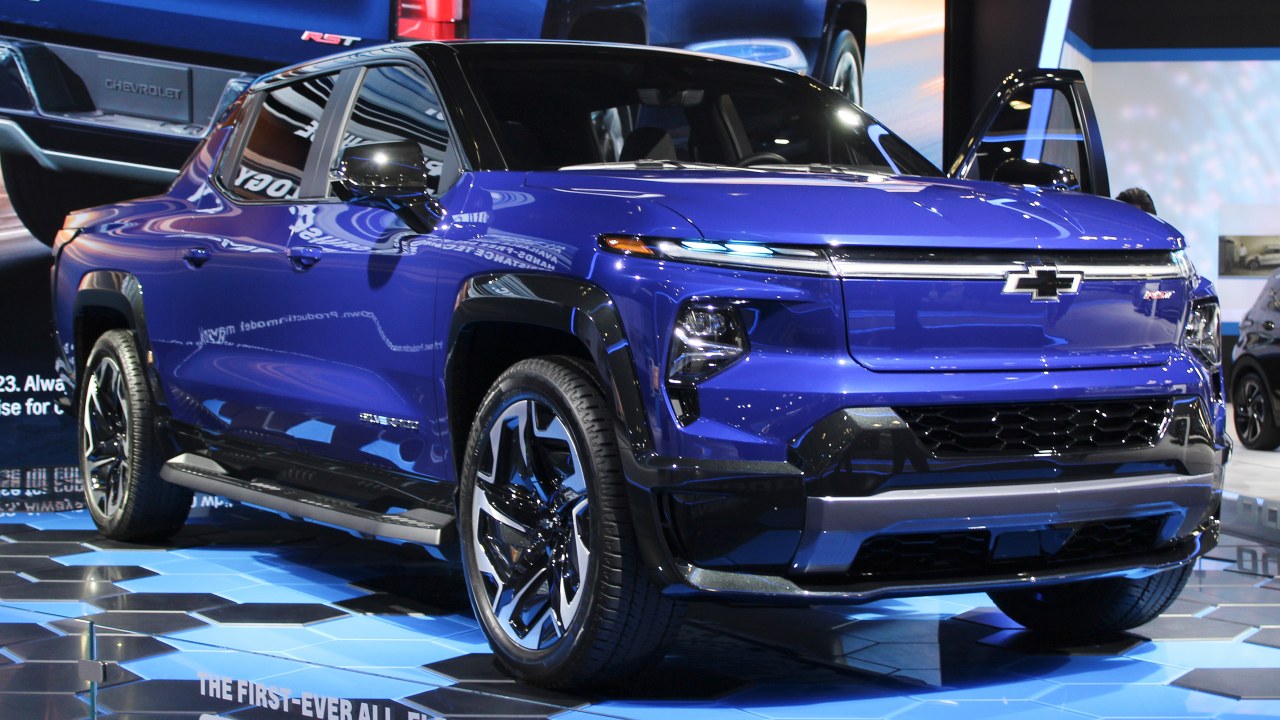
Despite the strategic pivots, Thousands of American drivers are already buying electric pickup trucks, and there is a clear sales leader in the segment. Reporting on the top 3 electric pickup trucks dominating sales in 2025 notes that Ford produces the best selling electric pickup, underscoring that the F-150 Lightning still has real traction even as Ford refines its approach. That same coverage shows that GM’s Silverado EV and GMC Sierra EV are part of a small but growing field, rather than late arrivals to a party that has already ended.
On the ground, the segment looks more experimental than terminal. One detailed look at the 2025 US electric truck landscape describes time behind the wheel of the brand new GMC Sierra EV, a Ford F-150 Lightning and other battery pickups, highlighting how quickly capabilities are improving. That review, which mentions driving a Ford F-150 Lightning and the Sierra EV in close succession, reinforces that these trucks are not vaporware, they are real products that already meet the needs of some buyers. The question is not whether electric trucks exist, but how big the addressable market is at current prices and with today’s charging and towing limitations.
Hybrids and range extenders are surging, but they are not a full substitute
While pure battery trucks wrestle with cost and infrastructure, hybrids are quietly becoming the pragmatic choice for many pickup buyers. Analysis of registration data under the banner From Niche to Mainstream, The Rise of Hybrid Pickup Trucks shows that plug in hybrids and conventional hybrids are gaining share as shoppers look for better fuel economy without giving up long range or quick refueling. That same reporting notes that a significant share of early adopters have already returned to purchase a PHEV, suggesting that once drivers experience electric torque with gasoline backup, they are comfortable staying in that middle lane.
Ram’s decision to market the All New Ram 1500 REV as a Range Extended Electric Truck fits neatly into that trend. By combining a large battery with a generator, Ram is promising long range and the ability to power worksite equipment directly from the truck, while sidestepping some of the charging anxiety that still surrounds full battery pickups. At the dawn of 2025, broader commercial research on electric truck prices notes that the transport and logistics sector is witnessing a major transformation, marked by the emergence and growing adoption of electric trucks, but it also highlights that upfront costs remain a barrier. In that context, hybrids and range extended designs can act as a bridge technology, but they do not eliminate the need for at least some fully electric trucks that can operate in zero emission zones or meet corporate climate targets.
Why GM is unlikely to “pull the plug” on electric trucks now
Given this backdrop, I see GM’s current posture as cautious commitment rather than quiet retreat. One detailed look at industry strategy describes how GM, which was by far leading in US EV investments, will continue to offer its current models but has little appetite to add a flood of new nameplates until demand and profitability improve. Another analysis of 2025 as the year the Big 3 backed away from EVs notes that Part of the strategy to improve the brand overall is selling vehicles that consumers want at decent margins and bringing down the amount of those charges tied to early EV bets. In other words, GM is trying to protect its balance sheet without walking away from the electric trucks it has already engineered and tooled.
That approach is visible in the specifics of the Silverado EV program. GM’s own product communication around the 2025 Chevrolet Silverado EV emphasizes long range, multiple trims and a launch later this year, signaling that the company still expects this truck to be a pillar of its electric lineup rather than a short lived experiment. At the same time, broader reporting on General Motors delays to electric vehicle expansion makes clear that the company is stretching out some investments and being more selective about future models. Taken together, those facts point to a likely path where GM keeps the Silverado EV and GMC Sierra EV in the market, refines them based on early customer feedback and waits to see how quickly charging networks, battery costs and buyer expectations evolve before committing to a second wave of electric pickups.
More from Fast Lane Only: