The 1969 Ford Boss 429 Mustang is a legendary vehicle that exemplifies the muscle car era’s raw power and innovation. With its ability to accelerate from 0 to 60 mph in around 5.5 seconds, it stands as a testament to Ford’s engineering prowess and commitment to high performance during a golden age of American automobiles.
The Birth of the Boss 429 Mustang
The Ford Mustang made its debut in 1964, quickly becoming a symbol of American automotive culture. Over the years, it evolved from a compact pony car into a muscle car powerhouse. By the late 1960s, the competition heated up, with GM and Chrysler ramping up their performance offerings. In response, Ford recognized the need for a model that would not only compete but dominate in the muscle car segment. This led to the birth of the Boss 429 Mustang in 1969, a vehicle designed to showcase Ford’s engineering capabilities and performance potential.
The creation of the Boss 429 was not just about performance; it was a strategic move to counter the growing popularity of high-performance vehicles from competitors. Ford collaborated with Kar Kraft, a company known for its expertise in building specialty vehicles. This partnership allowed Ford to develop the powerful 429 cubic inch V8 engine, which would become the heart of the Boss 429 Mustang. The collaboration also underscored Ford’s commitment to creating a truly unique muscle car that would turn heads both on the streets and the racetrack.
Engine Specifications and Performance
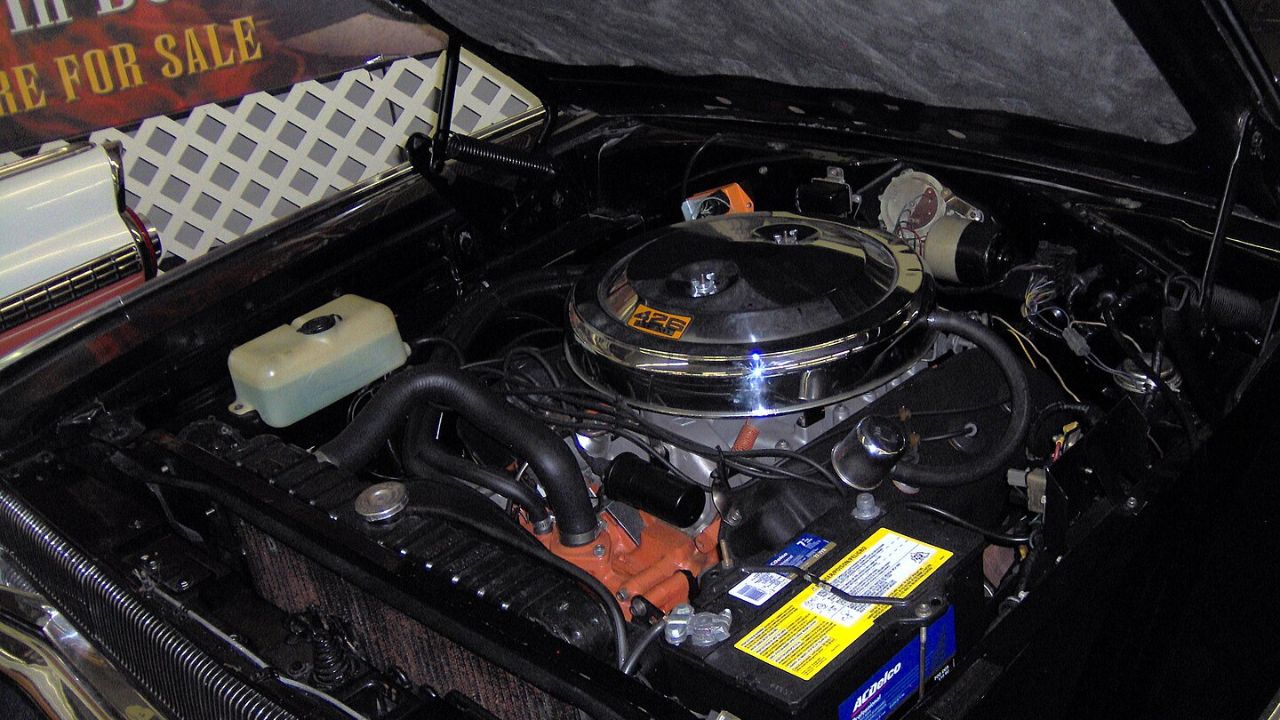
The Boss 429 Mustang was powered by a massive 429 cubic inch (7.0 liters) V8 engine, which was designed for maximum performance. It produced an impressive 375 horsepower and 420 lb-ft of torque, enabling the car to accelerate from 0 to 60 mph in just about 5.5 seconds. This performance was not merely a product of raw power; the engine featured a unique design with aluminum cylinder heads and a high-rise intake manifold that allowed for better airflow and increased efficiency.
When comparing the Boss 429’s performance metrics with its contemporaries, it becomes clear why it was regarded as one of the most formidable muscle cars of its time. For instance, the Chevrolet Camaro ZL1, with its 427 cubic inch V8 engine, produced similar horsepower figures but could not match the Boss 429’s torque output. This difference in torque contributed to the Boss 429’s superior acceleration, making it a favorite among enthusiasts and racers alike. The combination of power, performance, and innovative engineering solidified the Boss 429’s status as a benchmark in the muscle car world.
Design and Aesthetics
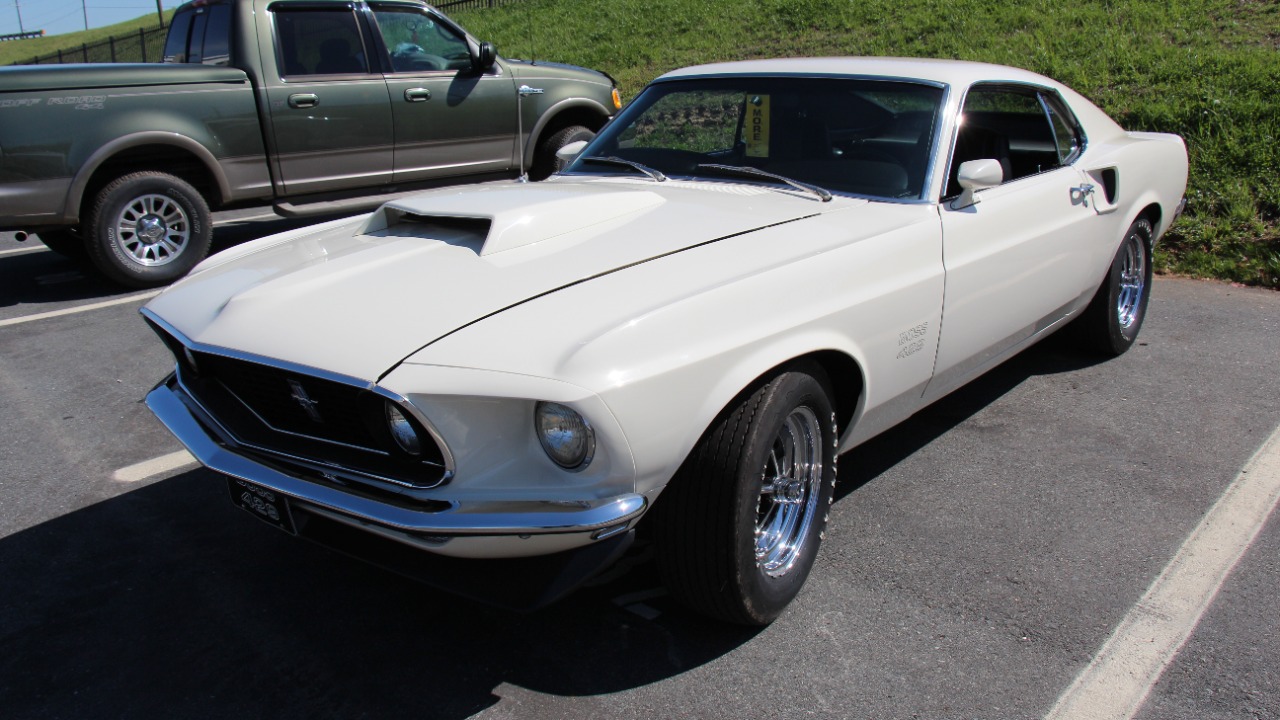
The exterior design of the Boss 429 Mustang set it apart from other models in the Mustang lineup. With its aggressive stance, bold lines, and distinctive hood scoop, the Boss 429 exuded confidence and power. The unique front grille, combined with special decals and badging, further emphasized its performance pedigree. Buyers could also choose from a selection of vibrant color options, including the iconic “Grabber Orange” and “Royal Maroon,” which added to the car’s visual appeal.
The Impact of the Boss 429 on Muscle Car Culture The arrival of the Boss 429 Mustang marked a significant moment in muscle car culture during the late 1960s. Its powerful performance and distinctive design captured the attention of automotive enthusiasts and the general public alike. As one of the most recognized muscle cars of its era, the Boss 429 helped shape the perception of high-performance vehicles. It became a symbol of American automotive engineering and the pursuit of speed.
The Boss 429 also found its way into popular media, appearing in films, television shows, and at car shows across the country. Its aggressive styling and impressive performance made it a favorite among car enthusiasts, and many owners have shared their stories about the thrill of driving this iconic vehicle. From weekend car shows to competitive racing events, the Boss 429’s presence has left a lasting impression on the automotive community, inspiring a new generation of muscle car fans.
Racing Heritage and Achievements
The Boss 429 Mustang was not just a showroom star; it also had a significant presence on the racetrack. Designed with racing in mind, the Boss 429 competed in various events, including NASCAR. Its powerful engine and unique design allowed it to perform exceptionally well in professional racing, earning numerous accolades and victories. One of its most notable achievements came in 1970, when the Boss 429 secured multiple wins in the NASCAR Grand National Series, further cementing its reputation as a formidable competitor.
The car’s racing heritage contributed to Ford’s overall success in motorsports during that era. By developing a vehicle that could compete at the highest levels, Ford established itself as a leading force in the automotive industry. The legacy of the Boss 429 in racing not only showcased its performance capabilities but also reinforced the brand’s commitment to engineering excellence and innovation.
Collectibility and Market Value Today
Today, the Boss 429 Mustang is considered one of the most sought-after collector’s items in the automotive market. Its limited production numbers—only about 1,300 units were made—along with its iconic status, contribute to its high value among collectors. Factors such as condition, originality, and documented history play crucial roles in determining the market price of these classic vehicles. Auction results have shown that well-preserved Boss 429s can fetch upwards of $500,000, making them a sound investment for enthusiasts and collectors alike.
The restoration and maintenance of a Boss 429 Mustang can be a labor of love for dedicated owners. Many enthusiasts invest significant time and resources into restoring these vehicles to their original glory, ensuring that they remain a testament to Ford’s engineering prowess. Resources like CJ Pony Parts offer valuable information and parts for restoration projects, helping to keep the legacy of the Boss 429 alive for future generations.
The Legacy of the Boss 429 in Modern Times
The influence of the Boss 429 Mustang can still be seen in modern muscle car designs and engineering. Its emphasis on performance and power has inspired a new generation of vehicles that continue to push the boundaries of automotive engineering. Manufacturers today often look back to classic models like the Boss 429 when designing their performance offerings, aiming to capture the spirit and excitement that defined the muscle car era.
In automotive history discussions, the Boss 429 holds a prominent place as a benchmark for performance. Car enthusiasts and historians alike recognize its significance in shaping the muscle car landscape. The Boss 429 remains a topic of interest in car enthusiast circles, with discussions about its specifications, performance, and cultural impact ongoing. This enduring legacy is a testament to the car’s iconic status and its continued relevance in today’s automotive world.
Final Thoughts on the Boss 429 Mustang The Ford Boss 429 Mustang is more than just a classic car; it represents a pivotal moment in automotive history. Its combination of raw power, innovative engineering, and striking design has left an indelible mark on the muscle car era. As enthusiasts continue to celebrate and restore these vehicles, the Boss 429 remains a symbol of Ford’s commitment to performance and excellence, ensuring that its legacy will endure for generations to come.
More from Fast Lane Only