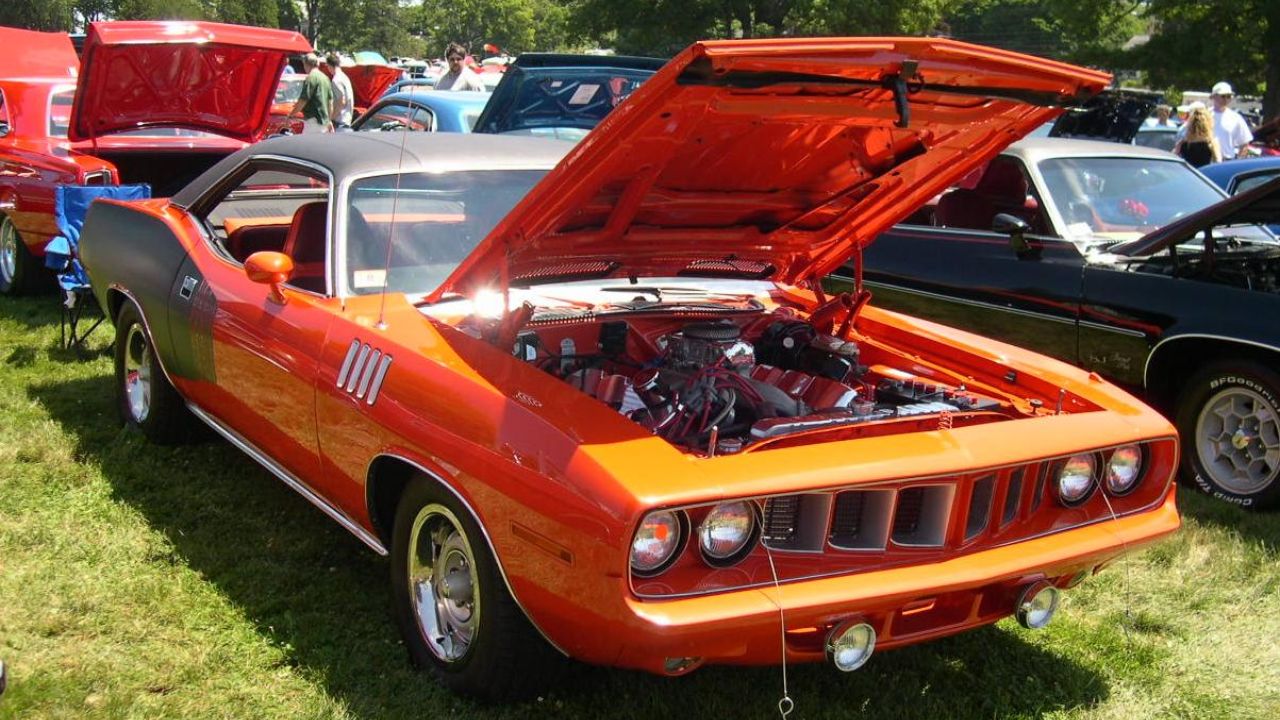
In 1971, Dodge made waves in the muscle car market with the release of the Hemi ’Cuda, a powerhouse boasting 425 horsepower and capable of completing the quarter mile in the low 13-second range. This remarkable vehicle not only epitomized the raw performance of the era but also became a significant player in the muscle car legacy.
The Birth of the Hemi ’Cuda
The Hemi engine, known for its distinctive hemispherical combustion chambers, has a storied history that dates back to the 1950s. It was first introduced in the Chrysler lineup and quickly became synonymous with high-performance vehicles. By the late 1960s, Dodge recognized the potential of this formidable engine and sought to integrate it into their offerings. The introduction of the Hemi ’Cuda in the early 1970s signified a bold transition from the standard Barracuda models, which had already gained popularity for their sporty designs and performance.
The transformation of the Barracuda into the Hemi ’Cuda involved several key design changes and features that set it apart from its predecessors. The Hemi ’Cuda boasted a more aggressive stance, characterized by a wider body, a distinctive front grille, and a functional hood scoop that not only added to its aesthetic appeal but also enhanced engine cooling. These visual cues signaled to enthusiasts that the Hemi ’Cuda was a serious contender in the muscle car arena.
Performance Specifications
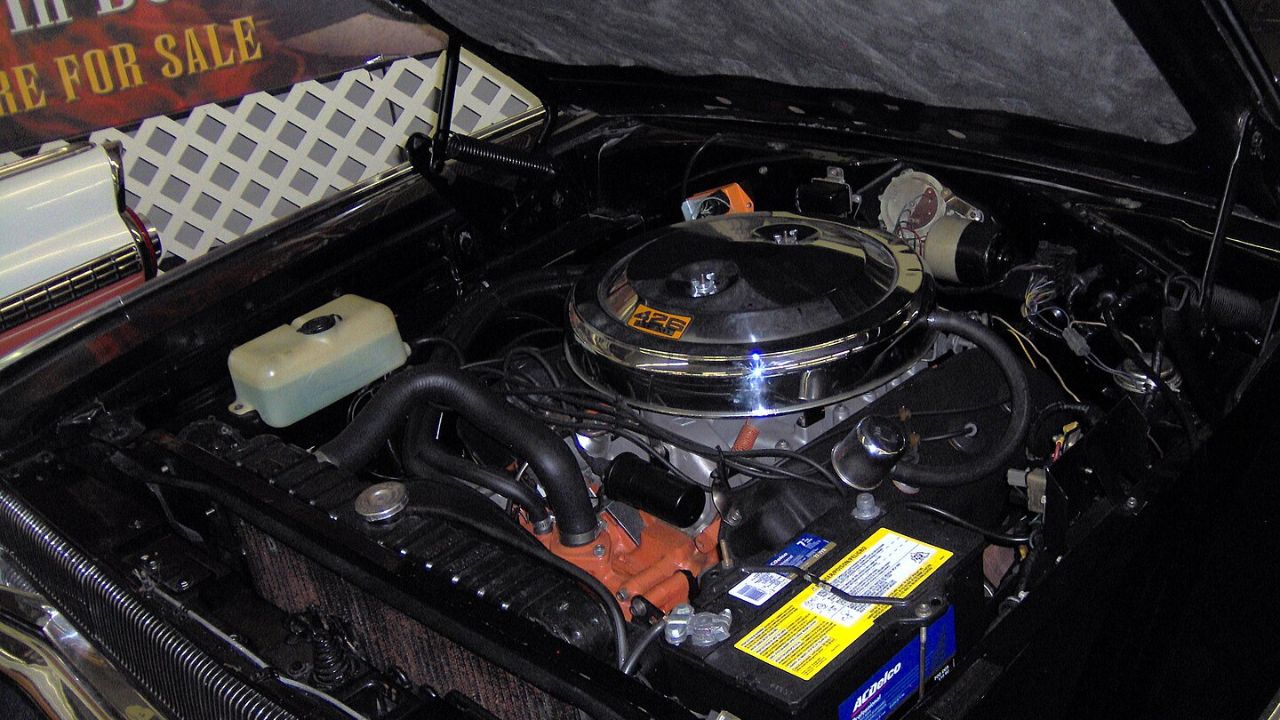
At the heart of the Hemi ’Cuda is the legendary 426 cubic inch Hemi V8 engine, which produced an astonishing 425 horsepower. This powerhouse was paired with a TorqueFlite automatic transmission or an optional 4-speed manual, allowing drivers to experience the thrill of raw acceleration. The Hemi ’Cuda could complete the quarter mile in the low 13-second range, making it one of the fastest cars of its time. Its impressive 0-60 mph time was also a point of pride, clocking in at under 6 seconds, which was remarkable for a vehicle of its size.
When comparing the Hemi ’Cuda’s performance with other muscle cars of the same era, it becomes clear that Dodge had created a formidable competitor. The Chevrolet Camaro Z28 and Ford Mustang Boss 302 were popular models, but the Hemi ’Cuda’s combination of power and handling set it apart. While the Z28 offered a slightly lighter frame and agile handling, it lacked the raw horsepower that the Hemi ’Cuda delivered. The Boss 302, known for its racing prowess, couldn’t quite match the acceleration figures of the Hemi ’Cuda, solidifying Dodge’s place in the muscle car hierarchy.
The Muscle Car Craze of the 1970s
The early 1970s marked a golden era for muscle cars, with American manufacturers racing to produce vehicles that combined high performance with aggressive styling. The Hemi ’Cuda was perfectly positioned within this cultural landscape, appealing to a generation of car enthusiasts who craved speed and power. The muscle car craze was fueled by a burgeoning youth culture that embraced freedom, rebellion, and the thrill of the open road. The Hemi ’Cuda, with its bold design and roaring engine, became a symbol of this movement.
However, the muscle car market faced significant challenges during this time. The introduction of emissions regulations began to reshape the automotive landscape, forcing manufacturers to adapt their designs and performance characteristics. The Hemi engine, while a powerhouse, was scrutinized for its emissions output. These regulations eventually led to changes in engine technology and performance standards, altering the trajectory of muscle car development. Despite these challenges, the Hemi ’Cuda managed to maintain its allure, thanks in part to its racing pedigree and the passionate community of enthusiasts that rallied around it.
Innovative Engineering Features
The engineering innovations that defined the Hemi ’Cuda were critical to its performance and handling capabilities. The Hemi engine itself was a marvel of engineering, featuring a dual overhead cam design that allowed for better airflow and increased power. This design, combined with high compression ratios, gave the Hemi ’Cuda its signature roar and acceleration. Additionally, the vehicle’s suspension system was engineered for both performance and comfort, utilizing heavy-duty components to ensure stability even at high speeds.
Moreover, enhancements in braking technology played a pivotal role in the Hemi ’Cuda’s handling. Disc brakes were standard on the front wheels, providing superior stopping power compared to drum brakes commonly found on other vehicles of the time. The integration of lightweight materials in the design further contributed to the car’s agility, allowing it to corner effectively while maintaining speed. These innovative engineering features not only made the Hemi ’Cuda a standout performer but also established it as a benchmark for future muscle car designs.
The Hemi ’Cuda in Motorsports
Historically, the Hemi ’Cuda made a significant impact in motorsports, particularly in drag racing. Its powerful engine and advanced engineering allowed it to achieve remarkable success on the strip. In the early 1970s, the Hemi ’Cuda became a popular choice for both professional racers and amateur enthusiasts looking to make a name for themselves. Several notable achievements include record-setting runs at various drag racing events, where the Hemi ’Cuda consistently outperformed its competitors.
The Hemi ’Cuda’s success in motorsports not only elevated its status but also enhanced its appeal to collectors and enthusiasts. The car’s racing heritage became a talking point among fans, further solidifying its place in automotive history. The influence of motorsport success on the vehicle’s popularity cannot be understated; it created a legacy that endures to this day. For many collectors, owning a Hemi ’Cuda means possessing a piece of history that embodies speed, performance, and the spirit of competition.
Collectibility and Market Value
Over the years, the Hemi ’Cuda has experienced fluctuations in market value, reflecting its status as a coveted collector’s item. In the 1980s, interest in muscle cars waned, leading to a decline in prices. However, as the classic car market began to recover in the 1990s, the Hemi ’Cuda emerged as a prime target for collectors. Factors influencing its desirability include limited production numbers, its racing pedigree, and the iconic status it achieved among automotive enthusiasts.
Today, Hemi ’Cudas are highly sought after, with pristine models fetching staggering prices at auctions. The combination of rarity and demand has made certain examples extremely valuable, with some models selling for well over $1 million. When compared to other classic muscle cars, the Hemi ’Cuda stands out not only for its performance but also for its investment potential. Other models like the Pontiac GTO and Ford Mustang have their own followings, but the Hemi ’Cuda’s unique blend of power and history often places it at the top of collectors’ wish lists.
Legacy and Cultural Impact
The Hemi ’Cuda has left an indelible mark on car culture, becoming a symbol of American automotive prowess and the muscle car movement. Its representation in media—from films to video games—continues to resonate with new generations of car enthusiasts. Iconic appearances in movies such as “Gone in 60 Seconds” have solidified its status as a cultural icon, showcasing its aggressive design and powerful performance.
Testimonials from enthusiasts and collectors often highlight the emotional connection many have with the Hemi ’Cuda. Stories of restoring these vehicles to their former glory or memories of cruising down the highway in a Hemi ’Cuda evoke a sense of nostalgia and pride. This emotional attachment further cements the car’s legacy, inspiring modern muscle car designs that seek to capture the essence of what made the Hemi ’Cuda so legendary.
Restoration and Maintenance Tips
For those fortunate enough to own a classic Hemi ’Cuda, the journey of restoration and maintenance can be both rewarding and challenging. Restoring a Hemi ’Cuda to preserve its original performance requires a keen understanding of its engineering and specifications. Sourcing authentic parts can be difficult due to the limited production numbers, but there are reputable suppliers and restoration shops that specialize in classic Dodge vehicles.
Common challenges faced by owners include addressing rust issues, engine rebuilds, and finding original components that meet OEM specifications. Regular maintenance is crucial to keeping the Hemi ’Cuda in optimal condition, including routine checks of the engine, transmission, and suspension systems. Joining a community of Hemi ’Cuda enthusiasts can provide invaluable support and resources, allowing owners to share knowledge and experiences in maintaining these iconic muscle cars.
The Future of Muscle Cars
The legacy of the Hemi ’Cuda continues to inform modern muscle car developments. As manufacturers explore new technologies, the core principles of performance and design that defined the Hemi ’Cuda remain relevant. While the rise of electric and hybrid technologies presents challenges, it also offers exciting opportunities for innovation in the performance vehicle segment. Some modern muscle cars are beginning to incorporate electric motors to enhance acceleration while maintaining the visceral driving experience that enthusiasts crave.
As we look to the future, predictions suggest that the evolution of performance vehicles will continue to blend traditional muscle car characteristics with cutting-edge technology. The spirit of the Hemi ’Cuda, with its raw power and iconic design, will undoubtedly inspire the next generation of muscle cars, ensuring that its legacy endures for years to come. The challenge will be balancing performance with environmental considerations, but the passion for speed and power remains a driving force in the automotive industry.
More from Fast Lane Only