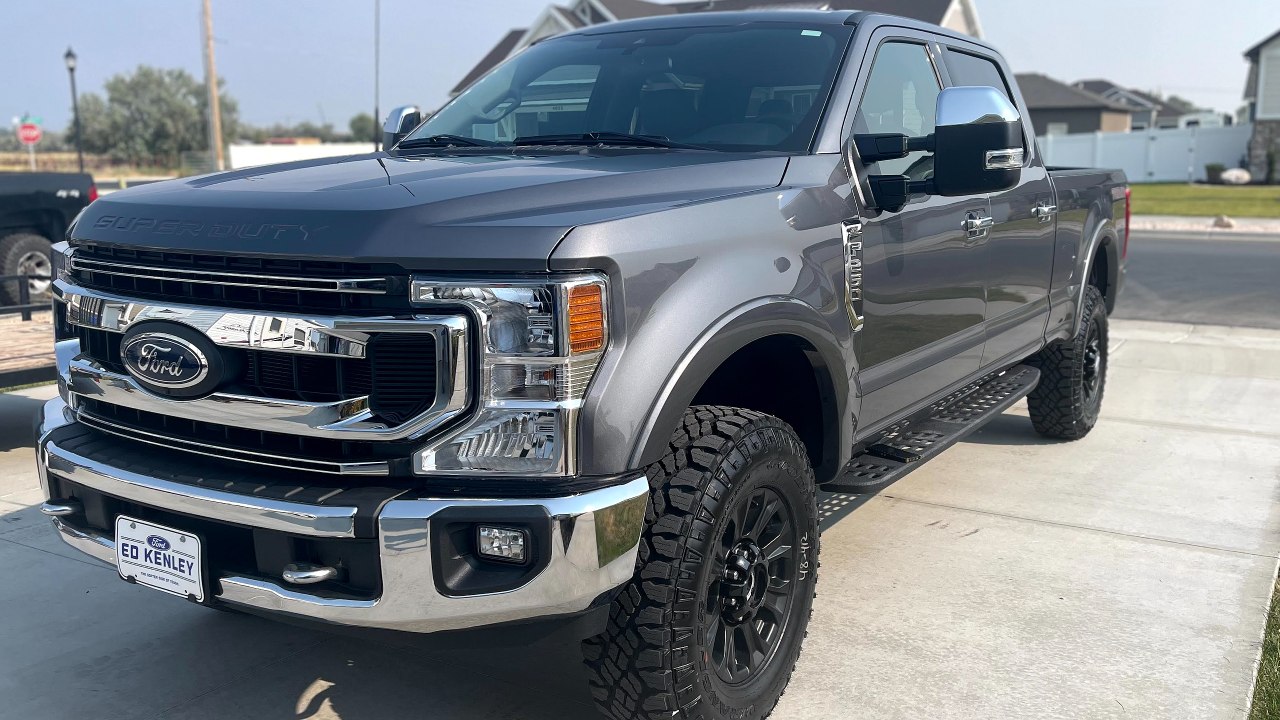
The Dakar Rally has always been a proving ground where marketing bravado is stripped away by rocks, dunes and exhaustion. In 2026 it delivered a particularly sharp reality check, as Ford’s Raptor programme was outclassed by a value-focused rival that arrived with less heritage but far more efficiency. Dacia, long treated as a budget sideshow, left Saudi Arabia with the overall win and a new status as the team that humbled the desert trucks wearing the blue oval.
That reversal of expectations matters far beyond a single set of podium photos. It shows how quickly the balance of power can shift when a manufacturer builds a car specifically for the Dakar’s brutality, then backs it with the right drivers and strategy. For Ford, the result raises uncomfortable questions about how much of the Raptor legend is marketing, and how much is genuine long-distance race craft.
The brutal test that exposed the gap
The 2026 route was not a gentle introduction for any newcomer, let alone a brand still associated with cheap city cars. Crews faced nearly 5,000 miles, or 8,000 km, of rocks, sand and dunes, a distance that magnified every design compromise and strategic misstep. Over that kind of mileage, the Dakar Rally becomes less a sprint between bivouacs and more an engineering audit carried out at full throttle, where any weakness in cooling, suspension or navigation discipline is eventually dragged into the open.
Within that context, the contrast between Ford’s Raptor entries and the leaner Dacia effort became stark. Reports from the bivouac described how Dacia not only survived the punishment but secured multiple stage wins and controlled the tempo across 10 out of 13 stages, while Ford’s challenge faded as the rally wore on. The Raptor name carries weight in showrooms, yet in Saudi Arabia it was the supposed budget brand that dictated the pace and left the more expensive trucks scrambling for answers.
Dacia’s rapid rise from punchline to pacesetter
Dacia’s victory did not come out of nowhere, even if the speed of its ascent surprised many observers who still remembered the marque as the butt of old Top Gear jokes. The programme had been building toward this moment since The Dacia Sandrider first appeared in Competition at the Rallye du Maroc, where Nasser Al Attiyah immediately put it on the top step. That early success signalled that the car’s basic architecture was sound, and that the team understood how to translate a modest road-car image into a serious rally raid weapon.
By the time the squad arrived in Saudi Arabia for its second Dakar attempt, the project had matured into a three-car assault built around Nasser Al Attiyah, Loeb and Cristina Guti. The Dacia Sandriders were no longer curiosities, but fully fledged contenders that combined a relatively simple brand proposition with a highly sophisticated technical package. When Dacia then converted that potential into the overall win at the Dakar Rally, it completed a transformation from value brand to motorsport benchmark that few would have predicted even a couple of seasons earlier.
Inside the £1 million “budget” car that beat the Raptors
The irony of Dacia’s success is that its desert racer is anything but cheap. Strong engineering foundations underpin a machine that costs around £1 million per car before support costs, making Sandrider the most expensive Dacia ever built. Not only is the Sandrider the financial opposite of the brand’s showroom image, it is also conceptually closer to an F1 car for the desert, with every component optimised for speed, serviceability and survival over thousands of kilometres of punishment.
That investment shows in the way the car handled the Dakar’s extremes. The Dacia Sandrider was designed from the outset for rally raid, with packaging that prioritised cooling and suspension travel rather than road-car carryover. There, Nasser Al Attiyah had already proven its pace in Morocco, and in Saudi Arabia the same blend of power, durability and predictable handling allowed the drivers to attack when the terrain suited them and back off when preservation mattered more. Against that level of single-minded focus, Ford’s Raptors, which must still nod to production reality, struggled to match the consistency that ultimately decides a long-distance rally.
How Ford’s Raptors were schooled on strategy and execution
Ford arrived with clear ambitions, positioning its Raptor programme as a natural fit for the Dakar’s image of rugged endurance. Yet as the stages unfolded, it was Dacia that delivered the kind of disciplined, low-drama performance that wins marathons rather than highlight reels. The Dacia Sandriders not only claimed overall honours at Dakar ahead of Ford, they did so by managing risk, tyres and navigation with a calm that contrasted with the setbacks and time losses that repeatedly hit the Raptor effort.
The final classification told a blunt story. While Ford Racing landed respectable stage results, the overall narrative was that Ford misses out on Dakar glory as The Dacia Sandriders stood atop the podium. Over nearly 5,000 miles, the supposed underdog turned into the reference point, while the Raptors were left to count what might have been. For a brand that has built so much of its off-road identity around the Raptor badge, being beaten to the biggest prize by a value marque will sting far more than any single mechanical failure.
What the upset means for off-road brands and buyers
The implications of Dacia’s win stretch beyond the rally raid paddock. Once the butt of many a Top Gear joke, the Romanian marque has now demonstrated that a company known for low-cost road cars can, with the right partners and investment, build a machine capable of conquering the most punishing rally in the world. Good news for Dacia’s marketing department is also a warning shot for established off-road players that assumed heritage alone would keep them ahead in the dunes.
For Ford, the lesson is that the Raptor badge must be backed by results if it is to retain credibility among serious off-road enthusiasts. Dakar has shown that a so-called budget brand can out-develop and out-execute a giant when the focus is sharp and the car is purpose built. Buyers watching from afar may never drive a £1 million Sandrider, but they will remember that in the harshest desert classroom, it was Dacia that gave the Raptors a lesson, and that the next generation of off-road icons may come from places the industry once dismissed.
More from Fast Lane Only