Ford delivered one of its strongest U.S. sales performances in years during 2025, powered by trucks, hybrids, and a rebound in electric vehicle demand. But despite Ford’s momentum, the broader sales picture shows that General Motors remains firmly in control of the U.S. market, with scale and consistency that continue to define the industry hierarchy.
Rather than a settled power shift, 2025 looks more like a year of contrast. Ford surged at key moments, while GM relied on steady volume across trucks, SUVs, and crossovers to keep its lead intact. The result is a market where Ford’s gains are meaningful—but not yet decisive.
Ford’s truck dominance still drives U.S. volume
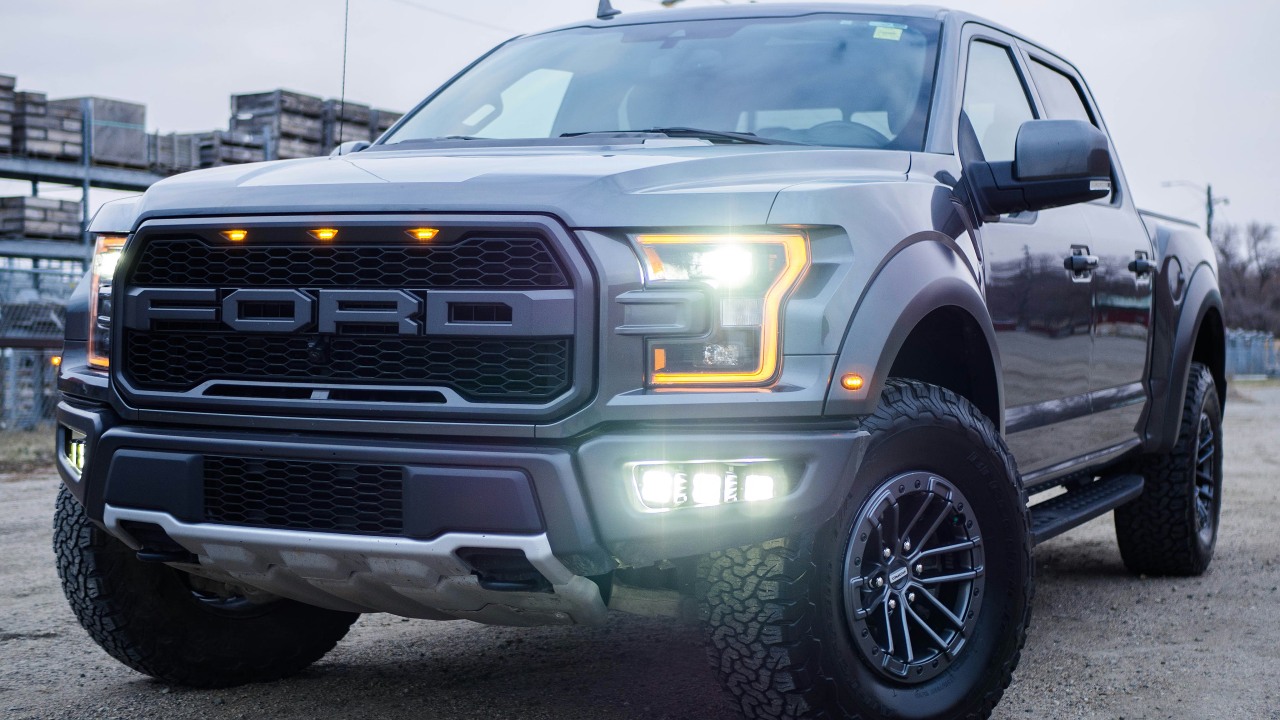
Ford’s strongest advantage remains its truck lineup. The full-size and midsize pickup market expanded in 2025, with total U.S. pickup sales rising year over year, reflecting continued consumer demand despite higher prices and interest rates. Ford’s F-Series remained the best-selling pickup line in America, while the Ranger added meaningful midsize volume.
Crucially, Ford leaned heavily into higher trims, off-road packages, and premium configurations. That strategy boosted transaction prices while preserving unit sales, allowing Ford to grow revenue even when overall affordability remained strained. Trucks continued to act as Ford’s financial backbone throughout the year.
Hybrids and EVs give Ford a second growth engine
Electrification played a growing role in Ford’s 2025 results, especially in the second half of the year. In the third quarter, Ford reported a year-over-year EV sales increase of about 30 percent, its strongest quarterly EV growth in recent years. Models such as the Mustang Mach-E and F-150 Lightning contributed to that rebound, even as the broader EV market remained uneven.
Hybrids proved even more important. Ford sold more than 55,000 hybrid vehicles in a single quarter, a company record. That performance highlighted Ford’s advantage in offering hybrids as a middle ground between gasoline and full battery power. Vehicles like the Maverick Hybrid and Escape Hybrid helped Ford capture buyers who were not ready to commit fully to EVs.
This dual-track strategy—trucks plus hybrids and selective EV growth—helped Ford post one of the strongest quarterly growth rates among major automakers in 2025.
GM’s quieter strength: scale and consistency
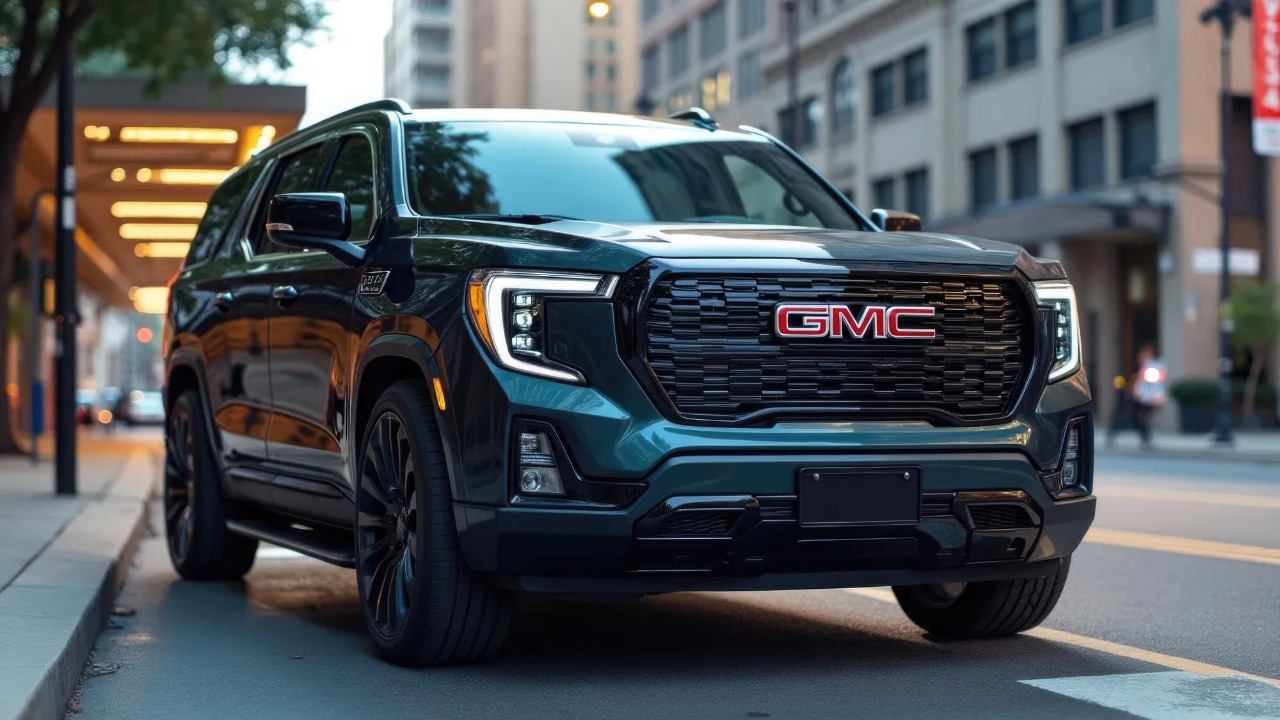
While Ford generated headlines with sharp quarterly gains, GM relied on its traditional strength: volume. Across 2025, GM remained the largest seller of vehicles in the United States, supported by a broad portfolio that includes Chevrolet, GMC, Cadillac, and Buick.
Industry forecasts and year-end projections continue to place GM at the top of U.S. sales rankings for 2025, with total volume approaching the high-2-million range. That lead reflects not a single breakout product, but steady demand across full-size pickups, SUVs, and crossovers.
GM’s quarterly growth rates were more modest than Ford’s peak surges, but they remained positive and consistent. That stability has allowed GM to preserve market share even as consumer preferences and regulatory pressures continue to shift.
Different electrification bets, different risks
Ford and GM are pursuing noticeably different technology strategies. Ford has emphasized flexibility, maintaining a balance between gasoline vehicles, hybrids, and EVs. That approach has insulated it from volatility in EV demand and allowed it to respond quickly to changing buyer sentiment.
GM, by contrast, has placed a heavier long-term bet on full electrification through its Ultium platform. While GM continues to sell strong volumes of gasoline trucks and SUVs, its lack of a broad hybrid lineup leaves a gap in the market that Ford and Toyota have exploited. GM’s EV strategy could pay off if demand accelerates again, but in the near term it places more pressure on its core combustion lineup to carry sales.
Policy, pricing, and the road ahead
Both automakers benefited from policy-driven buying behavior in 2025, including consumers pulling purchases forward amid tariff uncertainty and regulatory changes. Captive finance programs also played a key role in keeping monthly payments manageable as vehicle prices remained elevated.
Looking ahead, the competitive balance remains fluid. Ford’s recent growth shows it can gain ground quickly when product timing and market conditions align. GM’s scale, however, gives it resilience and the ability to absorb shifts in demand without dramatic swings in volume.
A surge, not a takeover
Ford’s 2025 performance marks a genuine comeback in U.S. sales momentum, especially in trucks and hybrids. But it does not yet represent a transfer of market leadership. GM’s continued dominance in total volume underscores that the race is still defined by consistency, not just quarterly spikes.
In other words, Ford’s surge is real—but GM remains the company to beat.
More from Fast Lane Only: