
Ford’s back catalog is full of performance cars that never became household names, yet they pushed technology, motorsport credibility, and straight-line speed far beyond what their badges suggested. I want to look at a handful of those machines that quietly delivered serious pace, often while hiding in plain sight as family sedans, workaday coupes, or regional specials.
From homologation one-offs to turbocharged sleepers, these are the Fords that mattered to enthusiasts and engineers, even if they never got the same poster-car treatment as Mustangs and GTs. Their stories show how deeply performance has been woven into Ford’s mainstream products, then left to be rediscovered by the next generation.
Turbocharged sleepers that outran their badges
Some of Ford’s most interesting performance work arrived in cars that looked almost anonymous, especially in the turbo era when power could be dialed up without wild bodywork. I see the appeal of these sleepers in the way they combined everyday usability with numbers that embarrassed more glamorous rivals. Models like the Merkur XR4Ti and turbocharged Thunderbird coupes delivered serious speed while wearing conservative sheetmetal that barely hinted at what was happening under the hood.
The Merkur XR4Ti, sold in North America as a German-built offshoot of the Sierra, paired a 2.3‑liter turbocharged four-cylinder with rear-wheel drive and a sophisticated suspension layout that had already proven itself in European touring car racing. Period tests highlighted how the turbo engine’s torque and the car’s independent rear suspension gave it real pace on back roads, even if the styling and Merkur branding kept it niche among American buyers. Turbocharged Thunderbirds followed a similar formula, with the Turbo Coupe using forced induction and chassis tweaks to create a highway stormer that still looked like a personal luxury car first and a performance machine second, a balance that shows up clearly in period road tests of the Thunderbird Turbo Coupe.
Homologation specials that hid race tech in road cars
Ford’s racing ambitions often forced it to build road cars that were far more serious than their sales volumes would suggest, and those homologation specials are some of the most overlooked performance Fords of all. I am struck by how much engineering was packed into limited-production models that existed primarily to satisfy rulebooks, then quietly slipped into used-car obscurity once the racing programs moved on. These cars carried advanced aerodynamics, suspension hardware, and powertrains that were far ahead of typical showroom fare.
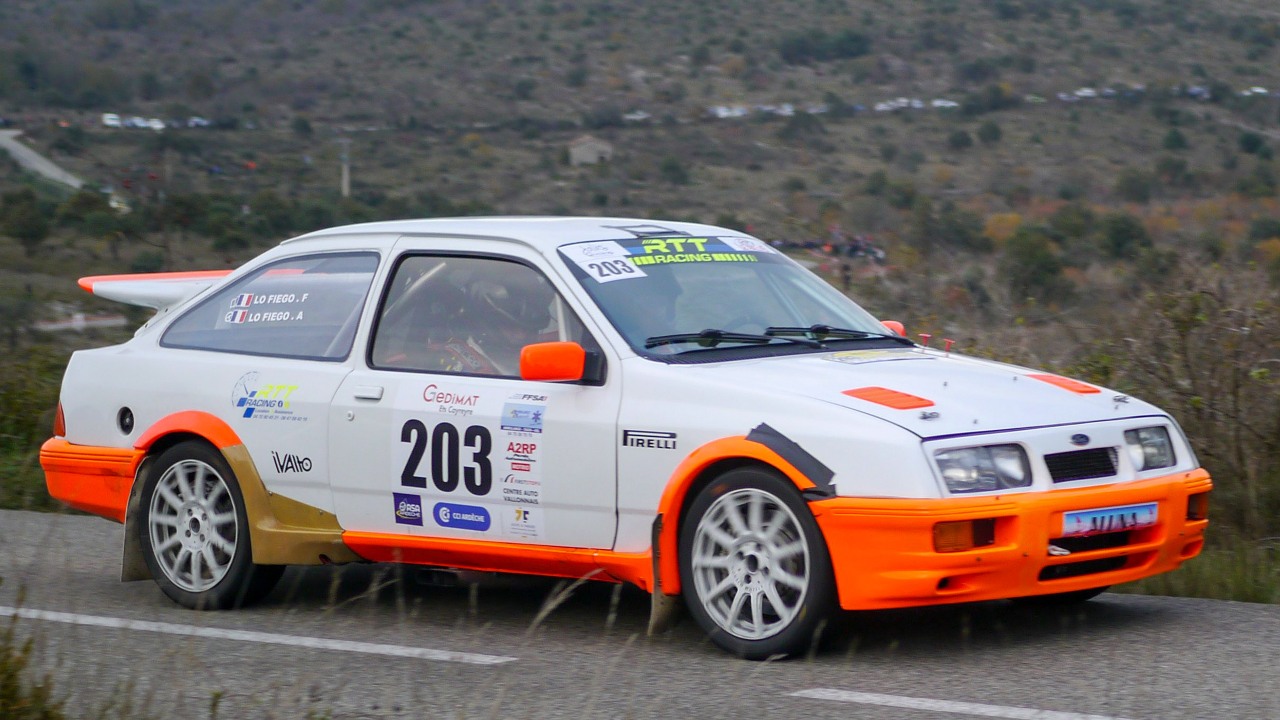
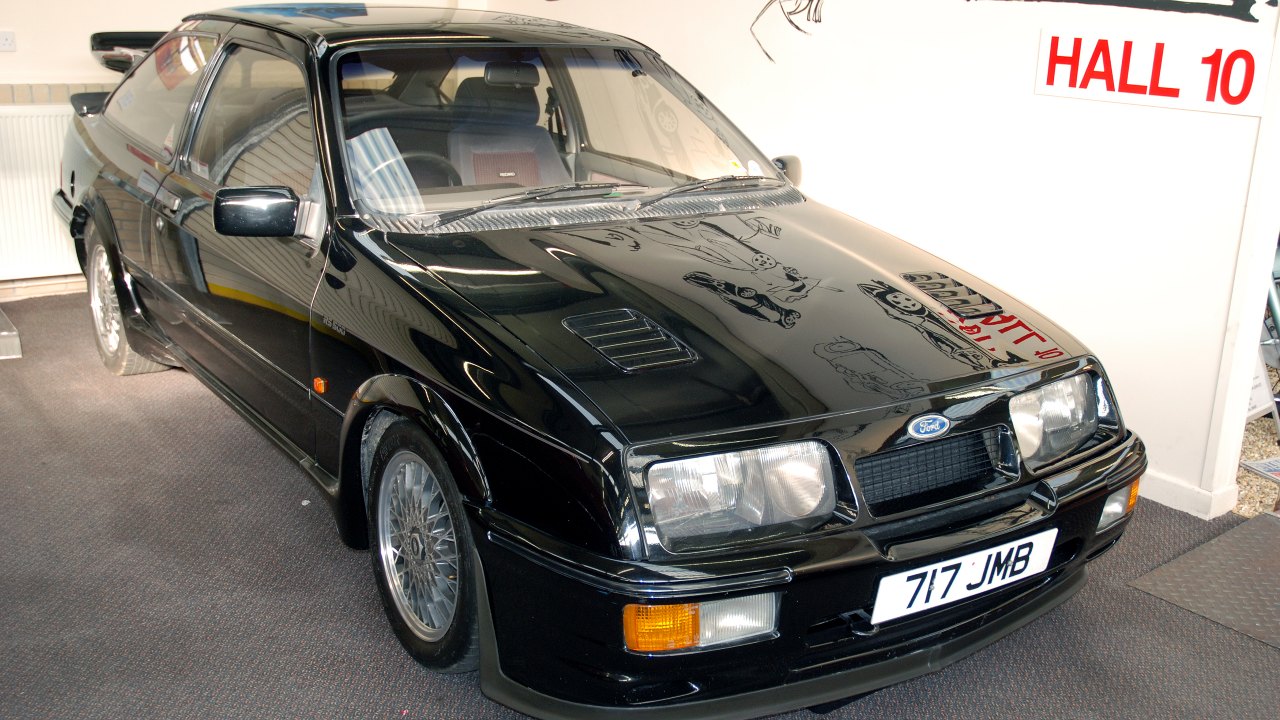
In Europe, the Sierra RS Cosworth and later RS500 variants were created so Ford could compete in Group A touring car racing, which required road-going versions of the race chassis. The RS Cosworth’s turbocharged YB engine, large rear wing, and reworked suspension turned the humble Sierra into a dominant force on track, and the road cars inherited that capability in detuned but still potent form. Similar thinking shaped the Australian-market Falcon GT‑HO Phase III, which used a highly tuned 351‑cubic‑inch V8, close-ratio gearbox, and race-ready suspension to dominate local touring car events, a combination that contemporary reports on the GT‑HO Phase III still describe as one of the most formidable packages Ford ever sold to the public.
Muscle-era outliers that pushed past the Mustang’s shadow
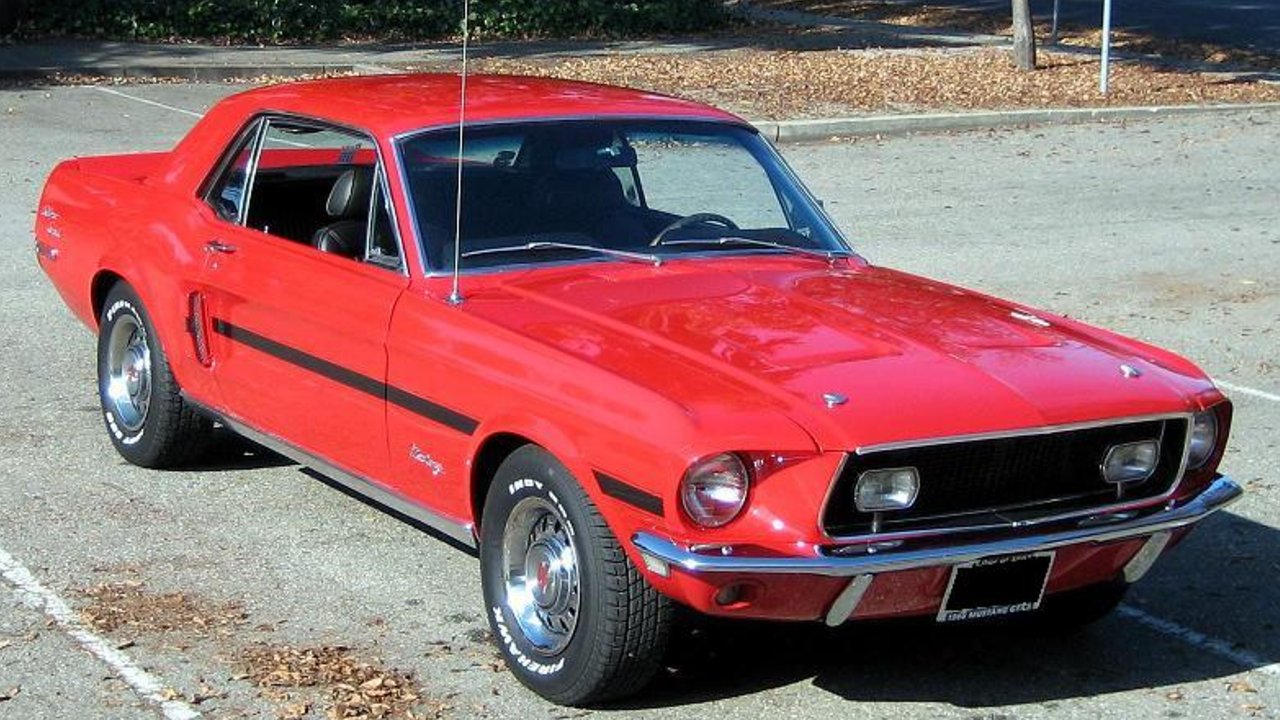
When people think of classic Ford performance, the Mustang usually takes center stage, but several full-size and intermediate models quietly delivered equal or greater muscle. I find these cars compelling because they show how Ford spread high-output engines and heavy-duty hardware across its lineup, creating unexpected performance heroes in segments better known for comfort than quarter-mile times. They often shared powertrains with halo models yet never earned the same long-term recognition.
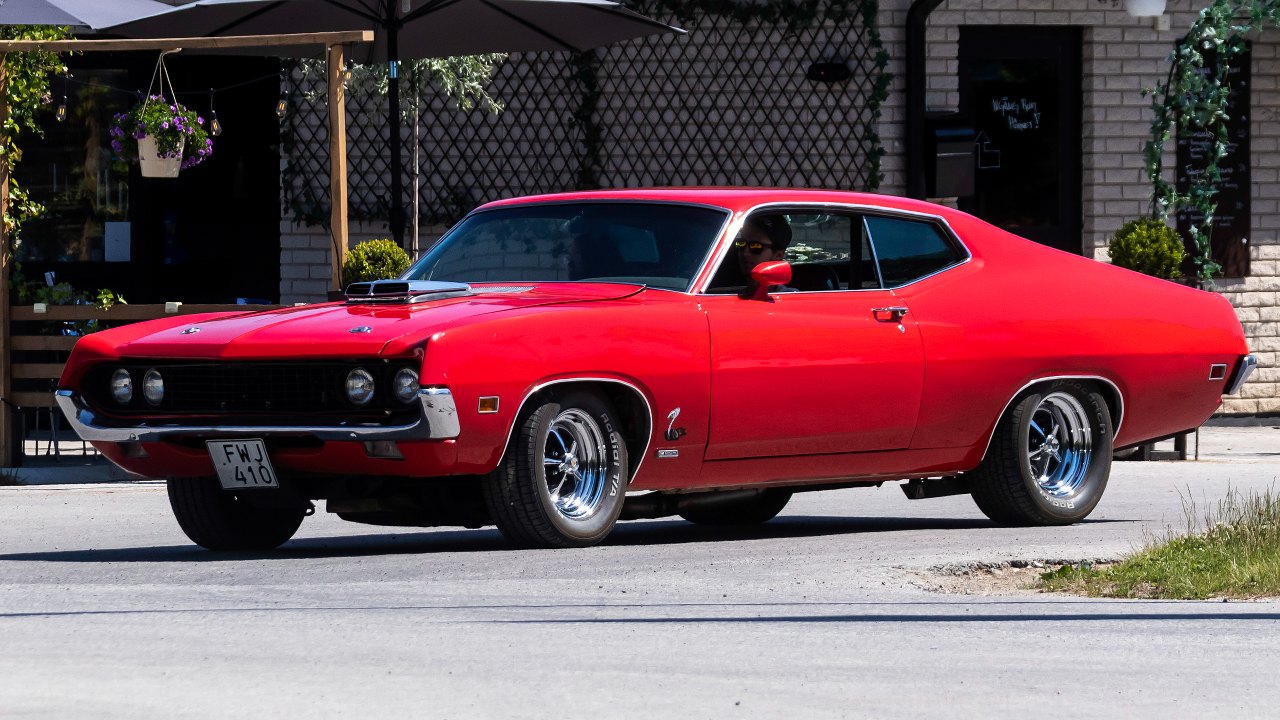
The Ford Torino Cobra and later Torino Talladega are prime examples, pairing big-block V8s with aerodynamic tweaks that were designed with NASCAR in mind rather than boulevard cruising. The Talladega’s reshaped nose and extended front bumper were engineered to cut drag on superspeedways, and the street cars retained that slippery profile along with robust drivetrains, a combination that detailed histories of the Torino Talladega credit with giving Ford a crucial edge in stock car racing. At the same time, the Galaxie 500 and LTD lines could be ordered with high-compression big-blocks and heavy-duty suspensions that turned otherwise sedate family sedans into serious straight-line performers, a configuration that period coverage of the Galaxie 7‑Litre underscores with quarter-mile figures that rivaled better-known muscle coupes.
Front-drive hot compacts that previewed modern performance Fords
Long before the current crop of turbocharged hatchbacks, Ford experimented with compact performance that relied on nimble chassis tuning rather than raw displacement. I see these front-drive hot compacts as important stepping stones, previewing the formula that would later define models like the Focus ST and Fiesta ST. They delivered accessible speed and sharp handling in packages that were affordable and practical, which made them influential even if they never became icons.
The Escort GT and later Escort ZX2 S/R used upgraded suspensions, close-ratio gearboxes, and higher-output four-cylinder engines to turn basic commuter cars into credible back-road tools. Contemporary tests of the Escort ZX2 S/R highlight how its stiffer springs, revised dampers, and performance tires transformed grip and responsiveness, even though the styling barely changed. In Europe, the Fiesta XR2 and early XR3i Escorts followed a similar path, pairing modest power increases with chassis tuning that made them favorites among younger drivers, a pattern that historical overviews of the Fiesta XR2 credit with establishing Ford’s reputation for lively small cars.
Modern-era specials that slipped under the radar
Even in the modern era of internet hype and instant cult status, some high-performance Fords have remained relatively low profile, especially when they were sold in limited numbers or specific regions. I am struck by how these cars often combined advanced technology with serious performance, yet they never quite broke through to mainstream awareness. They show that Ford continued to experiment with niche performance formulas well into the 21st century.
The Ford Falcon XR6 Turbo from Australia is one of the clearest examples, pairing a turbocharged inline-six with rear-wheel drive and a chassis tuned for both comfort and speed. Reviews of the Falcon XR6 Turbo consistently point to its effortless torque and ability to match or beat contemporary V8 rivals, all while presenting as a straightforward family sedan. In North America, the Ford Taurus SHO carried a similar sleeper ethos, especially in its earlier Yamaha‑engined iterations and later EcoBoost all-wheel-drive versions, which combined understated styling with acceleration figures that put it in league with more overt sports sedans, a contrast that road tests of the Taurus SHO emphasize by comparing its performance to far more expensive competitors.

Leave a Reply