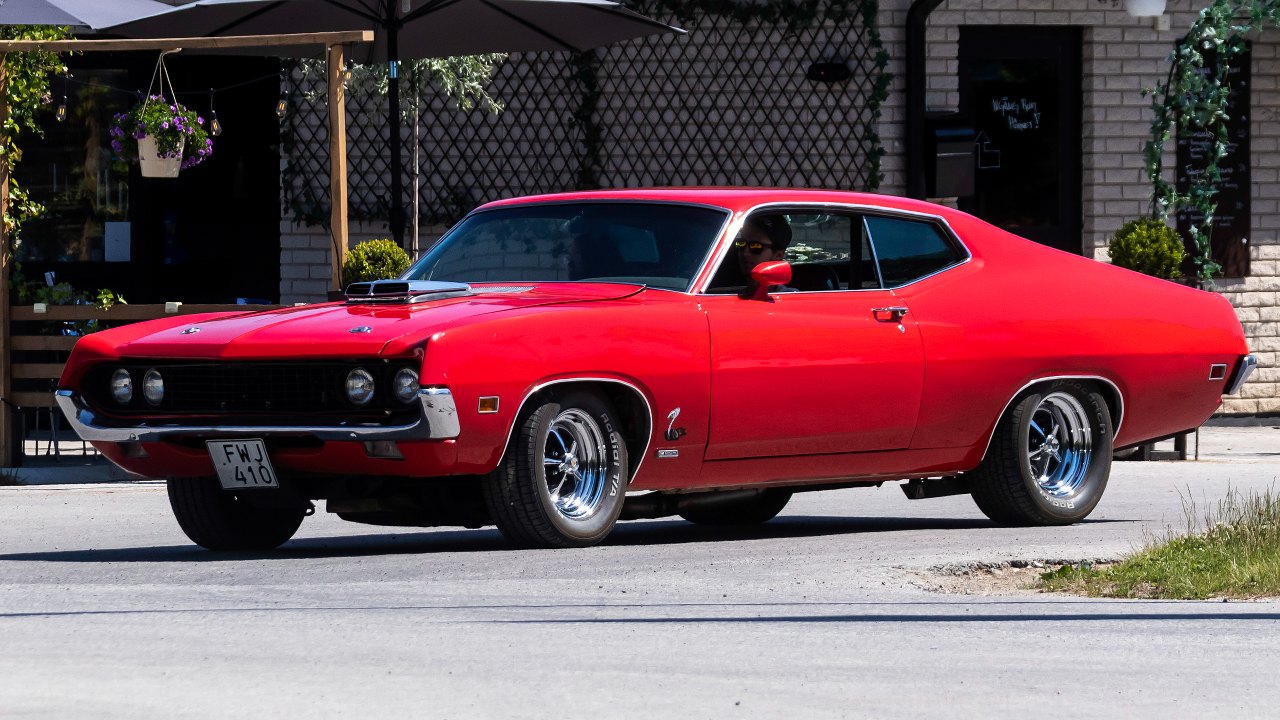
Ford’s big-block Torino Cobra Jet 429 arrived at the peak of the muscle car era, a short-lived factory weapon that now commands serious attention from collectors. Understanding when and how Ford produced these cars is essential to making sense of the prices they bring today and why certain configurations are treated like blue-chip investments.
I want to trace the Torino Cobra Jet 429 from its late‑1960s origins through its 1970 performance zenith, then connect that history to current market behavior, rarity premiums, and what buyers should look for if they are chasing one of these cars now.
From intermediate family car to muscle flagship
The Torino started life as a fairly conventional intermediate, but it did not take long for Ford Motor Company to recognize its potential as a performance platform. A detailed enthusiast history notes that the Ford Torino Cobra was produced by Ford Motor Company from 1968 to 1976, and that The Torino was originally intended as a more upscale version of the Fairlane before performance packages transformed its image. By the time the Cobra nameplate appeared, the car had shifted from family transport to a serious street and strip contender.
That same community reporting on the Ford Torino Cobra highlights how quickly the model evolved once buyers started ordering big engines and special paint and trim. The Cobra package turned The Torino into a halo car for Ford’s intermediate line, and it set the stage for the arrival of the 429 Cobra Jet and Super Cobra Jet options that would define the car’s reputation among collectors today.
How the 429 Cobra Jet and Super Cobra Jet fit into Ford’s strategy
By 1970, Ford was locked in a horsepower and racing credibility battle with rivals, and the Torino became the company’s top muscle offering. A performance feature published on Aug 9, 2025 describes how, by 1970, Ford’s top muscle offering was the Torino Co, and how engineers turned it into what the writer calls a factory weapon built for quarter-mile warfare, especially in 429 Super Cobra Jet Drag Pak form, which you can see in a super-rare 1970 Torino Cobra 429 SCJ profile. That context makes clear that the 429 program was not an afterthought but a centerpiece of Ford’s muscle strategy.
Another detailed overview titled About the Torino Cobra Jet explains that the 1970 Torino came with a potent 360-horsepower Thunder Jet V8 and a four-speed Toploader transmission, even before stepping up to the most aggressive drag packages. That combination of the Torino, the Thunder Jet engine, and the Toploader gearbox shows how Ford built a performance ladder that started with strong street power and climbed to the 429 Cobra Jet and Super Cobra Jet options for buyers who wanted race-ready hardware straight from the showroom.
Decoding the 429: Cobra Jet, Super Cobra Jet, and Ram Air
For collectors, understanding the 429 variants is crucial, because subtle differences in codes and options translate into major value gaps today. A long-running discussion among owners of the 70 Torino Cobra N-Code points out that the Ram Air cars got a different VIN, and that all 429 Ram air cars were all J-codes, with Ram Air only optional on the hottest versions, as explained in a detailed VIN breakdown. That means a correct J-code Ram Air car is not just a cosmetic variant but a mechanically distinct and more desirable configuration.
The same discussion emphasizes the importance of the 429 designation itself, which appears repeatedly in factory documentation and enthusiast decoding guides, and which collectors now treat as a baseline requirement for serious investment-grade Torinos. When I compare that with the way the Torino Cobra Jet overview separates the standard 360-horsepower Thunder Jet from the more aggressive Cobra Jet and Super Cobra Jet packages, it is clear that the market is really paying for the combination of the 429 block, the right VIN code, and the associated heavy-duty hardware that came with the SCJ and Drag Pak options.
The 1970 model year as the performance peak
Among all Torino years, 1970 stands out as the performance and design high point, and that is exactly where the 429 Cobra Jet and Super Cobra Jet cars sit. A feature on the 1970 Torino Super Cobra Jet notes that the 1970 Torino came with a 360-horsepower Thunder Jet V8 and a four-speed Toploader, then steps up to describe the more focused drag-oriented packages in its Super Cobra Jet description. That progression shows how Ford used the 1970 redesign to create a more aerodynamic body and then backed it up with serious big-block power.
Another enthusiast deep dive on the 1970 Ford Torino Cobra, published on Jul 24, 2018, describes how approximately 7,600 customers of the Cobra bought themselves what the writer calls a giant-slaying underdog, as detailed in the Cobra performance story. That figure of 7,600 cars, combined with the relatively small subset that carried the 429 Cobra Jet or SCJ hardware, helps explain why the 1970 model year is treated as the sweet spot by collectors who want both rarity and peak-period performance.
Production numbers, rarity, and special editions
Rarity is the currency of the collector market, and the Torino Cobra Jet 429 story is full of low-volume variants that now command a premium. The same Jul 24, 2018 analysis that cites approximately 7,600 Cobra buyers underscores how small the pool becomes once you filter for specific engines and options, especially the 429 and Ram Air combinations documented in the Ram Air VIN discussion. When every 429 Ram Air car is a J-code and Ram Air itself was optional, the number of surviving cars with that exact configuration is inevitably limited.
Special editions push scarcity even further. A social media feature on the Ford Torino Twister Special, dated Sep 7, 2025, calls the 1970 Ford Torino Twister Special one of the rarest and most electrifying muscle cars of the golden era and notes that it used hardware like the 429 Cobra Jet, as highlighted in the Ford Torino Twister Special post. When a car combines a limited regional package like Twister with the 429 Cobra Jet drivetrain, it moves into a different tier of desirability, which is exactly what current auction results reflect.
Documented one-of-one cars and their market impact
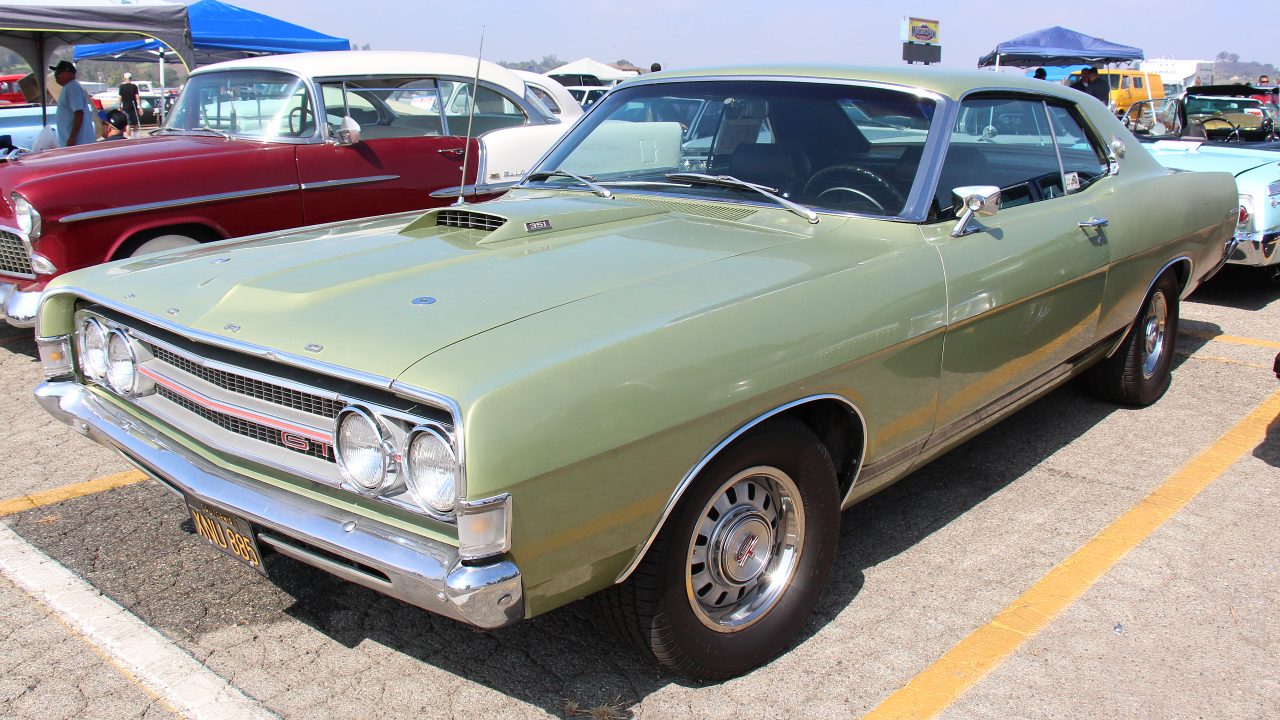
At the very top of the market, documentation and uniqueness can turn a strong Torino Cobra Jet into a headline sale. A profile of a 1970 Ford Torino GT 429 SCJ, dated Sep 30, 2011, describes a car From the Dave, Garage Car Collection that is characterized as One of one, fully documented, and ultra-rare, as detailed in the Ford Torino GT 429 SCJ profile. The key detail is the 429 Super Cobra Jet specification combined with a unique set of options that no other documented car shares, which is exactly the sort of combination that drives collectors to pay a premium.
When I compare that one-of-one Torino GT 429 SCJ to more typical Cobra Jet cars, the pattern is clear: the market rewards not just the presence of the 429 and SCJ hardware but also the paper trail that proves originality. The Sep 30, 2011 write-up emphasizes how the SCJ package added heavy-duty internals and drag-oriented gearing, and when that is paired with a rare color or trim combination, the result is a car that sits at the top of the Torino hierarchy. That is why serious buyers scrutinize build sheets and Marti reports before committing to six-figure prices on these cars.
Why some enthusiasts call the 1970 Torino Cobra Ford’s best muscle car
Among Ford loyalists, there is a growing argument that the 1970 Torino Cobra, especially in 429 Cobra Jet form, represents the company’s best all-around muscle car of the era. A feature dated Oct 20, 2023 explicitly frames the 1970 Torino Cobra as Ford’s standout performance car of the golden age, describing it as Completely new inside-out and highlighting how the redesign improved both style and capability, as detailed in the Oct feature. That argument rests on the idea that the Torino’s size, weight distribution, and big-block options gave it an edge over smaller pony cars in real-world performance.
A complementary video feature dated Oct 16, 2023, focused on a 1970 Ford Torino 429 Cobra Jet, notes that When it comes to mixing muscle car brute force with elegance and refinement, few do it better than a 1970 Ford Torino, as shown in the Ford Torino 429 video. That blend of styling and power is exactly what collectors look for when they decide whether to chase a Torino Cobra Jet 429 instead of a more common Mustang, and it helps explain why values for the best examples have been climbing.
How the drag-strip heritage shapes collector demand
The 429 Super Cobra Jet Drag Pak cars occupy a special place in the Torino story because they were built with quarter-mile performance as the primary goal. The Aug 9, 2025 feature on a super-rare 1970 Torino Cobra 429 SCJ Drag Pak describes the result as a factory weapon built for quarter-mile warfare and notes that by 1970, Ford’s top muscle offering was the Torino Co, as detailed in the Drag Pak spotlight. That kind of language reflects how these cars were perceived when new and why they are now treated as purpose-built race machines rather than just fast street cars.
Drag-oriented hardware like deep rear gears, oil coolers, and heavy-duty internals in the SCJ package means that surviving Drag Pak cars often have hard use in their past, which makes unmodified examples even more valuable. When I line up that reality with the production context from the Cobra performance story, which notes approximately 7,600 Cobra buyers overall, it becomes clear that only a small fraction of those cars were built as 429 SCJ Drag Pak models. That scarcity, combined with the racing pedigree, is a major driver of the strong prices these cars bring when they appear at auction.
Current collector values and what buyers should watch for
Today’s market treats the Torino Cobra Jet 429 as a serious collectible, but values vary widely depending on specification, documentation, and condition. The Oct 20, 2023 analysis of the 1970 Torino Cobra notes that Ford sold 7,675 Torino Cobras and then goes on to discuss how the 1970 Torino Cobra today is increasingly recognized by enthusiasts and collectors, as outlined in the Torino Cobra market overview. That recognition has translated into rising prices for well-optioned cars, particularly those with the 429 Cobra Jet or SCJ engines and Ram Air.
At the very top end, documented one-of-one cars like the 1970 Ford Torino GT 429 SCJ From the Dave, Garage Car Collection show how far the market can go when rarity and paperwork align, as seen in the Ford Torino GT 429 SCJ profile. For buyers, the lesson is straightforward: verify the 429 or SCJ specification through VIN and option codes, confirm Ram Air where claimed using the J-code guidance from the Ram Air VIN discussion, and prioritize cars with strong documentation. Unverified based on available sources are precise current price ranges, but the pattern across these reports is that the best 429 Cobra Jet and Super Cobra Jet Torinos now sit firmly in the upper tier of classic muscle car values.