The Mustang Bullitt name has only appeared on a handful of factory cars, but those limited runs have turned into one of the most closely watched corners of the modern pony-car market. Collectors track them because each generation ties directly back to the 1968 movie car while also reflecting the performance and styling of its era.
To understand what years Ford made the Mustang Bullitt editions and what they are worth now, I need to separate the mythology from the production facts, then look at current pricing data and auction results. The pattern that emerges is a three‑chapter story of special‑edition Mustangs that started as a nostalgia play and has evolved into a serious, if still accessible, collector niche.
Every official Mustang Bullitt generation and production years
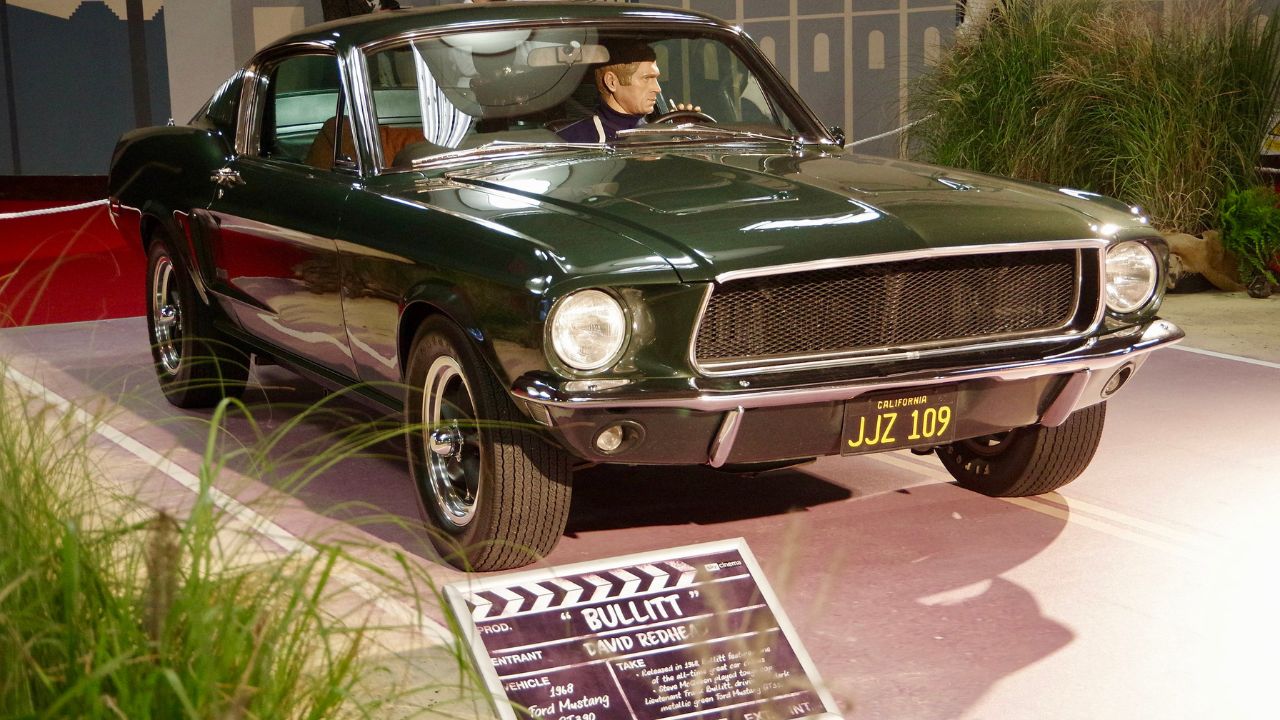
Ford has treated the Bullitt badge as a recurring tribute rather than a continuous model line, which is why the production years are clustered instead of running straight through. The original inspiration is the Highland green Mustang fastback that Steve McQueen drove in the 1968 film, a car that later tributes explicitly reference as a “legendary movie car” and the template for the modern editions. That cinematic origin is why every factory Bullitt has leaned on a dark green exterior, de‑chromed trim, and understated badging instead of the louder stripes and spoilers that define many other Mustang specials.
The first official production Bullitt arrived for the 2001 model year, based on the contemporary GT and built in limited numbers that one analysis pegs at “Between 2001 and 2002 only about 5,500 of the special edition Mustangs were made,” even though the car itself was only offered as a 2001 model. Later coverage of Mustang Bullitt Details and Specs notes that Ford revived the idea again as a 2008 and 2009 Bullit package, then brought it back a third time for the 2019 model year, creating three distinct factory generations that enthusiasts now track as a lineage. A dedicated narrative project titled Mustang Bullitt, Generations Standard Edition, along with a related Mustang Bullitt, Generations blog that describes a 144-page deep dive into the cars’ styling and performance, reinforces that the official Bullitt story is built around those 2001, 2008–2009, and 2019 runs.
How the 2001 Bullitt set the template and what those cars are worth now
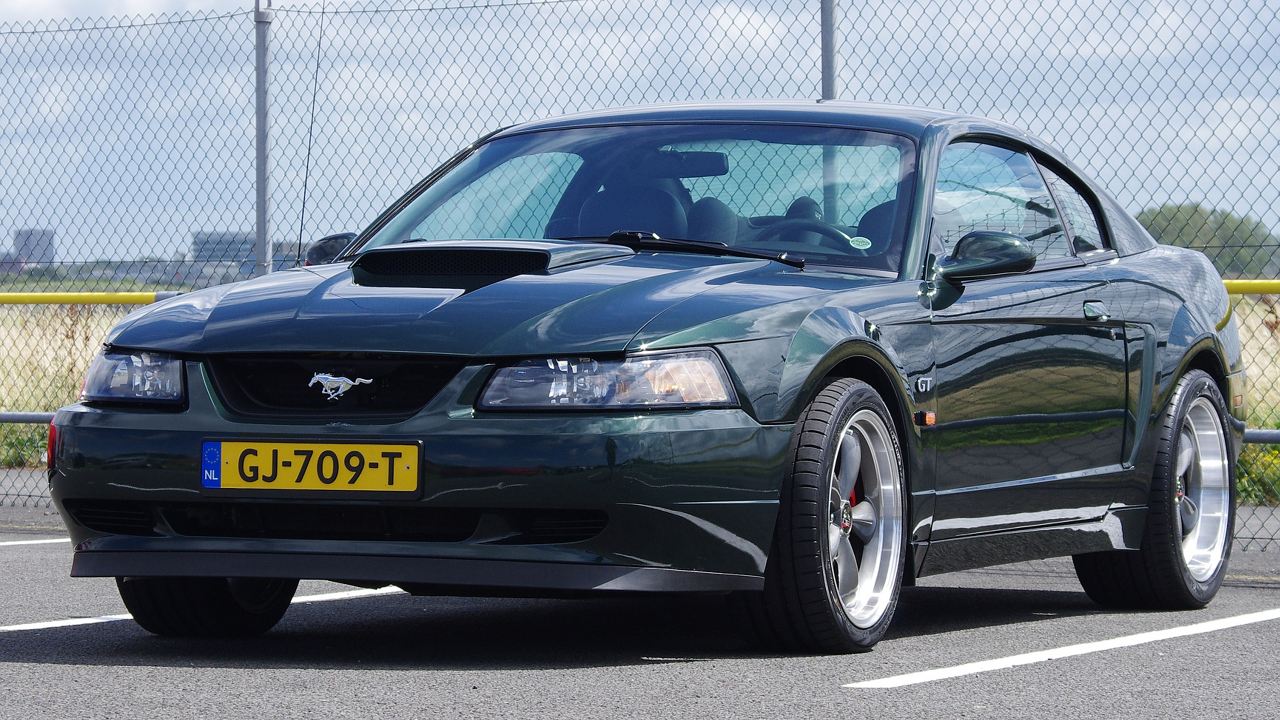
The 2001 Ford Mustang GT Bullitt Coupe was the first time Ford tried to bottle the movie car’s cool factor in a modern package, and it set the visual and mechanical template that later versions followed. The car used the contemporary GT as its base, then added a specific suspension tune, unique wheels, and a de‑badged, monochrome look that echoed the Highland green original without copying it outright. That combination of subtle styling and modest performance upgrades is why a 2013 analysis argued that the early Bullitt is “relatively rare,” pointing to the roughly 5,500 Mustangs built in that first wave as a key part of its appeal.
On the value side, the 2001 Bullitt has behaved more like a lightly collectible used Mustang than a blue‑chip classic, at least so far. Current pricing data for a 2001 Ford Mustang GT Bullitt Coupe 2D pegs its resale value at $8,513, a figure that reflects typical depreciation curves rather than explosive appreciation. That same source frames the number in a Ford Mustang GT Bullitt Coupe Depreciation context, underscoring that mileage, condition, and options still drive individual deals, a point echoed by dealer guidance that reminds buyers to Keep in mind that each used vehicle is like a snowflake and that Pricing depends on those specifics. In practice, that means clean, low‑mile 2001 cars can trade above guide values, but the broader market still treats them as attainable entry points into the Bullitt story rather than museum pieces.
The 2008–2009 S-197 Bullitt and its emerging collector profile
The second‑generation Bullitt arrived on the fifth‑generation Mustang platform, often referred to as the S‑197, and it sharpened the formula that the 2001 car had introduced. Built for the 2008 and 2009 model years, this Ford Mustang Bullitt used the then‑new retro‑styled body with a more powerful V8, upgraded suspension, and the same stripped‑back aesthetic that downplayed badges in favor of stance and color. A dedicated market page for the Ford Mustang Bullitt, S‑197 I, 5th Gen tracks these 2008 to 2009 cars as a distinct slice of the broader fifth‑generation Mustang market and notes that enthusiasts follow metrics like the 197 internal platform reference when comparing them to other S‑197 variants.
Values for the 2008 and 2009 Bullitt have started to separate from standard GTs, but they still live in a middle ground between daily driver and full‑blown collectible. A valuation overview for the 2009 Ford Mustang Bullitt frames the key question directly under “Common Questions How much is a 2009 Ford Mustang Bullitt worth?” and stresses that the answer varies widely with condition and mileage, with a typical good‑condition example sitting in a modest premium band over a comparable GT. Auction coverage from late 2019 that looked at Bullitt Mustangs across multiple years described how, Of the three, two came from the same collection and proved to be the most valuable, with the 1968 Ford movie‑era car naturally commanding the headlines while the 2008–2009 examples showed that later Bullitts can still be “bargains” for collectors. Taken together, the data suggests that these S‑197 Bullitts are edging into future‑classic territory, but they remain accessible for buyers who want a special‑edition Mustang they can still drive regularly.
The 2019–2020 Bullitt’s short run and current market numbers
The most recent Bullitt generation arrived on the modern Mustang platform and leaned even harder into the nostalgia, with power and technology that far outstrip the earlier cars. Ford positioned the 2019 Mustang BULLITT Coupe as a tribute to the Highland green Mustang fastback that Steve McQueen drove, pairing the signature dark green paint and minimal badging with a more powerful V8 and contemporary safety and infotainment tech. Although the Bullitt nameplate was officially tied to the 2019 model year, pricing data treats the 2019 and 2020 Ford Mustang BULLITT Coupe 2D together as the final chapter before Ford discontinued the package in favor of other performance variants.
On paper, the late‑model Bullitts have already shed a noticeable chunk of their original sticker price, but they still command a premium over standard GTs. Current data for a 2019 Ford Mustang BULLITT Coupe 2D notes that the car has depreciated $13,449 or 34% in the last 3 years and now carries a resale value of $25,466, with a typical trade‑in value of $24,283. The 2020 Ford Mustang BULLITT Coupe 2D Depreciation figures show a similar pattern, with that car having depreciated $11,147 or 26% over a comparable period. Those numbers confirm that the newest Bullitts are still in the normal depreciation window for late‑model performance cars, but the fact that they are tracked separately from other Mustangs, and that the Bullitt name has already been discontinued, suggests that their values are likely to stabilize sooner than a standard GT once supply tightens.
How Bullitt values compare and what buyers should watch next
Across all three generations, Bullitt Mustangs occupy a niche between everyday pony cars and high‑dollar collectibles, and their values reflect that middle ground. The 2001 cars sit near the bottom of the curve at around $8,513 for a typical Ford Mustang GT Bullitt Coupe, the 2008–2009 S‑197 Bullitt models trade at a modest premium over comparable GTs according to valuation tools that answer Common Questions How much is a 2009 Ford Mustang Bullitt worth, and the 2019–2020 Ford Mustang BULLITT Coupe examples still behave like late‑model used cars with five‑figure depreciation totals. Auction coverage that highlighted Bullitt Mustangs from 1968 through 2019 underlined that, Of the three, the original movie‑era Ford commanded the most money, while the later tributes offered “Bullitt bargains” for enthusiasts who want the look and story without the seven‑figure price tag.
For anyone shopping or holding one of these cars, the key is to treat each Bullitt as a limited‑run variant whose value still depends heavily on condition, mileage, and originality. Dealer guidance that urges buyers to Keep in mind that each used vehicle is like a snowflake and that Pricing depends on those specifics applies especially strongly here, since small details like correct wheels, paint, and interior trim can make a noticeable difference in a niche collector market. At the same time, projects like Mustang Bullitt, Generations Standard Edition and the 144-page Mustang Bullitt, Generations book signal that the story of these cars is being documented and celebrated in a way that usually supports long‑term interest. Based on the available sources, the exact production totals for each year remain Unverified based on available sources, but the limited production windows in 2001, 2008–2009, and 2019, combined with steadily tracked resale data for models like the Ford Mustang BULLITT Coupe, suggest that the Bullitt name is likely to remain one of the safer bets among modern special‑edition Mustangs.