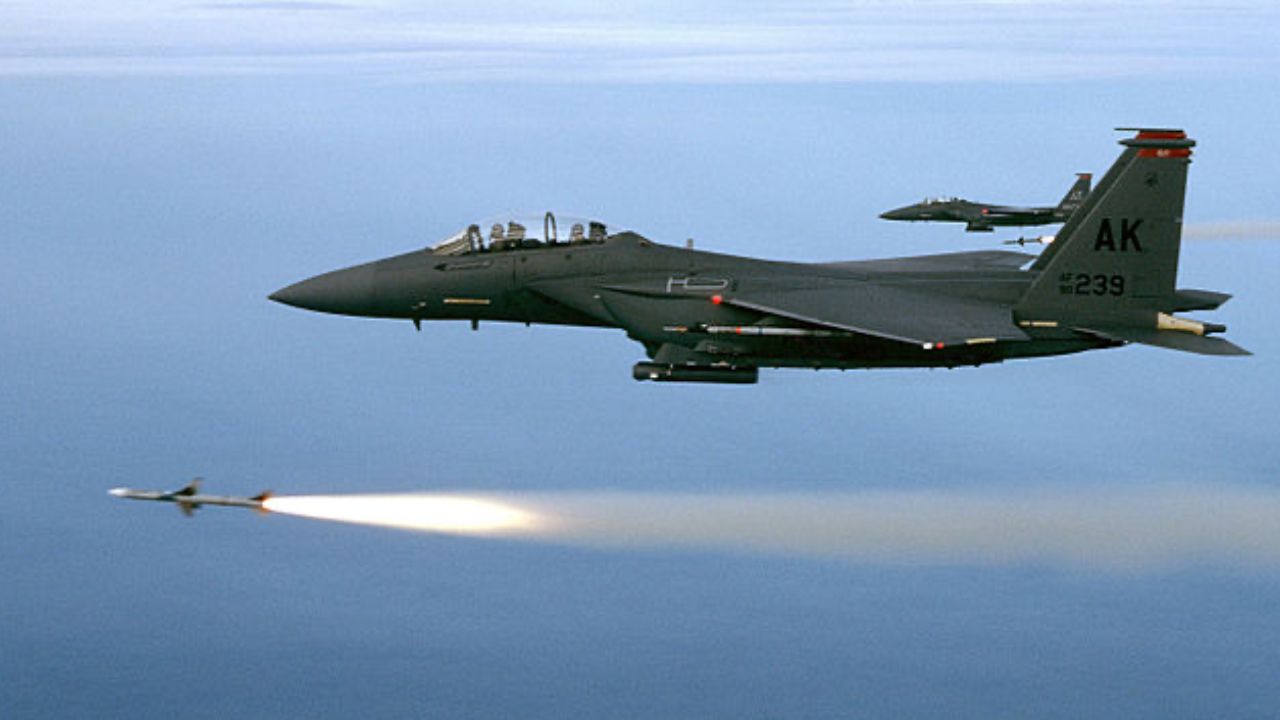
America didn’t just build jets—it built icons that could shatter the sound barrier and expectations at the same time. From Cold War legends to stealth-era powerhouses, these fighters didn’t just serve—they symbolized speed, dominance, and raw engineering prowess. Whether flying combat missions or flexing muscle at airshows, these jets helped define American airpower in ways no ground vehicle ever could.
F-15 Eagle
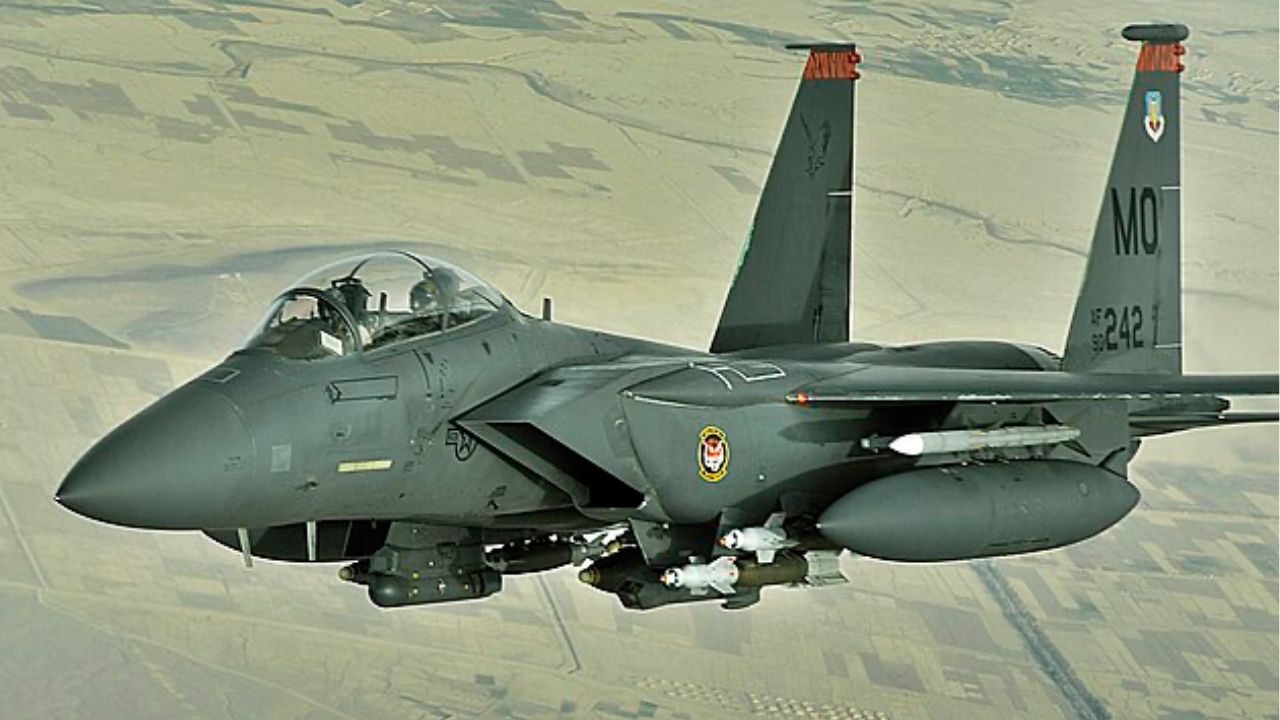
The F-15 Eagle wasn’t built to be second-best—it was built never to lose a fight. Introduced in the mid-1970s, the twin-engine air superiority fighter earned over 100 confirmed aerial kills with zero losses in dogfights. It could hit Mach 2.5 and climb like a rocket, and cost about $30 million per unit in the late ’80s.
F-4 Phantom II

The McDonnell Douglas F-4 Phantom II ruled the skies through Vietnam and beyond. It was fast, ugly, and effective—capable of Mach 2.2 and carrying every kind of ordnance you could bolt to a wing. Over 5,000 were built, and it served in nearly every U.S. branch, making it a Cold War workhorse.
F-22 Raptor
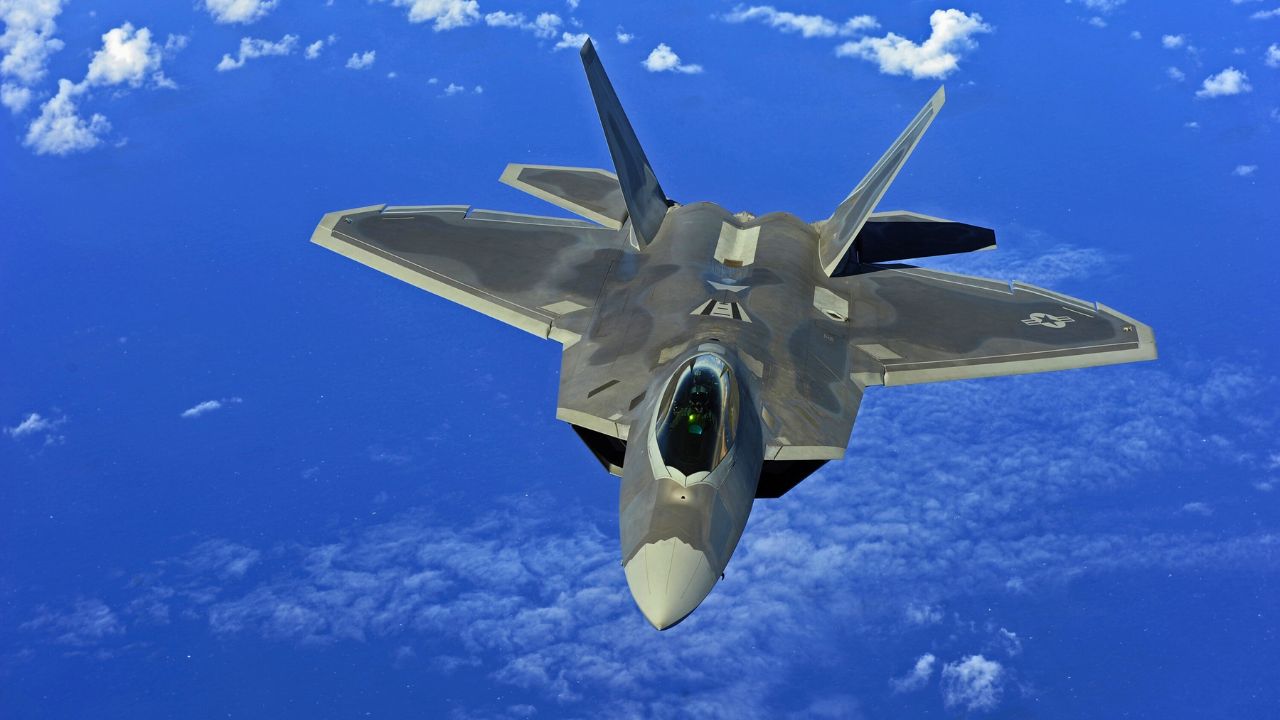
The F-22 Raptor brought stealth and agility to the supersonic stage. Entering service in 2005, it could supercruise at Mach 1.8 without afterburners and dance through the air with vector thrust. With a production cost of around $150 million per unit, it was too expensive to build in bulk—but unmatched in capability.
SR-71 Blackbird

The SR-71 Blackbird didn’t just go Mach 2—it went well beyond it. Topping out over Mach 3.3, the jet cruised higher than 85,000 feet, dodging missiles by simply outrunning them. Each aircraft cost over $34 million in the 1960s and was built largely of titanium to withstand the heat from sheer speed.
F-14 Tomcat

Built to guard carrier battle groups, the F-14 Tomcat was pure American muscle in the sky. It had swing wings, twin engines, and long-range missiles. Introduced in 1974, it could hit Mach 2.34 and was famous for its role in Top Gun. At around $38 million apiece, it earned every dollar.
B-58 Hustler

The Convair B-58 Hustler was the first bomber to fly at Mach 2—and look good doing it. It entered service in 1960 and cost nearly $12 million each, a fortune at the time. With four GE J79 engines and a delta-wing design, it could outrun interceptors but never found a long-term strategic niche.
F-100 Super Sabre

The F-100 Super Sabre was the first U.S. jet to fly faster than sound in level flight. Introduced in the mid-1950s, it served heavily in Vietnam. It pushed past Mach 1.3 and set the stage for the faster Century Series jets that followed. Over 2,000 were built.
F-106 Delta Dart

The F-106 Delta Dart never got the fame it deserved. Designed to intercept Soviet bombers, it could cruise at Mach 2.3 and carried a nuclear-tipped missile for one-shot kills. It was sleek, fast, and largely forgotten—yet it was one of the best interceptors the U.S. ever flew.
XB-70 Valkyrie

The North American XB-70 Valkyrie looked like it flew in from the future. Designed to cruise at Mach 3 with six afterburning engines, it aimed to deliver nukes at high speed and altitude. Only two prototypes were built due to cost and changing strategy, but the Valkyrie remains one of the most ambitious jets ever built.
F-16 Fighting Falcon

The F-16 Fighting Falcon has outlasted almost everything it flew with. Lightweight, single-engine, and deadly, the F-16 entered service in the late 1970s and is still flying combat missions today. It tops out around Mach 2 and was affordable at under $20 million per unit, making it a global favorite.
Like Fast Lane Only’s content? Be sure to follow us.
Here’s more from us: