The 1969 Buick Wildcat stands as a testament to the era of American muscle cars, combining full-size luxury with performance that could rival its smaller counterparts. With its powerful engine options and stylish design, the Wildcat made a significant impact on the automotive landscape of the late 1960s.
Historical Context of the 1969 Buick Wildcat
The late 1960s marked a golden age for American muscle cars, a time when power and performance took center stage in the automotive industry. Manufacturers like Ford, Chevrolet, and Pontiac were rolling out high-performance vehicles that captured the imagination of car enthusiasts and everyday drivers alike. The Wildcat emerged from this competitive landscape as a full-size car with a bold statement: that luxury and speed could coexist without compromise.
Buick, a division of General Motors, positioned itself as a maker of premium vehicles, catering to buyers who desired both comfort and performance. The Wildcat was introduced in 1963 and evolved over the years to capture the essence of American automotive design and performance. By 1969, the model had become a symbol of Buick’s ambition to compete with the likes of the Chevrolet Camaro and the Ford Mustang, albeit in a larger, more luxurious package.
Design and Aesthetics
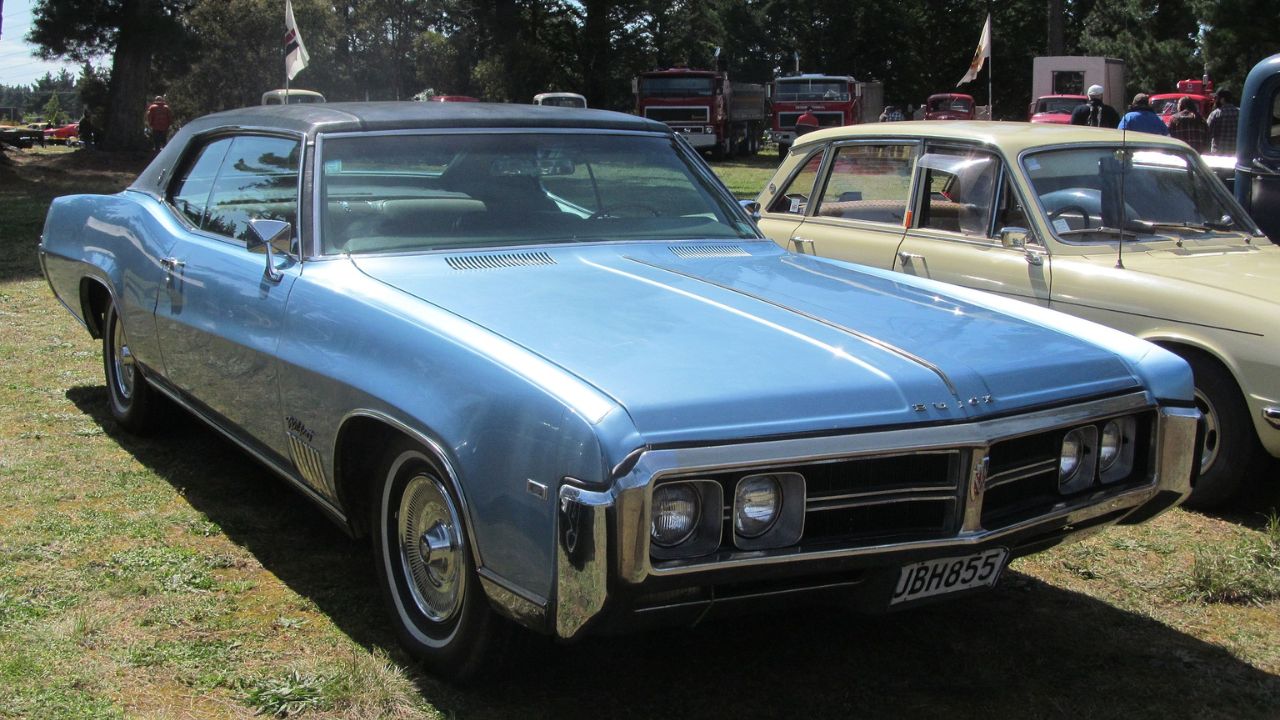
The exterior design of the 1969 Buick Wildcat is a striking blend of elegance and aggression. The long hood and short rear deck create a classic muscle car silhouette, accentuated by its sweeping body lines and distinctive grille. The front fascia features a prominent bumper and sleek headlights that give the Wildcat a commanding presence on the road. Optional features like the “Wildcat” script on the front fenders and chrome accents enhance its visual appeal, making it stand out even among muscle cars.
Inside, the Wildcat offers a level of luxury that is often absent in smaller muscle cars. Plush seating, high-quality materials, and an array of options such as power windows and air conditioning provide comfort for both driver and passengers. The spacious cabin is designed for longer trips, making it a practical choice for those who enjoy cruising in style. Color options in 1969 included bold hues like “Riviera Red” and “Seafoam Green,” allowing buyers to express their personality through their vehicle.
Performance Specifications
The 1969 Buick Wildcat was not just about looks; it also delivered impressive performance, particularly with its available 455 cubic inch V8 engine. This powerhouse produced a remarkable 360 horsepower and 420 lb-ft of torque, enabling the Wildcat to accelerate with confidence. The engine’s design included a four-barrel carburetor, which contributed to its robust performance metrics. In terms of acceleration, the Wildcat could go from 0 to 60 mph in approximately 7.0 seconds, a notable feat for a full-size car of its time.
When compared to smaller muscle cars like the Chevrolet Camaro and Ford Mustang, the Wildcat held its ground admirably. While those models excelled in nimbleness and agility, the Wildcat offered a unique blend of power and refinement that appealed to a different kind of driver. Its performance metrics were impressive for its class, showcasing that full-size cars could not only compete but also thrive in the muscle car arena. The debate over the superiority of smaller versus larger muscle cars continues to this day, but the Wildcat’s specifications are a testament to its capabilities.
Driving Experience
Behind the wheel of a 1969 Buick Wildcat, drivers experience a harmonious balance of power and comfort. The steering is responsive, and the suspension system is designed to absorb bumps and imperfections in the road, providing a smooth ride even at higher speeds. Many contemporary drivers have remarked on the Wildcat’s ability to glide effortlessly, making it suitable for both daily driving and weekend adventures. The sound of the engine is a throaty growl, adding to the overall experience and reminding the driver of the muscle car’s performance heritage.
Automotive reviews from the late 1960s praised the Wildcat for its handling characteristics, particularly for a full-size vehicle. While it may not have been as agile as its smaller competitors, drivers appreciated its stability and confidence-inspiring road manners. Feedback from owners today often highlights the joy of driving a Wildcat, with many noting the car’s ability to turn heads and evoke nostalgia. The driving experience is a key aspect of what makes the Wildcat a cherished classic in the muscle car community.
Competition with Smaller Muscle Cars
The competition between the 1969 Buick Wildcat and smaller muscle cars like the Chevrolet Camaro and Ford Mustang is a fascinating aspect of automotive history. While the Wildcat boasted a more powerful engine and greater luxury, smaller cars excelled in terms of agility and handling. The Wildcat’s size often led to mixed perceptions in the muscle car community, with some enthusiasts viewing it as an outsider due to its full-size stature.
Notable races and comparisons during the era showcased the Wildcat’s prowess on the track. One particularly famous matchup featured the Wildcat against the Camaro, where the Wildcat’s acceleration outpaced the smaller vehicle off the line, demonstrating that size did not equate to slow. While the Wildcat may not have captured the same level of iconic status as its smaller counterparts, it carved out a niche that emphasized power and luxury, appealing to a different demographic of car enthusiasts.
Legacy and Cultural Impact
The 1969 Buick Wildcat has left an indelible mark on popular culture and automotive history. During the late 1960s, it appeared in various films and television shows, often representing the allure of American muscle and the freedom of the open road. Its bold design and powerful performance resonated with audiences, contributing to its status as a cultural icon. Today, the Wildcat is celebrated not only in car shows but also within the pages of automotive literature, where it is often referenced as a unique example of a full-size muscle car.
In car clubs and gatherings, enthusiasts continue to admire the Wildcat for its blend of style and performance. Members share stories and experiences, showcasing their restored or modified Wildcats. The influence of the Wildcat can be seen in future Buick models, as the company sought to maintain the balance of luxury and performance while adapting to changing market demands. The Wildcat’s legacy serves as a reminder of a time when American cars ruled the roads and left a lasting impression on automotive enthusiasts.
Collectibility and Market Value
In today’s classic car market, the 1969 Buick Wildcat is gaining attention among collectors and enthusiasts. As interest in muscle cars continues to grow, the Wildcat’s unique blend of performance and luxury makes it an attractive option for those seeking a piece of automotive history. Current market trends indicate that well-maintained Wildcats can fetch prices in the range of $20,000 to $40,000, depending on condition and originality.
Several factors influence the value of the 1969 Wildcat today, including rarity, condition, and historical significance. Cars that retain their original parts and paint tend to command higher prices. Additionally, documented history, such as previous ownership or participation in events, can enhance a Wildcat’s desirability. For potential buyers or restorers, researching the market and networking within the classic car community can provide valuable insights into obtaining a Wildcat that meets their preferences.
Owner Experiences and Testimonials
Current owners of the 1969 Buick Wildcat often share passionate anecdotes about their vehicles. Many describe the joy of driving a car that combines nostalgia with performance, making it a unique experience on the road. From family road trips to weekend car shows, the Wildcat serves as a conversation starter and a link to automotive history. Owners frequently mention how the car draws attention wherever it goes, allowing them to connect with other enthusiasts who appreciate its legacy.
Common modifications among Wildcat enthusiasts include performance upgrades, such as enhanced exhaust systems and engine tuning, as well as cosmetic restorations to maintain the car’s classic look. Community events often center around the Wildcat, with owners gathering to share tips and experiences or to simply enjoy a day of camaraderie. Whether participating in car shows or cruising the streets, the Wildcat continues to foster a sense of community among its owners, making it a cherished part of automotive culture.
More from Fast Lane Only