When gasoline prices spike, you feel it immediately in your weekly budget and in how you think about your next car. The current surge at the pump is pushing more drivers to look at electric options, and the effect on demand could be dramatic. Yet even if you join that wave, higher fuel costs alone will not fix the structural problems that still hold back electric vehicles.
Gas price shock hits your wallet first
You experience fuel prices as a blunt shock, not an abstract economic trend. In California, for example, the statewide average has climbed to about $5.20 per gallon, a level that turns every fill-up into a painful calculation about how long you can keep driving your current car. The pressure is especially intense if you commute long distances or drive a thirsty SUV.
At those prices, the math on energy costs starts to change. Residential electricity prices are regulated and, as University of Cali experts point out, they are typically far less volatile than gasoline. You still face rising utility bills in some regions, but you are not exposed to the same kind of overnight jumps that follow an oil supply shock or conflict.
The result is a widening gap between what you pay per mile on gas and what you would pay on electricity, especially if you can charge at home overnight. That gap is the core financial argument that pulls you toward an EV or at least toward a hybrid.
Interest in electrified vehicles is already climbing
You are not alone in reconsidering your next vehicle. Fresh data from Edmunds research shows that shoppers are paying more attention to electrified models as fuel prices rise. Search activity and lead submissions for hybrids, plug-in hybrids, and full battery electric vehicles have all moved higher as drivers look for relief from the pump.
The shift is not just theoretical. Analysts tracking dealer traffic report that rising gas prices may renew EV interest, although they caution that high sticker prices could still limit actual sales. In one detailed briefing, Rising gas prices are described as a fresh talking point for sales staff rather than a guarantee of a sales boom.
The pattern also shows up in how different powertrains move. One analysis notes that hybrids tend to respond first, then EVs, as shoppers look for immediate fuel savings without fully abandoning gasoline. That sequence matters if you are on the fence and want to hedge your bet.
California shows how gas spikes and EV supply collide
If you live in California, you sit at the center of this experiment. The state combines very high fuel costs with the most mature EV market in the country. According to Mar coverage of the current run-up, that $5.20 average is colliding with a showroom full of electric choices that simply did not exist during previous oil shocks.
Analyst Sam Abuelsamid captured the difference when he said, “Prior to 2022, we did not really have EVs available when we had oil price shocks. But every time we did, it coincided with a surge in EV demand,” in comments cited in Prior reporting. You now face a market where that pattern can fully play out, with dozens of battery models on sale and a deep used inventory.
At the same time, electric vehicles are pricier than gasoline-powered cars and charging them is not cheap with current electricity prices, according to Electric analysis. So even in a state that aggressively promotes zero-emission vehicles, you still have to navigate higher upfront costs and uneven charging costs depending on where and when you plug in.
Why gas volatility makes EVs feel safer
When global conflict sends oil prices higher, you see the effect at your local station within days. Drivers of gas-powered vehicles are described as much more vulnerable to those swings than people who charge at home. That vulnerability is not just about money. It also creates a sense that you lack control over a basic necessity.
Experts who track the sector argue that sustained high gasoline prices are a strong driver of EV sales, particularly if they last long enough for you to rethink a lease or trade-in cycle. In one widely cited assessment, Several analysts say that if fuel stays expensive, the question is not whether EV demand will rise but how quickly.
There is also a different kind of safety in the predictability of electricity rates. As the Discovered conflict coverage makes clear, geopolitical shocks can arrive suddenly and push oil markets into turmoil. That is exactly the kind of risk an EV helps you sidestep, even if your local utility still raises rates from time to time.
Sticker shock and incentives still limit your options
Even with that fuel advantage, you run into a hard wall when you shop for a new EV. The average price of a new electric model is still roughly $55,300, according to However reporting, compared with much lower averages for gasoline vehicles. That gap can wipe out years of fuel savings if you do not qualify for strong incentives.
Policy shifts add another layer of uncertainty. Federal tax credits have already shown how sensitive EV sales are to incentives. Government data cited in In the official energy review show that battery electric vehicle sales increased in the second half of 2025, then sharply declined when key tax credits expired at the end of September. If you are counting on a rebate to make the numbers work, a policy change can derail your plan overnight.
Market analysts who watch dealers closely warn that higher gas prices may give retailers a helpful script but will not overcome affordability problems unless pricing, incentives, or monthly payments improve, a point emphasized in the Bottom line summary. You feel that tension directly when you compare a discounted hybrid to a full EV that still sits at the top of your budget.
Used EVs and hybrids become your pressure valve
If a new EV feels out of reach, the used market quickly becomes your pressure valve. Rising new car prices and expensive gasoline are leading more drivers to consider secondhand electric models, according to Used sales data from Cox Automotive. You can now find three- or four-year-old Nissan Leaf, Chevrolet Bolt EV, or Hyundai Kona Electric models at prices that look more like a midrange compact sedan.
Research on shopper behavior suggests that one group of buyers is especially responsive to fuel prices. Analysts who drilled into the data found that certain budget-conscious shoppers may be more likely to pivot to electrified models when gas spikes, because for them an efficient hybrid or used EV can be the most economical option, a pattern highlighted in Who focused research.
Hybrids are also playing a larger role. Analysts who track sales patterns describe a scenario where hybrids move first, then EVs, as shoppers test the waters. If you are nervous about range or charging access, a Toyota Prius or RAV4 Hybrid can feel like a safer first step while you watch how the charging network matures.
Charging infrastructure and grid limits keep EVs from being a cure-all
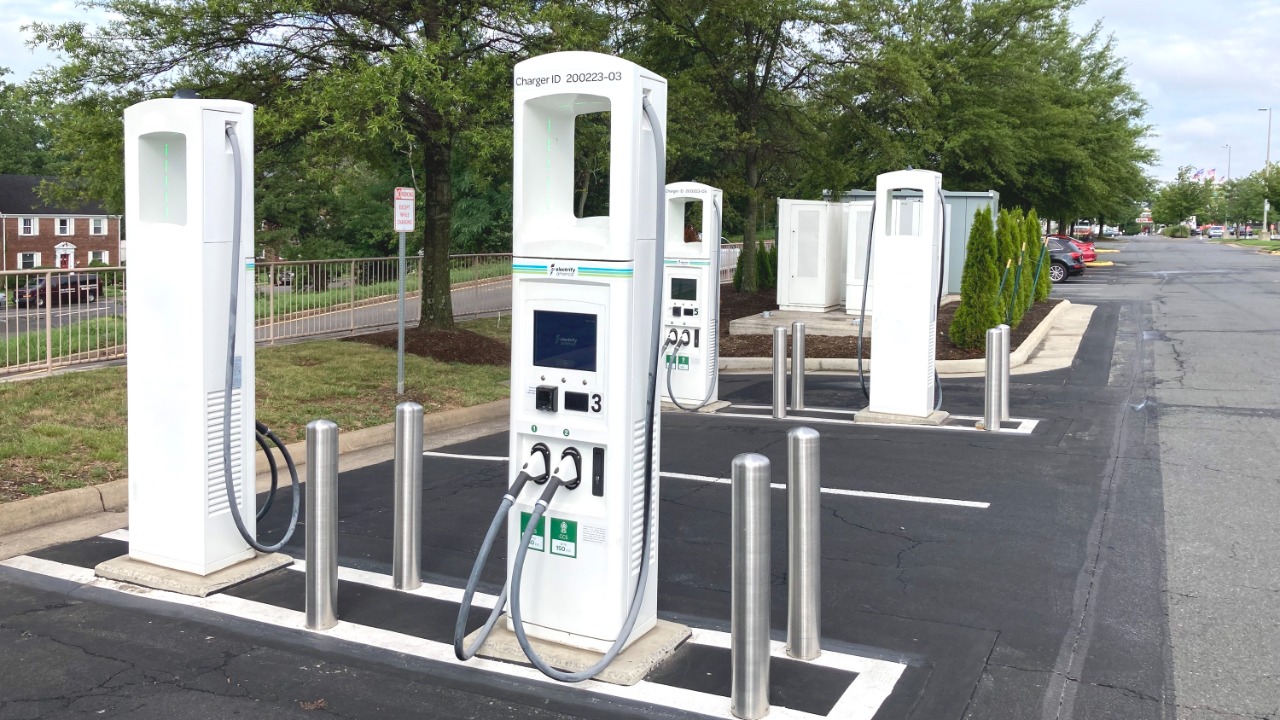
Even if gas prices push you toward a plug, you still need somewhere to charge. Global EV Charging Infrastructure Market Analysis projects that the charging market will reach $18,589.0 million by 2026, according to Global EV Charging. That growth suggests better coverage ahead, but today you may still face sparse fast-charging in rural areas, crowded stations along busy corridors, or limited options in apartment complexes.
Researchers who study the industry caution that the data on EV demand has become messier since 2020, partly because of supply shortages, waiting lists for new models, and shifting federal incentives. In one detailed review, analysts note that many used EVs are under $30,000, yet infrastructure and policy uncertainty still slow adoption, a tension explored in Mar coverage.
More from Fast Lane Only