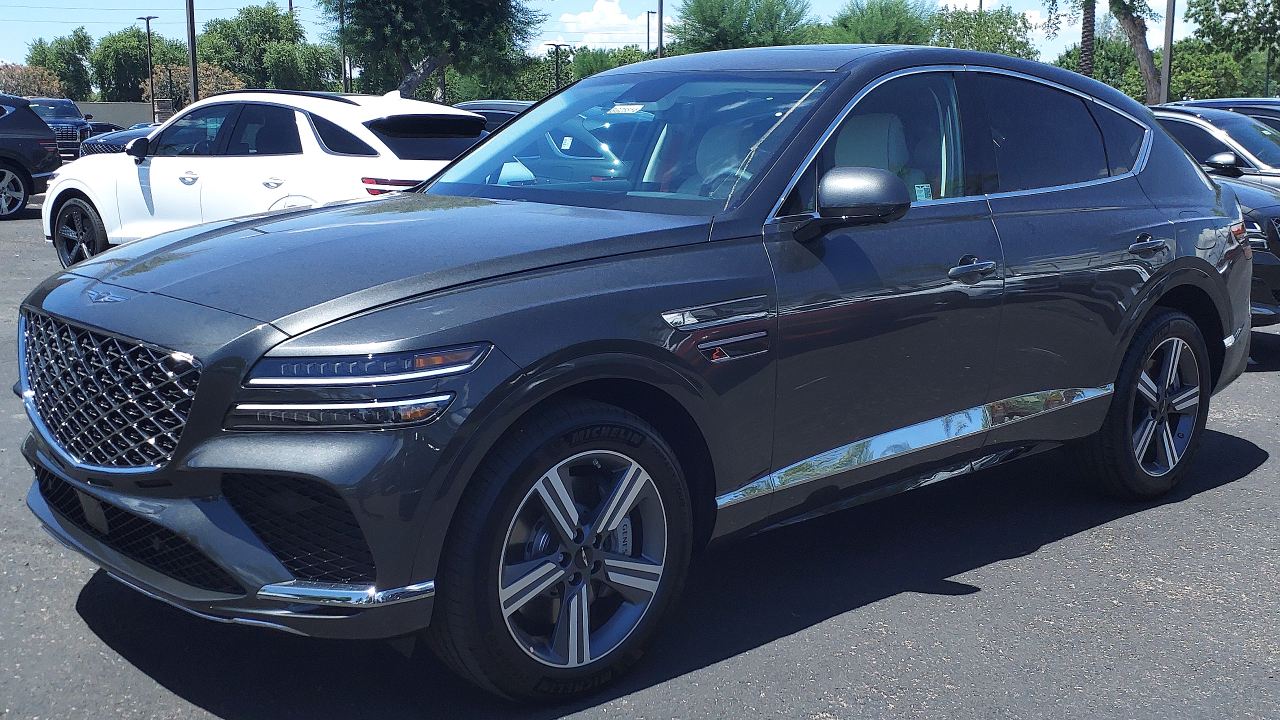
Hyundai Motor Co. is recalling nearly 84,000 Genesis cars and SUVs in the United States after a software glitch was found to shut down critical digital displays while the vehicles are in motion. The defect can leave drivers staring at blank screens instead of speed readings, warning lights, and navigation prompts, raising immediate questions about safety and the industry’s growing reliance on complex in-car software. The company is now racing to identify affected Owners, roll out a fix, and reassure buyers who paid a premium for a luxury experience that suddenly looks less dependable.
The recall, which covers a broad swath of the Genesis lineup, underscores how a single coding error can ripple across tens of thousands of vehicles. It also highlights a new kind of recall era, one in which the most serious problems are not leaking fuel lines or faulty airbags, but the invisible logic that keeps digital dashboards and touchscreens alive.
What is going wrong with Genesis screens
At the center of the recall is a software error that can cause the instrument cluster and central display to go dark while the vehicle is being driven. Instead of a stable panel of gauges and alerts, affected Genesis models can suddenly lose their digital readouts, leaving drivers without a clear view of speed, engine warnings, or other status information. Federal safety records describe the problem as a failure of the digital screens that control or display key driving data, a defect that regulators classify as a safety risk because it can impair a driver’s ability to respond to changing conditions. According to recall filings, nearly 84,000 Genesis vehicles are implicated, with one notice specifying 83,877 units tied to the same underlying issue.
The failure is not limited to a cosmetic glitch or a frozen entertainment menu. Reports describe the entire display system, including the instrument cluster, as potentially going blank, which can also affect access to backup camera views and other driver assistance visuals. In some accounts, the problem is linked directly to a software error in the control unit that manages the screens, an issue Hyundai Motor Co. has acknowledged in its explanation of the recall. Safety regulators list the campaign in the federal recall database, where vehicle identification numbers can be checked against the defect description and the official remedy.
Which Genesis models are affected and how owners are being notified
The recall covers a wide range of Genesis sedans and SUVs sold in the United States, all equipped with the brand’s fully digital instrument clusters and large central touchscreens. While the precise model list is contained in federal filings, the affected population is consistently described as nearly 84,000 Genesis vehicles, with one detailed breakdown citing 83,877 units built across the 2025 and 2026 model years. These include popular luxury sedans and crossovers that rely heavily on integrated digital displays for both basic driving information and advanced features such as navigation and driver assistance settings.
Hyundai Motor Co. has told regulators it will notify Owners of the affected Genesis vehicles and instruct them on how to obtain the repair at no cost. Notification letters are expected to go out using contact information tied to each vehicle’s registration, while the recall is also searchable through the National Highway Traffic Safety Administration’s online recall lookup, which allows drivers to enter a vehicle identification number and confirm whether the defect applies. Dealers are being briefed on the campaign so they can answer questions, schedule service appointments, and reassure customers who may already have experienced screen failures or are worried about driving their vehicles before the fix is installed.
Why blank screens are more than an inconvenience
The sudden loss of a digital instrument cluster is not simply an annoyance in a luxury car, it strikes at the core of what regulators consider essential safety information. When the screens go dark, drivers can lose access to speed readings, warning lights, and other alerts that would normally signal mechanical problems or system malfunctions. In vehicles where the rearview camera feed and certain driver assistance indicators are also routed through the same display, a blackout can compromise visibility and situational awareness during critical maneuvers such as reversing or lane changes. Safety officials treat these failures as serious because they can increase crash risk even if no mechanical component has physically broken.
The recall also illustrates how the shift to fully digital interfaces has raised the stakes for software reliability. In earlier generations, a failure in a radio or navigation unit might have been irritating but not dangerous, because analog gauges still handled speed and engine data. In the Genesis models now under recall, those functions are consolidated into the same digital ecosystem that powers entertainment and connectivity features. That integration means a single software error can simultaneously affect the radio, navigation, and the instrument cluster, which is why Hyundai has gone as far as telling 84,000 Genesis owners to stop using the radio until the defect is addressed. The advice underscores how intertwined the systems have become and why a glitch in one part of the code can have cascading effects on safety-critical displays.
Hyundai’s response and the planned fix
Hyundai Motor Co. has acknowledged that the defect stems from a software error and has committed to correcting it through an update to the affected vehicles. The company has told regulators that the remedy will typically involve reprogramming the control unit that manages the digital displays, a process that can usually be completed at a dealership service department. In some cases, the update may be delivered through a direct software flash to the vehicle’s electronic modules, restoring stable operation of the instrument cluster and central screen. The automaker has emphasized that the repair will be provided free of charge to all Owners covered by the recall.
In the interim, Hyundai has issued guidance that highlights the seriousness of the issue, including instructions for 84,000 Genesis owners to avoid using the radio, which is part of the same digital system affected by the glitch. By limiting use of nonessential features, the company aims to reduce the likelihood of triggering the software error that leads to a screen blackout while driving. Dealers have been advised to prioritize appointments for customers who report display failures, and the recall is now listed in federal databases so that drivers can confirm their vehicle’s status. The company’s explanation of the defect and its remedy reflects a broader industry trend in which software updates, rather than mechanical repairs, are increasingly at the center of major safety campaigns.
What Genesis owners should do now
For Genesis drivers, the most important step is to determine whether their vehicle is part of the nearly 84,000 units covered by the recall. That can be done by checking the vehicle identification number through the National Highway Traffic Safety Administration’s recall lookup or by contacting a Genesis or Hyundai dealer directly. If the vehicle is included, Owners should schedule a service appointment as soon as the remedy becomes available and follow any interim guidance, including limiting use of the radio and monitoring the screens for signs of flickering, freezing, or unexpected shutdowns. Drivers who experience a blackout while on the road should pull over safely, power cycle the vehicle if possible, and report the incident to their dealer so it can be documented.
Owners should also pay close attention to recall notices that arrive by mail or electronically, since these communications will outline when the fix is ready and how to obtain it at no cost. Keeping contact information up to date with the manufacturer and state registration agencies can help ensure those notices reach the right person. For those who have questions beyond the basic recall description, customer service lines and dealership service advisors can provide additional detail about how the software update will be performed and how long the vehicle will need to be in the shop. In an era when a luxury car’s most critical safety systems are increasingly governed by code, staying engaged with recall information is no longer optional, it is a central part of responsible vehicle ownership.
More from Fast Lane Only