General Motors (GM) has recently raised its outlook, attributing this positive shift to robust truck sales and favorable policy changes. The automaker’s ability to pivot strategically in response to market conditions has allowed it to enhance its revenue outlook, instilling confidence among investors and consumers alike. This article delves into the driving factors behind GM’s optimistic forecast and the implications for the automotive industry.
Overview of GM’s Outlook Adjustment
GM’s latest financial outlook reflects a significant enhancement, with the company projecting increased revenues and improved profit margins for the upcoming fiscal year. The automaker announced this adjustment during its quarterly earnings call, signaling a shift in market dynamics that has positively influenced its performance metrics. The raised outlook comes at a critical time as GM seeks to solidify its position in an increasingly competitive automotive landscape.
Key metrics illustrating GM’s improved performance include a projected increase in overall sales volume, particularly in the truck segment, which has historically been a cornerstone of the company’s revenue. Analysts noted that GM’s strategic focus on high-demand models such as the Chevrolet Silverado and GMC Sierra has played a crucial role in bolstering sales figures. With the new outlook, GM anticipates a 10% growth in revenue, which is a substantial leap from previous forecasts. Such changes are not only significant for GM but also indicative of a broader recovery trend in the automotive market.
The Role of Truck Sales in GM’s Performance
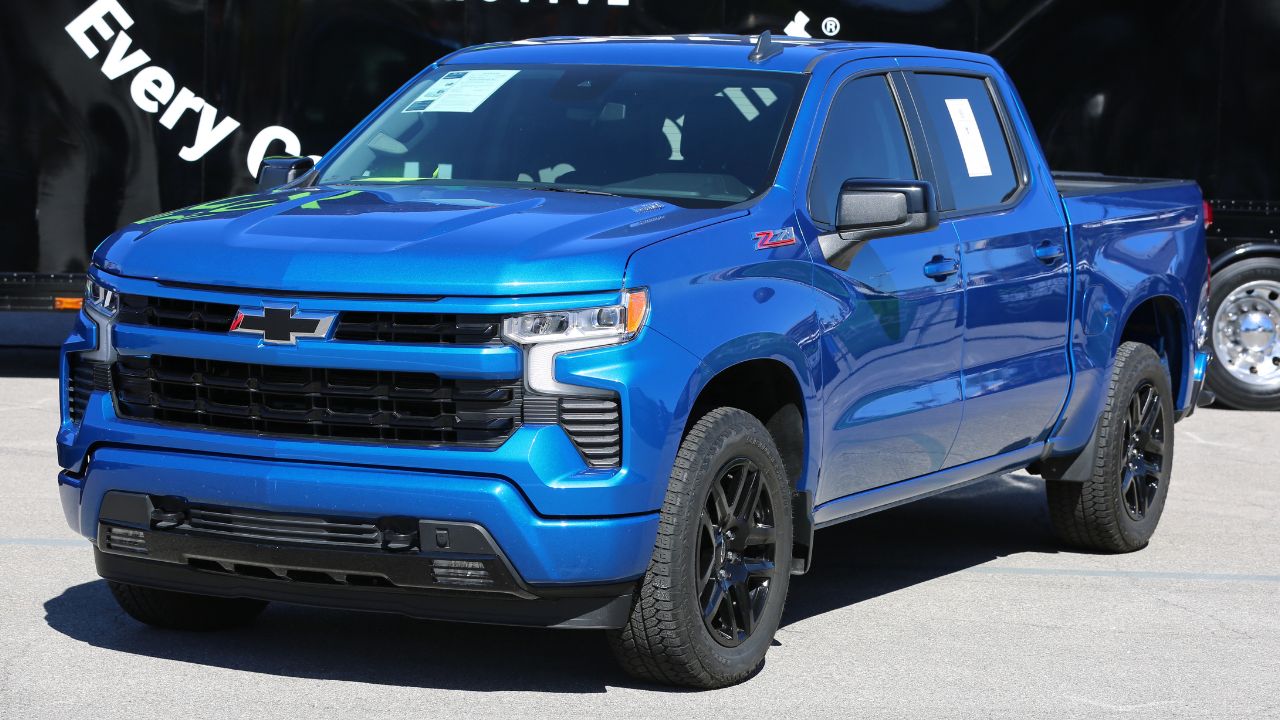
Truck sales have emerged as a vital contributor to GM’s overall performance, accounting for a substantial portion of its revenue. The Chevrolet Silverado, for instance, has consistently ranked among the best-selling vehicles in the United States, reflecting a strong consumer preference for trucks. In the last quarter alone, GM reported a 15% increase in truck sales compared to the previous year, a figure that underscores the model’s popularity and its impact on the company’s bottom line.
When comparing truck sales with other vehicle categories, it becomes clear that trucks dominate GM’s sales portfolio. While passenger car sales have seen a decline due to shifting consumer preferences, the demand for trucks remains robust, driven by lifestyle trends that favor larger, more versatile vehicles. Factors such as outdoor recreational activities, increased home improvement projects, and a general preference for spaciousness in vehicles have all contributed to the upsurge in truck demand. As consumers prioritize utility and functionality, GM’s focus on this segment seems well-placed.
Policy Shifts Impacting the Automotive Industry
Recent government policies have significantly influenced the automotive sector, particularly regarding environmental regulations and incentives for electric vehicles (EVs). These policy shifts have created a dual opportunity for GM: to capitalize on the growing truck market while also aligning with governmental goals for sustainability. The introduction of tax credits for EV purchases and investments in charging infrastructure are examples of how policy changes are reshaping the landscape for automotive manufacturers.
In particular, GM has positioned itself to leverage these policy changes by developing a comprehensive strategy that includes a mix of traditional trucks and electric models. The company’s commitment to producing electric versions of its popular truck models has been met with enthusiasm from consumers, signaling a positive reception to this strategic pivot. Moreover, infrastructure developments, such as the expansion of charging stations, support the growth of both truck and EV sales, creating an environment conducive to GM’s dual focus on performance vehicles and sustainability initiatives.
Comparison with Competitors
As GM raises its outlook, it is essential to examine its performance relative to major competitors such as Ford and Stellantis. Both companies have also reported positive trends in truck sales, yet GM’s recent forecast indicates a more optimistic trajectory. Market share data reveals that GM has gained ground in the truck segment, particularly among full-size models, where it has outperformed Ford’s F-Series trucks in several key markets.
In response to GM’s optimistic outlook, competitors have begun to reevaluate their strategies. Ford, for instance, has ramped up production of its electric F-150 Lightning model in an effort to capture the growing EV market while maintaining its stronghold in traditional truck sales. Stellantis has similarly focused on expanding its truck lineup, recognizing the importance of this segment in driving overall profitability. The competitive landscape is evolving, with GM’s strategic moves prompting rival companies to accelerate their plans, thereby intensifying competition in the truck market.
Consumer Trends in Truck Purchases
Demographic shifts are playing a crucial role in influencing truck buying behavior. Millennials and Gen Z consumers, who prioritize practicality and versatility in their vehicle choices, have increasingly turned to trucks as their vehicle of choice. This trend is not only reshaping the customer base for GM but also impacting the types of features and technologies that consumers expect in new truck models.
Moreover, specific truck models are gaining popularity among consumers for their unique features and capabilities. For instance, the Chevrolet Silverado 1500 has become a favorite due to its combination of power, advanced safety features, and technology integration, such as the available Super Cruise hands-free driving system. However, rising fuel prices remain a concern for potential truck buyers, as they can influence purchasing decisions. Consumers are increasingly weighing the cost of ownership against the utility and performance of trucks, making fuel efficiency a key factor in their buying process.
EV Integration in GM’s Truck Lineup
GM is actively working to integrate electric trucks into its lineup, a move that aligns with both consumer demand for sustainable options and government policy incentives. The company has announced plans to release the electric version of the Chevrolet Silverado, which is anticipated to hit the market in the coming years. This initiative underscores GM’s commitment to leading the charge in electric mobility while maintaining its strong presence in the truck segment.
The reception of electric truck models has been positive thus far, with early interest from consumers showcasing a willingness to adopt electric vehicles in traditionally gas-dominated segments. GM’s strategy includes not only the production of electric trucks but also investments in charging infrastructure and energy solutions that support EV ownership. Future projections suggest that electric trucks will play an increasingly significant role in GM’s sales strategy, contributing to the company’s goal of achieving carbon neutrality by 2035.
Financial Implications for GM
The financial benefits of increased truck sales are evident in GM’s latest earnings projections. The anticipated growth in truck sales is expected to generate substantial revenue, thereby improving overall profitability for the automaker. Analysts predict that the combination of robust truck sales and a successful EV rollout could result in a significant uptick in GM’s stock price, reflecting heightened investor confidence.
However, potential risks and challenges remain despite the positive outlook. Supply chain disruptions, fluctuating material costs, and the ongoing semiconductor shortage could impact GM’s ability to meet demand. Investors are closely monitoring these factors, as they could influence GM’s financial performance in the coming quarters. Nevertheless, the general sentiment among investors appears optimistic, especially in light of GM’s proactive measures to address these challenges head-on.
Future Outlook for the Automotive Industry
The overall automotive market is poised for growth, particularly as companies like GM demonstrate resilience and adaptability in the face of changing consumer preferences and regulatory landscapes. Industry experts predict a continued shift toward electrification, with electric vehicles expected to capture an increasing share of the market. GM’s performance could serve as a bellwether for the industry, indicating that traditional automotive giants can thrive alongside new entrants in the EV space.
As policy shifts continue to encourage sustainable practices, the long-term effects on the industry may include increased investment in green technologies and infrastructure. Consumer behavior is likely to evolve further, with a growing emphasis on eco-friendly options and advanced technology features. The automotive landscape is in flux, and companies that can innovate while meeting consumer demands will emerge as leaders in this new era.
In summary, GM’s raised outlook reflects a strategic focus on truck sales and adaptability to policy shifts, positioning the company for success in a changing automotive landscape. As stakeholders in the industry watch closely, GM’s performance could reshape perceptions and strategies within the market.
More from Fast Lane Only