General Motors has built some of the most recognizable cars in American history, but the models that are quietly catching fire with collectors are often the oddballs: the rear engined experiments, the quirky work trucks, and the misunderstood muscle machines that never quite fit the mainstream. These are the cars that once looked risky or even flawed, yet now sit at the center of bidding wars and long waiting lists at specialist shops. I am looking at the GM outliers that have moved from curiosity to coveted, and why their values are starting to reflect that shift.
Why GM misfits are suddenly blue-chip collectibles
The most interesting GM collectibles right now are not always the obvious icons, but the cars that once sat on the fringe of the market. Enthusiasts are chasing models that broke with Detroit convention, whether through unusual engineering, polarizing styling, or a niche mission that never translated into big sales. That contrarian appeal is now a selling point, as buyers look for something more distinctive than another red muscle coupe and gravitate toward cars that tell a more complicated story about General Motors and its willingness to experiment.
Recent buyer guides that track classic GM cars poised for appreciation consistently highlight vehicles that were once overlooked, including compact rear engined projects and offbeat utility models. Lists of The Weirdest Cars Ever Made by General Motors underline the same pattern, treating oddity as a virtue rather than a liability. When those “weirdest” cars start appearing alongside more traditional picks in roundups of the best GM classics, it signals that the market is rewarding originality and rarity over sheer horsepower or production volume.
Chevrolet Corvair: from controversy to cult favorite
No GM oddball has undergone a more dramatic image reversal than the Chevrolet Corvair. Once criticized for its unconventional rear engine layout and safety record, it is now a fixture in discussions of cars that went from “lame” to legendary. Collectors are drawn to the Corvair precisely because it defied the front engine, body on frame formula that defined most American cars of its era, and because surviving examples tell a story about engineering ambition that was ahead of its time for a domestic brand.
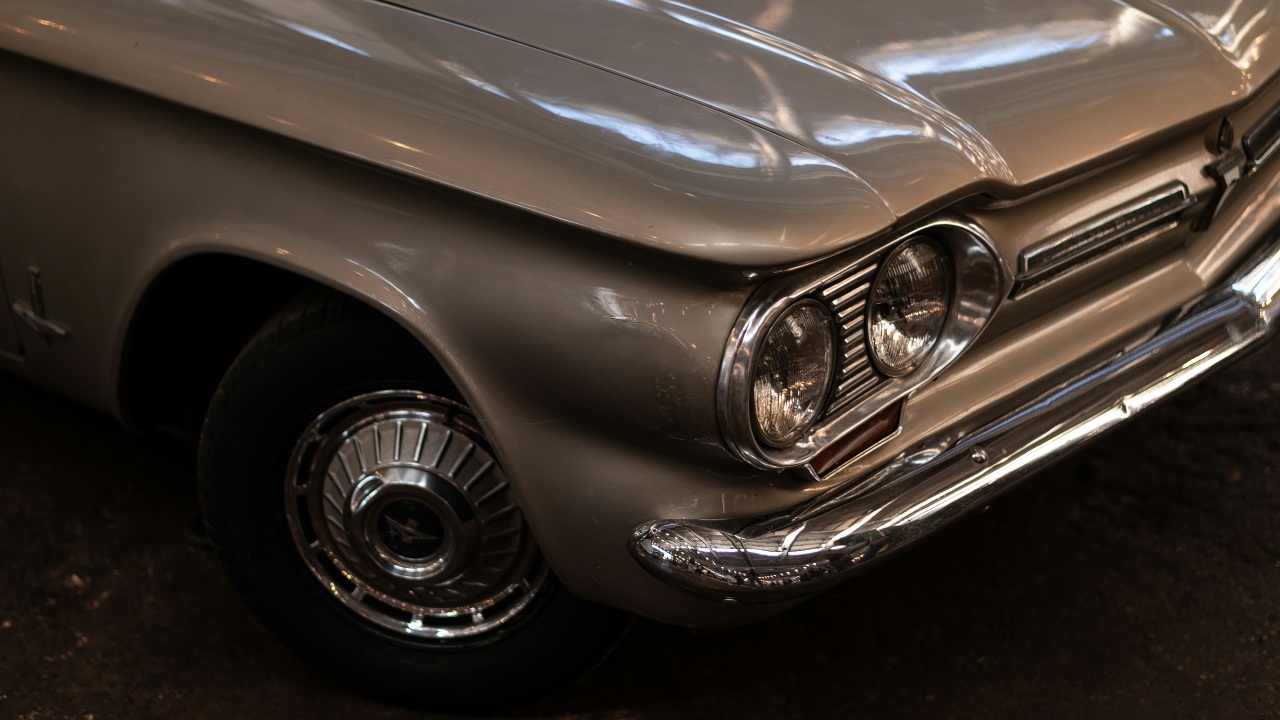
Market watchers tracking Classic GM Cars That will Soon Be Worth a Fortune have started flagging the 1963 Chevrolet Corvair, often illustrated in a Front Quarter View, as a car with significant upside. At the same time, coverage of The Corvair and its derivatives in lists of the 64 strangest GM creations reinforces its status as a design and engineering outlier. That combination of documented weirdness and rising valuations is exactly what turns a once maligned compact into a modern collectible that enthusiasts hunt for at auctions and online marketplaces.
Corvair Greenbrier and Rampside: the van and pickup that finally make sense
If the standard Corvair has become a cult classic, its van and pickup siblings are the deep cuts that serious GM oddball collectors chase. The Chevrolet Corvair Greenbrier Rampside, produced in the early 1960s, took the Corvair’s rear engine platform and applied it to a work oriented body with a side loading ramp and unusual proportions. For decades it was treated as a curiosity, but its combination of utility and eccentric design now fits neatly into the modern appetite for vintage vans and lifestyle pickups.
Analyses of The Weirdest Cars Ever Made by General Motors single out the Chevrolet Corvair Greenbrier Rampside as a prime example of how far the company was willing to push the Corvair platform. That recognition has helped move the model from obscurity into the spotlight, where it is increasingly mentioned alongside more conventional classics in discussions of best GM classic cars. As collectors look for vehicles that can double as conversation pieces at shows and practical haulers for vintage motorcycles or surfboards, the Greenbrier and Rampside check boxes that few other 1960s GM products can match.
Buick GNX and the rise of turbocharged GM sleepers
On the performance side of the GM oddball spectrum, the Buick GNX has become a benchmark for how quickly a limited run experiment can turn into a blue chip collectible. Built on the G body platform and powered by a turbocharged V6, the GNX inverted the traditional muscle car formula that prioritized big displacement V8 engines. Its stealthy styling and understated badgework only add to its appeal among collectors who prefer their performance cars to look more like executive coupes than track toys.
Reporting on the GNX’s legacy describes it as the ultimate expression of G body performance and notes that this limited availability has made the GNX a highly collectible car. Today, well preserved GNX models can fetch high prices, a trajectory that aligns with broader lists of classic GM cars expected to climb in value. The car’s status as a rear wheel drive coda to Buick’s fast coupes, combined with its turbocharged powertrain, positions it as a bridge between old school Detroit muscle and the modern era of boosted performance, which only deepens its desirability among enthusiasts who appreciate that historical pivot.

Affordable oddballs: S-10, Sonoma and the workaday future classics
Not every GM oddball commanding attention is already priced out of reach. Compact pickups like the Chevy S-10 and GMC Sonoma, once treated as basic work trucks or entry level transportation, are now being recognized as accessible ways into the classic GM world. Their smaller footprints, simple construction, and wide parts availability make them appealing to younger collectors who want something they can actually drive and modify without the anxiety that comes with a six figure muscle car.
Guides to cool GM classics you can buy dirt cheap point to the Chevy S-10 and GMC Sonoma as the first serious attempt by Chevy and GMC to build a compact pickup for a new generation of buyers. Those same reports note that while values have not yet shot up in value considerably, the trucks offer substantial headroom for upgrades, especially when equipped with the 4.3 liter Vortec engine. As nostalgia for 1980s and 1990s vehicles grows, these once disposable pickups are poised to follow the same path as earlier GM oddballs, moving from bargain bin to sought after project base.
Early Chevrolets and the roots of GM eccentricity
The appetite for GM oddities is not limited to the postwar era. Some of the earliest Chevrolets already show the company’s willingness to experiment with form and market positioning, and collectors are increasingly looking back to those roots. The 1914 Chevrolet Royal Mail Roadster, part of The Chevrolet Series H, is a reminder that GM was building distinctive, relatively affordable cars for style conscious buyers long before the term “muscle car” existed.
Historical overviews of top old Chevy cars often begin with the phrase Let us look at the Chevrolet Royal Mail Roadster and The Chevrolet Series H as foundational models. By placing these early roadsters alongside later icons like the Chevelle, those guides implicitly argue that GM’s flair for distinctive, sometimes unconventional design has been present from the start. For collectors who want to trace the lineage of GM’s more recent oddballs, owning an early Royal Mail Roadster offers a tangible link to the company’s first experiments in blending practicality with personality.
How GM oddballs fit into the broader classic car landscape
The surge of interest in GM misfits is happening alongside a wider reevaluation of what counts as a desirable classic. Lists of the most unique classic cars in automotive history routinely mix mainstream legends like the Corvette Stingray with more eccentric entries such as the BMW Isetta, the Dodge Charger in unusual trims, and the AMC Pacer X Levi’s Edition. That context matters for GM collectors, because it shows that the market is rewarding uniqueness across brands, not just within a single manufacturer’s lineup.
At the same time, rankings of best GM classic cars ever made still reserve space for traditional heavy hitters like the 1940 Cadillac Series 90 V-16, often described with attention to its Front and side view presence. The coexistence of such formal luxury flagships with quirky vans, turbocharged sleepers, and compact pickups in collector conversations suggests that the GM market is broadening rather than simply shifting. For buyers and sellers alike, that means the oddballs that once sat ignored at the back of the lot now have a clear, documented place in the hierarchy of desirable classics, with reporting on What is Considered the Holy Grail of Muscle Cars helping to frame how rarity, story, and performance combine to create long term value.