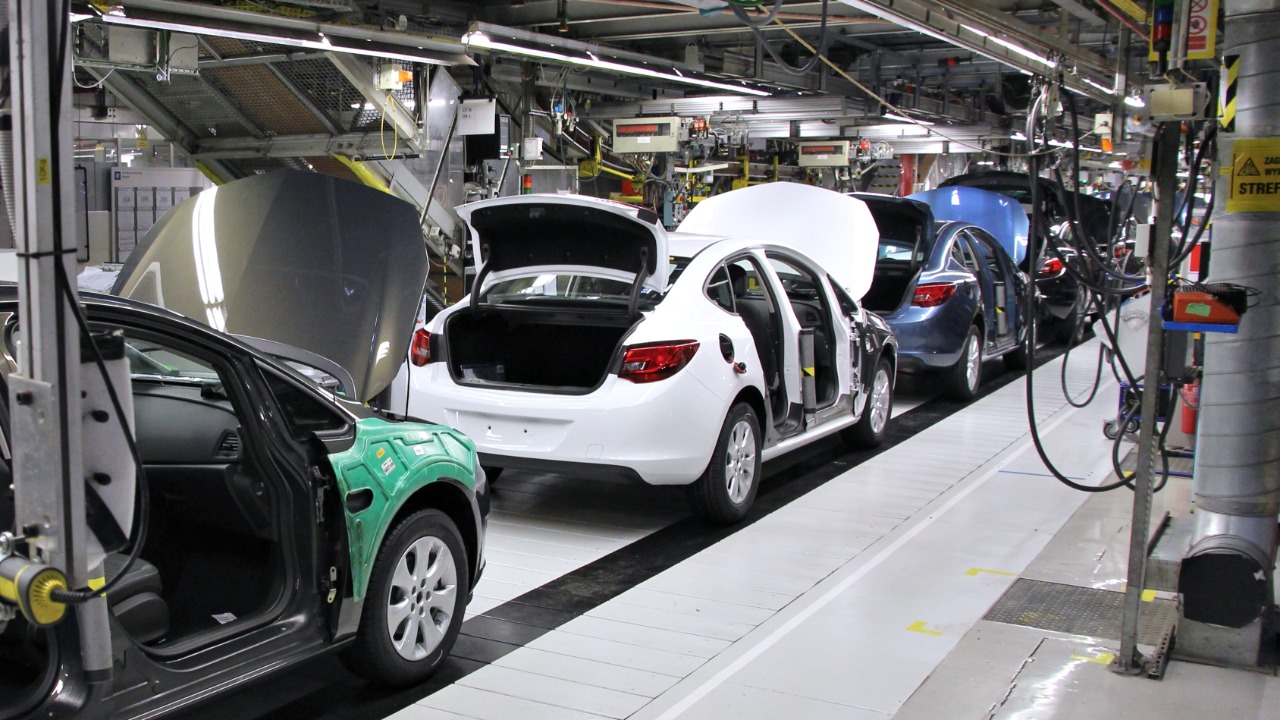
General Motors is cutting a shift at its Oshawa assembly plant, a move that will cost about 500 people in Canada their jobs and shift more production back to the United States. For you, whether you are an autoworker, a supplier, a policymaker, or simply a driver who depends on North American manufacturing, the decision is a sharp reminder of how quickly corporate strategies can redraw the map of employment and investment. It is also a test of how far governments will go to enforce the promises that underpinned earlier subsidies and support.
Behind the headline figure is a complex mix of trade tensions, electric vehicle policy, and cross-border competition that is reshaping where vehicles are built and where the risks of that reshaping ultimately land. As you look at what is happening in Oshawa, Ont, you are also looking at a preview of the choices that will face other industrial communities as automakers juggle costs, incentives, and political pressure on both sides of the border.
The shift cut and what it means on the ground
The immediate change you are seeing is the elimination of one of three shifts at General Motors’ Oshawa plant, a decision that will leave about 500 workers without jobs. Some GM employees have already walked out of the factory for the last time as the company pares back operations and restructures its schedule. You are watching a facility that had been revived as a symbol of Canadian manufacturing resilience pivot yet again, this time toward a leaner footprint that leaves fewer families drawing a paycheck from the line.
For the workers affected, the shift reduction is not an abstract statistic but a sudden break in income, routine, and identity. As Some GM employees leave the Oshawa site, they are stepping into a labor market that is still adjusting to the electric transition and to changing demand for full-size trucks and commercial vehicles. The broader Oshawa, Ont community, which has long been intertwined with auto manufacturing, now has to absorb the loss of hundreds of relatively high wage positions, with ripple effects for local businesses that depend on plant traffic and supplier contracts.
Why GM is moving work back to the United States
From your vantage point, the most consequential part of GM’s decision is not only the job loss but the direction of travel for production. General Motors has made clear that the cut in Oshawa is tied to a plan to move more work back to the United States, consolidating output where it already builds full-size trucks and related models. The company has signaled that the production shift is part of a broader effort to align capacity with demand and to take advantage of incentives and logistics advantages south of the border.
For you, that means the North American auto map is tilting again toward U.S. plants, even as Canada tries to position itself as a hub for batteries and electric vans. The Oshawa cuts follow GM’s decision to end its BrightDrop van work in the city, a move that had already raised questions about how durable the company’s Canadian commitments really were. When you see production redirected to U.S. facilities that already manufacture full-size trucks, you are seeing a strategic bet that those plants can operate more efficiently or more profitably than their Canadian counterparts under current policy and market conditions.
Trade tensions, EV imports, and GM’s criticism of Canada
GM’s restructuring in Canada is not happening in a vacuum. The company has openly criticized Canada for allowing up to 49,000 Chinese-made EVs into the country with a 6.1% tariff, a level it argues is too low to protect domestic producers. When you factor in that criticism, the Oshawa shift cut looks less like an isolated cost decision and more like part of a broader argument about how Canada for should manage its auto market in the face of aggressive competition from Chinese manufacturers. Wright, a GM executive, has framed the issue as one of fairness, suggesting that Canadian policy is not doing enough to shield local plants from imported electric vehicles that benefit from lower production costs abroad.
If you are in government or in the supplier base, that critique matters because it links trade policy directly to plant level outcomes. GM is effectively telling you that the combination of modest tariffs on Chinese EVs and generous consumer incentives is making it harder to justify keeping as much production in Canada. At the same time, the company is benefiting from U.S. policies that reward domestic content and assembly, which gives it a financial reason to shift work back across the border. You are watching trade rules, climate goals, and corporate strategy collide in a way that lands hardest on workers whose jobs depend on how that collision is resolved.
Government backlash and the fight over subsidies
Canada’s political response has been unusually sharp, and if you are a taxpayer or a policymaker, you have a direct stake in how it unfolds. Federal officials are now seeking to claw back funding that Canada previously provided to GM after the company announced the Ontario job cuts, arguing that the layoffs violate the spirit, if not the letter, of earlier agreements. The push to recover money is focused on support that was tied to maintaining jobs and using the plant to build vehicles for export to the United States, commitments that look shakier after the Ontario layoffs.
For you, the dispute is about more than one plant. It is a test of whether Canada can enforce conditions on corporate subsidies in a way that deters companies from taking public money and then shrinking their local footprint once market conditions change. Commentators like Stephen Rivers have highlighted how Canada is seeking millions back after GM cuts 500 Oshawa jobs plant, underscoring the political pressure to show that public funds come with real strings attached. Laur and other officials are effectively telling you that future deals will be judged not just on the number of jobs promised, but on how enforceable those promises prove to be when companies change course.
Oshawa’s history, community impact, and what comes next
To understand why this moment feels so fraught, you have to look at Oshawa’s long relationship with auto manufacturing. The city has been synonymous with GM for generations, and earlier rounds of cuts already left residents bracing for more bad news. When GM Canada is poised to cut a shift at the city’s plant, putting up to 1,200 autoworkers out of work on a single Friday, you are looking at a shock that extends far beyond the factory gates. Local schools, restaurants, and service providers all feel the strain when hundreds of steady incomes disappear at once, and the psychological toll of watching a cornerstone employer scale back yet again is hard to overstate.
At the same time, Oshawa and Canada are not starting from zero in thinking about what comes next. The region has been trying to attract new investment in electric vehicles, batteries, and related technologies, and the federal and provincial governments have used funding packages to lure automakers and suppliers. Yet the current dispute over GM’s funding shows you how fragile those arrangements can be if they are not backed by enforceable job guarantees and clear timelines. As you weigh the future of industrial policy, you are being forced to ask whether the next round of deals should include stronger clawback clauses, more transparent reporting, or even community benefit agreements that tie corporate incentives directly to outcomes in places like Oshawa.
More from Fast Lane Only