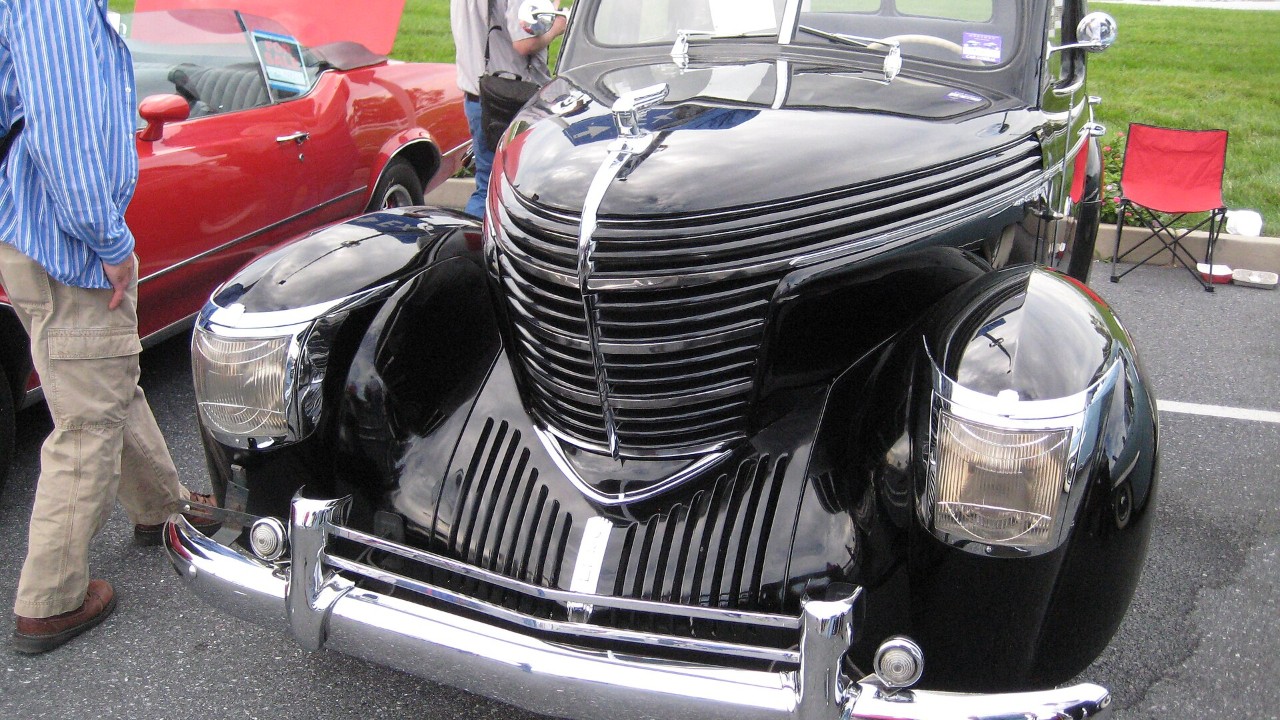
Graham-Paige began when three brothers bought a Detroit carmaker in 1927, and it ended car production in 1941 with a sedan built on Cord body dies. In between, the company tried a streamlined eight, a supercharger at a mid-market price and a nose that buyers nicknamed the shark. Together, these six Grahams trace that run.
The brothers arrived at a hard time. At first the cars sold well, but the Depression soon followed. After that, Graham-Paige spent the 1930s trying new ideas to win buyers from much bigger rivals.
Each item below names one Graham, its year and the detail that earned it a place here. Figures come from Hagerty, Old Cars Weekly, Curbside Classic and Mac’s Motor City Garage, linked in each section.
1. 1928 Graham-Paige
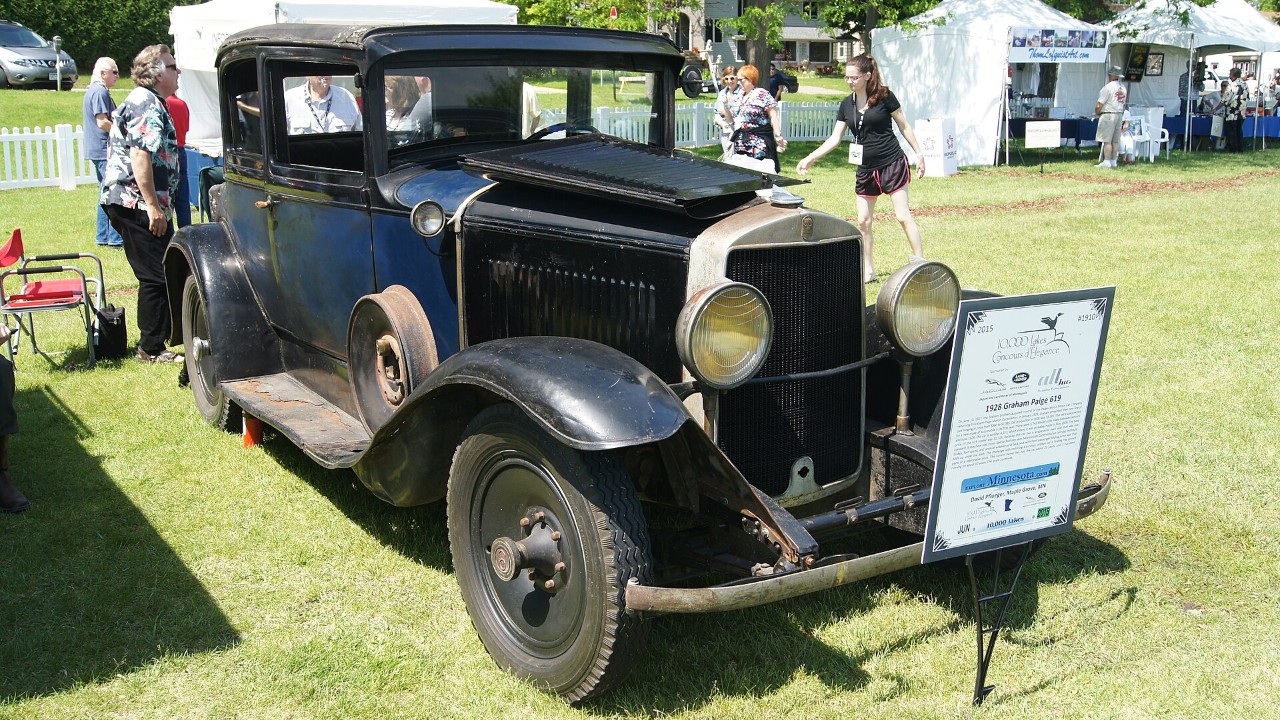
The brothers took control of the Paige-Detroit Motor Car Company in 1927. Then the cars wore the Graham-Paige name, joining the new owners to the old company.
At first, business went well. According to Hagerty, the brothers sold more than 73,000 cars in 1928. Curbside Classic puts 1929 sales at some 80,000, which it calls a strong showing for a smaller brand. Those two seasons gave the new company a strong start.
2. 1932 Graham Blue Streak Eight
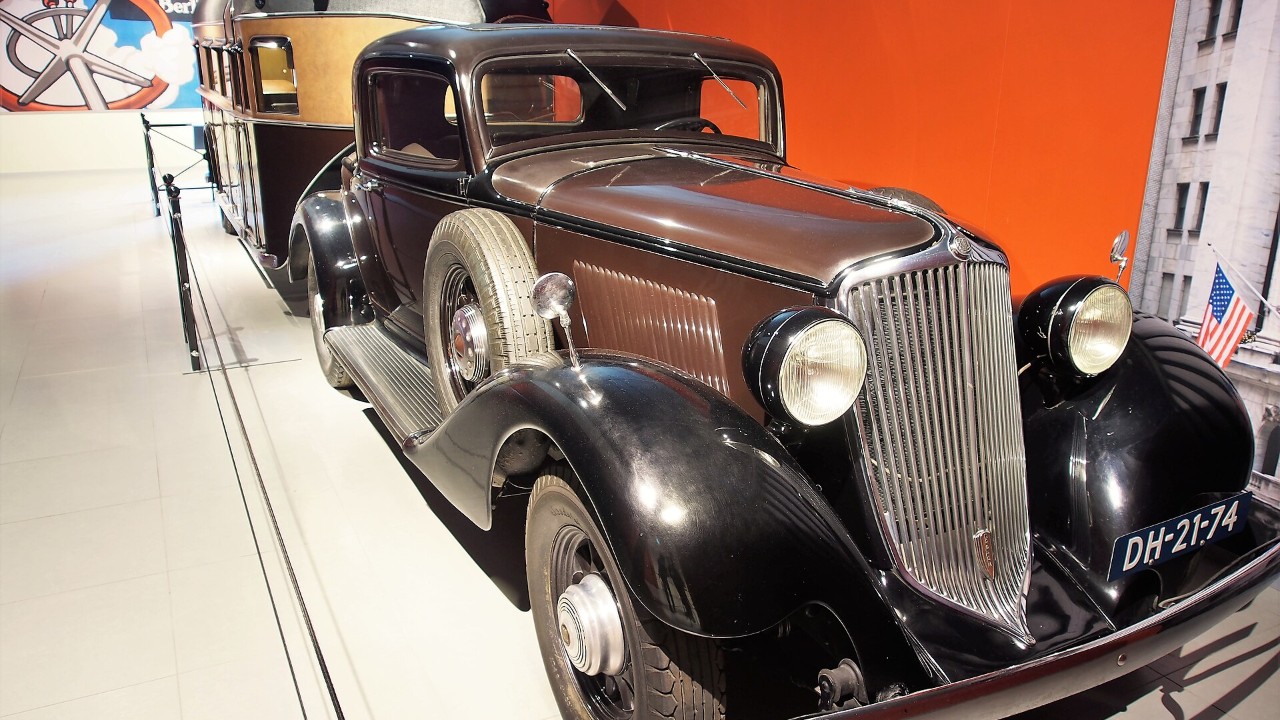
The Blue Streak is the Graham that designers remember. A team led by stylist Amos Northup drew its bodies, with a sloped grille and skirted fenders. Hagerty calls that grille and those fenders a breakthrough.
Under the skin, chief engineer Louis Thoms designed a “Deep Banjo Frame” that let the body sit lower. Meanwhile, the 245.4-cubic-inch eight gained an aluminum head and 90 hp, Old Cars Weekly reports. At the time, prices ran from $785 to $1,225. Even so, Hagerty says only about 13,000 sold. In 1933, Cannonball Baker drove a Blue Streak Eight across the country in 53 1/2 hours.
3. 1934 Graham Custom Eight Supercharged
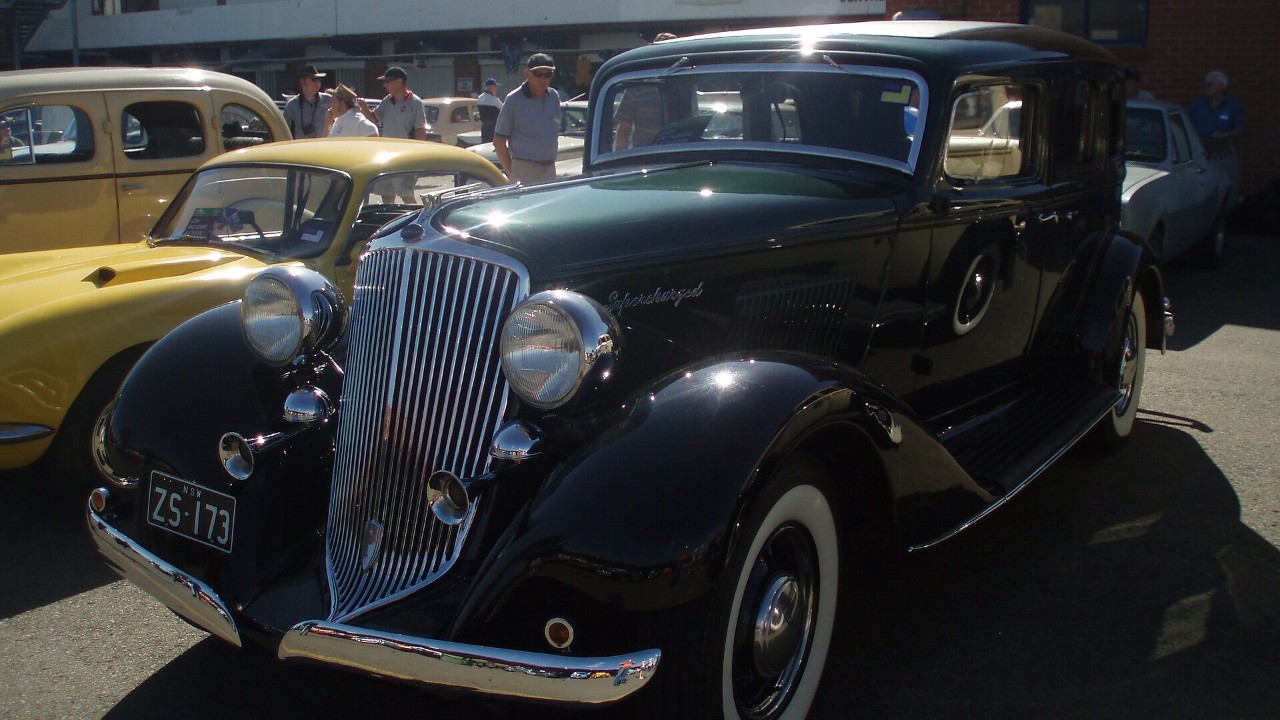
By 1934, Graham had a new selling point, and it was a supercharger. Old Cars Weekly notes that 1934 was the year supercharging arrived on the Blue Streak Eight line.
Curbside Classic calls the Custom Eight the first moderately priced supercharged car. Also, it started at $1,295. Its 265-cubic-inch straight eight made 135 hp, and the site says the car was good for an honest 90 mph.
4. 1936 Graham Supercharged Six
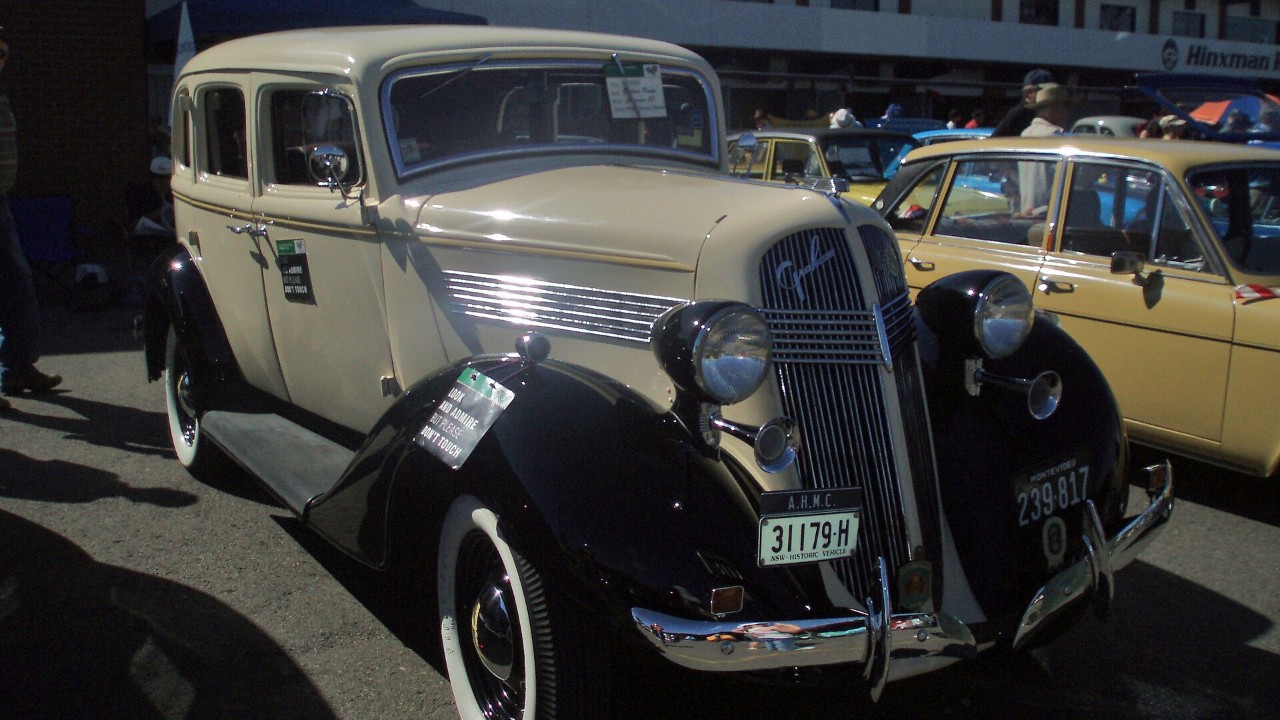
For 1936, Graham dropped its eights and focused on a 217.8-cubic-inch six. Buyers could also order it in regular or supercharged form. With the blower, Curbside Classic says the six made 120 hp.
The six kept the supercharger in the lineup. To save money, though, Graham did not tool its own bodies. Instead, the 1936 and 1937 cars shared their bodies with Reo, according to the same Curbside Classic history.
5. 1938 Graham “Sharknose”
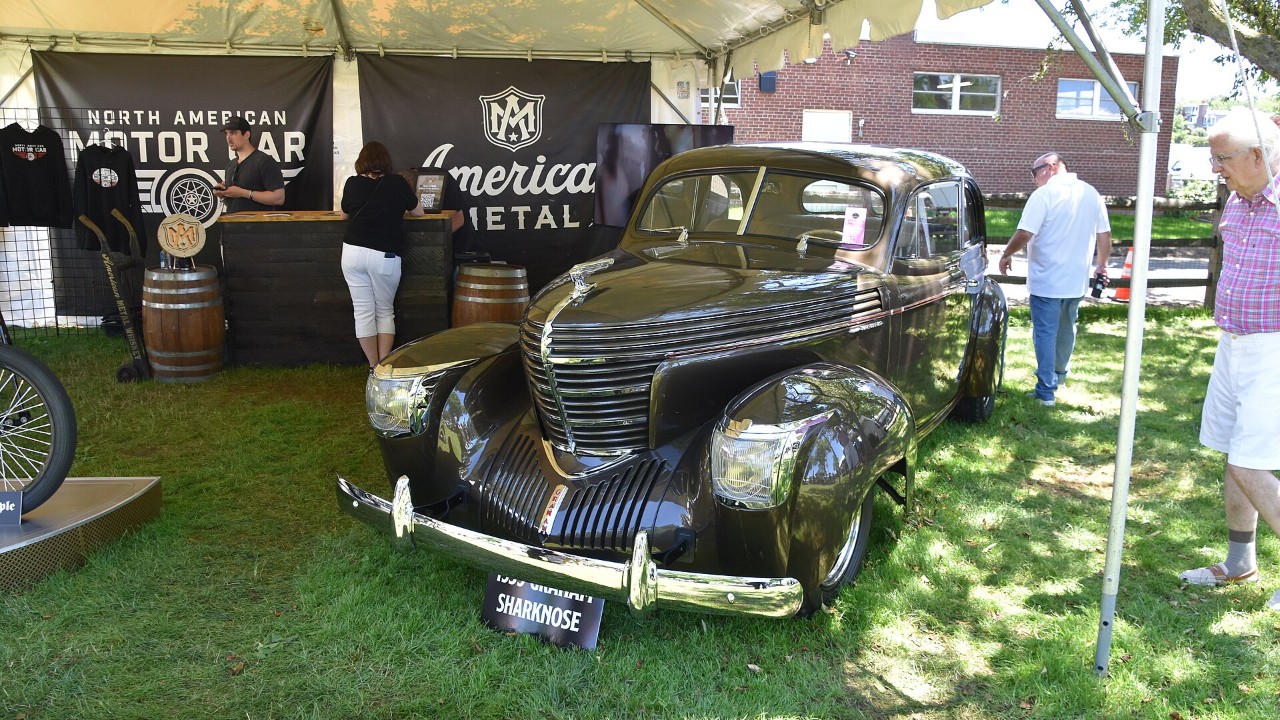
Amos Northup called his last Graham theme the “Spirit of Motion.” However, he never saw it on sale. According to Mac’s Motor City Garage, he died after a fall on an icy sidewalk on February 13, 1937.
Buyers gave the car its own name, the Sharknose. Yet few of them bought one. Mac’s counts about 4,139 sold for 1938, 3,660 for 1939 and 1,856 for 1940. By comparison, Curbside Classic gives first-year sales as 5,020, so the sources differ on the opening season.
6. 1940 Graham Hollywood
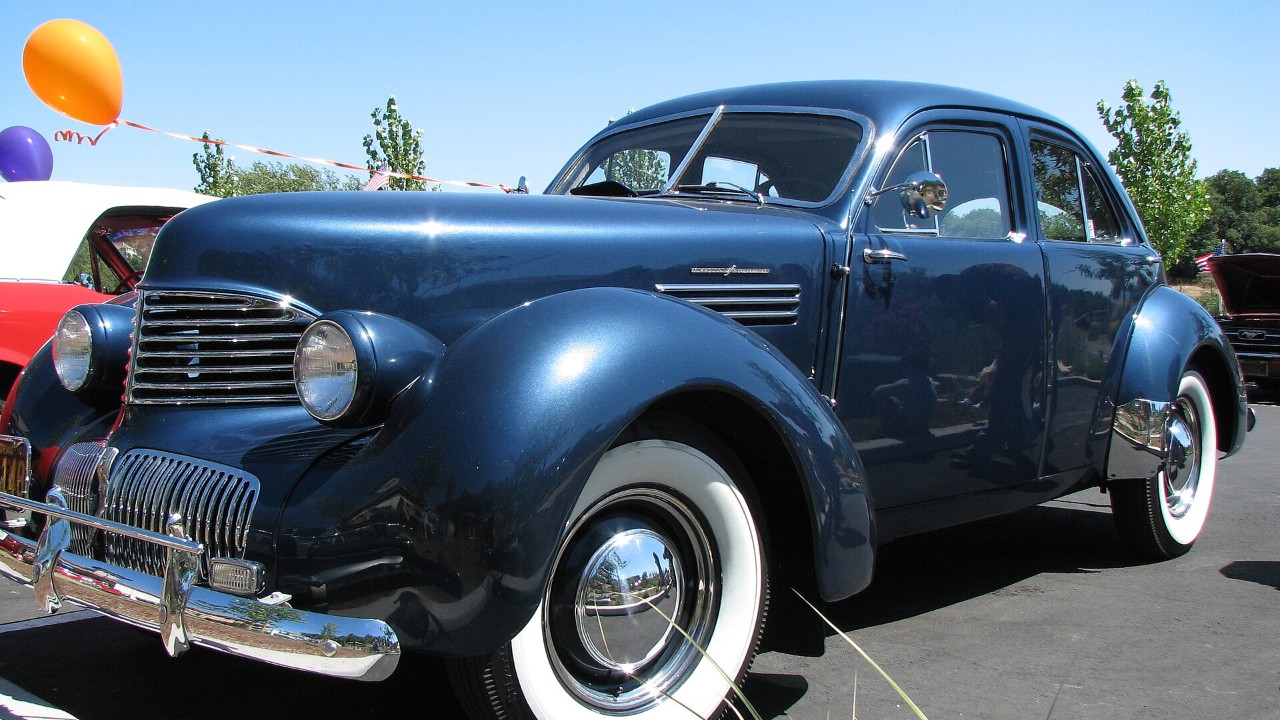
Finally, the last Graham borrowed a famous shape. In August 1938, entrepreneur Norman deVaux bought the tools and dies for the 1936-37 Cord from Auburn’s receiver, Victor Emmanuel. Graham and Hupp then agreed to build cars from them side by side. Graham made its Hollywood alongside the Hupp Skylark, and both cars sold for about $1,100.
The Cord dies were not well suited to mass production, Hagerty notes. In fact, the Hollywood never reached big numbers. Hagerty counts just 1,860 Hollywoods built, fewer than the hand-made Cord 810 and 812 cars. Graham then called it quits on automobile production, and Curbside Classic dates the end to 1941.
More from Fast Lane Only