Out on the farm, a truck isn’t a status symbol—it’s a tool. It needs to haul, tow, crawl through mud, and take a beating without flinching. These weren’t weekend cruisers or city commuters. They were the backbone of everyday work, from hauling hay bales to dragging stubborn equipment out of a field.
This article rounds up 10 of the greatest farm trucks ever built—machines that earned their place in barns, pastures, and fence lines across America. They weren’t fancy, but they showed up, got dirty, and kept going long after the job should’ve been done.
1948 Ford F-1 – Where the F-Series Began
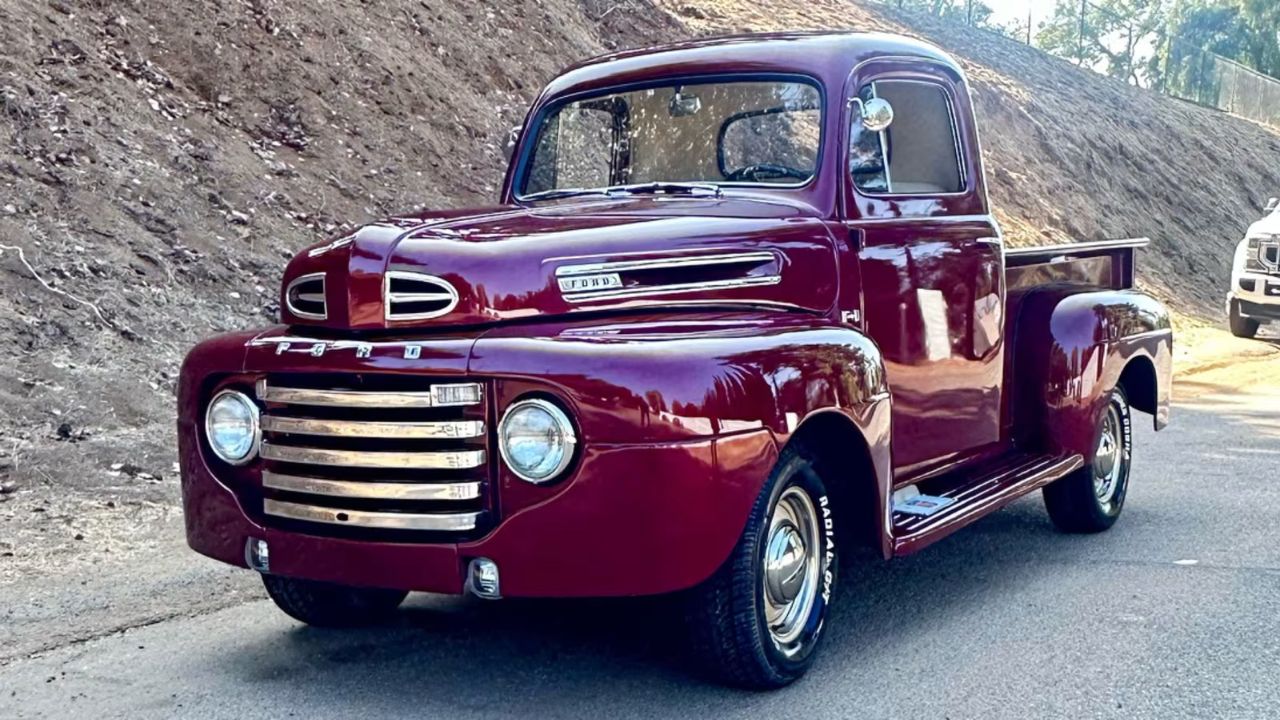
The 1948 Ford F-1 was the first truck to carry the now-legendary F-Series name. Powered by a flathead V8 or a sturdy inline-six, it offered around 100 horsepower—plenty for the postwar farm. It had a solid front axle, leaf springs all around, and a basic 6-volt electrical system.
Farmers liked it because it was simple to work on and could haul just about anything short of a tractor. The cab was tighter than a phone booth, but the steel bed didn’t flinch under pressure. It’s where Ford’s truck legacy got serious.
1950 Chevrolet 3100 – Honest Workhorse

The Chevy 3100 from the Advance Design series was everywhere in rural America during the 1950s. With a 216 or 235 inline-six and a floor-shift 3-speed, it wasn’t fast, but it was tough and easy to wrench on. Torque was what mattered—and it had enough.
It rode on a sturdy ladder frame with leaf springs and could tow, haul, and idle around fields all day. Inside, the cabin was pure function: steel dash, vinyl bench, and not much else. It was reliable, straightforward, and stayed in service long after newer trucks came around.
1967 Ford F-100 – No-Nonsense Utility
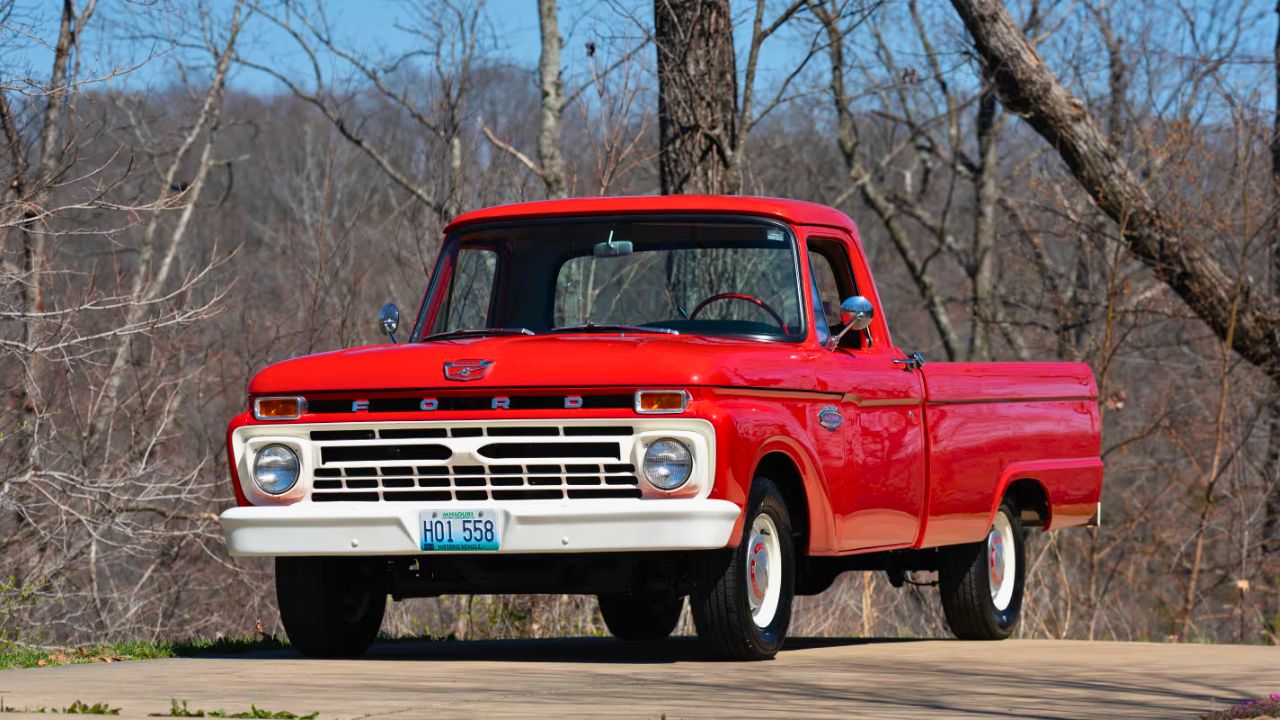
The 1967 Ford F-100 kicked off the fifth-generation F-Series and brought with it more powertrain options, a wider cab, and a stouter frame. You could spec it with the 240 inline-six or a 352 V8, and manual transmissions were still the norm.
On the farm, it hauled feed, towed hay wagons, and took a beating without complaining. Ford’s Twin I-Beam front suspension gave it a floaty ride on the road, though it wasn’t ideal off-road. Still, this truck earned its keep and cemented Ford’s grip on rural America.
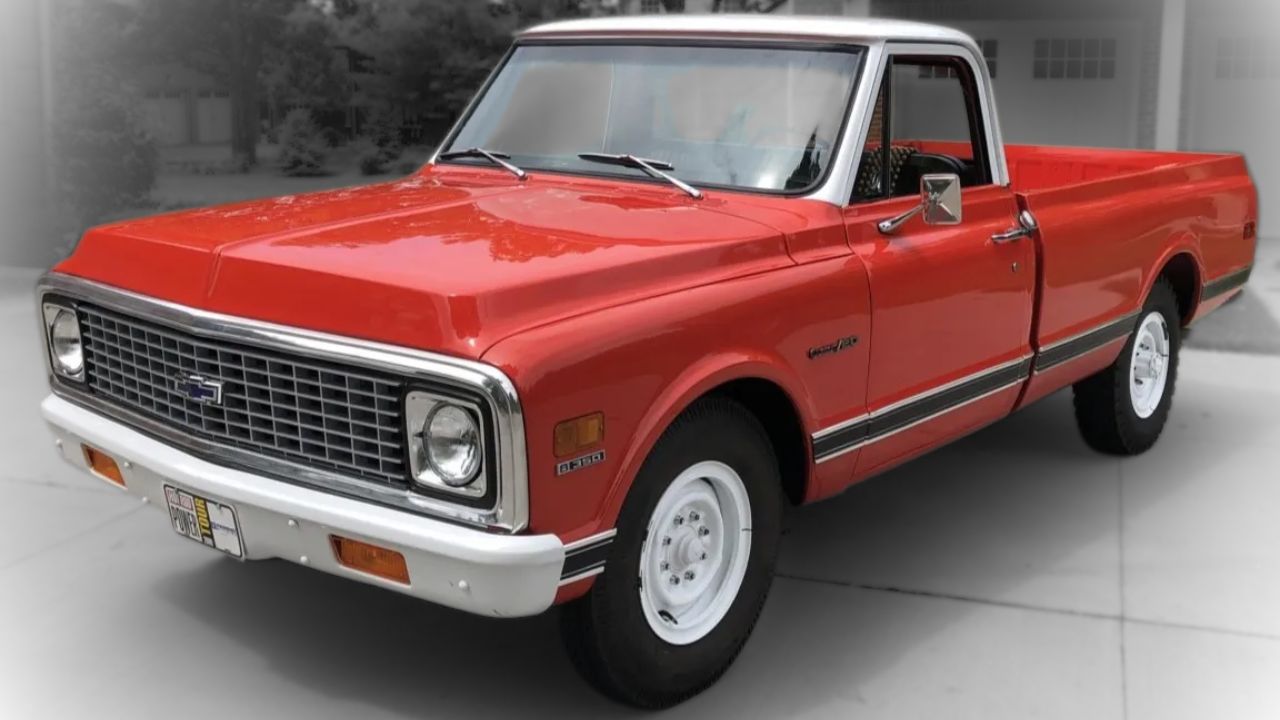
1972 Chevrolet C20 – The Heavy Half-Ton

The 1972 Chevy C20 wasn’t flashy, but it was the truck you called when something heavy had to move. With a 350 V8 or optional 402 big block, it could tow livestock trailers, carry engine blocks, or haul grain with no sweat.
Farmers liked the long bed, reinforced frame, and basic but comfortable bench seat. The optional TH350 automatic made it easier for long hauls, and its straight lines made bodywork easy when it inevitably got dented. It’s still a favorite among restorers who remember when work trucks worked.
1979 Dodge Power Wagon W200 – Built for the Rough Stuff

The Dodge W200 Power Wagon came with full-time four-wheel drive, Dana 60 axles, and a 360 or 400 cubic-inch V8. It was heavy, loud, and about as subtle as a sledgehammer—but when a field was muddy or a trail got rough, this truck showed up.
It had real farm appeal thanks to its high ride height, generous torque, and rugged underpinnings. You didn’t see it in suburbia—this was a truck for real work. Vinyl floors and bench seats meant you could climb in dirty and not worry about it.
1980 International Harvester Scout II Terra – Half SUV, Half Pickup
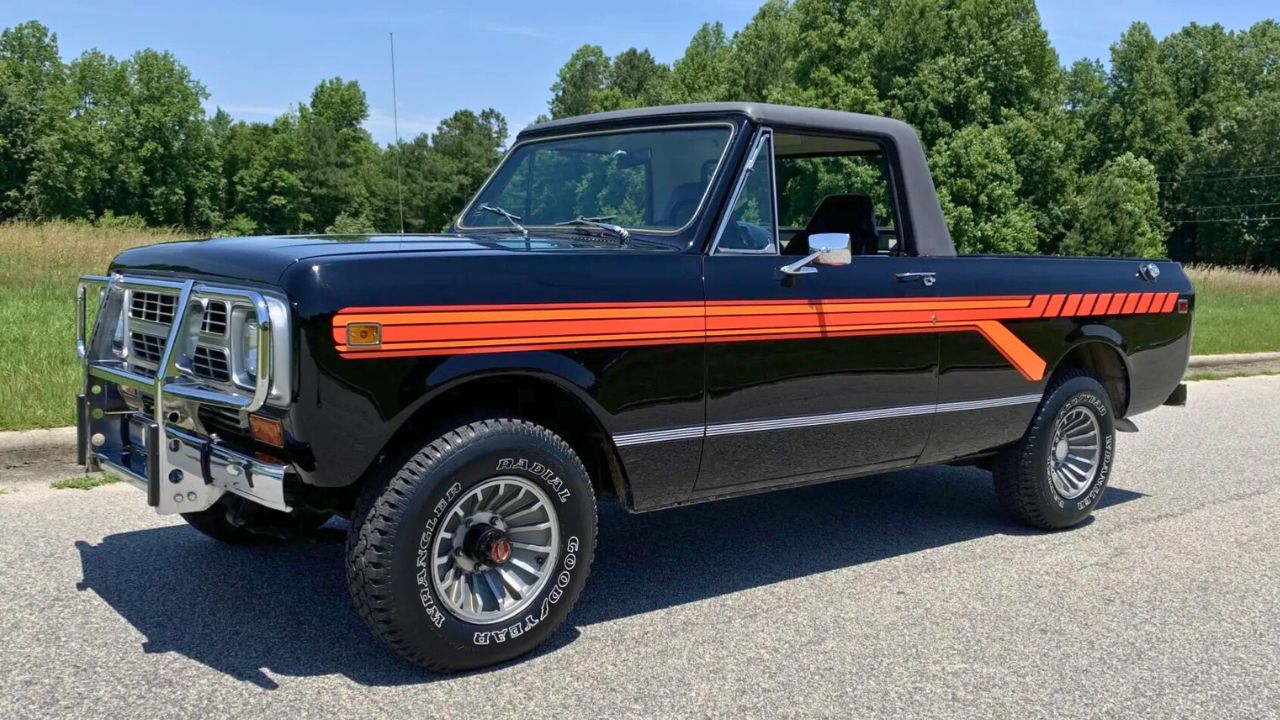
While not a full-size pickup, the Scout II Terra deserves a spot for how often it showed up on farms. With a 118-inch wheelbase and a short pickup bed, it was part utility vehicle, part daily driver. Most had the 304 or 345 V8 and solid axles front and rear.
It wasn’t built for payload, but it could tow, crawl, and get through muddy fields without fuss. The interiors were bare, but that was the point—hose it out, fix it when needed, and keep moving. It was a Swiss Army knife with license plates.
1985 Toyota Hilux – Small, But Relentless
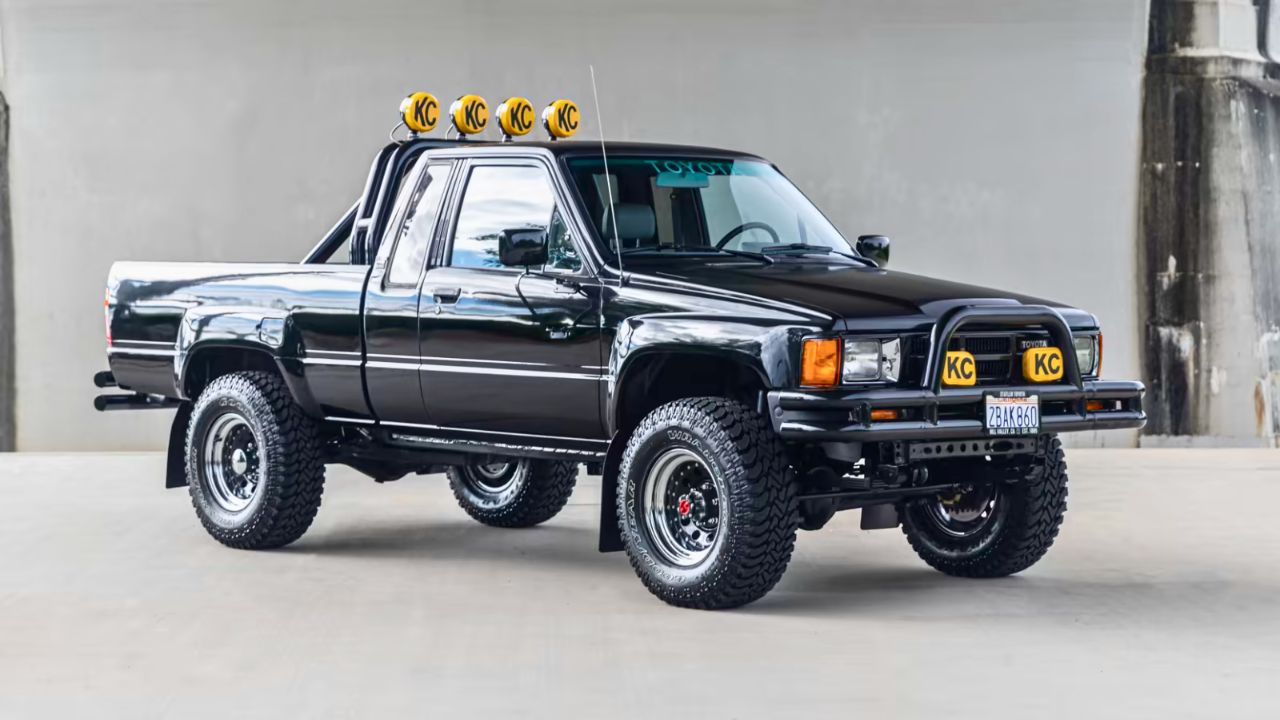
If you didn’t need to tow cattle but wanted a reliable, go-anywhere farm truck, the Toyota Hilux was hard to beat. The 1985 model came with a 2.4L 22R engine—known for running forever—and optional four-wheel drive with a solid front axle.
It wasn’t fast, but it would climb, crawl, and carry small loads without complaint. The bed could handle fencing supplies or feed, and the cab was spartan but tough. These trucks became legends on ranches for one reason: they refused to quit.
1991 Ford F-250 HD – Peak Utility in the Pre-Power Stroke Era

Before the Power Stroke took over, Ford’s F-250 HD lineup in the early ’90s was built for serious farm labor. You could spec it with a 7.5L 460 V8 or a 7.3L non-turbo diesel. Either way, it had torque for days and a frame made for towing.
It came with heavy-duty suspension, rear leafs, and available dual tanks. Interiors were still no-nonsense, but you could get air conditioning if you wanted to get fancy. These were dependable brutes, and they’re still running on farms today across the Midwest.
1993 Dodge Ram 250 – The First Cummins Era
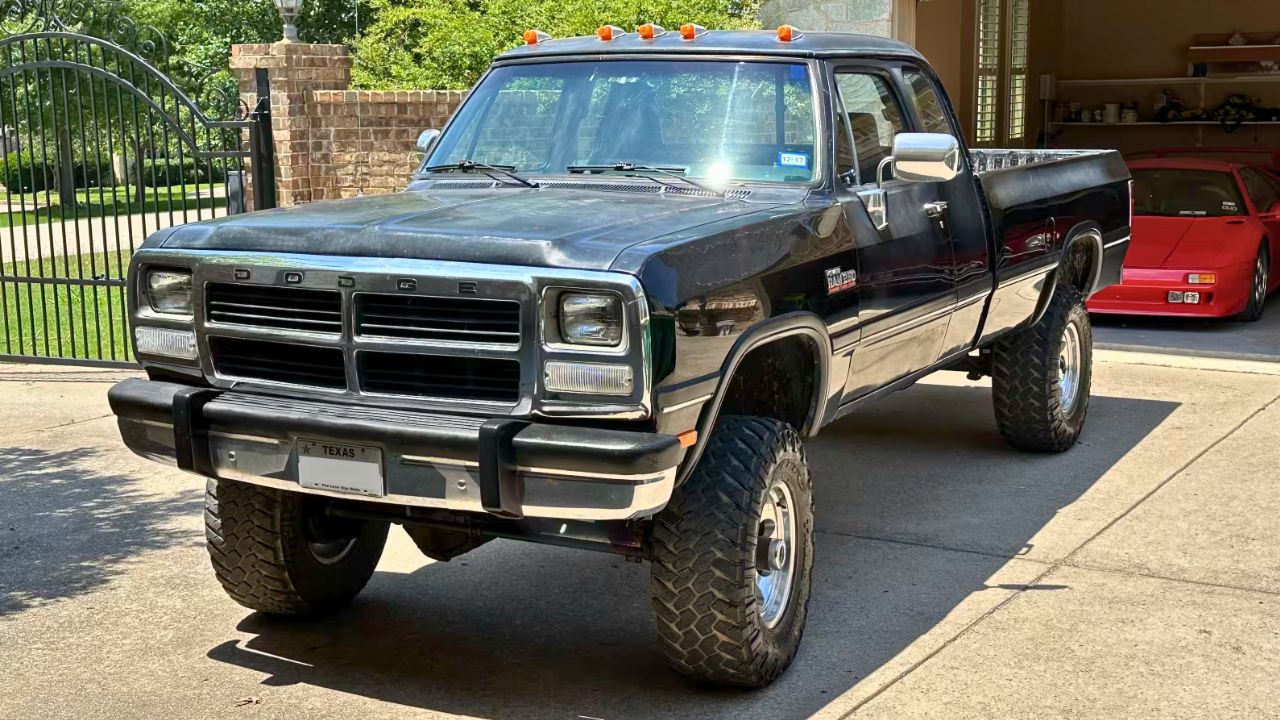
By 1993, Dodge had refined its use of the 5.9L 12-valve Cummins turbo diesel, and the result was a torque monster that farmers fell in love with. Making 160 hp and 400 lb-ft of torque, it could haul tractors, livestock trailers, or full beds of fencing gear.
Paired with a 5-speed manual and solid Dana axles, the Ram 250 was a tank with a tailgate. The square body styling was aging, but no one cared—it was the Cummins that mattered. It earned a permanent spot on farms where heavy pulling was part of the daily grind.
1996 Chevrolet Silverado 3500 Dually – Wide Load, No Problem

If your farm ran big equipment, you needed a truck like the ’96 Silverado 3500 dually. With dual rear wheels and a 7.4L 454 V8, it had the muscle to move gooseneck trailers and the footprint to keep things stable.
Chevy offered these in regular and crew cab configs, with 4WD optional and big 8-foot beds. Interiors leaned toward comfort by mid-’90s standards, but under the skin, it was all about work. The dually setup gave farmers serious confidence hauling heavy loads over long distances.
Like what you read? Here’s more by us:
*Created with AI assistance and editor review.