Across the United States, the pickup truck has evolved from a work tool into a rolling status symbol that dominates streets, parking lots, and even suburban driveways. As hoods climb higher and cabins stretch longer, the question is no longer whether trucks have grown, but whether their scale still fits everyday life in crowded cities and fragile neighborhoods. The answer touches safety, infrastructure, consumer culture, and a regulatory system that has quietly encouraged vehicles to swell in size and weight.
What was once a niche choice for farmers and tradespeople is now marketed as a family car, a luxury lounge, and a personal fortress. That shift has reshaped what Americans see as normal on the road, even as concerns mount that these towering machines are harder to park, more dangerous in a crash, and increasingly disconnected from the practical hauling needs they were built to serve.
From workhorse to lifestyle accessory
Pickup trucks were historically sold as rugged workhorses, designed for farms, construction sites, and trades. Over time, their image has shifted toward a broader lifestyle product, with marketing that emphasizes personal identity and toughness rather than payload charts. One analysis notes that trucks were once symbols of work on farms and by trades people, but their image has shifted to symbols of power and status, a change that helps explain why so many are now purchased by people who rarely load the bed at all.
That cultural repositioning has gone hand in hand with a move toward larger, more passenger-focused bodies. Jason Doolin Most observers point out that most trucks today are 4 door crew cabs, with manufacturers recognizing a big market for trucks that a family can use as a primary vehicle. Passenger Use and Crew cab configurations prioritize space for passengers, which slightly reduces bed length but significantly increases overall footprint, height, and curb weight. The result is a vehicle that looks like a tool but functions, for many buyers, as a family SUV with an open cargo bay.
Why trucks keep getting bigger
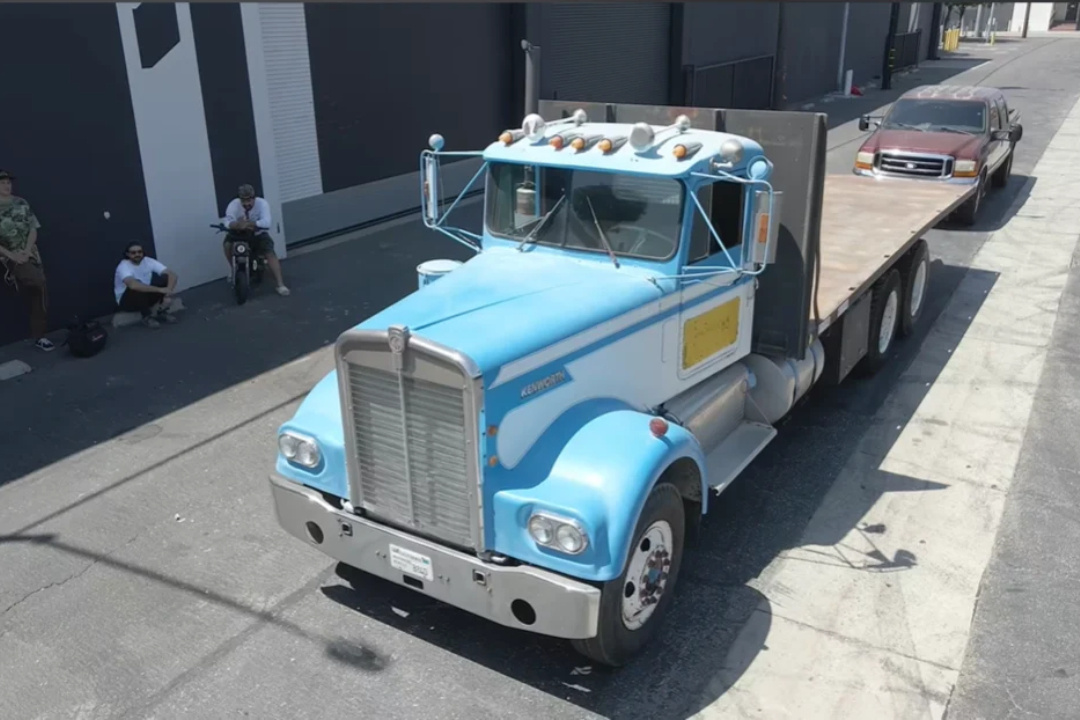
The physical growth of trucks is not just a matter of taste, it is the product of design choices, regulatory incentives, and profit strategies. Visual comparisons between a truck from the 1980s and a brand new truck show that trucks have gotten way bigger, with taller hoods and bulkier bodies that dwarf their predecessors. Video explainers on why trucks are so big describe how automakers have steadily increased dimensions to meet consumer expectations for presence and perceived safety, while also creating space for more features and larger cabins.
Regulation has quietly pushed in the same direction. Legal and tax rules that treat “light trucks” differently from passenger cars have encouraged manufacturers to expand the market appeal of light trucks instead of fostering a market focused on fuel efficiency and smaller vehicles. Instead of tightening standards to favor compact, efficient models, these loopholes created strong economic incentives to build and sell ever larger pickups and SUVs. One legal analysis argues that Today massive trucks grew in size due to societal and lifestyle changes, shifting buyer demands, and legal loopholes that favored bigger vehicles for both consumers and manufacturers.
Safety and the human cost of supersizing
As trucks have grown taller and heavier, the safety consequences have become harder to ignore. Many Americans now think that SUVs and trucks have become too large and should be regulated, with polling noting that Over the past three decades, SUVs have grown in size and weight in ways that increase the likelihood of accidents and the severity of injuries. The damage caused by the supersizing of the American vehicle fleet has gone far beyond the environment, with American researchers warning that Big cars imperil everyone outside their cabins, especially pedestrians and cyclists who face higher front ends and larger blind spots.
Technical assessments of modern pickups highlight specific design problems. The Problem with Truck Design is that the front grills of modern trucks can be so tall and flat that they create large forward blind zones and strike pedestrians in the torso or head rather than the legs, which dramatically worsens outcomes in a collision. One safety review notes that virtually every new truck on the lot is taller, wider, and longer than its predecessors, a trend that leaves smaller cars and vulnerable road users at a disadvantage. Legal practitioners who handle Truck Accidents stress that the laws and regulations imposed on motor carriers are strict, with good reason, because the sheer size of trucks turns small errors or oversights into major accidents, a logic that increasingly applies to oversized pickups in civilian traffic as well.
Everyday inconvenience: streets, parking, and infrastructure
Beyond crash statistics, the daily friction of living alongside giant trucks is becoming more visible. Consumer guides that compare a minivan vs SUV vs truck warn that Trucks can also be difficult to navigate in busy cities or when you go down town, where Many cities and parking lots have tight corners and spaces that seem to be designed by compact car drivers. On narrow streets, large vehicles struggle to stay within lanes, block sightlines at intersections, and force other drivers and cyclists into awkward maneuvers. Legal commentary on the Special Dangers Of Large Vehicles On Narrow Roads notes that Depending on the nature of the surrounding businesses, rigs might need to access the space for deliveries, and Additionally large vehicles can force pedestrians to step into the street or weave around parked bumpers that jut into crosswalks.
Infrastructure that was built for smaller vehicles is also under strain. Logistics analysts describe An unreliable infrastructure that includes insufficient capacity and outdated technology that cannot keep up with the operational processes needed to keep trucks moving, a problem that is magnified when individual vehicles occupy more space and require larger turning radii. Even in the heavy trucking world, Critical Everyday Issues such as cooling systems and radiators show how Many trucks arrive with cooling systems that have been overlooked for far too long, with Low coolant levels and restricted radiators threatening the engine and shortening its useful life. When oversized pickups are used as daily commuters rather than work tools, they bring some of those heavy-vehicle maintenance burdens into ordinary neighborhoods and parking garages that were never designed for them.
What drivers actually use these trucks for
One of the sharpest critiques of modern pickups is that their capabilities far exceed what most owners need. Social media debates ask what owners are even hauling with these massive trucks, with commenters noting that Pick Up trucks are very rarely used for work and that many buyers treat them as personal toys or fashion statements. A widely shared comment thread includes people who say I just bought a Lotus and can fit my groceries in it, contrasting that with full-size trucks that spend most of their time empty, idling in school pickup lines or crowding grocery store lots.
Online forums echo the same skepticism. In one discussion titled My theory on why pickup trucks are all so big nowadays, a user earns an Upvote for using the Datsun 620 as an example of a compact, utilitarian truck that once met everyday needs without towering over traffic. Another commenter responds, You have a guess, but you’re off base, before explaining that Trucks have grown because buyers now expect luxury interiors, advanced technology, and imposing road presence, not just a simple bed and basic cab. That shift is reflected in market research that asks Are pickup trucks the new luxury vehicle, with findings that Though typically seen as an unconventional choice, luxury truck ownership is increasing and that TrueCar, Inc has found that buyers are drawn to the comfort, towing capacity, and overall sleekness of newer models, even when they rarely tow or haul.
More from Fast Lane Only