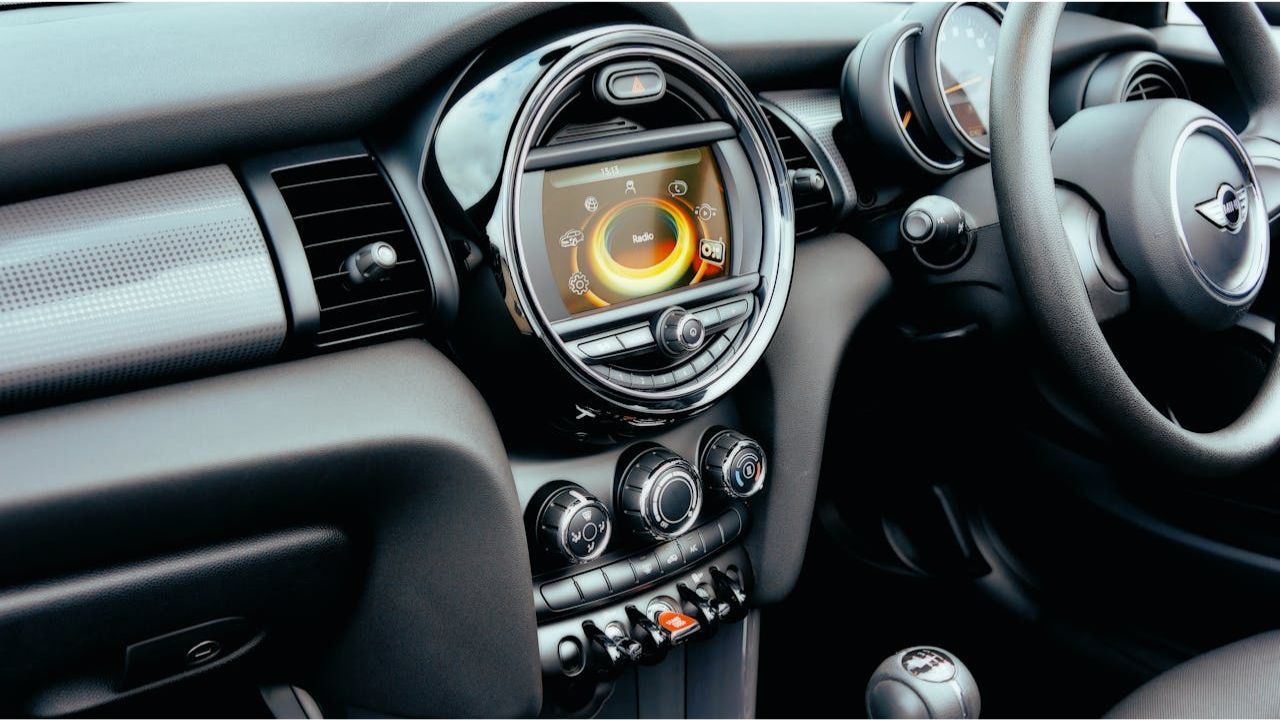
Modern vehicles are no longer just mechanical marvels; they are sophisticated computers on wheels, equipped with a range of hidden software features. These capabilities often go unnoticed by the average driver but can significantly enhance driving safety, comfort, and convenience. Let’s dive into some of the most surprising and useful software features embedded in today’s vehicles.
Advanced Driver Assistance Systems (ADAS)
One of the standout features in modern vehicles is Adaptive Cruise Control (ACC). Unlike traditional cruise control, which maintains a set speed, ACC is smarter and more intuitive. It uses radar or camera systems to keep a safe distance from the vehicle ahead by automatically adjusting the car’s speed. This technology is particularly useful in stop-and-go traffic, allowing drivers to maintain a safe following distance without constant manual adjustments.
Lane Keeping Assist (LKA) is another remarkable ADAS feature. By detecting lane markings on the road, LKA gently steers the vehicle back into its lane if it begins to drift unintentionally. This can be a lifesaver on long highway drives where fatigue might cause a driver to become less vigilant. For example, the Honda Accord and Toyota Camry models from recent years include LKA systems, providing an extra layer of safety for drivers.
Automatic Emergency Braking (AEB) systems are designed to prevent or mitigate collisions. By monitoring the road ahead, AEB can detect an impending crash and automatically apply the brakes. In situations where a driver might not react quickly enough, AEB can be crucial. Vehicles like the Subaru Forester and Ford Escape incorporate AEB, showcasing the industry’s commitment to enhancing safety through technology.
Infotainment System Integrations
Modern vehicles have evolved to become more than just a means of transportation; they are entertainment hubs on wheels. Voice recognition and AI assistants, such as Amazon’s Alexa and Google Assistant, have found their way into car infotainment systems. These technologies allow drivers to control navigation, music, and even home automation devices without taking their hands off the wheel, making driving both safer and more convenient.
Smartphone connectivity has also seen significant advancements with platforms like Apple CarPlay and Android Auto. These systems offer seamless integration of mobile devices with the car’s infotainment system, enabling drivers to use apps, send messages, and make calls through the car’s interface. For instance, the Hyundai Sonata and Chevrolet Malibu provide these integrations, ensuring that drivers stay connected while keeping their focus on the road.
Over-the-Air (OTA) updates represent a paradigm shift in how vehicles are maintained. Gone are the days when a visit to the dealership was necessary for software updates. With OTA updates, manufacturers can deliver the latest functionalities and security patches directly to the vehicle. Tesla has been a pioneer in this area, but other manufacturers like Ford and BMW are rapidly adopting this approach, ensuring that drivers always have the latest features at their fingertips.
Energy Efficiency and Eco Features
Regenerative braking systems are a hallmark of hybrid and electric vehicles, playing a significant role in improving energy efficiency. This technology recovers energy that would otherwise be lost during braking and converts it back into electrical energy, which is stored in the vehicle’s battery. The Toyota Prius and Tesla Model 3 are excellent examples of vehicles that utilize regenerative braking to enhance their range and efficiency.
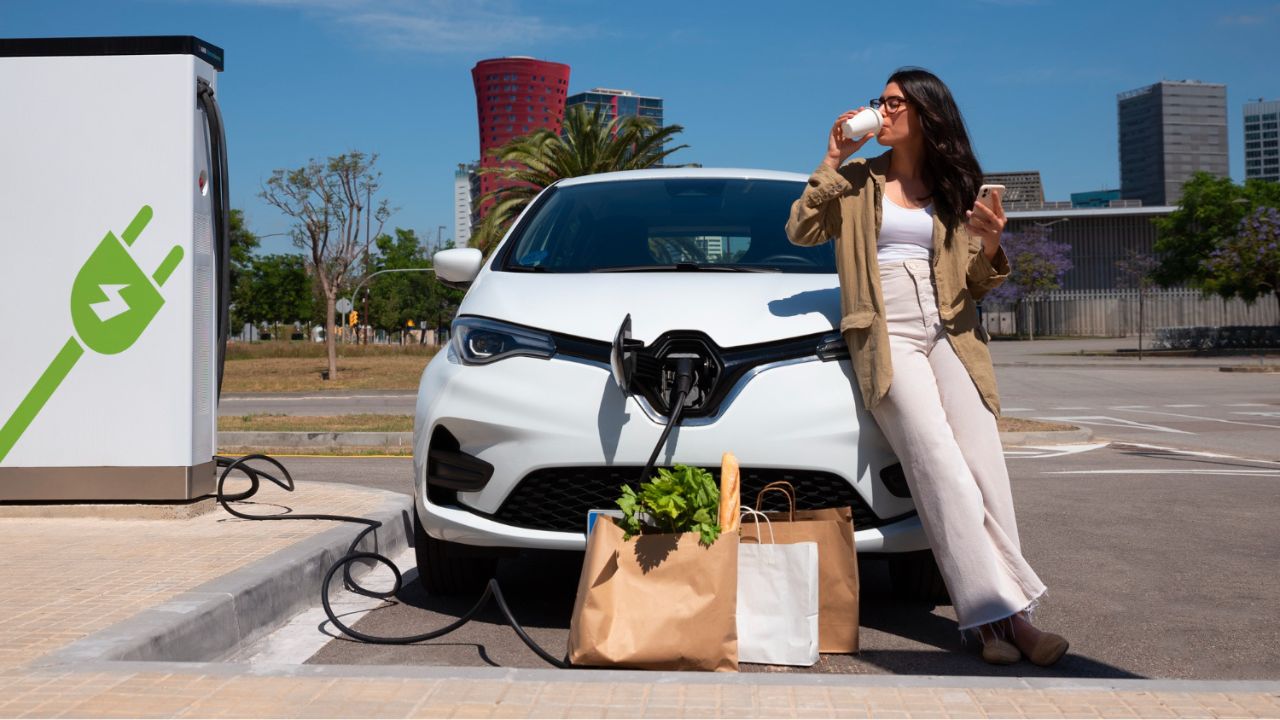
Eco driving modes are another feature aimed at optimizing engine performance for better fuel economy. By adjusting engine parameters and throttle response, these modes help drivers minimize fuel consumption and reduce their carbon footprint. Many vehicles, such as the Honda Civic and Ford Fusion, offer eco modes, providing an option for environmentally conscious drivers to make a tangible impact.
Idle Stop-Start systems are designed to reduce fuel consumption and emissions by automatically shutting off the engine when the vehicle is stationary, such as at traffic lights. When the driver releases the brake, the engine restarts seamlessly. This feature is becoming increasingly common in vehicles like the BMW 3 Series and Jeep Grand Cherokee, contributing to a more eco-friendly driving experience.
Enhanced Security and Safety Protocols
Remote vehicle tracking and immobilization are security features that provide peace of mind to vehicle owners. Through GPS and software, owners can track their vehicle’s location in real-time and even immobilize it in case of theft. Companies like OnStar and LoJack offer these services, allowing users to protect their vehicles and recover them quickly if stolen.
Biometric access systems are revolutionizing vehicle security by using fingerprint and facial recognition technologies. These systems not only enhance security but also offer a personalized experience by automatically adjusting settings to the driver’s preferences. Models like the Tesla Model S and Genesis GV80 are leading the way in integrating such advanced security features.
Driver monitoring systems are designed to enhance safety by keeping an eye on the driver’s behavior. These systems can detect signs of drowsiness or distraction and alert the driver to take necessary actions. Volvo and Cadillac have implemented driver monitoring systems in their vehicles, ensuring that drivers remain attentive and safe on the road.
Personalization and User Experience
Customizable display settings allow drivers to tailor their dashboard displays and interface settings to their liking. Whether it’s adjusting the layout of information or changing the color schemes, vehicles like the Audi A6 and Lexus RX offer a high level of personalization, making the driving experience more enjoyable and intuitive.
Ambient lighting and climate control features further enhance the personalization options available to drivers. Software in vehicles allows for the adjustment of cabin lighting and climate settings, creating a comfortable and inviting environment. The Mercedes-Benz S-Class and BMW 7 Series offer such features, allowing passengers to set the mood and temperature to their preference.
Driver profile recognition systems store multiple driver profiles, automatically adjusting seats, mirrors, and other settings based on who is driving. This feature is particularly useful in households where multiple people share the same vehicle. The Volkswagen Tiguan and Tesla Model X are examples of vehicles that incorporate driver profile recognition, ensuring a personalized experience for every driver.
Like Fast Lane Only’s content? Be sure to follow us.
Here’s more from us:
*Created with AI assistance and editor review.