Station wagons have long held a special place in American automotive history, celebrated as the quintessential family vehicle for road trips. Their unique blend of space, comfort, and versatility made them the perfect choice for families seeking adventure on the open road. Station wagons evolved as iconic symbols of the classic road trip experience, marking an era of freedom and exploration.
The Rise of the Station Wagon
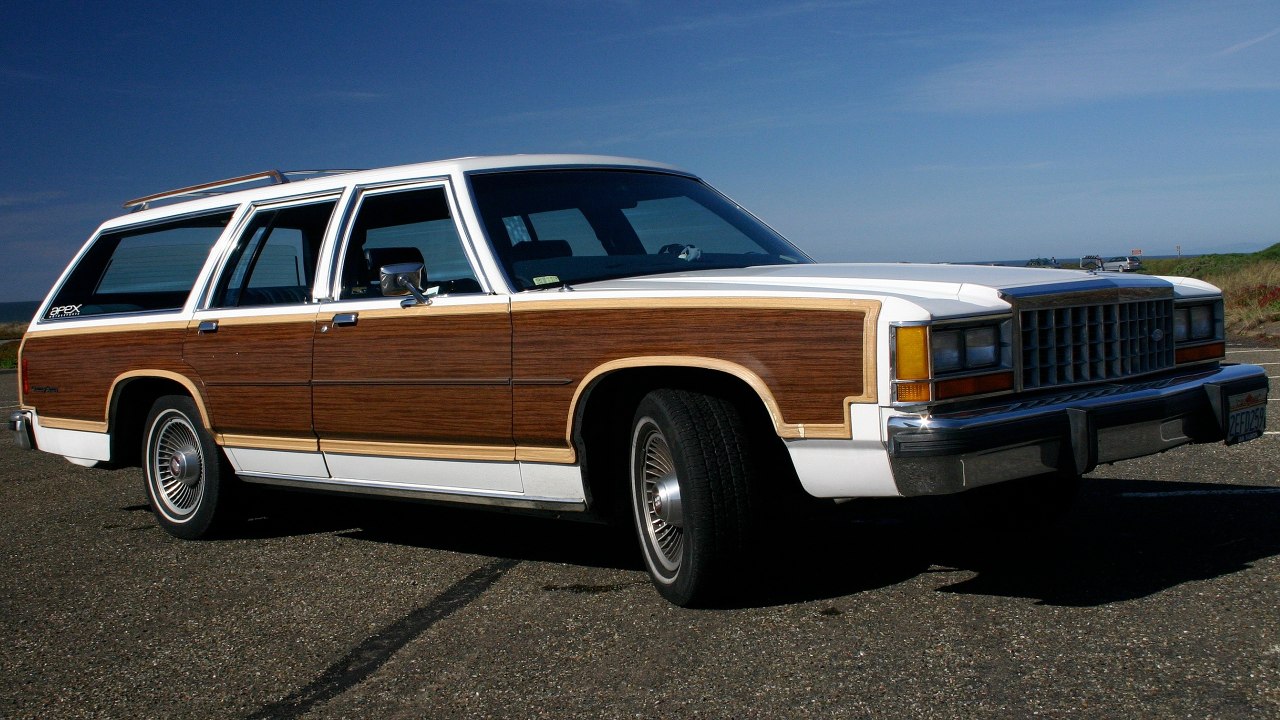
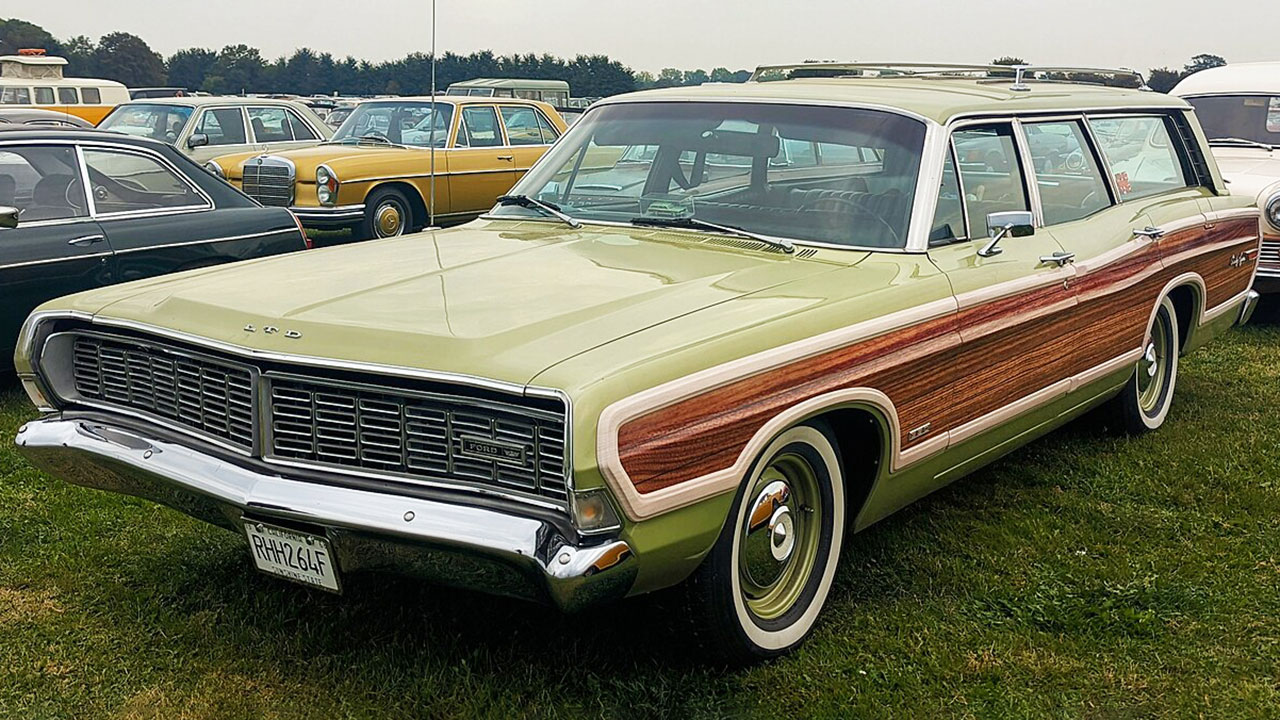
The origins of station wagons can be traced back to the early 20th century when they were primarily used as utility vehicles. Initially, these vehicles were designed with wooden bodies attached to a chassis, earning them the nickname “woodies.” They were commonly used to transport passengers and luggage to and from train stations, hence the name “station wagon.” As automotive technology advanced, manufacturers began to recognize the potential of these vehicles as family-friendly cars. By the 1940s, improvements in design and comfort began to transform station wagons into more than just utilitarian transports.
The post-war era saw a significant boom in the popularity of station wagons. As the American economy flourished and suburban living became the norm, the demand for family vehicles skyrocketed. The convenience of a spacious car that could accommodate the whole family and their luggage made station wagons a staple in American households. Models like the Ford Country Squire and the Chevrolet Bel Air Nomad became household names, symbolizing the ideal family vehicle. These cars were not just practical; they also represented the optimism and prosperity of post-war America.
Station wagons also gained cultural significance through their portrayal in films and television shows. They were frequently depicted as the quintessential family car, appearing in classics like “National Lampoon’s Vacation” and sitcoms such as “The Brady Bunch.” These representations cemented their status as essential companions for family road trips, further embedding them into the fabric of American culture.
Station Wagons and the American Dream
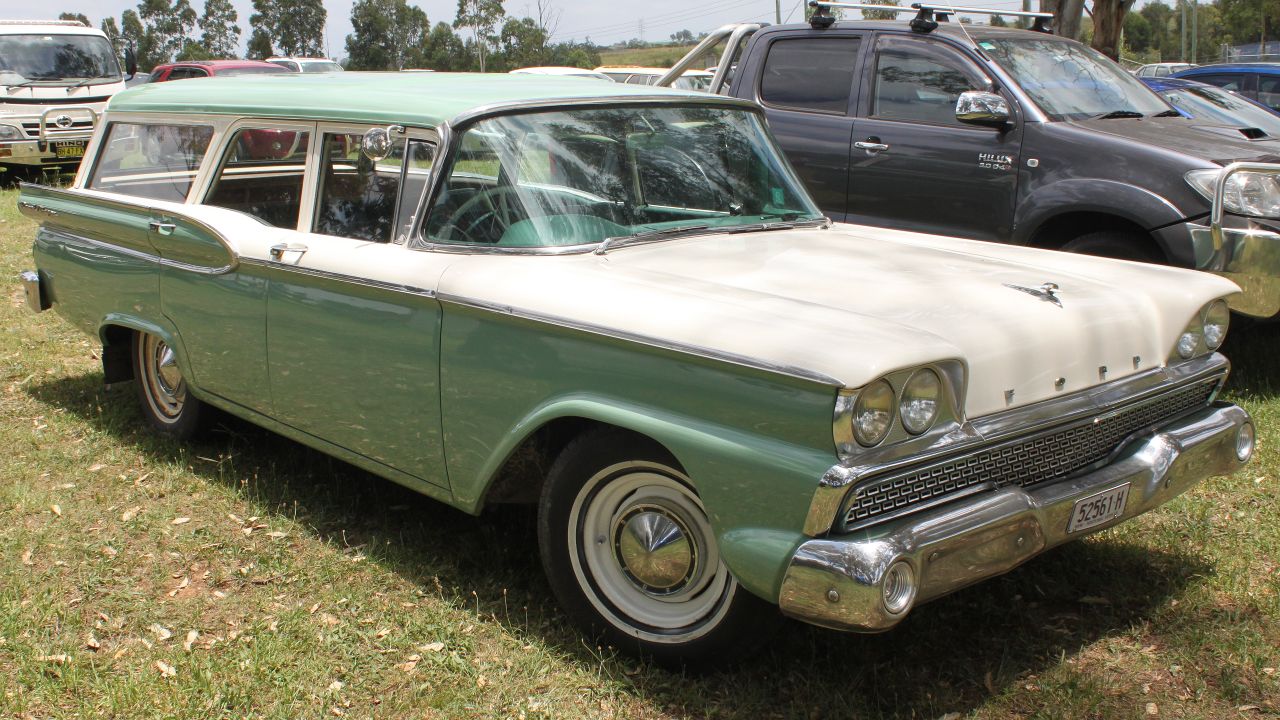
Station wagons quickly became synonymous with the American dream, embodying the ideals of freedom and adventure. For many, these cars represented the possibility of exploring the vast American landscape, from the Grand Canyon to the beaches of California. The open road was a canvas for creating lasting family memories, and the station wagon was the perfect vehicle to facilitate these journeys. Road trips offered families a chance to bond, explore new destinations, and experience the joys of travel together.
The 1960s and 70s marked the golden era of road trips, with station wagons playing a pivotal role. Families loaded up their wagons with camping gear, snacks, and maps, setting off on cross-country adventures. Popular destinations included national parks, historic landmarks, and coastal getaways. The station wagon was more than just a means of transportation; it was a mobile home that provided comfort and security during long journeys. The period was characterized by a spirit of adventure and exploration, with station wagons leading the charge.
Personal stories and anecdotes from this era highlight the nostalgia associated with station wagons. Many families fondly recall their road trips, sharing memories of long drives, roadside picnics, and the excitement of discovering new places. These stories are a testament to the station wagon’s enduring appeal and its role in shaping the American travel experience.
Design and Functionality: A Perfect Fit for Families
The design of station wagons made them an ideal choice for family road trips. Their spacious interiors accommodated large families and provided ample room for luggage and travel essentials. The rear cargo area was perfect for stowing camping gear, bicycles, and even pets, making it a versatile option for families on the go. Furthermore, the comfortable seating arrangements ensured that long journeys were not only possible but enjoyable for everyone on board.
Over the decades, station wagons evolved to include innovative features that enhanced their appeal. Safety advancements such as seatbelts and reinforced frames made them reliable options for family travel. Entertainment options like AM/FM radios, and later cassette players, provided on-the-road amusement, while convenience features such as air conditioning and power windows added to the comfort of the journey. The evolution of these features reflected the changing needs of families and the continuous improvement in automotive technology.
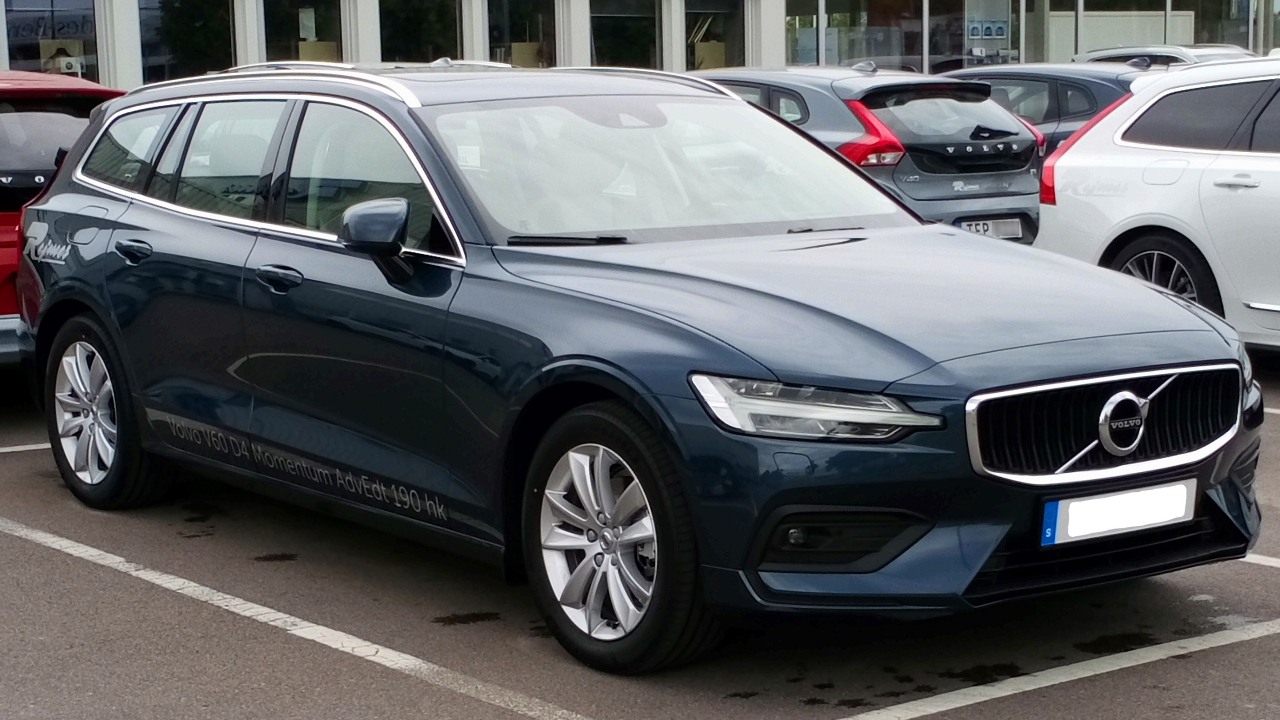
Despite the rise of modern SUVs and minivans, some families still prefer the classic station wagon. The wagon’s lower profile and car-like handling offer a driving experience that many find more comfortable and practical for urban and suburban environments compared to bulkier SUVs. Models like the Subaru Outback and Volvo V60 continue to attract those who appreciate the blend of practicality and nostalgia that station wagons offer.
Decline and Resurgence of Station Wagons

The 1980s and 90s witnessed a decline in station wagon popularity as minivans and SUVs began to dominate the family vehicle market. These new entrants offered even more space, higher seating positions, and a rugged appeal that resonated with consumers. Station wagons, once the darling of American families, were overshadowed and nearly faded into obscurity. However, their classic charm and practicality ensured they never completely disappeared.
In the 2000s, a nostalgia-driven revival brought station wagons back into the limelight. Enthusiasts and automotive manufacturers began to appreciate the timeless design and functionality that station wagons offered. This renewed interest was fueled by a longing for the simplicity and authenticity of past road trips. Automakers responded by reintroducing updated versions of classic models, blending modern technology with traditional wagon characteristics.
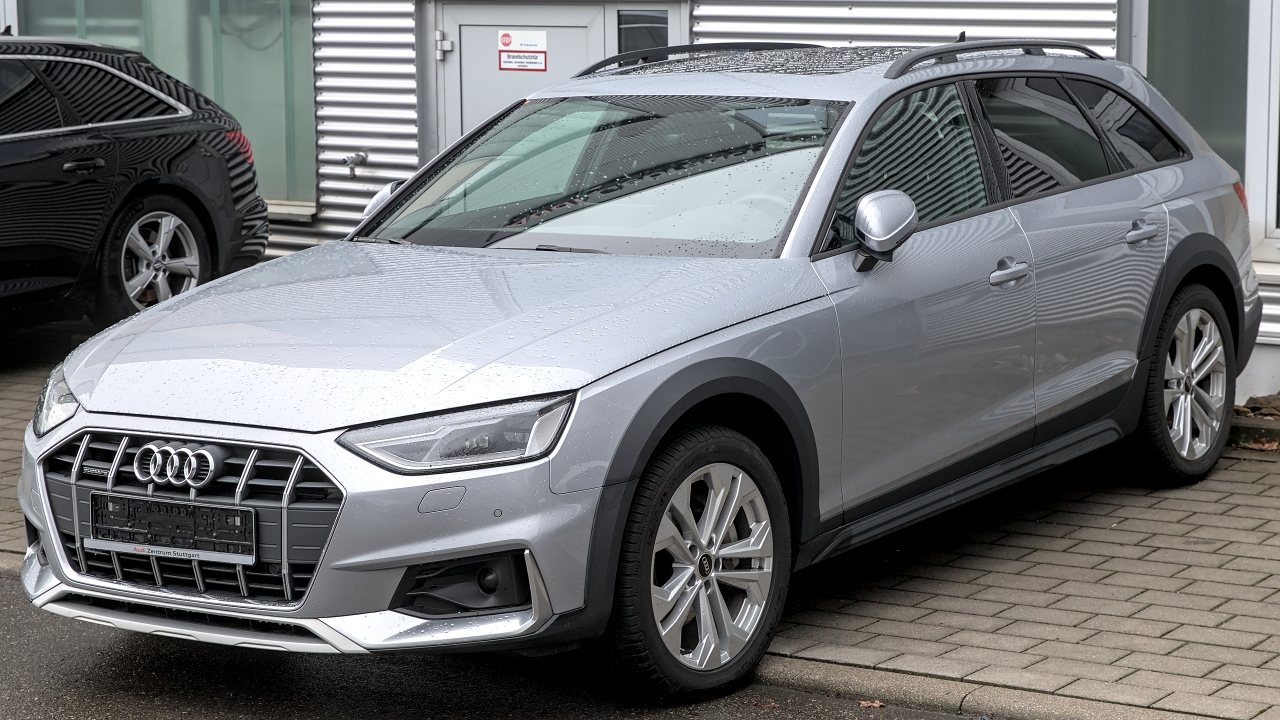
Today, modern station wagons are making a comeback, appealing to a new generation of road trippers. Models like the Audi A4 Allroad and the Mercedes-Benz E-Class Wagon offer luxurious interiors, advanced safety features, and efficient engines, catering to families seeking both style and practicality. These contemporary wagons embody the evolution of a classic, proving that the station wagon still has a place in the future of family travel.
The Future of Station Wagons and Road Trips
As the automotive industry shifts towards sustainability, station wagons are evolving to meet these demands. Manufacturers are developing electric and hybrid wagon models, combining eco-friendly technology with the timeless appeal of the wagon. Vehicles like the Porsche Taycan Cross Turismo exemplify this trend, offering electric performance without sacrificing the spaciousness and versatility that define station wagons.
The advent of autonomous vehicles and smart road trip technology presents new opportunities for station wagons. These advancements could enhance the road trip experience, offering features like self-driving capabilities and connected infotainment systems. Station wagons could serve as the ideal platform for integrating these technologies, providing families with a futuristic yet familiar travel experience.
The legacy of the station wagon road trip continues to inspire families, ensuring its place in the future of travel. As long as there is a desire for adventure and exploration, station wagons will remain a symbol of freedom and family togetherness, adapting to changing times while preserving the spirit of the open road.
Like Fast Lane Only’s content? Be sure to follow us.
Here’s more from us:
*Created with AI assistance and editor review.