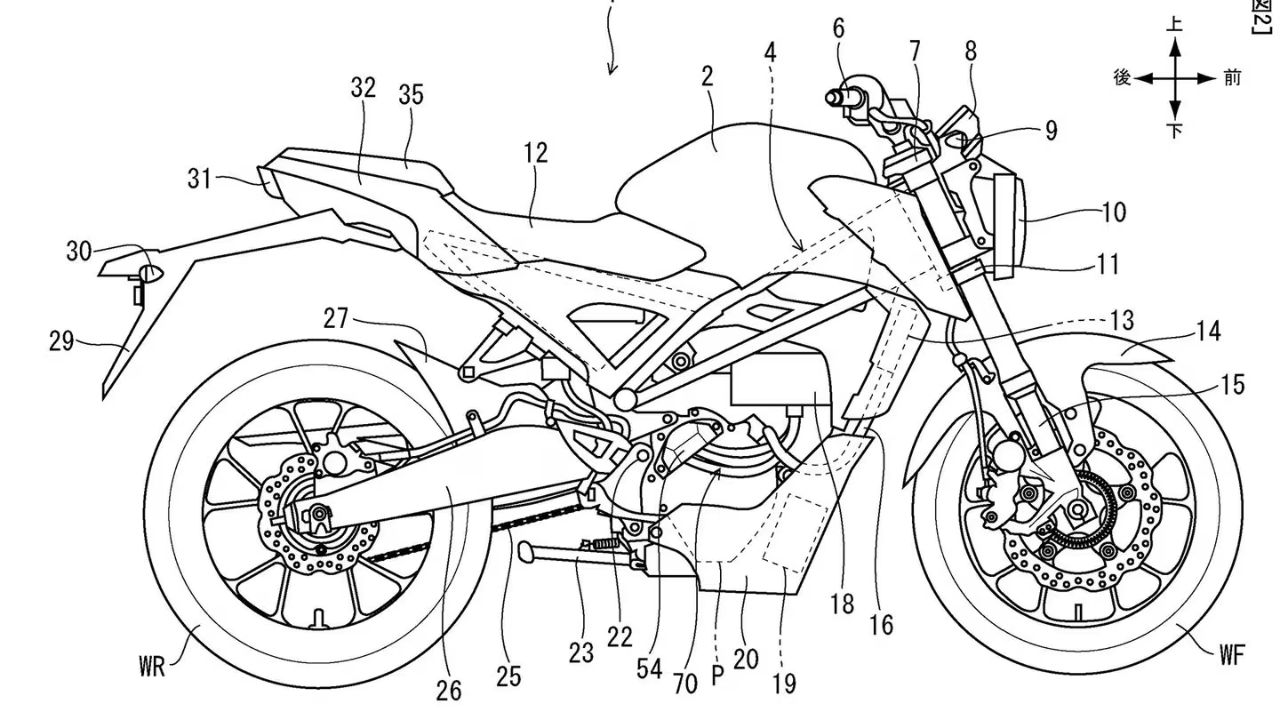
Honda is quietly sketching out a future where your first electric motorcycle looks and feels a lot like the simple commuter you grew up seeing on city streets. A new patent points to an ultra-basic, low-cost electric bike that keeps the silhouette and hardware of a small petrol machine while swapping the engine for a compact motor and removable batteries. For you, that hints at an electric transition built on familiarity, not futuristic excess.
Instead of chasing superbike numbers or luxury gadgets, Honda appears to be targeting the everyday rider who just needs a tough, affordable tool. The design leans on proven parts, old-school styling, and a layout that any mechanic in a neighborhood workshop could understand. If it reaches production in anything close to its patented form, it could reset expectations for what an entry-level electric motorcycle should be.
The patent that points to a back-to-basics EV
At the heart of the patent is a very deliberate choice to keep things as simple as possible. The bike uses a conventional small-displacement commuter layout, with a basic frame, a front telescopic fork, a rear twin-shock setup, a front disc, a rear drum brake, and minimal bodywork that mirrors the kind of machines you already see hauling families and cargo across dense cities. Instead of reinventing the motorcycle around a battery pack, Honda is effectively dropping an electric powertrain into a familiar outline, a move that aligns with a growing consensus that low cost and simplicity are the real keys to electric two-wheeler adoption, as highlighted in Feb.
Where you would normally expect to see a small air-cooled single-cylinder engine, the drawings show a compact electric motor mounted in the same general area, with the rest of the chassis left largely unchanged. The motor is packaged to mimic the footprint of a traditional engine, which lets Honda reuse existing mounting points and geometry instead of engineering an all-new frame, a detail underscored in Honda and echoed in Where. For you, that means a riding position, handling feel, and serviceability that track closely with the petrol commuters you already know, rather than the bulkier, more complex frames that some premium electric bikes require.
Removable batteries and ultra-simple hardware
The most rider-friendly twist in the patent is the way Honda handles energy storage. Instead of a single, heavy, permanently mounted pack, the design uses multiple smaller batteries that slide into the frame and plug in with flexible cables. When the batteries are installed, they are simply connected with basic wiring and no elaborate locking mechanisms, and at the end of the day you remove them and charge them indoors, a routine described in When the. That approach lets you live in an apartment without a dedicated parking charger and still keep an electric bike topped up, one battery at a time.
Honda also appears to be stripping away as much complexity as possible from the electronics and user interface. The patent points to straightforward connectors, minimal sensors, and a basic display that focuses on essentials like speed and state of charge, rather than layered menus and smartphone-style graphics. The new design is detailed enough to suggest a serious production intent, yet it still leans on a simple, conventional structure that any shop can understand, as outlined in Feb. For you, that translates into fewer expensive components to fail and a learning curve that feels closer to a basic analog commuter than a rolling gadget.
Old-school styling built on the Shine playbook
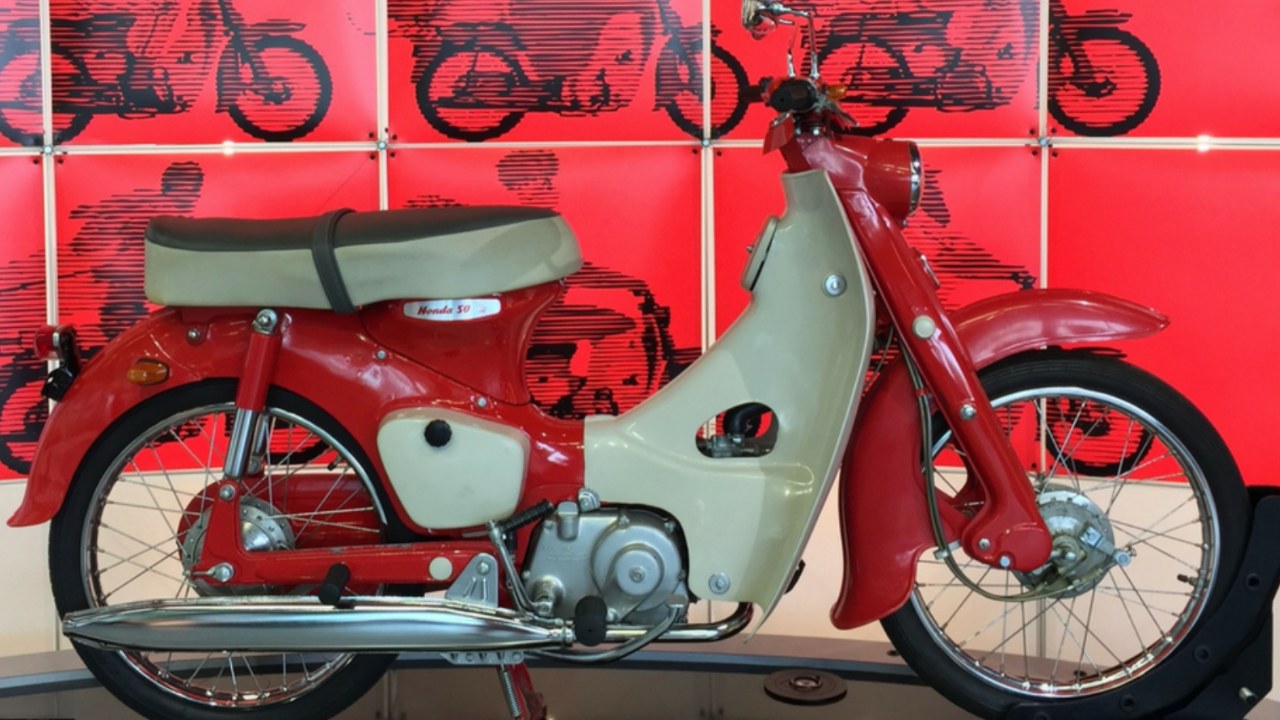
Stylistically, the bike looks less like a sci-fi prototype and more like a workhorse you might already see in a Honda showroom. The patent images and supporting analysis tie the layout closely to the Honda Shine, a mass-market commuter that has become a staple in markets where durability and price matter more than flash. By basing the electric version on the Shine platform, Honda can reuse body panels, lighting, and controls, which keeps the visual language familiar and the parts bin deep, a strategy spelled out in KEY and its HIGHLIGHTS. If you already ride or wrench on a Shine, the electric derivative would feel instantly legible.
That continuity is not just about looks, it is also about manufacturing and cost. Using an existing frame and component ecosystem lets Honda scale production quickly and keep prices in reach for riders who might otherwise be priced out of electric options. Earlier patent imagery of a super low-cost electric motorcycle showed a similar tactic, with designers using the traditional fuel tank area to hide new hardware while preserving the silhouette of an older petrol bike, a pattern noted when Jul highlighted how Some electric motorcycles tuck charging ports into that space. For you, the result is an EV that blends into existing traffic rather than shouting its difference, which can matter in regions where conservative styling still sells best.
Why Honda is betting on low-cost commuters, not halo bikes
If you look at the broader electric motorcycle market, the logic behind this patent becomes clearer. High-performance models have grabbed headlines, but their price tags and complexity limit them to a niche. By contrast, Honda is positioning this project as a mass-market tool, a move that fits with the company’s wider push into accessible electric mobility. Reporting on Honda’s strategy notes that the brand is stepping into the electric motorcycle segment with a mass-market product and that the latest patented images point to a practical commuter rather than a premium toy, a direction underscored in Honda.
Cost control is central to that plan. Analyses of Honda’s low-cost electric motorcycle efforts describe an “Astute Transition” that leans on tried-and-true platforms to reduce development expenses and streamline production, especially in price-sensitive regions. By using a reliable frame and familiar hardware, Honda can target markets such as Pakistan and other emerging economies where small commuters dominate, as detailed in Honda, Astute Transition, Low, and Cost Electric Motorcycles. For you, that focus suggests Honda is less interested in impressing spec-sheet enthusiasts and more intent on giving everyday riders a realistic path into electric ownership.
What this could mean for your next everyday bike
For a rider weighing a first electric purchase, the implications of this patent are practical rather than theoretical. A bike that looks and feels like a Honda Shine, uses a basic front disc and rear drum, and carries removable batteries you can charge in a small apartment solves several of the pain points that have held you back from going electric. The design’s reliance on minimal bodywork and straightforward hardware, as emphasized in There, means you are not paying for features you do not need, and your local mechanic is less likely to be intimidated by the layout.
At the same time, the patent signals how Honda sees the next wave of electric adoption unfolding. Instead of waiting for charging networks and premium models to trickle down, the company is preparing a bike that can drop straight into the daily routines of riders who currently rely on small petrol commuters. The new design, which is detailed enough to indicate a serious, production-intended project, adopts a simple, conventional structure that could be built in large numbers without exotic tooling, a point reinforced in Feb. If Honda follows through, your next everyday bike might not look revolutionary at all, and that could be exactly what makes it work.
More from Fast Lane Only