Chrysler’s big-block V8s began as workhorse powerplants for family sedans and full-size coupes, yet over time they turned into cult objects that define entire eras of American performance. What started as an engineering response to rising weight, tougher safety standards, and higher highway speeds eventually grew into a shared language for drag racers, restorers, and collectors. The story of how one engine family captured that loyalty helps explain why some classic cars now command global attention and serious money.
That loyalty did not appear overnight. It was built across decades of track results, street legend, and the stubborn durability of iron blocks that refused to die. Over the years, Chrysler’s V8s migrated from daily transportation into garages, clubs, and online forums where owners still argue about cam profiles and carburetor jetting as if the engines were new.
From utilitarian V8 to muscle-era icon
In the early 1960s, Chrysler needed engines that could push heavier, more luxurious cars at sustained highway speeds while surviving harsh use. The company’s big-block V8s answered that need with thick castings, generous bearing surfaces, and conservative factory tune. They were not exotic; they were designed for longevity and torque, which made them perfect candidates once Detroit’s horsepower race accelerated.
As the muscle era took shape, Chrysler engineers realized that the same stout bottom ends could handle far more power. Higher compression ratios, hotter camshafts, and better flowing cylinder heads turned workhorse V8s into serious performance packages. Cars such as the Dodge Charger, Plymouth Road Runner, and Chrysler 300 leveraged that transformation, selling buyers on the idea that a family-sized coupe could also dominate a quarter-mile strip.
Owners quickly discovered that these engines tolerated abuse. Street racers leaned on them with aftermarket intake manifolds, bigger carburetors, and aggressive ignition timing. The blocks survived repeated over-revving and backyard rebuilds. That resilience built trust, and trust became the foundation of a fan base that endured long after new-car buyers moved on to smaller, more efficient engines.
How engineering quirks turned into folk wisdom
Part of the appeal lies in how familiar these engines feel to work on. The basic architecture stayed consistent for years, so skills learned on a mid-1960s B-body apply to a later C-body sedan. This continuity encouraged a cottage industry of tuners and parts suppliers who could support owners across generations of vehicles.
Enthusiasts turned recurring maintenance jobs into shared rituals. Swapping timing chains, adjusting valve lash, or rebuilding carburetors became weekend rites of passage. Over time, these tasks evolved into folk wisdom. Owners traded tips on which factory heads respond best to porting, which exhaust manifolds flow decently without headers, and how far a stock bottom end can be pushed before it protests.
That shared knowledge helped keep cars on the road even as emissions rules and fuel crises pushed big V8s out of showrooms. When new vehicles moved toward smaller displacement and electronic controls, Chrysler’s older engines stayed alive through this informal support network. Their survival depended less on corporate backing and more on the stubbornness and creativity of the people who loved them.
Why nostalgia and scarcity now drive values
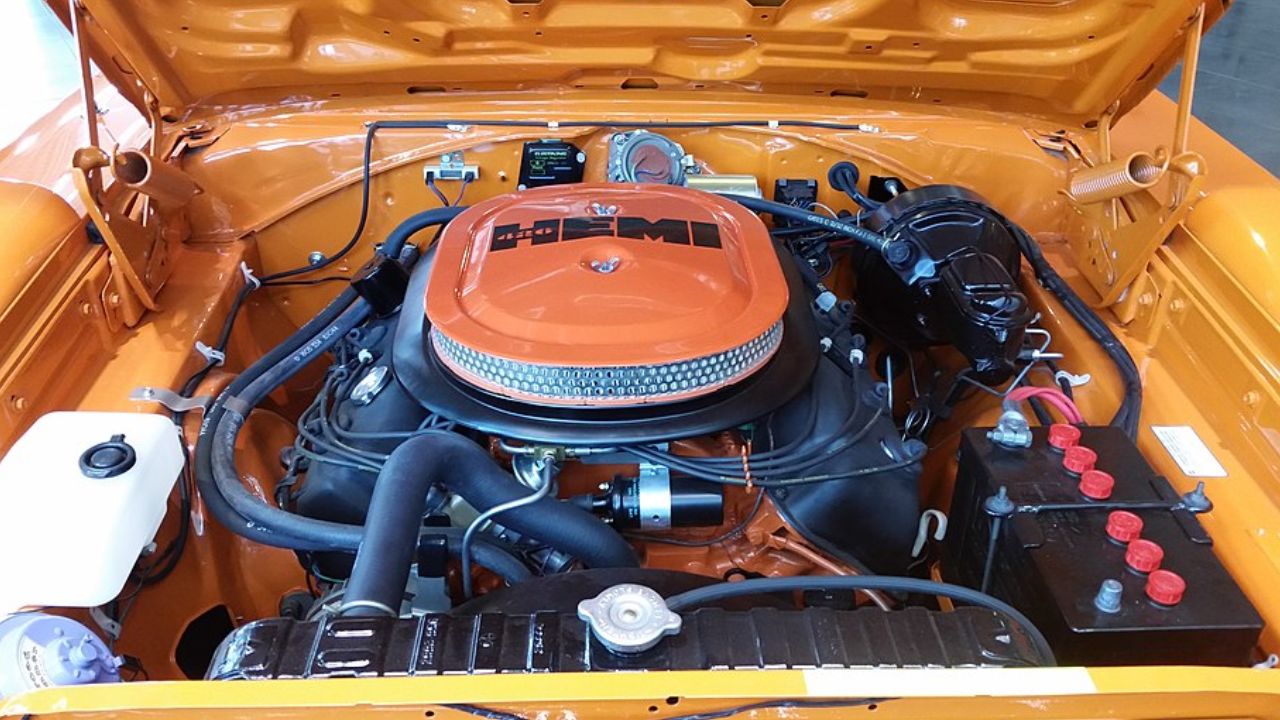
As the original muscle-car generation ages, nostalgia has become a powerful economic force. Buyers who once saw Hemi and big-block badges in showroom windows now have the means to chase the cars they could not afford in their youth. That demand has rippled into the broader classic market, lifting values for vehicles that share the same mechanical heart.
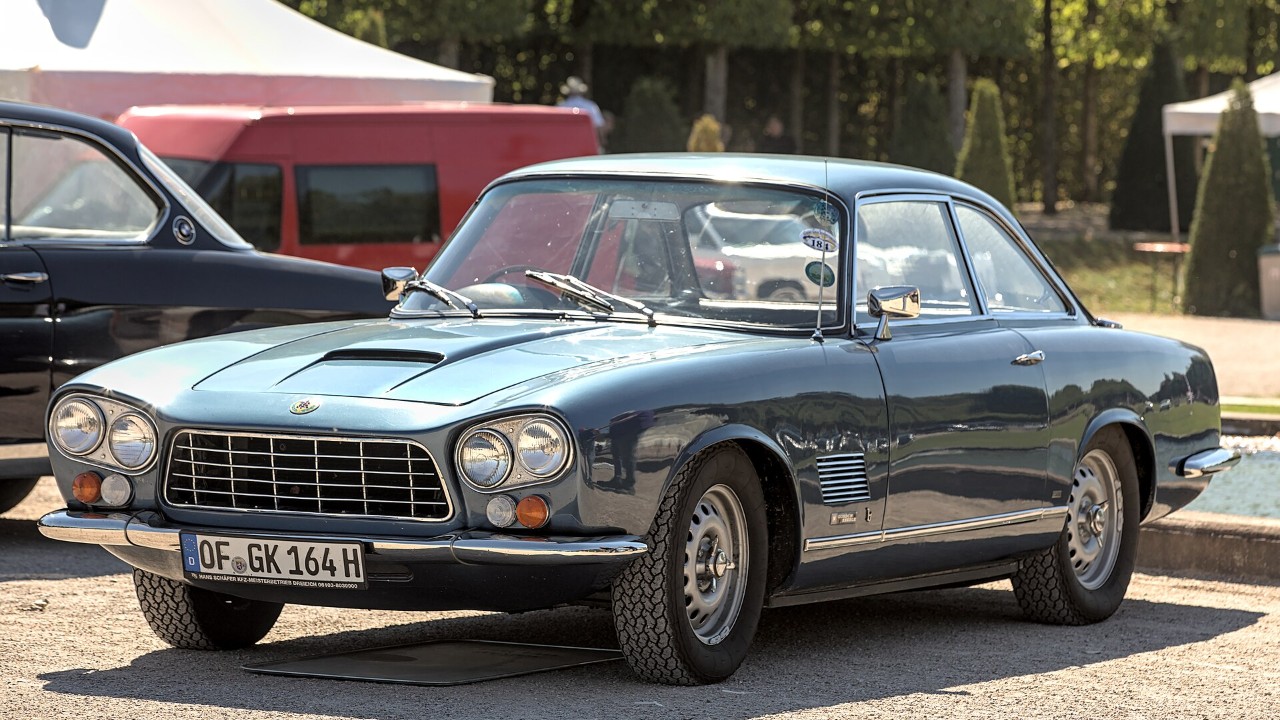
The pattern is visible across brands. Interest in big, charismatic engines has helped elevate once-overlooked models such as the Jensen Interceptor, whose appeal rests partly on its Chrysler V8 and the sense of occasion that comes with that powertrain. Rising attention to cars like the Jensen Interceptor shows how a shared engine family can connect British grand tourers, American muscle, and luxury cruisers in the same collector conversation.
Scarcity compounds that nostalgia. Many Chrysler-powered cars were used hard and parked when rust, rising fuel costs, or insurance premiums made repairs uneconomical. Surviving examples with original drivetrains now feel like artifacts of a different automotive philosophy. The engine is the anchor that makes restoration worthwhile, even when sheet metal and trim require extensive work.
Community, not just horsepower, keeps the legend alive
The fan base around Chrysler’s big V8s thrives as much on community as on raw output. Local clubs organize cruises and track days where owners compare build sheets and casting numbers. Online forums and social media groups function as rolling archives, preserving factory documentation, dyno charts, and scanned service manuals that might otherwise disappear.
These communities give the engines a second life as social connectors. A shared interest in a particular casting code or intake manifold can bridge age gaps and geographic distance. Younger enthusiasts who never saw these cars new still learn from veterans who tuned them when leaded fuel and bias-ply tires were standard. That mentorship keeps practical knowledge alive and lowers the barrier to entry for new owners who might be intimidated by carburetors and points ignition.
Events such as multi-day road rallies and drag weekends also reinforce the engines’ reputation for toughness. When a 50-year-old Chrysler-powered car completes a long highway run or survives repeated passes at the strip with minimal drama, it validates the mythology that these engines are nearly unbreakable if treated with basic respect. Each successful trip becomes another story that owners share, adding to the legend.
Modern upgrades that respect an old-school heart
The most devoted fans have not frozen their cars in time. Many now blend period-correct looks with modern hardware that improves drivability without erasing character. Electronic ignition modules hide inside stock-style distributors. Aluminum radiators sit behind original grilles. Aftermarket fuel systems mimic the feel of carburetors while adding reliability and cleaner running.
Some builders go further with stroker kits, roller camshafts, and modern cylinder heads that extract far more power than factory engineers ever intended. Yet even in heavily modified projects, there is often a desire to keep the engine visually recognizable. The goal is to preserve the identity of a Chrysler big-block under the hood, not to swap in an unrelated powerplant that might offer easier gains but less emotional payoff.
This balance between preservation and improvement reflects a broader shift in classic-car culture. Owners want to drive their cars regularly, not just trailer them to shows. That expectation has encouraged a wave of upgrades that make old engines more tolerant of traffic, ethanol-blended fuels, and long-distance travel while still sounding and feeling like the machines that captured imaginations decades ago.
Why the story of one engine family still matters
The journey of Chrysler’s big V8s from mainstream product to cult favorite says a great deal about how mechanical objects earn emotional weight. These engines were never rare in period. Their later scarcity and status came from the way people used them, modified them, and refused to discard them when tastes changed.
They also illustrate how engineering decisions echo across generations. Choices about bore spacing, deck height, and valvetrain layout shaped not only factory performance but also the tuning potential that enthusiasts exploit today. When a design proves flexible enough to support both mild family sedans and fire-breathing drag cars, it creates room for owners to imprint their own ideas onto the hardware.
In a market that increasingly values software and silent electric propulsion, the loyalty surrounding these engines offers a counterpoint. It shows that sound, vibration, and the tactile feel of a throttle linkage still matter deeply to a segment of drivers. That sentiment helps explain why automakers continue to reference heritage nameplates and visual cues from the muscle era, even as their powertrains evolve.
What comes next for a mechanical cult hero
The long-term future of Chrysler’s classic V8s will be shaped by regulation, demographics, and the availability of parts. Tighter emissions rules and restrictions on internal combustion in urban centers will limit where and how these cars can be driven. At the same time, the pool of original owners is shrinking, and younger enthusiasts must decide whether they want to inherit the responsibility of maintaining complex, aging machines.
More from Fast Lane Only
- Unboxing the WWII Jeep in a Crate
- 15 rare Chevys collectors are quietly buying
- 10 underrated V8s still worth hunting down
- Police notice this before you even roll window down
*Research for this article included AI assistance, with all final content reviewed by human editors