American buyers lean hard on SUVs for daily life, and when a vehicle is hauling kids, towing gear, and racking up highway miles, reliability stops being a nice-to-have and becomes the whole ballgame. I want to know not just which models feel solid on a test drive, but which ones keep starting on cold mornings and stay out of the shop when the odometer climbs. Looking across recent data and expert rankings, a clear picture emerges of how American SUVs really compare when long-term dependability is the priority.
What “reliable” actually means when you live with an SUV
When I talk about reliability, I am not just thinking about a vague reputation or a tough-looking grille. I am looking at how often a vehicle breaks, how expensive those failures are, and how gracefully it ages past the first owner. One guide to dependable trucks spells it out bluntly, noting that True reliability is about a machine that keeps you safe on the road, not just one that looks rugged in an ad. That same thinking applies directly to SUVs, where a single transmission failure can wipe out the savings from a low purchase price.
Behind the scenes, reliability engineers treat this as a science, not a slogan. One engineer explains that You want your car to get from point A to point B without unexpected hiccups, especially when you are in the middle of nowhere, and their job is to design systems that fail less often and more predictably. For an American SUV buyer, that translates into fewer surprise warning lights, more confidence on long trips, and a better chance that the vehicle will still feel tight and trustworthy a decade down the road.
How American brands stack up against global rivals
When I zoom out to the brand level, the reliability story for American automakers is mixed. A long-running analysis of report cards notes that Over the past six years, annual data from Consumer Reports showed domestic automakers averaging a score of just 55.7, which put them behind many foreign competitors. More recent scoring tables still show brands like Toyota and Subaru near the top, with a detailed breakdown called The Scores ranking each Brand by Rank and a Predicted Reliability Score on a 100-point scale. That 100-point framework makes it painfully clear when a nameplate is coasting on image instead of engineering.
Regionally, the gap is just as stark. A broad comparison of carmakers finds that Regional Comparisons Asian automakers lead in overall reliability with an average score of 63, while European brands trail and domestic makers are often in the middle or lower tiers. That same analysis points out that SUVs are identified as the most reliable vehicle type overall, which makes the underperformance of some American brands even more frustrating. The global bar is high, and it is set by companies that have spent decades treating durability as a core product feature rather than a marketing afterthought.
Where American SUVs quietly excel
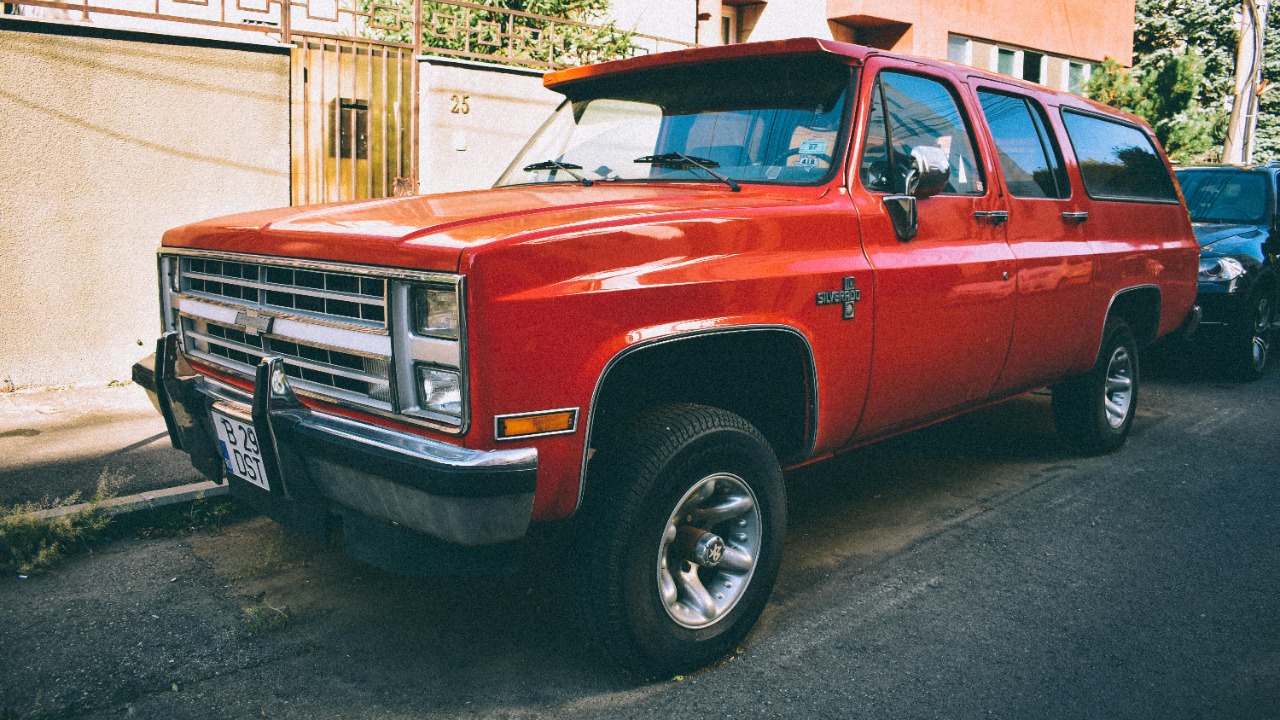
Even in that tougher global context, a few American SUVs have carved out reputations that can stand with anyone. Over the last decade, one full-size model has dominated long-term dependability awards, with reporting noting that For the last ten years, there has been one SUV that keeps topping J.D. Power dependability rankings, and that is the Chevrolet Tahoe. A separate look at long-running models points out that General Motors would have you believe that the Tahoe and its sister model, the Suburban, are new for 2025, but in reality they are an evolution of the same big hauler that middle America knows and loves. That kind of continuity is not just nostalgia, it is a sign that the underlying platform has proved durable enough to refine rather than replace.
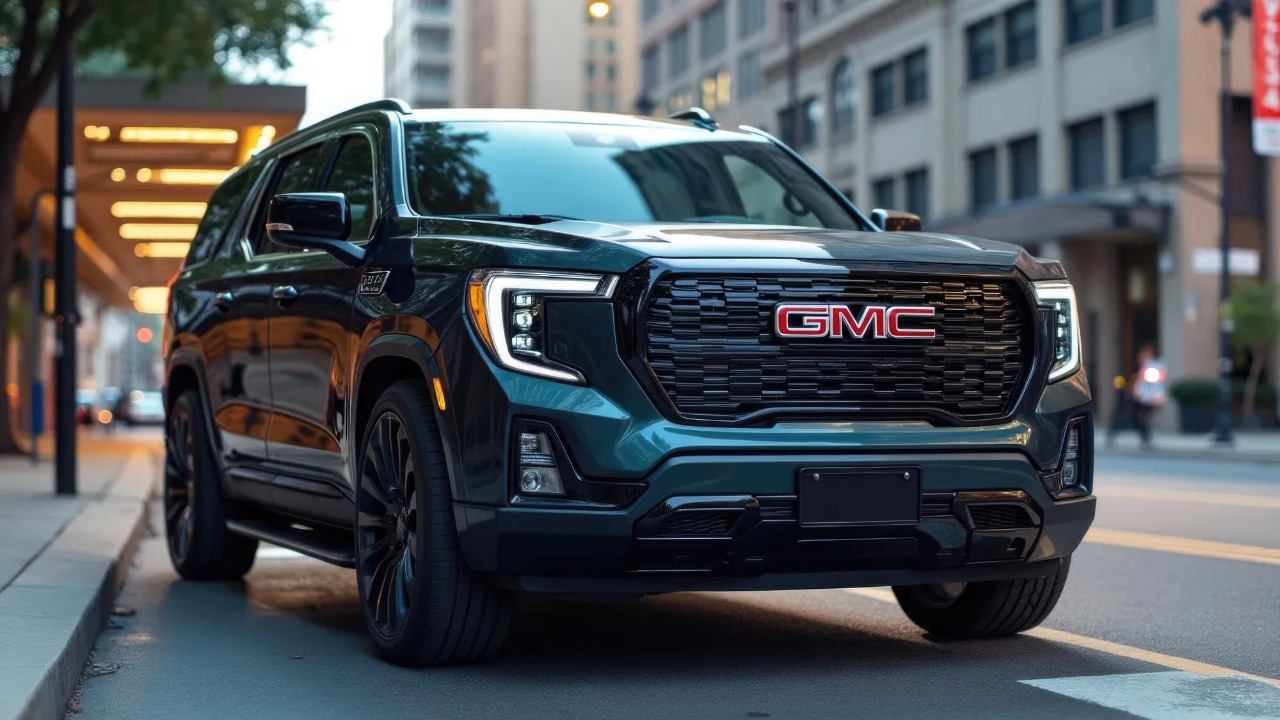
American brands also show up in more compact segments when I dig into model-level rankings. One recent list of dependable crossovers highlights that Reliability scores for the GMC Terrain and the Chevrolet Equinox are so close that they effectively tie, reflecting shared engineering under the skin. On the premium side, a guide to vehicles built in the USA singles out Key Takeaways Top Picks Built in the USA such as the 2025 Lexus TX Hybrid, the Honda CR and the Subaru Crosstrek as standouts for reliability and ownership costs, while warning that some domestic SUVs still struggle with high repair bills. Those imports may wear Japanese badges, but their American assembly plants sit alongside factories turning out Tahoes and Terrains, a reminder that the reliability conversation is as much about engineering culture as it is about geography.
The models that hold up when the miles pile on
When I look specifically at American SUVs that owners trust well past the warranty, a few patterns emerge. A slideshow ranking When you are choosing an American SUV by reliability, it highlights nine models that consistently impress, whether you are prioritizing family hauling, towing, or fuel economy. That list leans heavily on proven platforms rather than flashy newcomers, which matches what I hear from owners who would rather buy the last year of a generation than the first.
Longevity past the six-figure mark is another crucial test. A detailed guide to high-mileage choices asks Which Mid Size SUVs Are the Most Reliable Past 100,000 Miles, and it stresses that Not every SUV is built to last that long. The piece singles out models that stay tight and predictable beyond 100,000 Miles, especially for growing families and road trips, and many of those recommendations overlap with the American nameplates that have been on sale for years with only incremental changes. That kind of quiet evolution, rather than constant reinvention, is often what keeps a vehicle from becoming a money pit in its second decade.
How American SUVs compare to the very best in the segment
To really judge American SUVs, I like to set them against the broader field of top-rated utility vehicles. A recent reliability roundup notes that if you are looking for the most dependable SUV on the market, you should take a hard look at the SUV from Buick, specifically the upscale subcompact Encore GX, with one Reviewer noting that the lack of major complaints suggests no serious flaws on Buick’s part. That same list includes several Japanese and Korean models, reinforcing what a decade-long Comparison of Top SUV Brands has shown: when you compare the top contenders, a few reliable SUV brands consistently lead the pack. American entries like the Encore GX and some larger GM products are in the conversation, but they are not yet the default choice for buyers who treat reliability as nonnegotiable.
Video-based rankings tell a similar story from a different angle. One breakdown of brand reliability highlights that the Most reliable Kia is the Sorento Hybrid and the most reliable Hyundai is the Elantra Hybrid, while calling out problem spots like the Ford Explorer and Genesis GV80. Another clip walks through six SUVs that recent Reports label so reliable they are “near perfect,” and the list is dominated by Asian brands. Even veteran mechanic Scotty Kilmer, in a rundown of 10 reliable SUVs he actually recommends, tends to favor long-proven Japanese designs, though he does tip his hat to a few American models that have quietly improved. The message is consistent: American SUVs can be very good, but the global benchmark is still set elsewhere.
How to shop smart if you want an American SUV that lasts
For buyers who prefer to stick with domestic brands, the key is to be choosy rather than blindly patriotic. I start by focusing on specific models with a track record, like the Chevrolet Tahoe, the GMC Terrain, or the Chevrolet Equinox, and I cross-check them against independent rankings and owner surveys. Manufacturer sites such as Chevrolet will understandably emphasize features and styling, so I balance that with third-party data and long-term reviews. I also pay close attention to whether a model is early in its lifecycle or a later-year refresh, because the latter usually benefits from years of incremental fixes.
Finally, I remind myself that reliability is not just a brand trait, it is a vehicle type and use-case story. Analyses that highlight SUVs as the most dependable vehicle category overall are a good starting point, but I still want to see how a specific American SUV behaves in the real world, from towing to commuting. I look for models that show up repeatedly in high-mileage guides, like those focused on SUVs that stay solid past 100,000 Miles, and I weigh that against ownership cost warnings that some domestic SUVs still struggle with high repair bills. When I put all of that together, I see an American SUV landscape that is uneven but improving, with a handful of standouts that can absolutely be trusted when reliability really matters, as long as I am willing to separate the proven workhorses from the marketing hype.