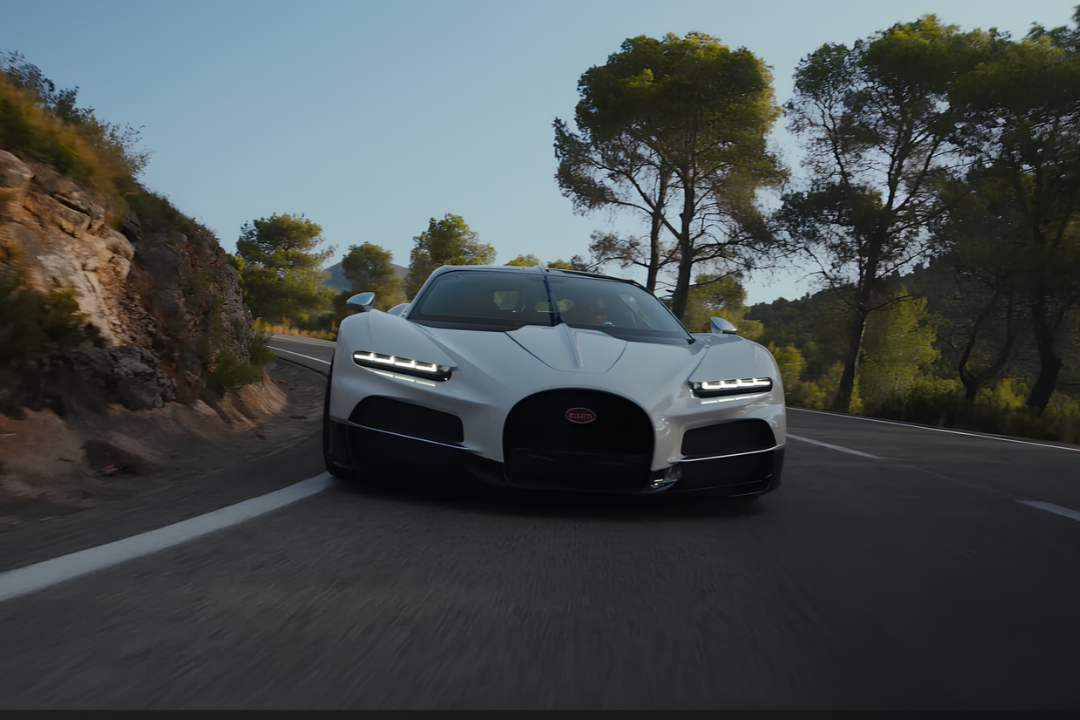
For decades, Europe set the rules for what a supercar should be: exotic badge, sky-high price, and a Nürburgring lap time to brag about. Now a new wave of American machines is barging through that velvet rope, matching the old guard on performance while undercutting them on cost and attitude. The result is a quiet but very real power shift, with American supercars suddenly forcing Europe to play defense.
The budget bruiser taking on Europe’s icons
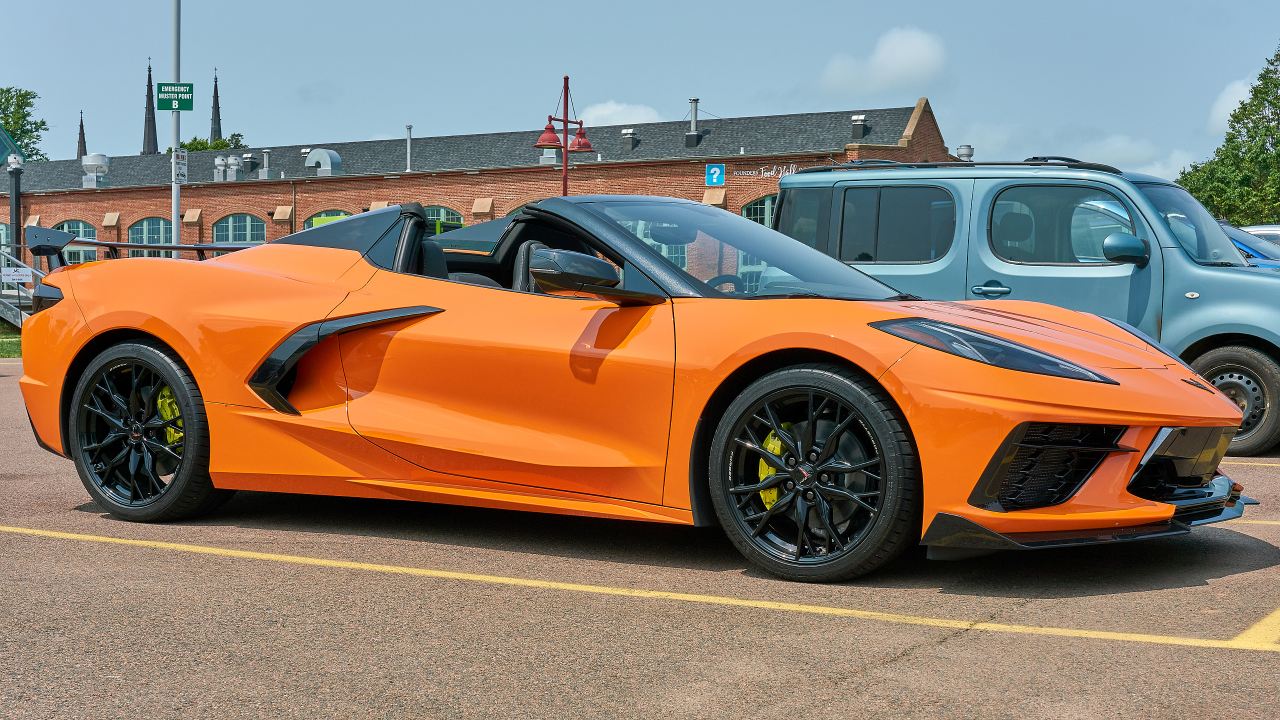
When I look at how the supercar hierarchy is changing, I keep coming back to the way Chevrolet has turned the Corvette into a genuine threat to Europe’s best. The latest Corvette is routinely described as the ultimate budget supercar, a car that delivers the kind of mid‑engine balance and track pace buyers expect from a Porsche 911 Carrera S but at a price that still feels anchored in reality. Reporting on the current generation makes it clear that for just about as long as it has existed, Corvette has been chasing Europe; now it is finally running alongside it, and in some tests, right past it.
That shift is not just about value, it is about perception, especially across the Atlantic. Discussions among enthusiasts show that some European reviewers still bristle at the C8, questioning its refinement and dismissing it as a pretender even while conceding that it is a legitimately impressive mid‑engine sports car. One widely shared thread on why certain European voices dislike the C8 admits that the car’s performance is hard to ignore, yet still labels direct comparisons with established European heroes as “delusional.” That kind of pushback only underscores how disruptive it is for a Chevrolet Corvette to be mentioned in the same breath as long‑standing European benchmarks.
Texas horsepower and the new American hypercar playbook
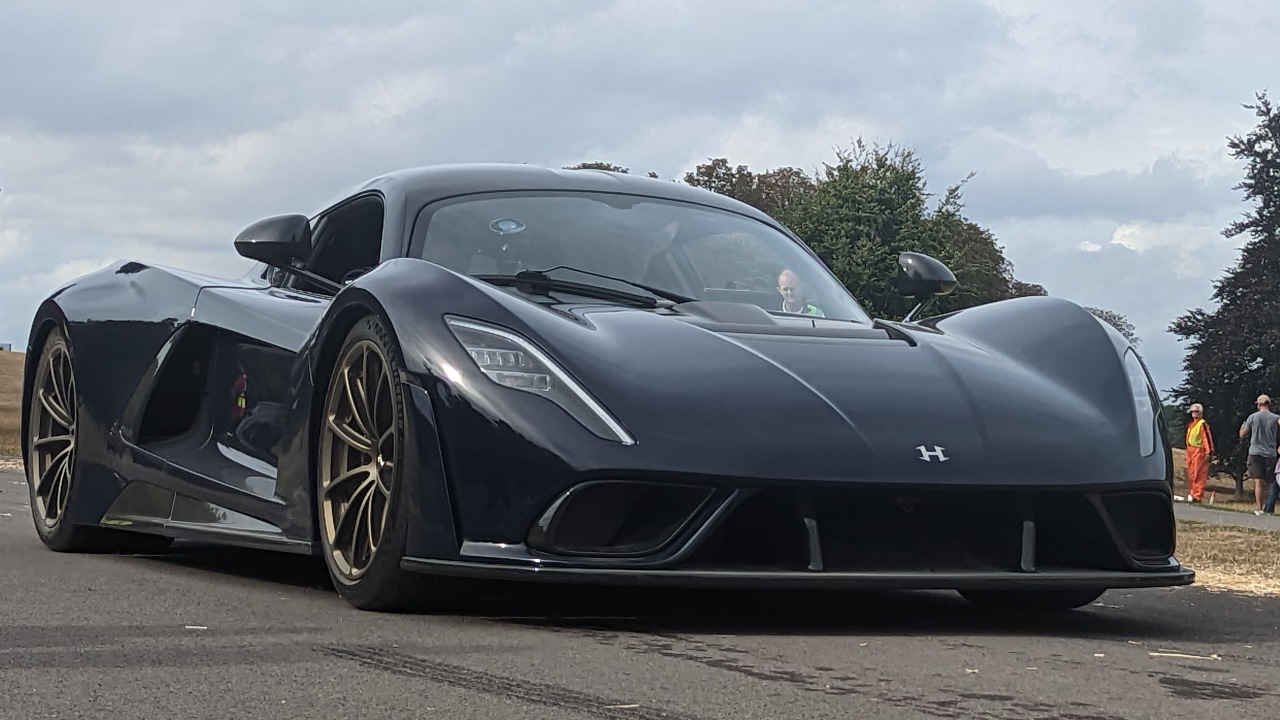
If the Corvette is the budget insurgent, the Hennessey Venom F5 is America kicking down the door of the hypercar lounge. The Venom F5 is described as America’s answer to European dominance in the hypercar world, and its spec sheet reads like a direct challenge. With an eye‑watering 1,817 horsepower, it is not just nudging into the conversation, it is trying to rewrite it, using raw output to push past the traditional European focus on heritage and racing pedigree.
The Venom F5 does not exist in a vacuum, either. From the heart of Texas came John Hennessey, a tuner‑turned‑builder whose projects have already produced what has been described as the fastest open‑top car in the world, and the Venom lineage is framed as the next step in that obsession with speed. Coverage of the current Venom notes that anything with over 1,000-horsepower is going to turn heads instantly, and the Venom adds a snarling, American character to that number. Put simply, this is not Europe’s carefully curated performance, it is Texas turning the volume all the way up and daring anyone to complain.
Performance, price, and why Europe suddenly looks nervous
What really unsettles Europe is that American cars are no longer trading only on straight‑line speed. Analyses of American versus European cars point out that while historical developments shaped very different philosophies, the gap in Performance and Engineering Comparisons While used to be obvious. European brands leaned on precision, chassis sophistication, and long‑developed racing programs, while American cars were stereotyped as crude but quick. Recent reporting flips that script, showing American performance cars that now combine serious engineering with the kind of usability and reliability that matter in a highly competitive market.
At the same time, the cost equation is tilting hard in America’s favor. Deep dives into the “cheapest supercar” segment note that Performance metrics have long been the benchmark for judging these machines, and that some of the most affordable options now deliver those benchmark figures at a fraction of the cost. That logic is exactly what makes the Corvette so dangerous to Europe’s traditional players: it offers supercar‑level acceleration and handling without demanding supercar‑level money. When an American sports car can rival Europe’s best at a much lower price, the old hierarchy starts to look less like a law of nature and more like a habit.
This shift is not limited to gasoline either. The way Tesla has dragged American electric cars into the performance conversation shows how quickly expectations can move. The Tesla Model 3 Highland, for example, is described as having refinements like a quieter cabin and ventilated seats while offering superior tech integration, and its Performance trim accelerates from zero to highway speeds in a way that resets standards for American electric cars. That kind of everyday speed blurs the line between “normal” EVs and traditional sports cars, and it pressures European makers to compete not just on heritage but on software, charging, and real‑world usability.
Why Europe’s old playbook no longer works
Underneath all of this is a broader market reality that European brands can no longer ignore. Analysts looking at global competition point out that traditional European manufacturers now have to fight on more fronts at once, not just on heritage and brand recognition but also on technology, features, and price. That warning was aimed at small cars facing Chinese challengers, yet the same logic applies at the top of the market. When an American supercar can match or beat a Maserati or Porsche on performance while undercutting them on cost, the European reliance on legacy starts to look fragile.
Even within the American scene, expectations are rising fast. Commentators who track the evolution of domestic performance note that the bar for what counts as “worth your money” keeps moving upward, with buyers now expecting serious pace, modern tech, and daily‑driver comfort in the same package. That mindset feeds directly into how new American supercars are engineered. They are built to be judged on the same hard numbers and real‑world livability as their European rivals, not as quirky alternatives. When I line up the Corvette, the Venom F5, and the latest high‑performance EVs against the old European guard, the story is no longer about America catching up. It is about a new American wave that is fast enough, polished enough, and affordable enough to make Europe sweat.