The 1950s marked a significant era for the American automobile industry, characterized by post-war prosperity and a burgeoning consumer culture. Understanding how buying a new car worked during this decade offers insight into both the societal trends and the economic landscape of the time.
The Post-War Boom and Car Culture
The economic expansion following World War II led to an unprecedented increase in disposable income for American families. With returning veterans reintegrating into civilian life, the U.S. saw a surge in the middle class. Cars became not just a means of transport but a symbol of freedom and status, reflecting the American Dream and the aspirations that accompanied it. As personal mobility became more accessible, the desire for independence and the ability to travel freely became ingrained in the national psyche.
The rise of suburban living during this decade further fueled the demand for automobiles. Many families moved away from urban centers in search of larger homes and a quieter lifestyle, often far removed from the reach of public transportation. As a result, owning a car became essential for commuting to work, running errands, and participating in social activities. The automobile was no longer just a luxury; it transformed into a necessity for managing daily life.
Automotive Marketing and Advertising
Car manufacturers during the 1950s employed aggressive marketing strategies that were innovative for their time. Colorful advertisements filled newspapers and magazines, showcasing the latest models with catchy slogans. Celebrity endorsements became increasingly common, with stars like Frank Sinatra and Marilyn Monroe promoting various car brands. These marketing tactics helped create a cultural association between car ownership and a glamorous lifestyle, enticing consumers to aspire to own the latest models.
The introduction of the “annual model change” was a pivotal strategy that encouraged consumers to buy new cars every year. This approach fostered a cycle of consumerism, as manufacturers constantly updated designs and features to entice buyers. Car shows and exhibitions, such as the New York Auto Show, gained immense popularity, allowing potential buyers to experience new models firsthand. These events generated excitement and anticipation, making car ownership a highly sought-after status symbol.
The Buying Process
The car buying experience in the 1950s was a significant social event, often likened to an outing. Showrooms were designed to be inviting and luxurious, creating an atmosphere that made potential buyers feel special. Salespeople were trained to engage customers and create a sense of urgency around purchasing a new vehicle. Test drives were a common part of the process, giving consumers a chance to experience the car’s performance and features before making a commitment.
Negotiation was a staple of the buying process. Unlike today, where prices can be more standardized due to online research, buyers in the 1950s often haggled over prices and financing terms. Trade-in deals were also a common sales tactic, making it easier for customers to upgrade to a new model while offsetting the cost of their new purchase. The personal interaction between buyers and salespeople fostered a relationship that was integral to the car buying experience.
Financing and Payment Options
The rise of auto loans and installment payment plans during the 1950s made purchasing a car more accessible to the average consumer. With the increasing popularity of cars, dealers began collaborating with banks to offer financing options that allowed buyers to spread the cost of their purchases over several months or even years. This development promoted the idea of owning a car with minimal upfront costs, making it feasible for many families to invest in a vehicle.
As credit systems began to evolve, more consumers found themselves able to afford a new car. However, this also led to increased consumer debt, as many buyers stretched their finances to acquire the latest models. The concept of “buy now, pay later” became a cornerstone of the consumer culture, with many families taking advantage of financing options to fulfill their automobile aspirations. By the end of the decade, it was common for families to finance their cars, leading to a boom in car ownership across the country.
The Impact of Technology and Design
The 1950s were marked by significant advances in automotive engineering and design that greatly appealed to consumers. Car manufacturers invested heavily in research and development, leading to improvements in performance, safety features, and aesthetics. Icons like the 1956 Chevrolet Bel Air showcased the era’s distinctive design elements, featuring tailfins, chrome detailing, and vibrant colors that became synonymous with 1950s car culture.
Innovations such as automatic transmissions and power steering made cars easier and more enjoyable to drive, attracting a broader demographic, including women. The Ford Mustang, though introduced in the 1960s, has its roots in the design ethos of the 1950s, encapsulating the shift toward more user-friendly vehicles. These advancements not only enhanced the driving experience but also contributed to the growing allure of car ownership, as consumers sought models that combined style with functionality.
Social Implications and Changes in Transportation
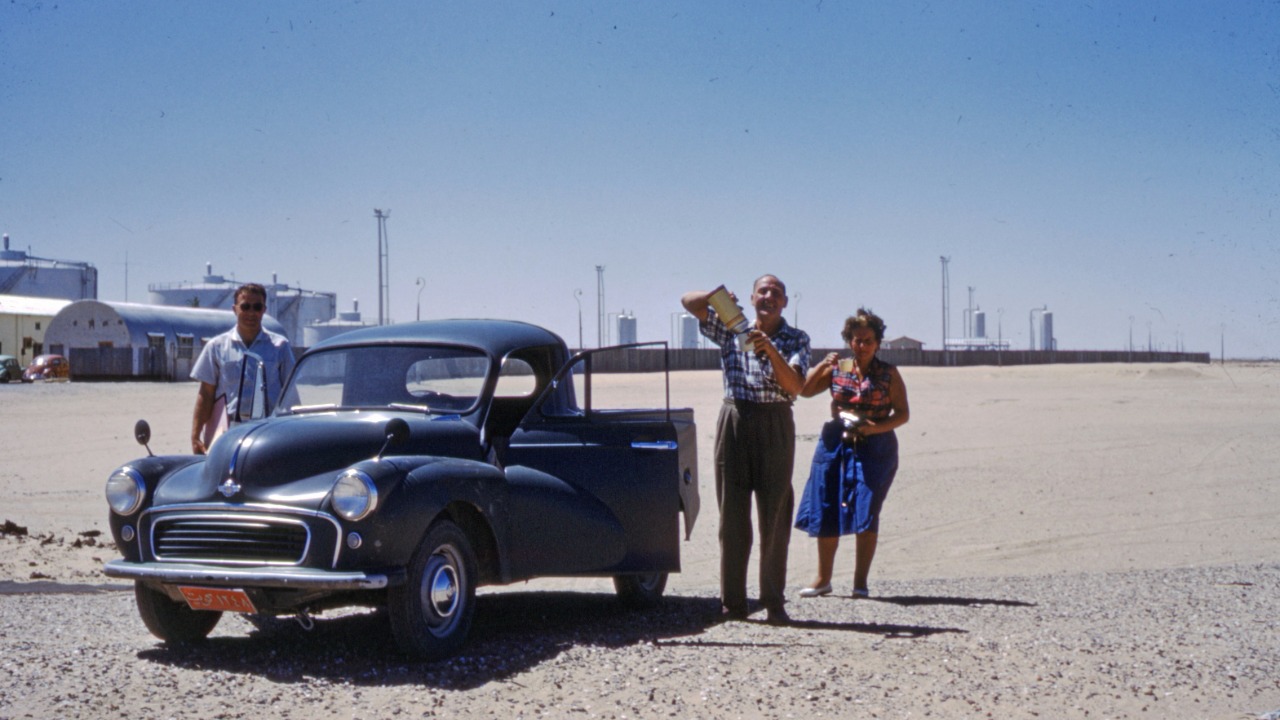
As car ownership became more widespread, it significantly altered social dynamics across the United States. The ability to travel freely allowed families to explore new horizons and engage in leisure activities that were previously inaccessible. Road trips became a beloved pastime, with families embracing the open roads for vacations and weekend getaways. The automobile became a vehicle for social interaction, enabling people to connect with friends and family across greater distances.
However, this growing dependence on automobiles also led to the decline of public transportation systems in many areas. As more families opted for personal vehicles, cities began to invest less in public transit, which in turn made it harder for those without cars to navigate urban environments. The emergence of the interstate highway system in the late 1950s further solidified the role of cars in American life, enhancing road travel and commerce. This monumental project not only expedited transportation but also facilitated the growth of suburban areas, reshaping the American landscape.
More from Fast Lane Only
- Unboxing the WWII Jeep in a Crate
- 15 rare Chevys collectors are quietly buying
- 10 underrated V8s still worth hunting down
- Police notice this before you even roll window down
*Research for this article included AI assistance, with all final content reviewed by human editors.