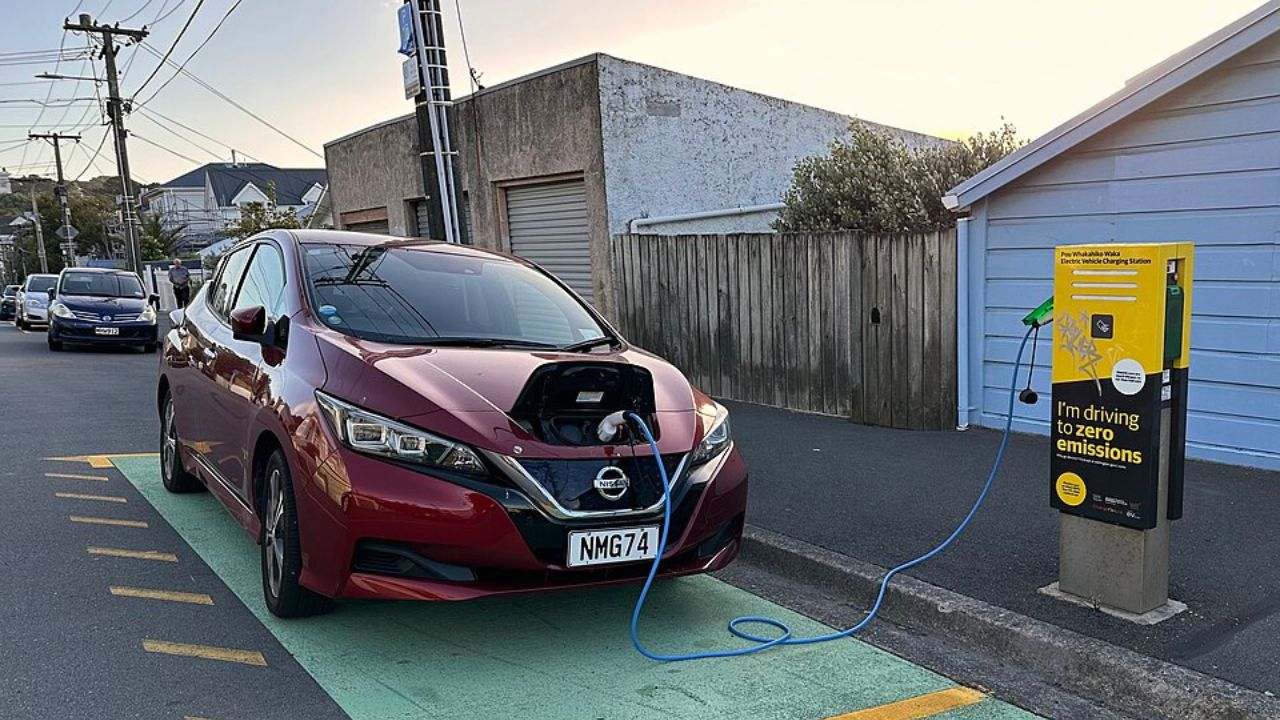
Electric vehicles (EVs) are becoming more prevalent, but the reliability and spread of charging networks play a crucial role in their adoption and everyday use. Charging networks impact various aspects of EV ownership, from accessibility to consumer confidence. Understanding these elements can help potential buyers make informed decisions.
Availability and Accessibility of Charging Stations
Availability of charging stations is crucial for drivers of models like the 2021 Ford Mustang Mach-E, which relies on an extensive network for long trips. Urban areas may have numerous options, but rural regions often lack sufficient charging infrastructure, making long-distance travel challenging.
Accessibility is another factor that cannot be ignored. Even if there are charging stations nearby, they might be located in inconvenient or crowded places. The 2022 Chevrolet Bolt EV, for example, benefits from strategic placement of charging stations in high-traffic areas, making it easier for users to find and use them during daily commutes.
Charging Speed and Efficiency
Charging speed significantly affects how drivers use their EVs, with faster charging allowing for more flexibility. The 2023 Tesla Model 3, for instance, can benefit from supercharging stations that replenish the battery quickly, reducing downtime during long journeys.
Efficiency is also a key consideration. Charging stations that provide high-speed charging without overheating or reducing battery life are ideal. The 2024 Hyundai Ioniq 5 showcases the importance of efficient charging, as it can achieve an 80% charge in just 18 minutes with the right infrastructure.
Network Interoperability and Compatibility
Interoperability between different charging networks is essential for seamless travel. The 2025 Nissan Ariya, for example, can take advantage of networks that allow cross-platform use, simplifying the charging process for drivers who travel through various regions.
Compatibility issues can arise when charging stations are not universally accessible to all makes and models. The 2020 Audi e-tron highlights the need for standardized connectors and payment systems to ensure all EV drivers can charge their vehicles without hassle.
Reliability of Charging Infrastructure
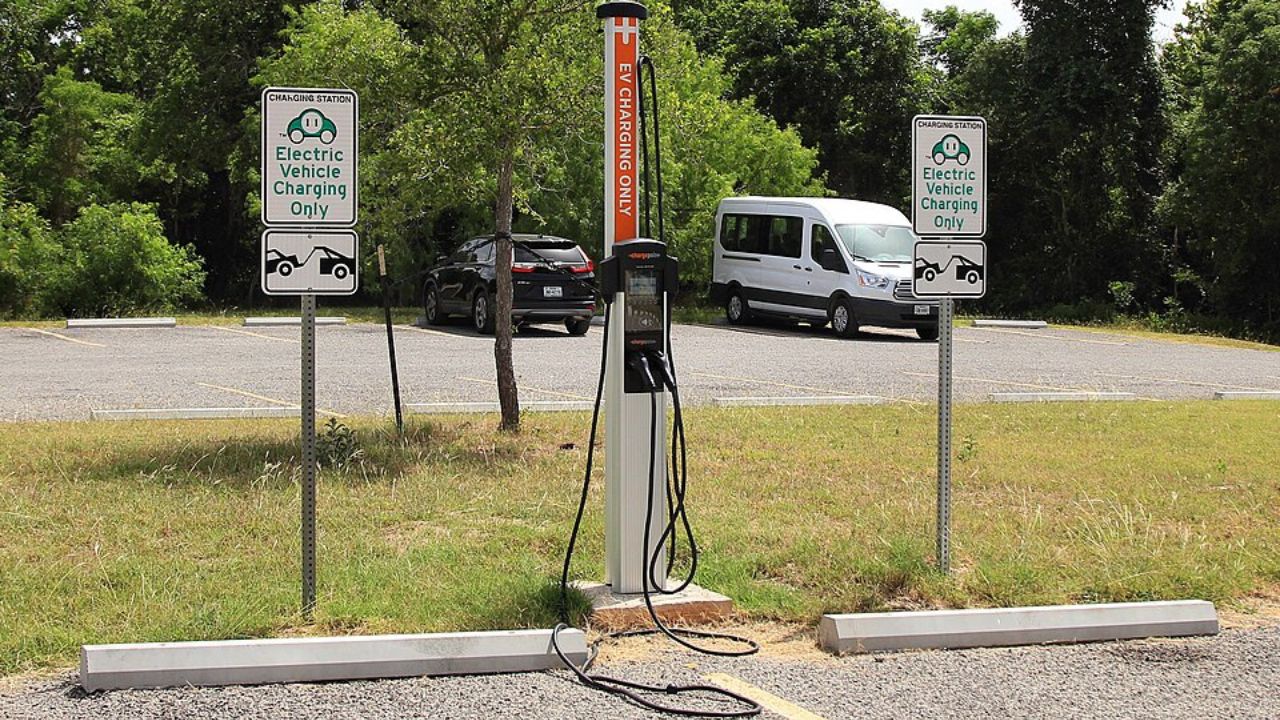
Reliability of charging stations is as important as their availability. Systems that frequently malfunction can frustrate drivers, as seen with the 2022 Rivian R1T. Regular maintenance and real-time updates on station status can mitigate these issues, ensuring users aren’t left stranded.
Reliable infrastructure also means having backup options available. For a model like the 2023 BMW i4, knowing there are alternate stations nearby can be reassuring, encouraging drivers to take longer trips without worrying about charging failures.
Impact on Consumer Confidence and EV Adoption
Strong charging networks can significantly boost consumer confidence, encouraging more people to choose EVs. The 2026 Lucid Air, for example, benefits from a robust network, making it an attractive option for those wary of range anxiety.
Ultimately, the reliability and coverage of charging infrastructure play a pivotal role in EV adoption. A well-developed network can alleviate consumer concerns, leading to higher sales and a greater shift towards sustainable transportation options.