Dashboard cameras are marketed as a simple way to protect drivers from unfair blame, yet the same footage that clears one person can quietly sink another claim. As insurers rethink how they price risk and handle evidence, a device that does not even earn a premium discount can still tilt a dispute, reshape liability, or invite fresh questions about how someone drives.
The result is a strange moment for motorists: more cameras on windshields, limited direct savings on insurance, and a growing list of cases where video has helped an insurer or opposing lawyer more than the driver who paid for the gadget.
What happened
Car insurers have spent the past few years experimenting with ways to reward safer driving, yet most of those incentives run through telematics apps and plug-in devices, not dash cams. Many major carriers promote usage-based programs that track hard braking, nighttime trips, and phone use in exchange for potential savings, but they do not automatically cut premiums just because a driver installs a camera. Where discounts exist, they tend to be modest and highly conditional, according to consumer guides on car insurance discounts.
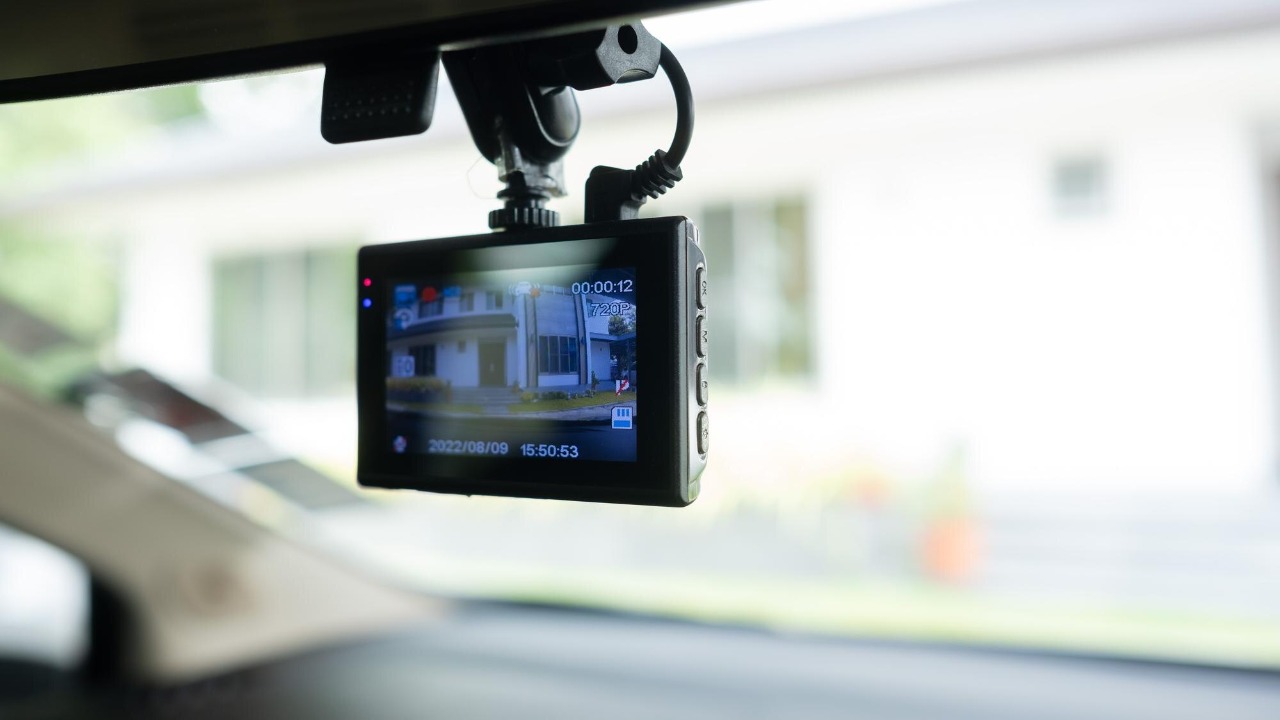
Meanwhile, dash cams have quietly become standard kit in ride-hailing vehicles, commercial fleets, and an increasing share of private cars. Models from brands like Garmin, Nextbase, and Thinkware offer continuous recording, GPS speed data, and cloud backup. Some integrate with driver-assistance systems or phone apps that auto-upload clips after a collision. For many owners, the attraction is simple: a visual record of what happened at an intersection or highway merge, especially in cities where hit-and-runs and staged collisions are a recurring fear.
Insurers, police departments, and civil courts have adapted quickly to this new stream of evidence. Claims adjusters now routinely ask whether any video exists. Law enforcement officers sometimes review footage at the roadside, while civil attorneys request copies during discovery in lawsuits that follow serious crashes. In several high-profile disputes, video from a private dash cam has surfaced on social media before it appeared in a claim file, forcing insurers to react to public narratives already shaped by the footage.
For drivers who expect the camera to function as a personal shield, the reality can be jarring. Once a recording exists and is shared, it rarely serves only one side. A clip that shows a client entering an intersection on a green light might also reveal that the car was speeding, that the driver was following too closely moments earlier, or that a passenger was not wearing a seat belt. Claims handlers and opposing lawyers can seize on those details to argue for shared fault or to reduce payouts under comparative negligence rules.
In some disputes, the existence of a camera has become a point of contention on its own. When a driver acknowledges that a dash cam was installed but says the footage was deleted or the device was not working, the other side may argue that potentially helpful evidence has been lost. That can complicate litigation, particularly where courts expect parties to preserve material that might bear on liability. Even when no formal sanctions follow, the missing video can color how an adjuster or jury interprets a driver’s account.
Why it matters
The gap between limited premium discounts and significant evidentiary stakes creates a lopsided risk-reward equation for many drivers. They carry the cost of buying and maintaining a camera, accept the possibility that it will expose their mistakes, yet often see little direct financial benefit from insurers in return. For policyholders who never enroll in telematics programs, the device functions less as a savings tool and more as a rolling documentary of their driving habits, available to whichever party gains access first.
From an insurer’s perspective, this is a boon. Video helps resolve disputes faster, reduces the likelihood of paying out on fraudulent or exaggerated claims, and supplies training material for adjusters. In contested crashes, clear footage can justify denying coverage or pursuing subrogation against another carrier. The fact that drivers voluntarily install cameras, without a guaranteed discount, means insurers tap into a growing evidence stream without the regulatory scrutiny that often follows formal data-collection programs.
For drivers, the picture is more complicated. A camera can absolutely save someone from a false accusation, such as a staged rear-end collision or a pedestrian stepping deliberately into traffic. Fleet operators have reported large drops in contested claims after fitting trucks with forward and inward-facing cameras, since video often shows that a third party cut across a lane or that a driver was operating within company rules. Yet the same footage can expose borderline behavior that might otherwise have remained a matter of testimony: drifting across lanes while adjusting navigation, rolling through a stop sign at low speed, or edging into a crosswalk before the light changes.
Those details matter because of how liability is often apportioned. In many states, comparative negligence rules allow an insurer or court to assign percentages of fault to each party. A driver who might have been treated as fully innocent in a he-said-she-said scenario can end up with 10 or 20 percent of the blame once video shows a small infraction. That can cut into bodily injury payouts, reduce compensation for vehicle damage, or increase the odds of a premium hike at renewal.
The evidentiary reach of dash cams also extends beyond the crash itself. Some models record audio inside the cabin, capturing conversations, arguments, or signs of distraction. If a passenger shouts about a text message or a driver openly admits to being tired, that soundtrack can become fodder in a dispute. Even when audio is disabled, the camera’s field of view might show a phone in a driver’s hand, a coffee cup wedged against the steering wheel, or a dashboard cluttered with objects that could be framed as unsafe.
Privacy concerns add another layer. When cameras upload footage to cloud services, data may travel through servers controlled by third-party vendors, not just the device maker. If those vendors receive subpoenas or legal requests, they might be compelled to provide clips that the driver assumed were private. In multi-car households, a single account can hold recordings from several vehicles, which broadens the universe of material that could be examined if one driver faces a serious claim or lawsuit.
Selective sharing is another fault line. Some drivers, convinced that a clip proves their innocence, send partial footage to an insurer or post short segments online. Adjusters and lawyers can then seek full-length versions to test whether the chosen excerpt omits behavior that changes the narrative. If earlier minutes show aggressive lane changes or tailgating, those patterns can influence settlement negotiations even if the final collision appears straightforward in isolation.
Because of these dynamics, consumer advocates and some legal experts have started to treat dash cams less as a simple safety accessory and more as a form of self-surveillance. The device records everything, not just the moment a driver believes will help. Once that archive intersects with the legal and insurance systems, control over how it is used becomes partial at best.
What to watch next
Several trends will determine whether dash cams evolve into a standard, mutually beneficial tool or remain a lopsided advantage for insurers and litigators.
One key factor is how aggressively insurers integrate camera footage into their formal processes. Some already offer mobile portals where policyholders can upload clips directly after a crash, promising faster resolutions and potentially fewer disputes. If those programs expand, carriers may start to spell out in policy documents when they expect video to be shared, how long they will store it, and whether they will ever use it to reassess a driver’s risk profile beyond the immediate claim.
There is also room for a more explicit trade: larger, clearly defined discounts in exchange for structured access to footage. Rather than treating cameras as incidental, insurers could create opt-in programs that reward drivers who agree to submit video in specified scenarios, such as airbag deployments or police-reported collisions. That would at least align the financial incentives with the evidentiary value, instead of relying on a patchwork of small or indirect savings that many drivers never see.
Regulators and lawmakers are another variable. As more cases hinge on in-car recordings, state insurance departments and legislatures may revisit rules on consent, data retention, and the use of privately captured footage in civil disputes. Some jurisdictions already have strict laws on audio recording that require all parties to agree, which could affect how manufacturers configure default settings. Others might look at whether insurers should be allowed to penalize drivers who decline to share video, or whether there should be safe harbors for footage that reveals minor infractions unrelated to the primary crash.
Automakers are quietly reshaping the field as well. Newer vehicles from brands such as Tesla, Rivian, and BMW ship with built-in camera systems that can double as dash cams when activated. These systems are integrated with the car’s software, often store clips on internal drives or branded cloud services, and sometimes include driver-monitoring cameras that watch for drowsiness or distraction. As those features become more common, the line between an aftermarket accessory and factory-installed surveillance will blur.
That shift raises fresh questions about ownership and control. If a crash triggers recording from multiple factory cameras, the manufacturer or its software partners may hold copies that drivers never see. Insurers, law enforcement, or plaintiffs’ lawyers could then seek access directly from the company rather than the individual policyholder, changing the power balance in disputes. Drivers who assume that only their personal dash cam captured an incident may discover that a second, more detailed archive exists elsewhere.
Technology vendors are already pitching tools that sit on top of this ecosystem. Some offer automated incident detection that flags potential collisions based on g-force data, then uploads relevant clips without the driver’s input. Others provide analytics that score driving behavior across fleets, combining video with GPS and vehicle telemetry. If those tools migrate into consumer products, insurers might gain near real-time insight into how someone drives, long before any claim is filed.
On the consumer side, awareness is likely to grow as more people encounter the double-edged nature of video evidence. Word of mouth travels quickly when a friend’s footage leads to a denied claim or a reduced settlement. That could push some drivers to become more cautious about when they share clips, how they configure recording settings, and whether they keep continuous archives or overwrite footage frequently.
Lawyers who specialize in traffic accidents are already adjusting their advice. Some encourage clients to preserve all footage from the day of a crash, then consult counsel before sending anything to an insurer. Others recommend disabling audio or inward-facing cameras unless there is a clear reason to use them. Over time, those strategies may filter into mainstream driving culture, much as people have learned to be careful about what they post on social media after an incident.
More from Fast Lane Only