Over the past three decades, Dodge has undergone a remarkable transformation, reinventing itself three times to stay relevant in the ever-evolving automotive industry. The brand has transitioned from its traditional roots to become a dynamic player in the market, adapting to changes in consumer preferences and automotive technology. This journey of reinvention highlights Dodge’s ability to adapt and thrive amidst industry challenges.
The First Reinvention: Embracing the Performance Era
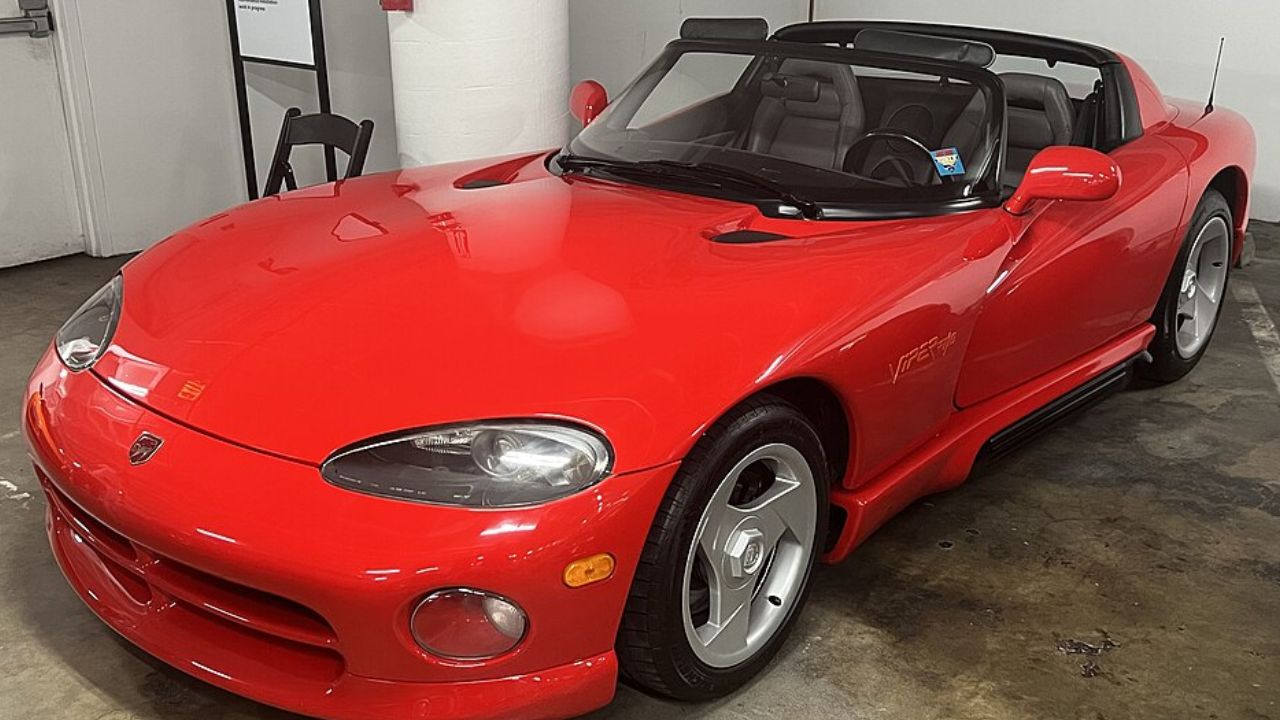
In the late 1990s, Dodge faced the decline of the muscle car era, a time that had originally defined much of its identity. The automotive landscape was shifting, and Dodge needed to re-establish its place in the market. Enter the Dodge Viper, a bold re-entry into the performance segment that marked the beginning of a new era for the brand. Released in 1992, the Viper captured the imagination of car enthusiasts with its striking design and powerful V10 engine. This move set the stage for Dodge to revive its performance-focused identity.
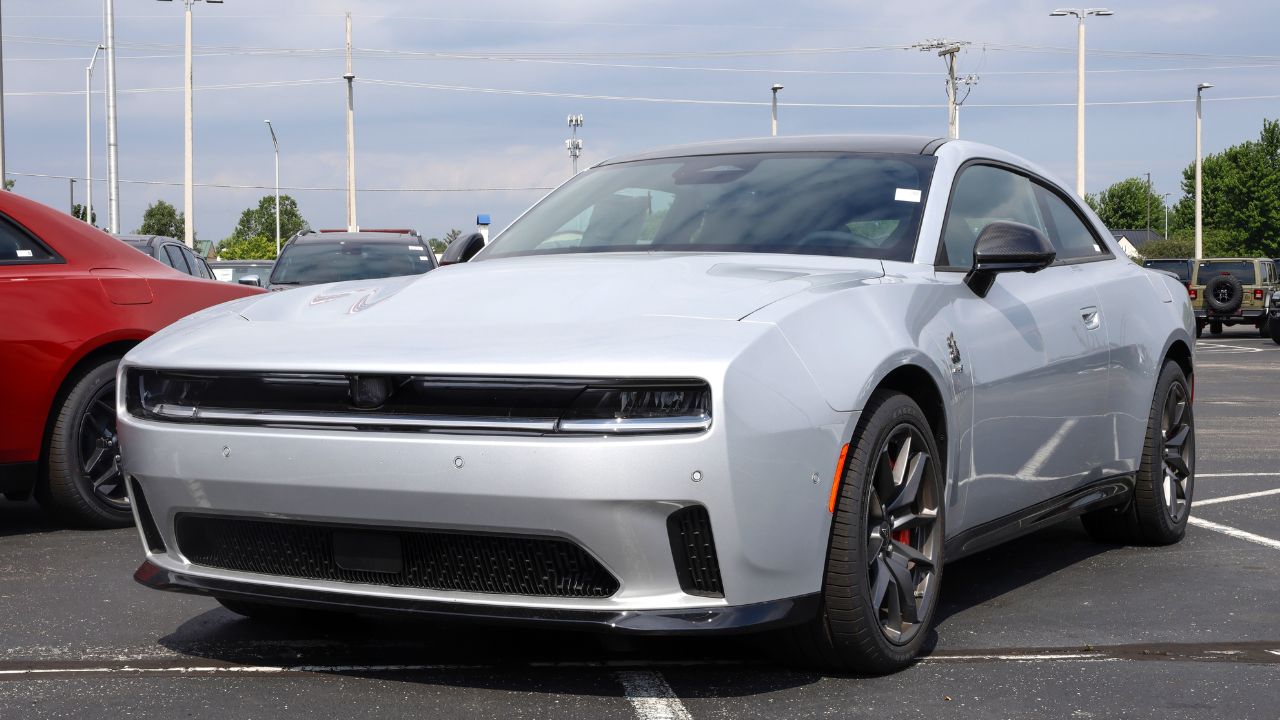
Marketing strategies during this period were heavily centered around performance and power, which became core brand values. Dodge launched campaigns that celebrated speed and strength, appealing to a niche market that yearned for the thrill of driving powerful machines. The introduction of models like the Dodge Charger and the Dodge Challenger further solidified this performance ethos, allowing Dodge to carve out a distinct space in the automotive world. By appealing to car enthusiasts and performance lovers, Dodge successfully re-established its identity during a time of industry transition.
The Second Reinvention: Diversifying the Lineup
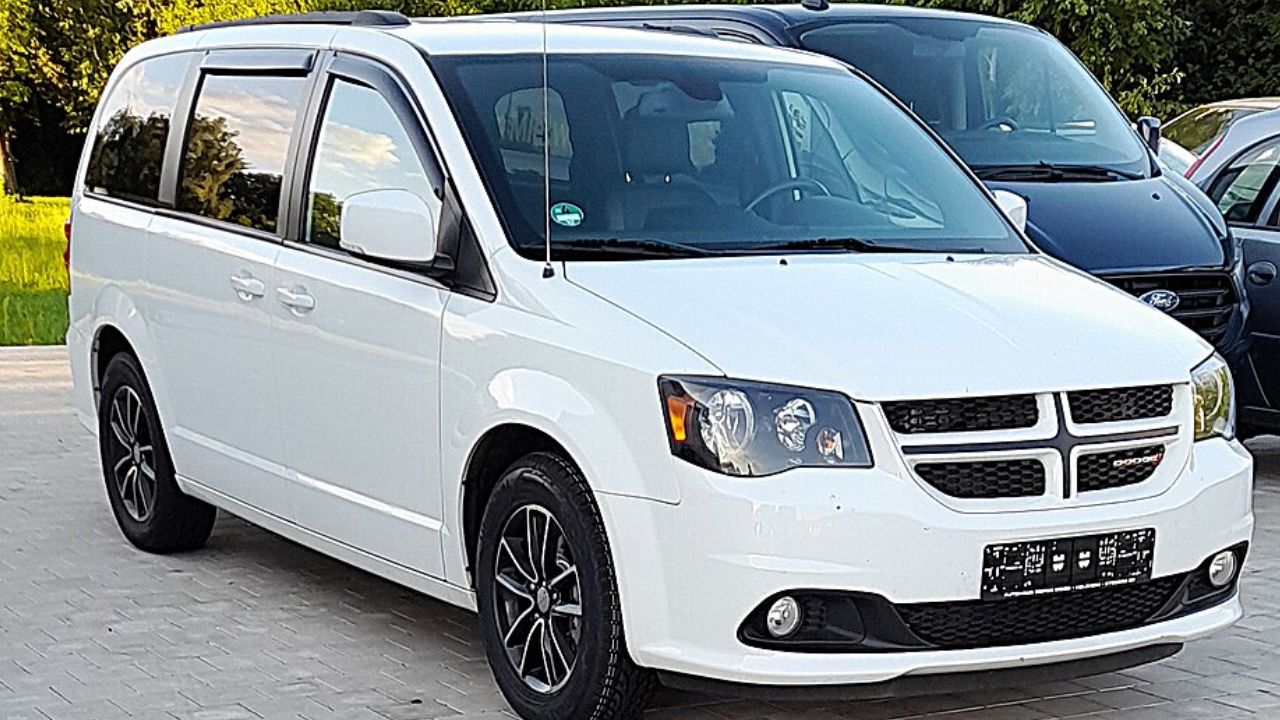
As the early 2000s unfolded, consumer preferences began to shift towards more diverse and family-friendly vehicles. Dodge responded by diversifying its lineup, moving beyond performance-only models to include vehicles that appealed to a broader audience. The launch of the Dodge Caravan and the Dodge Journey exemplified this shift. The Caravan, a pioneer in the minivan segment, offered practicality and space for families, while the Journey, introduced in 2008, catered to the growing demand for SUVs and crossovers.
By expanding into the SUV and crossover market, Dodge adapted to changing consumer demands and addressed the need for versatility and utility. This diversification allowed the brand to balance its performance heritage with the practicality that modern consumers sought. Dodge’s efforts to broaden its appeal paid off, as these models became popular choices among families and individuals looking for reliable, multifunctional vehicles. By strategically expanding its lineup, Dodge positioned itself as a brand that could offer both excitement and everyday utility.
The Third Reinvention: Electrification and Modernization
In recent years, environmental concerns and regulatory pressures have reshaped the automotive industry, prompting automakers to explore electrification. Dodge embraced this challenge by introducing hybrid and electric models, such as the Dodge Charger EV, to align with the industry’s shift towards sustainable transportation. This move marked the brand’s third reinvention, focusing on electrification and modernization to stay ahead in a rapidly evolving market.
Technological advancements and strategic partnerships have played a crucial role in positioning Dodge at the forefront of modern automotive trends. The brand has invested in innovative features and connectivity options, ensuring that its vehicles offer the latest in technology and convenience. By embracing electrification and modernization, Dodge has not only kept pace with industry changes but also demonstrated its commitment to a sustainable future. This strategic pivot towards eco-friendly vehicles highlights Dodge’s dedication to innovation and environmental responsibility.
Challenges and Triumphs Along the Way
Throughout each phase of reinvention, Dodge faced numerous challenges, including economic downturns, increased competition, and internal restructuring. Navigating these obstacles required strong leadership and a clear vision for the brand’s future. Visionary leaders played a pivotal role in guiding Dodge through these transitions, ensuring that the brand remained resilient and adaptable in the face of adversity.
Despite the challenges, Dodge celebrated significant achievements and milestones that reinforced its resilience. The successful launch of iconic models, such as the Dodge Viper and the Dodge Charger, demonstrated the brand’s ability to captivate audiences and maintain its performance legacy. Additionally, the expansion into family-friendly vehicles and electrification marked important shifts that showcased Dodge’s versatility and willingness to evolve. These triumphs not only solidified Dodge’s place in the automotive industry but also highlighted its capacity for innovation and growth.
The Future of Dodge: Navigating a Changing Landscape
As the automotive industry continues to change, Dodge remains committed to navigating this evolving landscape with strategic plans for future growth. Staying ahead of consumer trends and technological advancements will be crucial for maintaining relevance in a competitive market. Dodge recognizes the importance of anticipating shifts in consumer preferences and adapting its offerings to meet changing demands.
Looking ahead, potential areas of growth and innovation could define the next chapter of Dodge’s legacy. The brand may explore further advancements in electric and autonomous vehicles, as well as continue to refine its lineup to offer a blend of performance, utility, and sustainability. By focusing on innovation and staying attuned to industry trends, Dodge is well-positioned to continue its legacy of reinvention and remain a dynamic force in the automotive world.