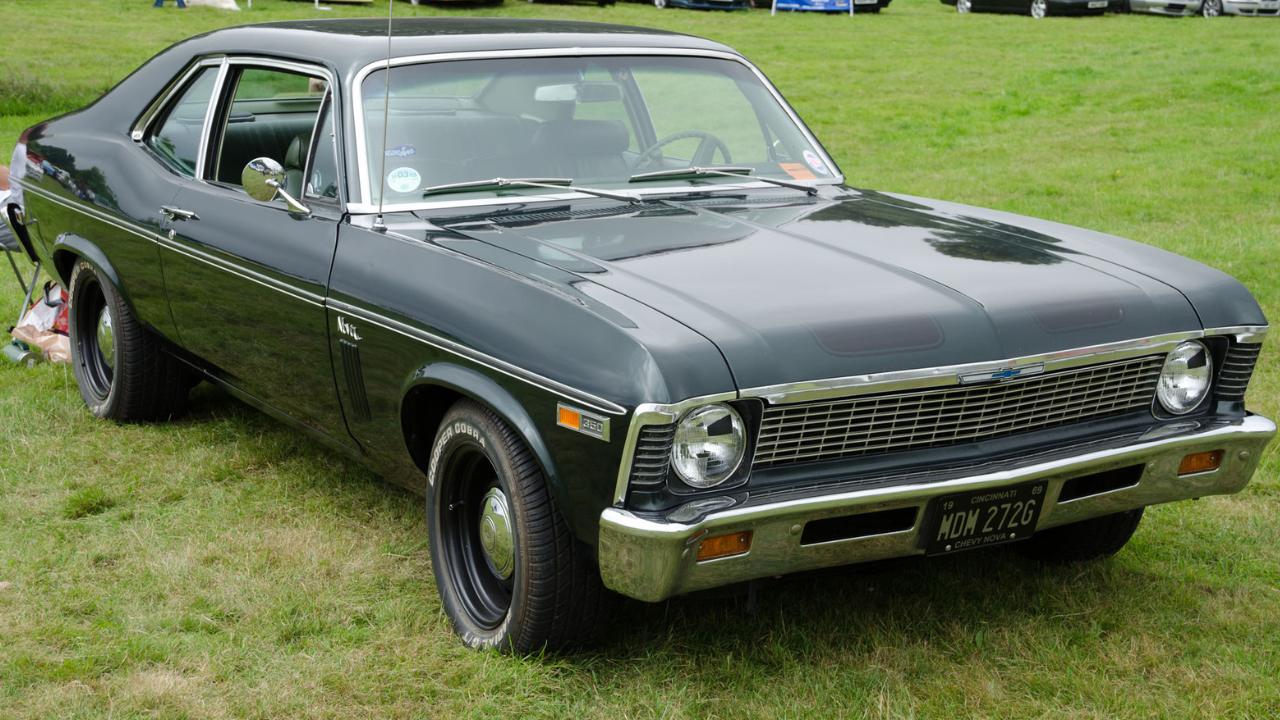
It started like a favor between friends: a weekend loan of a classic 1969 Chevrolet Nova. But a few days later, the owner says he opened his phone and saw the same car—his car—advertised online with photos, a price tag, and a pitch that sounded like it was ready to change hands fast.
Now he’s trying to figure out how a simple “take it for the weekend” turned into a “for sale” listing, and what he can do before the Nova disappears for good. The situation has touched a nerve with car enthusiasts and everyday people alike, because it’s the kind of trust-fall that can go sideways in an instant.
A weekend loan turns into a gut-punch scroll
According to his account, he handed the keys over to a friend for a short trip, nothing fancy—just a couple of days and the promise it’d come back in one piece. He says the Nova wasn’t a casual beater, either, but a classic he’d owned for years and kept in solid shape.
Then, while browsing online listings—something he says he does now and then just to see what’s out there—he spotted a post that made him stop cold. The photos looked familiar because they were familiar: the same color, the same wheels, and details he recognized as uniquely his.
The listing that raised alarms
He says the ad described the Nova in confident, salesy language, the kind you’d expect from someone who’s ready to meet a buyer. There was a price listed, and the post suggested the car was available immediately, which didn’t match the “borrowed for the weekend” arrangement at all.
What really bothered him wasn’t just the listing itself, but the timing. The Nova had been loaned out, and suddenly it was being marketed like it belonged to someone else—or like the seller didn’t expect the real owner to be watching.
Why a ’69 Nova isn’t just “a car” to most owners
Even people who aren’t deep into classic cars get this part: older cars can carry a lot of history. A 1969 Nova sits in that sweet spot where it’s old enough to be iconic, simple enough to work on, and cool enough that it turns heads at a gas station.
Owners often pour time and money into these cars in a way that doesn’t show up on a basic bill of sale. There’s the parts hunt, the weekend wrenching, the little quirks you learn, and the stories tied to the seat fabric and the smell of the interior.
Confusion, then suspicion
He says he first assumed there had to be an explanation—maybe the friend posted it by mistake, or maybe it was an old draft listing that accidentally went live. But as he looked closer, the listing appeared current, active, and written as if the seller had the right to sell it.
That’s when confusion can turn into something sharper. When you lend something valuable and it shows up with a “serious buyers only” tone, it’s hard not to wonder what the plan is—and whether the car is still where it’s supposed to be.
How situations like this can happen
There are a few ways a scenario like this can unfold, and none of them feel great. Sometimes a borrower panics about money and tries to sell something that isn’t theirs, hoping they can smooth it over later. Sometimes it’s a misunderstanding about ownership, especially if there’s been talk of buying it “someday,” but talk is not a title.
And sometimes, frankly, it’s straight-up fraud dressed in casual friendship. Classic cars are especially tempting because a clean listing and a quick meet-up can move a vehicle fast, and once it’s gone, it gets complicated in a hurry.
What matters most: title, VIN, and proof
In disputes over vehicles, the paperwork usually does the talking. Whoever has legal ownership—typically shown by the title and matching VIN—has the strongest footing when things get messy. He says he has documentation that ties him to the Nova, including identifying details that match what’s shown in the ad.
That’s important because listings can be copied, reposted, or edited, and memories get fuzzy when arguments start. Clear proof helps cut through “he said, she said,” especially if law enforcement or a platform’s fraud team gets involved.
The first moves people recommend in a situation like this
People familiar with vehicle theft and title fraud often suggest acting quickly but keeping a cool head. Screenshot the listing, save the photos, capture the URL, and note any phone numbers or usernames before anything disappears. If messages are exchanged, keep them in writing, because verbal promises have a way of evaporating when stakes rise.
Many also recommend confirming the car’s location as soon as it can be done safely. That doesn’t mean playing detective in a risky way, but it does mean not waiting around while an ad pulls in “cash today” offers.
When online platforms become part of the story
Online marketplaces make buying and selling easier, but they also make it easier to move something that shouldn’t be sold. If a platform allows reporting stolen property or fraudulent listings, those reports tend to work best when they include a VIN, plate number, and proof of ownership.
And even if a listing gets taken down, it doesn’t guarantee the problem is solved—it just means the sale might move to private messages. That’s why documentation and quick action matter more than winning an argument in the comments.
A friendship tested by a set of keys
He says the hardest part isn’t just the fear of losing the Nova—it’s the personal betrayal. Lending a car, especially a classic, is a kind of trust that goes beyond dollars. It’s more like handing over a piece of your time, your weekends, and your memories, and expecting it to come back the same.
If the friend truly planned to sell it, that’s not a small misunderstanding. It’s the kind of move that makes people rethink every past favor, every casual promise, and every “don’t worry, I’ve got it” that suddenly sounds less reassuring.
What observers say this story reminds them of
Stories like this spread quickly because they feel uncomfortably plausible. Lots of people have lent out cars, tools, or valuable gear to someone they trusted, assuming the relationship itself was the contract. Most of the time, it works out—until it doesn’t, and then you realize how thin a handshake can be.
And there’s also the classic-car angle, where demand can make people do weird math in their heads. A borrower might see a quick payout, convince themselves it’ll be fine, and forget that ownership isn’t a vibe—it’s paperwork.
What happens next
As of the latest update in his account, he’s focused on getting the Nova back and stopping any sale before it’s too late. That means gathering records, saving evidence of the listing, and making sure the car can be identified by its VIN and other unique details.
It’s a tense waiting game, because every day a vehicle is advertised is another day someone might show up with cash and a trailer. And if there’s one thing classic-car people agree on, it’s this: you don’t want to find your own car again by spotting it at a stoplight.
More from Fast Lane Only