Early Nissan Z-cars now sit at the center of a fast maturing JDM market, where nostalgia collides with global demand. Collectors increasingly treat the first generations as blue-chip assets, and their rising values ripple through every corner of Japanese performance culture.
From affordable sports car to blue-chip collectible
Collectors now treat the original Nissan S30-series Z as a cornerstone of Japanese performance history, not an entry-level sports car. Auction data shows early Datsun 240Z and Fairlady Z models achieving six-figure results, which signals a structural shift in how buyers price Japanese classics. Valuation guides track sharp appreciation for clean, unmodified examples, particularly cars with documented ownership and original drivetrains. Enthusiasts once modified these coupes freely, but investors now reward factory-correct paint codes, matching-number engines, and period interiors. Market observers note that buyers increasingly cross-shop early Z-cars against European icons, which places the Japanese models in a new competitive set.
Rising prices for the earliest chassis also pull later Z generations upward, because collectors view the lineage as a continuous performance story. When a 1970 240Z commands strong money, it validates the broader narrative around Nissan’s engineering and motorsport heritage. Sales databases show similar momentum for well-kept 260Z and 280Z models, even though those cars historically lagged behind the original. Buyers now pay premiums for rare trims like the Fairlady Z432, which used the S20 engine from the Skyline GT-R, and that halo effect influences expectations for more common variants. Analysts describe this as a classic trickle-up pattern, where the most desirable specification sets the tone for the entire family.
Global demand and the 25-year import rule
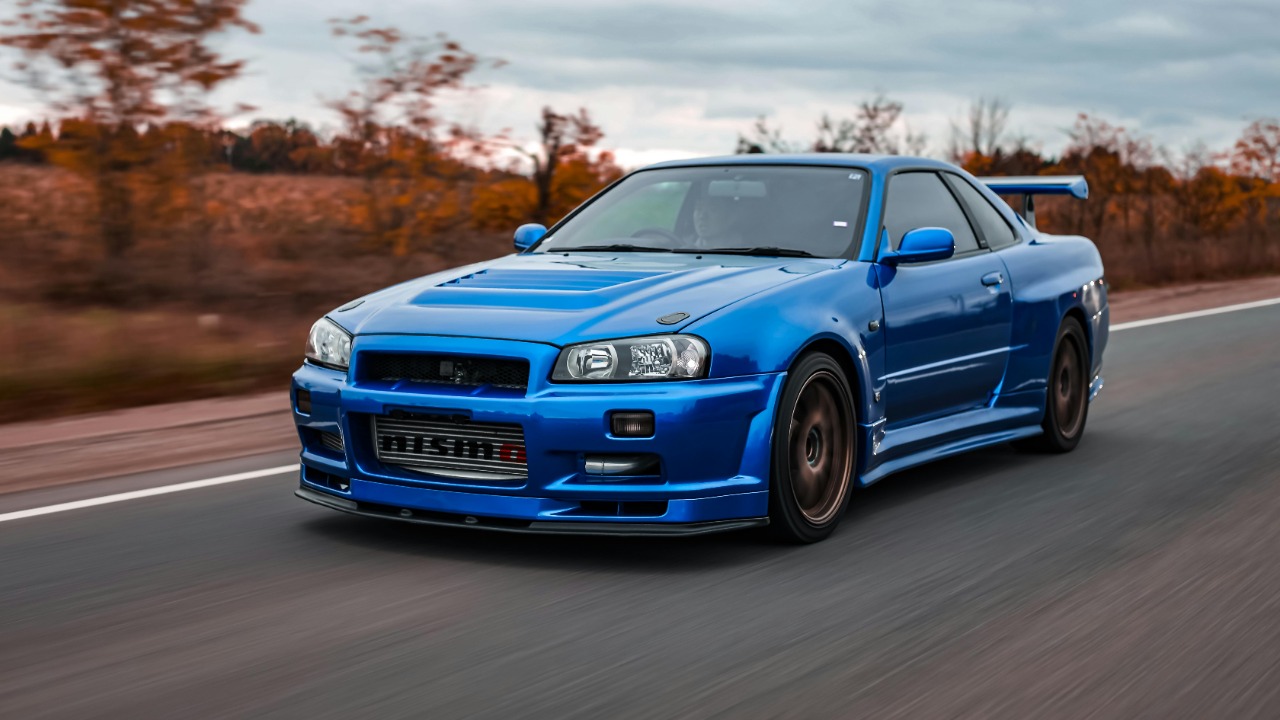
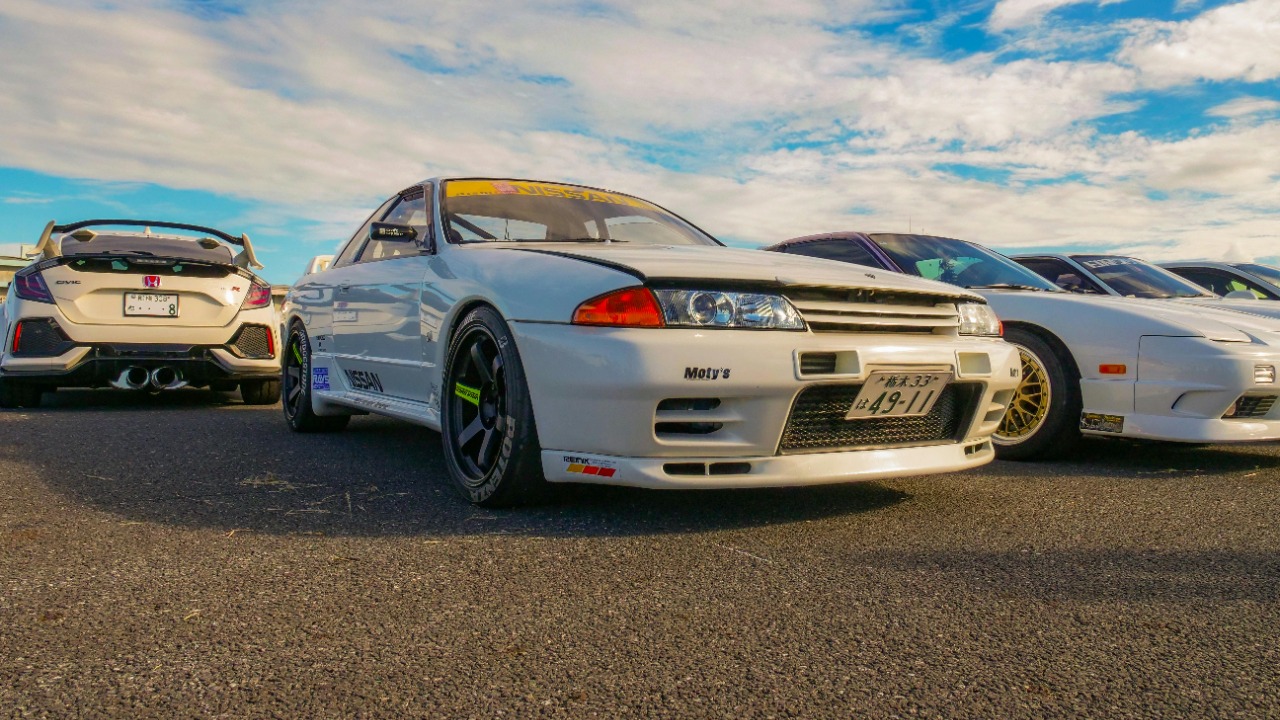
International buyers increasingly shape pricing for early Z-cars, particularly in markets that rely on the 25-year import exemption. Enthusiasts in the United States, Canada, and parts of Europe now compete directly with domestic Japanese collectors for the same pool of high-quality cars. Import regulations allow vehicles older than twenty five years to enter with fewer compliance hurdles, which effectively opens the floodgates for classic JDM metal. As each model year of later Z-cars clears that threshold, demand spikes, and sellers in Japan adjust asking prices accordingly. Exporters report that foreign buyers increasingly request early Fairlady Zs alongside more modern icons like the R32 Skyline GT-R.
Shipping companies and specialist brokers now build entire businesses around sourcing rust free Z-cars from Japan and moving them overseas. Market trackers note that clean right hand drive examples no longer remain confined to domestic auctions, because global platforms expose them to international bidders. Online marketplaces show a steady stream of imported Fairlady Zs, often selling for more than comparable domestic Datsun models. Buyers sometimes accept higher restoration costs to secure rare Japanese specifications, such as factory air conditioning or unique color combinations. This cross border competition tightens supply everywhere, which reinforces the perception that early Z-cars represent scarce, investable assets.
How scarcity and originality drive pricing
Scarcity now defines the upper tier of the early Z market, particularly for low mileage survivors and rare performance variants. Collectors pay significant premiums for cars that retain original sheet metal, factory spot welds, and uncut dashboards, because those details prove minimal modification. Market analysis highlights that high quality restorations still trail unrestored survivors in value, even when the cosmetic condition appears similar. Buyers increasingly scrutinize stampings, glass date codes, and period correct hardware, which raises the bar for sellers. This focus on authenticity mirrors patterns long established in European and American classic segments.
Limited production models like the Fairlady Z432 and Z432R sit at the extreme end of this scarcity curve, and their pricing influences expectations for the broader range. These cars combined the lightweight S30 chassis with the S20 twin cam engine, and historians credit them with cementing Nissan’s motorsport reputation. Recorded transactions show Z432 examples trading at multiples of standard 240Z values, particularly when they retain original drivetrains. Even enthusiasts who never plan to own such variants still reference their auction results when negotiating for more common trims. As a result, the entire early Z ecosystem now orbits around a small group of ultra rare models that set psychological price ceilings.
Restomod culture and the tuner legacy
Restomod builders and tuners now reinterpret early Z-cars as flexible platforms that bridge classic styling with modern performance. Shops install contemporary powertrains, upgraded suspension components, and disc brake conversions, which transform the driving experience while preserving the original silhouette. Feature builds showcase fuel injected inline six swaps, coilover setups, and subtle bodywork that respects the factory lines. Buyers increasingly accept these modifications when they follow a coherent vision and use high quality components. Some collectors even argue that well executed restomods better reflect the Z’s tuning heritage than strict factory restorations.
Purists still prioritize originality, but the market now recognizes a distinct category for professionally built performance oriented cars. Auction listings frequently highlight names of respected builders, which signals that craftsmanship and documentation can offset deviations from stock. Sales results show strong numbers for restomods that integrate modern drivetrains like the RB-series or even VQ-series engines. These cars attract buyers who want classic aesthetics without the compromises of period technology, such as carburetor tuning or weak factory brakes. As restomod values climb, owners of project grade Z-cars gain new economic justification for extensive upgrades rather than strict restoration.
Ripple effects across the broader JDM landscape
Rising interest in early Z-cars reshapes how collectors view other Japanese performance models from the same era. When buyers accept six figure prices for a 240Z, they become more comfortable assigning serious value to contemporaries like the Toyota 2000GT or Mazda Cosmo Sport. Comparative data shows that these halo cars already command strong money, but the Z’s momentum broadens the audience for vintage JDM. Enthusiasts who enter the market through a relatively attainable 280Z often graduate to rarer machinery as budgets expand. This progression deepens liquidity across multiple segments, from rotary coupes to early Skylines.
Later JDM icons also benefit from the narrative that early Z-cars helped establish, particularly around engineering credibility and motorsport success. Collectors increasingly treat the Z lineage, Skyline GT-R family, and Supra generations as interconnected chapters in a single performance story. Market reports link rising values for 1990s heroes like the R32 GT-R and A80 Supra to broader enthusiasm for Japanese design. As early Z-cars prove that Japanese classics can sustain long term appreciation, investors grow more comfortable allocating capital across the JDM spectrum. That confidence encourages owners to preserve cars rather than part them out, which further tightens supply and supports pricing.
Future outlook for early Z-cars in a changing market
Analysts expect early Z-cars to remain influential benchmarks as the JDM market matures and younger buyers gain purchasing power. Millennials and Generation Z enthusiasts grew up with these cars in video games and online media, which shapes their perception of value. Demographic studies indicate that younger collectors show strong preference for Japanese performance models, including classic Zs. As their incomes rise, they increasingly compete with older buyers who remember the cars from new. This generational overlap supports sustained demand, even if macroeconomic conditions fluctuate.
Regulatory and technological shifts could still influence how people use and value early Z-cars over the next decade. Stricter emissions rules and urban access restrictions might limit daily driving, which would push these cars further into occasional use status. Electric adoption trends suggest that internal combustion vehicles will share roads with growing numbers of battery powered models. Some builders already experiment with electric conversions for classic Zs, framing them as a way to future proof beloved shapes. Whether purists embrace that idea or not, the experimentation underscores how central these early coupes have become to the evolving JDM conversation.