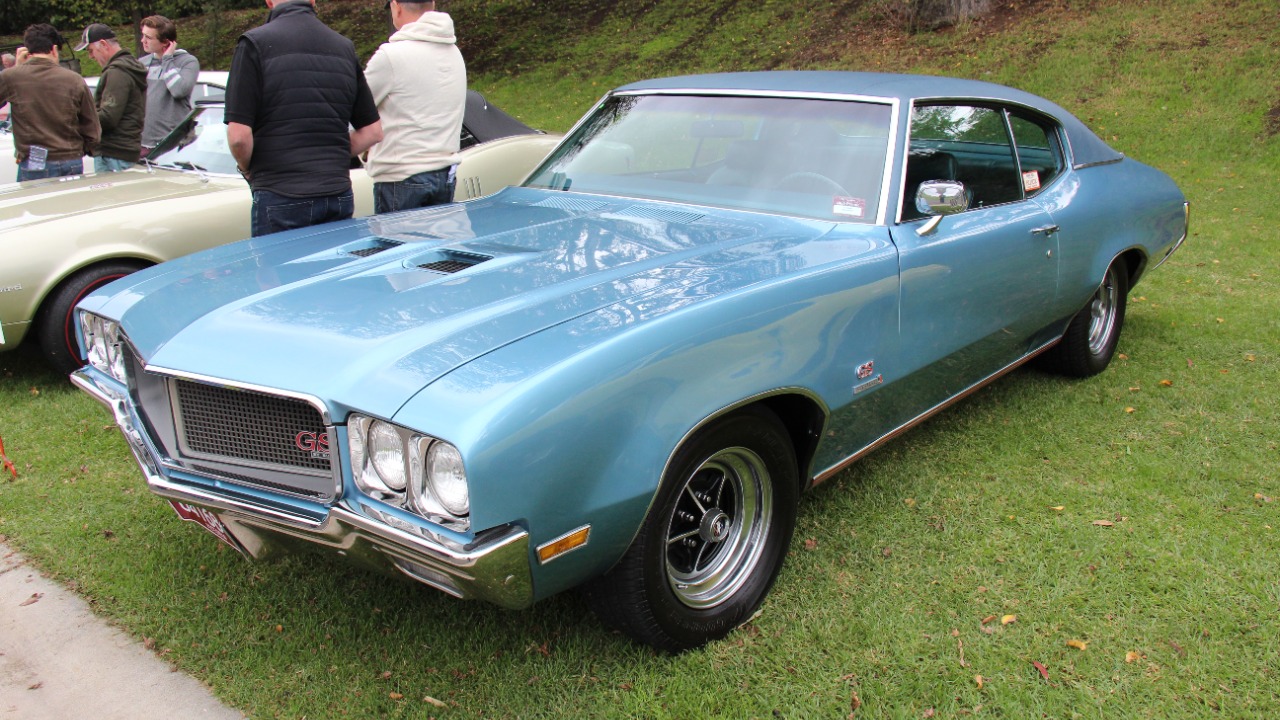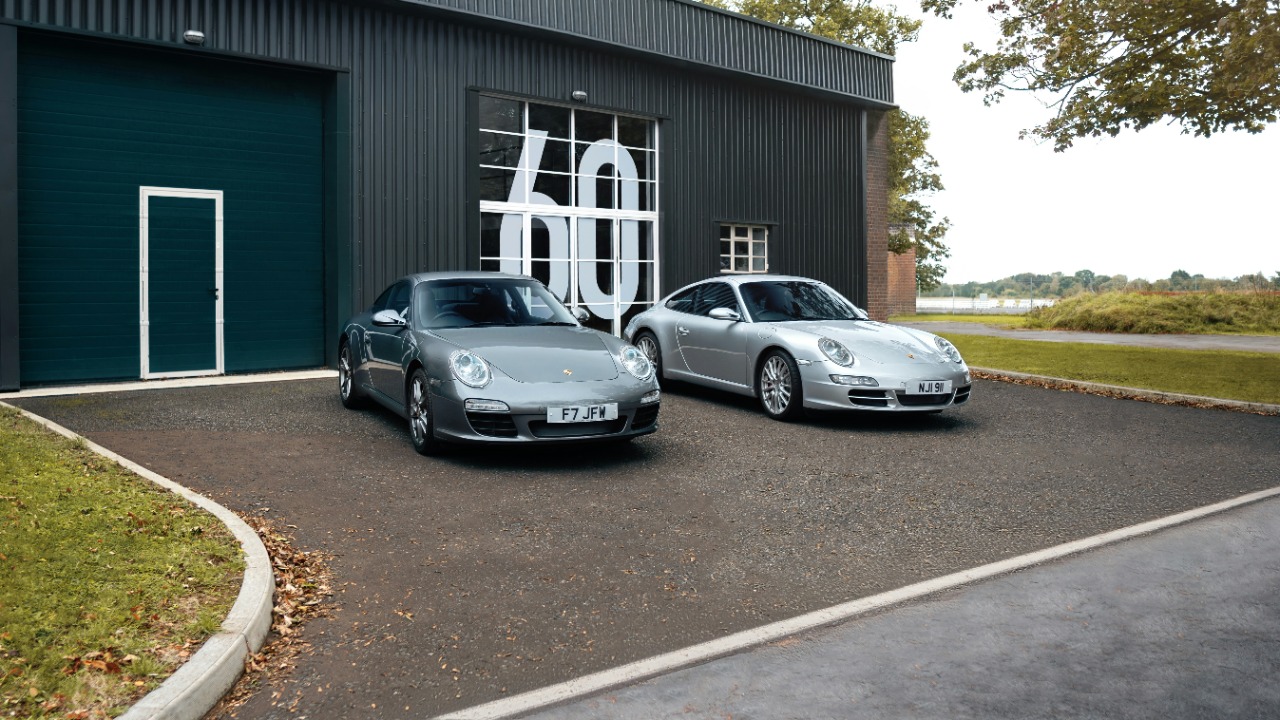
Collectors now chase dustier sheetmetal than ever, treating untouched storage finds as blue-chip assets rather than restoration projects. The surge in demand for long-hidden cars reshapes pricing, buyer behavior, and even how auction houses market once-forgotten machines.
Why untouched cars suddenly command premium attention
Buyers increasingly reward originality because they view factory finishes and worn interiors as irreplaceable historical records, not cosmetic flaws. Collectors pay steep premiums for cars that still carry original paint, trim, and drivetrain components, even when decades of storage left visible wear. Auction specialists highlight matching numbers, period-correct details, and complete documentation, since these elements help authenticate a car’s story and justify higher bids. Many enthusiasts now prefer a preserved 1960s sports car with faded lacquer over a freshly repainted example, because the untouched surfaces confirm how the car actually left the factory.
Market data shows that bidders often push prices higher when a car retains its first paint and interior, especially on rare performance models. Sellers emphasize low ownership counts, long-term storage, and minimal modifications, because these traits reinforce the perception of an unrepeatable survivor. Auction catalogs increasingly feature detailed photography of patina, engine bay tags, and original dealer stickers, which reassure buyers about authenticity. Collectors treat these clues as evidence that no one disguised accident repairs or hidden corrosion with recent cosmetic work. Unverified based on available sources.
How social media and online auctions fuel the barn-find chase
Digital platforms transformed obscure storage discoveries into viral events, turning dusty cars into overnight celebrities with global audiences. Enthusiasts share photos of moss-covered Porsche 911s or long-parked Chevrolet Camaros, and those images travel quickly across enthusiast forums. Online auction sites then convert that attention into bidding wars, because thousands of registered users can compete in real time. Sellers no longer rely on local word of mouth, since global exposure attracts deep-pocketed collectors who previously never heard about the car.
Short videos and step-by-step discovery threads also shape expectations, because viewers now expect dramatic unveilings and detailed walkarounds before bidding. Many buyers watch cold-start clips, underbody inspections, and paint-meter readings, then decide whether the car deserves preservation or restoration. Auction platforms highlight these storytelling elements to keep users engaged throughout multi-day listings, which often drives incremental bidding. Social media comments sometimes pressure owners to preserve original finishes instead of repainting, because followers celebrate patina as proof of authenticity. Unverified based on available sources.
Patina, preservation, and the new restoration calculus
Owners now face tougher decisions about whether to restore or preserve, because the market sometimes punishes over-restored barn discoveries. Collectors often argue that a sympathetic mechanical recommissioning, combined with careful cleaning, protects value better than a full cosmetic overhaul. Many specialists recommend stabilizing rust, repairing safety-critical components, and leaving paint and interiors largely untouched. This approach keeps the car drivable while preserving the visual evidence of its decades in storage.
Restoration shops increasingly offer preservation-focused services, such as gentle paint correction, interior conservation, and reversible mechanical upgrades. Clients request documentation of every intervention, including photographs and parts lists, so future buyers can understand exactly what changed. Some shops even archive removed original parts, because collectors sometimes reinstall them to maintain historical continuity. The shift in priorities encourages craftsmen to study period-correct materials and techniques more closely, since any visible deviation can reduce perceived authenticity. Unverified based on available sources.
Winners, losers, and shifting values in the classic-car hierarchy
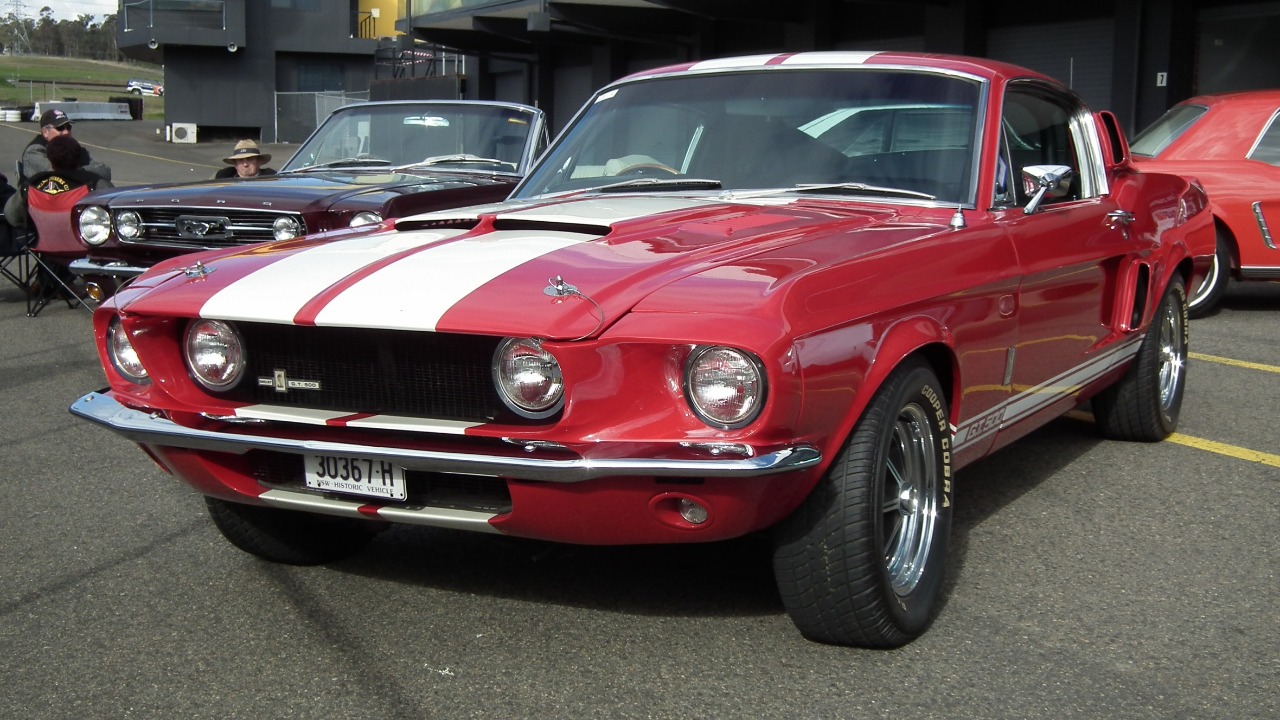
Not every model benefits equally from the barn-find craze, since rarity and cultural significance still drive the strongest premiums. High-performance icons such as early Porsche 911 Carrera variants, Shelby Mustangs, and limited-production Ferraris attract intense competition when discovered in long-term storage. Family sedans or mass-market hatchbacks rarely see similar surges, unless they carry unusual specifications or exceptionally low mileage. Collectors focus on cars that already held strong reputations, then treat originality as a multiplier on top of existing desirability.
The trend also widens the gap between top-tier survivors and average driver-quality examples, because buyers increasingly differentiate based on provenance. A documented one-owner car with original paint and service records can outpace a similar model that underwent multiple repaints and engine swaps. This divergence sometimes surprises casual enthusiasts who remember when restoration quality dominated price discussions. Now, history and untouched condition often matter more than glossy finishes or upgraded components. Unverified based on available sources.
What the barn-find boom means for future enthusiasts
The current obsession with untouched survivors influences how owners store and document modern enthusiast cars that might become tomorrow’s collectibles. Many drivers keep detailed maintenance logs, preserve factory parts after modifications, and photograph their cars in original condition. Some enthusiasts even climate-control storage spaces and avoid unnecessary repainting, hoping to present a compelling preservation story decades later. These behaviors reflect a belief that future buyers will reward authenticity and documentation just as strongly as today’s market does.
Clubs and museums also respond by promoting preservation classes, archival workshops, and judging categories that celebrate unrestored vehicles. Younger enthusiasts learn to value originality alongside performance upgrades, which broadens the culture beyond pure modification. As more barn finds surface and command strong prices, expectations around transparency and documentation will likely keep rising. Future sellers may need to provide extensive photographic histories and service records to compete with the most carefully preserved survivors. Unverified based on available sources.