Championships in Formula 1 are not only settled in the braking zone or through a daring overtake, they are often decided by a handful of voices on the pit wall choosing the right lap to pit, the right tyre to fit, and the right moment to back one driver over another. When strategy clicks, it can turn a title fight on its head in a single Grand Prix, and when it misfires, it can unravel a season’s worth of speed in the space of a slow stop.
I see the pit wall as the sport’s real pressure cooker, where engineers, strategists, and The Team Principal juggle data, driver feedback, and rival behaviour in real time to shape the championship narrative. The headline promise is simple: the calls made from those laptops and headsets are not background noise, they are often the decisive moves that crown or crush a title bid.
The pit wall as a championship command center
At its core, Formula 1 strategy is about turning raw pace into points, and the pit wall is where that translation happens. Teams build a season-long performance picture that covers everything from tyre degradation to fuel usage, then compress it into split-second calls about when to pit, which compound to choose, and how aggressively to race a rival on track. Internal guides on what goes into F1 strategy stress that the famous “box, box” radio message is just the visible tip of a much deeper process that starts long before lights out and stretches across the entire season.
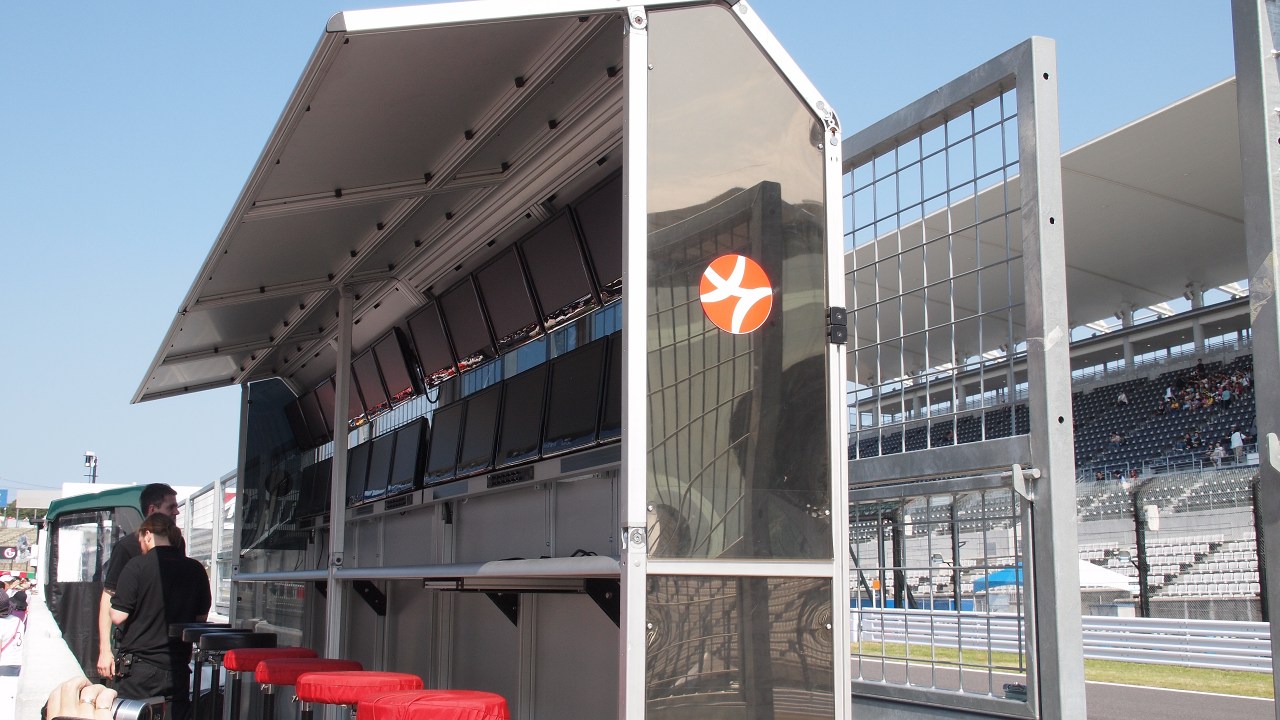
On the pit wall itself, roles are sharply defined so those decisions can be made at championship pace. The Team Principal carries overall responsibility but, as an insider’s guide to the pit wall explains, often takes the least hands-on role during the race, leaving the live calls to dedicated strategists and race engineers. Those specialists monitor timing gaps, tyre life, and weather, then feed options to the driver in a kind of rolling chess match. When a title is on the line, that structure matters, because it determines how quickly a team can pivot from Plan A to Plan C without losing its nerve.
How pit stop timing turns races into titles
Once the lights go out, championships are shaped by how well teams exploit the basic tools of pit strategy: undercuts, overcuts, and tyre offsets. A detailed breakdown of how pit stop strategy leads to victories in Formula explains that the entire game revolves around minimising time lost in the pits while maximising the performance gain from fresh tyres. An undercut, where a driver pits earlier to use new tyres to leapfrog a rival, can transform track position, while an overcut, staying out longer on a clear track, can be just as powerful if traffic or tyre warm-up catches out the car that stopped first. A separate analysis of how F1 teams decide their pit strategy underlines that choosing between undercut and overcut is “absolutely everything” in modern Formula 1, because a single misjudged lap can be the difference between a win and a damage-limiting finish.
The historical record shows how extreme those margins can be. A look at the enduring tactical elements of Formula 1 racing recalls Michael Schumacher winning the 1995 British Grand Prix by committing to a bold two-stop strategy that leveraged clear air and tyre performance to overturn the expected result. Modern data-driven analyses of pit stop strategy in a Grand Prix reinforce that races are frequently won and lost in the lane, with teams splitting strategies between their two cars or reacting to rivals’ moves in real time. When a title contender is involved, those calls are magnified, because every pit window becomes a potential turning point in the championship table.
When one pit call reshapes a championship fight
The most vivid proof that the pit wall can decide a title came in Lando Norris’s 2025 triumph with McLaren, where a single strategic gamble in a tight race had season-long consequences. While Norris and Max Verstappen fought at the front, the McLaren pit wall chose to flip its usual pit sequence and call Oscar Piastri, running third, in for tyres before the lead car. That decision, described in detail in the account of how Norris won the 2025 title, was not just about that race, it was about protecting the team’s overall points haul while still giving Norris the strategic tools to beat Verstappen across the season. By managing intra-team priorities through pit timing, McLaren’s strategists effectively wrote the script of the championship from the wall.
History is full of similarly pivotal moments, both good and bad. A comparison of Hamilton and Norris head-to-head notes that Lewis Hamilton’s first title run with McLaren featured its own pit lane drama, including a retirement after a pit lane crash with Kimi Raikkonen, when Hamilton ran into the back of the Finn. That incident, which wiped out a potential haul of points, underlines how fragile a championship can be when the pit lane goes wrong. A broader look at some of the biggest pit fails in Formula 1 history shows that even as pit stops have evolved, a single unsafe release or botched tyre change can torpedo a title bid in seconds, no matter how fast the car is on track.
The invisible chess match behind every Grand Prix
What makes all of this so compelling is that the pit wall’s influence is both obvious and invisible at the same time. On the surface, fans see a blur of mechanics and a car stationary for two seconds, but behind that moment sits a web of simulations, scenario planning, and live calls that stretch back through practice and even previous races. A deep dive into how strategy decides a Grand Prix describes the pit wall as the heart of a “chess match in motion,” where strategists constantly weigh tyre wear, traffic, and safety car risk against the championship picture. That framing captures why I view the pit wall as a title-deciding arena in its own right, not just a support act to the drivers.
Zooming out, the same strategic logic that governs a single race also shapes how teams approach an entire season. Internal briefings on what goes into F1 strategy emphasise that every pit call is made with the wider performance picture in mind, from engine mileage to tyre allocation. Analytical pieces on pit stop strategy highlight that teams also model the behaviour of their rivals, anticipating when others might pit or gamble on safety cars. When a championship is on the line, that invisible chess match becomes the real battleground, and the pit wall, with its screens and headsets, becomes the place where titles are quietly won long before the final lap.
More from Fast Lane Only: