Formula 1 history is written as much in grudges as in lap times, and the fiercest duels still shape how fans argue about greatness today. From title-deciding collisions to simmering childhood friendships that turned toxic, the sport’s biggest rivalries continue to define eras and fuel late-night debates over who really was the better driver.
When I look at the clashes that still ignite those arguments, a pattern emerges: the most enduring rivalries are not just about speed, but about clashing philosophies, team politics, and moments of controversy that never quite fade. The battles between Ayrton Senna and Alain Prost, Michael Schumacher and Mika Hakkinen, Lewis Hamilton and Nico Rosberg, and the new wave led by Max Verstappen and Charles Leclerc all show how personal conflict can reshape Formula 1 itself.
Senna vs Prost: the benchmark for every F1 rivalry
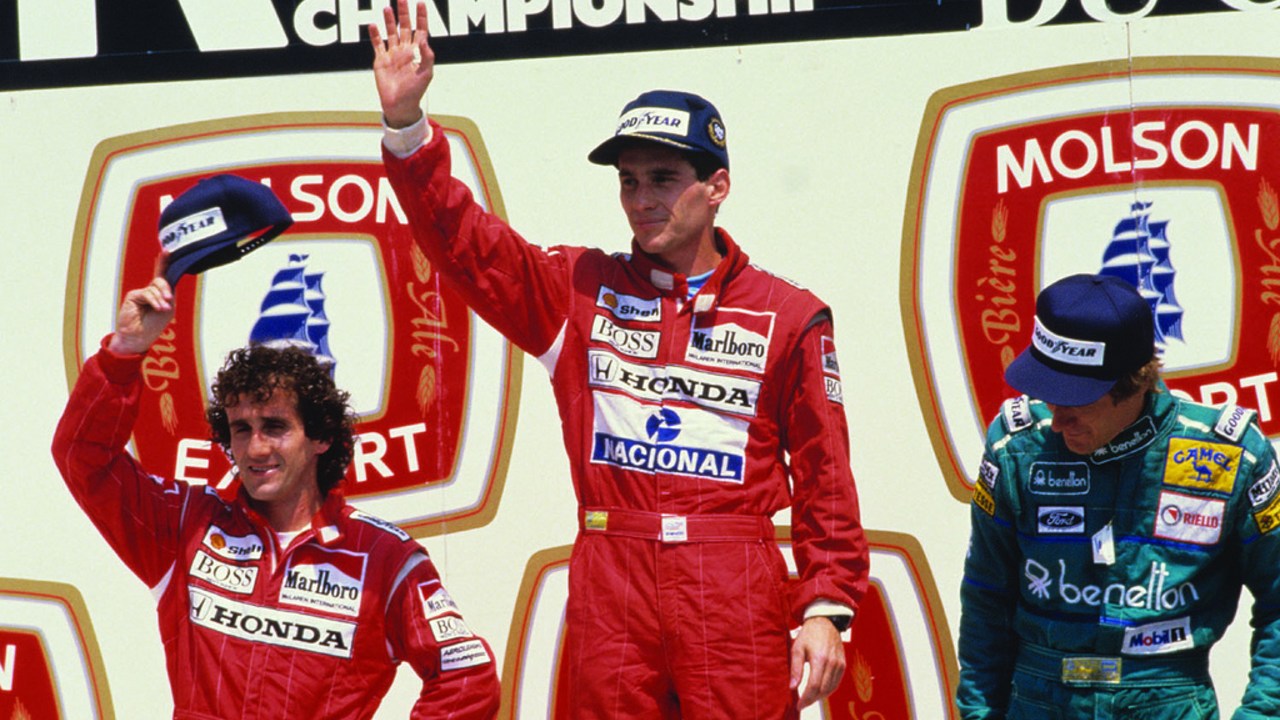
Ayrton Senna and Alain Prost set the template for what a modern Formula 1 rivalry looks like, and every comparison since still circles back to them. Their fight for supremacy at McLaren in the late 1980s and early 1990s was not just about two elite drivers in equal machinery, it was about a philosophical clash between Senna’s aggressive, spiritual approach and Prost’s calculating, political style. That contrast, combined with repeated title showdowns and controversial collisions, is why their duel is still widely described as the most iconic in the sport’s history, a status underlined in detailed rundowns of Formula 1’s most famous rivalries and lists of the greatest Formula 1 rivalries.
Their legacy endures because the flashpoints still feel unresolved. The title-deciding clashes at Suzuka, the bitter fallouts over team orders, and the way their relationship evolved from hostility to mutual respect all keep fans revisiting the question of who truly had the upper hand. Modern overviews of Formula 1 rivalries that changed racing and broader pieces on rivalries that shaped F1 consistently place Senna and Prost at the top, treating their feud as the reference point against which every other driver battle is measured.
Schumacher vs Hakkinen (and Montoya): dominance under threat
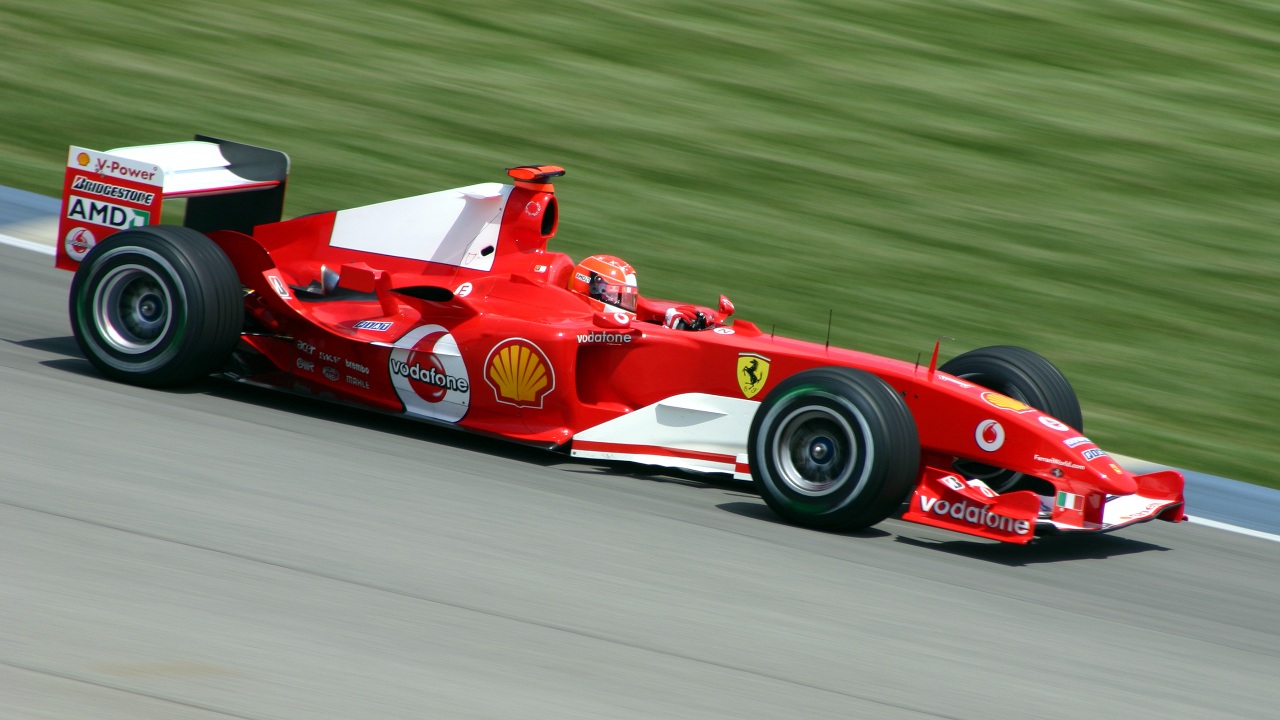
Michael Schumacher’s era at Ferrari is often remembered as a story of dominance, but the rivalries that punctured that aura are what keep his legacy contested. Mika Hakkinen, in particular, is repeatedly highlighted as one of Schumacher’s most respected and challenging opponents, with detailed rankings of the top Formula 1 rivalries noting that Schumacher himself regarded Hakkinen as one of his toughest competitors. Their battles, often decided by tiny margins and strategic gambles, gave fans a rare sense that Ferrari’s superstar could be beaten on equal terms, which is why arguments about Schumacher’s place in history still lean heavily on how he fared against the Finn.
Schumacher’s confrontations did not end with Hakkinen, and that is where the debate sharpens. Juan Pablo Montoya brought a very different kind of challenge, one rooted in raw aggression and a refusal to be intimidated, which created what has been described as a rivalry clash of personalities. Analyses of that period highlight how Montoya and Schumacher differed in driving style and temperament, and how team dynamics at Williams created a challenging environment that intensified their on track clashes. When fans argue over whether Schumacher’s dominance was a product of machinery or genius, they often point to how he handled Hakkinen’s precision and Montoya’s aggression as evidence either way.
Hamilton vs Rosberg: friendship, fracture and the “Silver War”
The rivalry between Lewis Hamilton and Nico Rosberg is one of the clearest examples of how a childhood friendship can fracture under the pressure of a modern Formula 1 title fight. As teammates at Mercedes, they had equal access to the same dominant machinery, which stripped away excuses and turned every qualifying lap and race start into a direct referendum on who was better. The intensity of that intra team battle, and the way it escalated from private tension to public flashpoints, has led detailed histories of the Hamilton–Rosberg rivalry to label it the “Silver War,” a nod to the Silver Arrows identity of the team.
What keeps this rivalry so alive in fan debates is how closely it mirrors, and is often compared to, the Senna and Prost template. Accounts of the Silver War note that Hamilton and Rosberg, as teammates, repeatedly finished ahead of one another in a finely balanced duel, with Rosberg classified ahead of Hamilton 36 times. That statistical back and forth, combined with high profile collisions and strategic disputes, fuels ongoing arguments about whether Rosberg’s eventual title win was a one off peak or proof that Hamilton’s dominance had limits. Broader surveys of famous Formula 1 rivalries and rivalries that shaped F1 now routinely place Hamilton and Rosberg alongside Senna and Prost, which only deepens the comparisons and the arguments that follow.
Verstappen vs Leclerc: the next great generational clash
Max Verstappen and Charles Leclerc represent the new generation of Formula 1, and their rivalry is already being framed as the sport’s next defining duel. They first collided as teenagers in junior categories, and that shared history has carried into their fights at the front of the grid, where their contrasting styles and willingness to race hard have produced some of the most intense wheel to wheel battles of the hybrid era. Analyses of Formula One’s fiercest rivalries already pose Verstappen versus Leclerc as a candidate for the next great rivalry in the sport, underlining how quickly their duels have captured attention.
Their significance lies in what they say about the future of Formula 1 as much as the present. Where earlier rivalries were often defined by one dominant team, Verstappen and Leclerc have fought across different cars and regulations, which makes every direct battle a fresh data point in the debate over who is the more complete driver. Broader pieces on rivalries that shaped F1 and features on rivalries that changed racing increasingly treat Verstappen and Leclerc as the heirs to the Senna–Prost and Hamilton–Rosberg line, suggesting that their story is still in its early chapters. That open ended quality is exactly why fans argue so fiercely about where this rivalry will rank when their careers are done.
Controversy and legacy: why these battles still divide fans
What binds these rivalries together, and keeps them at the center of fan arguments, is controversy. Title deciders shaped by collisions, safety car calls, and stewarding decisions have left scars that never quite heal, and modern retrospectives on Formula 1’s most controversial moments underline how flashpoints like the controversy of Abu Dhabi 2021 are expected to remain a topic of discussion for years. Those same pieces show how disputes over fairness and officiating are not new, they are part of a long lineage that runs through Senna and Prost, Schumacher’s clashes, and Hamilton’s title fights.
Because of that, debates over the “greatest” driver are rarely settled by statistics alone. Fans reach for iconic races, like those highlighted in breakdowns of the top Formula 1 races in history, and for the rivalries that defined them, to argue that greatness is proven under pressure from an equal or superior opponent. Comprehensive surveys of famous rivalries, greatest duels, and rivalries that shaped the sport all reinforce the same idea: Formula 1’s legends are defined as much by the enemies who pushed them as by the trophies they collected. That is why the arguments around Senna versus Prost, Schumacher versus Hakkinen and Montoya, Hamilton versus Rosberg, and Verstappen versus Leclerc are not fading with time, they are hardening into the core of how fans understand the sport’s history.
More from Fast Lane Only: