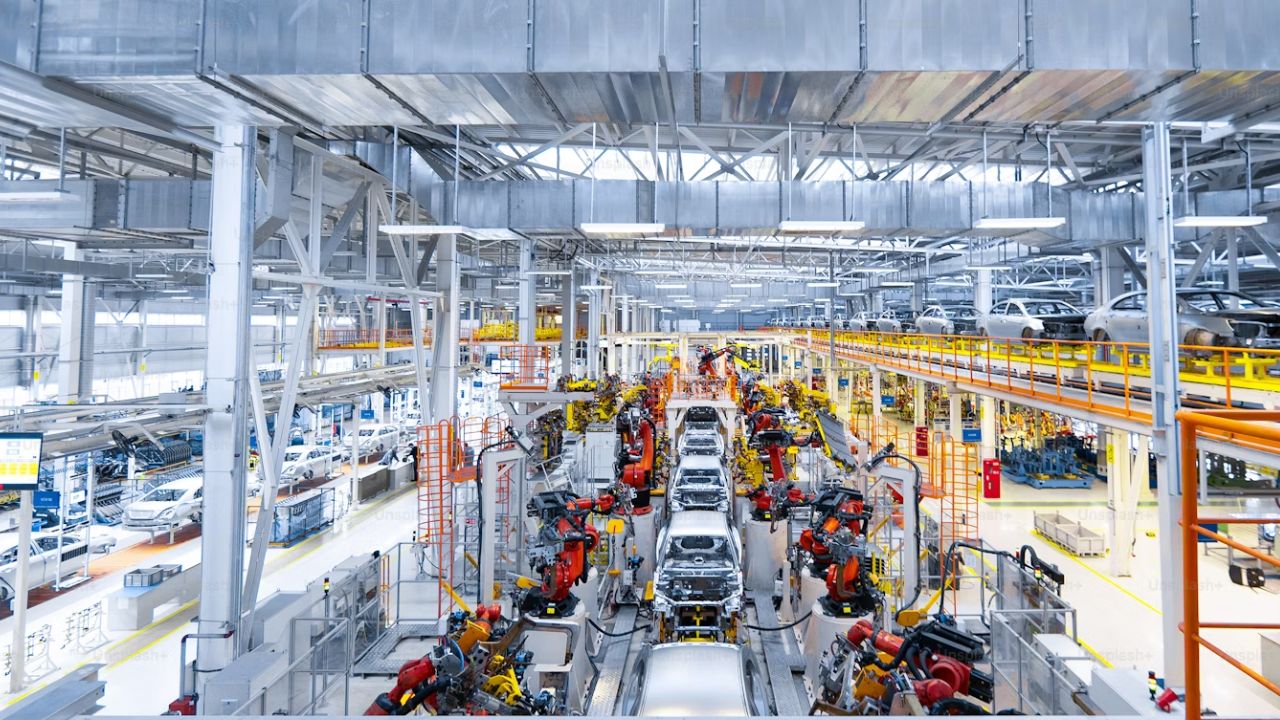
In recent years, global supply chains have become increasingly complex and interconnected, impacting various industries worldwide. One sector particularly affected is the automotive industry, where shifts in supply chains can significantly influence car prices. As the world navigates economic changes and technological advancements, understanding these global dynamics is crucial to comprehending how they directly and indirectly affect the cost of vehicles for consumers.
The Structure of Global Supply Chains
Global supply chains in the automotive industry are intricate networks involving the sourcing of car parts and raw materials from various parts of the world. For instance, a single vehicle might include components made in Japan, electronics from Germany, and steel from China. This international collaboration allows automakers to leverage the best resources and expertise, but it also means that any disruption in one part of the chain can have far-reaching consequences. Multinational corporations play a crucial role in managing these supply chains, coordinating production, and logistics to ensure efficiency and cost-effectiveness.
Just-in-time (JIT) manufacturing is a strategy widely adopted in the automotive industry to minimize inventory costs and increase efficiency. However, while JIT systems can streamline production, they also make supply chains more vulnerable to disruptions. For example, the 2011 earthquake and tsunami in Japan caused significant delays in the supply of critical automotive parts, highlighting the fragility of JIT practices. These disruptions can lead to extended production timelines and, consequently, increased car prices for consumers.
Factors Affecting Supply Chain Stability
Geopolitical influences are a significant factor affecting supply chain stability and, by extension, car prices. Trade tensions, tariffs, and regulatory changes can lead to increased costs for automakers, which are often passed on to consumers. For example, the trade war between the United States and China resulted in tariffs on automotive parts, increasing production costs for American manufacturers. This situation forced companies to either absorb the costs or raise prices, affecting the affordability of vehicles.
Natural disasters and pandemics further expose weaknesses in global supply chains. The COVID-19 pandemic, for instance, disrupted production and logistics worldwide, leading to shortages of key automotive components like semiconductors. Companies have had to devise strategies to mitigate such risks, including diversifying suppliers and stockpiling critical parts. These measures, however, can increase operational costs, which may be reflected in the final price of vehicles.
The Role of Technology in Supply Chains
Advancements in supply chain technology offer promising solutions to many of the challenges faced by the automotive industry. Technologies such as artificial intelligence (AI) and blockchain are transforming supply chain management by enhancing transparency and efficiency. AI can predict demand and optimize logistics, while blockchain provides a secure and transparent way to track the movement of goods. These innovations can help companies respond more quickly to disruptions, potentially stabilizing prices.

Despite the potential of these technologies, there are challenges in their adoption across global supply chains. Implementing new technologies requires significant investment and a shift in corporate culture, which can be barriers for some companies. Additionally, there is often a gap between the technological potential and current industry practices, as many firms are slow to integrate new systems fully. Overcoming these challenges is crucial for realizing the benefits of technological advancements in supply chain management.
Economic Implications on Car Pricing
Fluctuations in the cost of raw materials can have a direct impact on car prices. For instance, the price of steel and aluminum, essential materials in car manufacturing, can vary due to changes in supply and demand or geopolitical factors. When material costs rise significantly, manufacturers may have to increase vehicle prices to maintain profit margins. The impact of supply chain disruptions on material availability can exacerbate these fluctuations, further affecting pricing strategies.
Currency exchange rates also play a critical role in global supply chains and car pricing. When currencies fluctuate, the cost of importing parts and materials can change dramatically. For example, if the euro strengthens against the dollar, American automakers importing parts from Europe may face higher costs. Manufacturers often adjust their pricing strategies to account for these changes, which can lead to price variations for consumers in different markets.
Strategies for Mitigating Supply Chain Disruptions
To mitigate supply chain disruptions, many companies are diversifying their suppliers and manufacturing locations. By sourcing from multiple regions, automakers can reduce their dependence on any single source and spread risk more effectively. This diversification can provide a buffer against geopolitical tensions or localized disruptions, although it also presents challenges such as increased logistical complexity and potential cost implications.
Building resilient supply chains is essential for the automotive sector to withstand future disruptions. Companies are adopting various approaches, such as increasing inventory levels of critical components and developing closer collaborations with suppliers. These strategies can enhance the resilience of supply chains, ensuring that production can continue even in the face of challenges. Collaboration and partnerships are vital in this process, as they enable companies to share information and resources, strengthening the entire supply chain network.
Like Fast Lane Only’s content? Be sure to follow us.
Here’s more from us:
*Created with AI assistance and editor review.