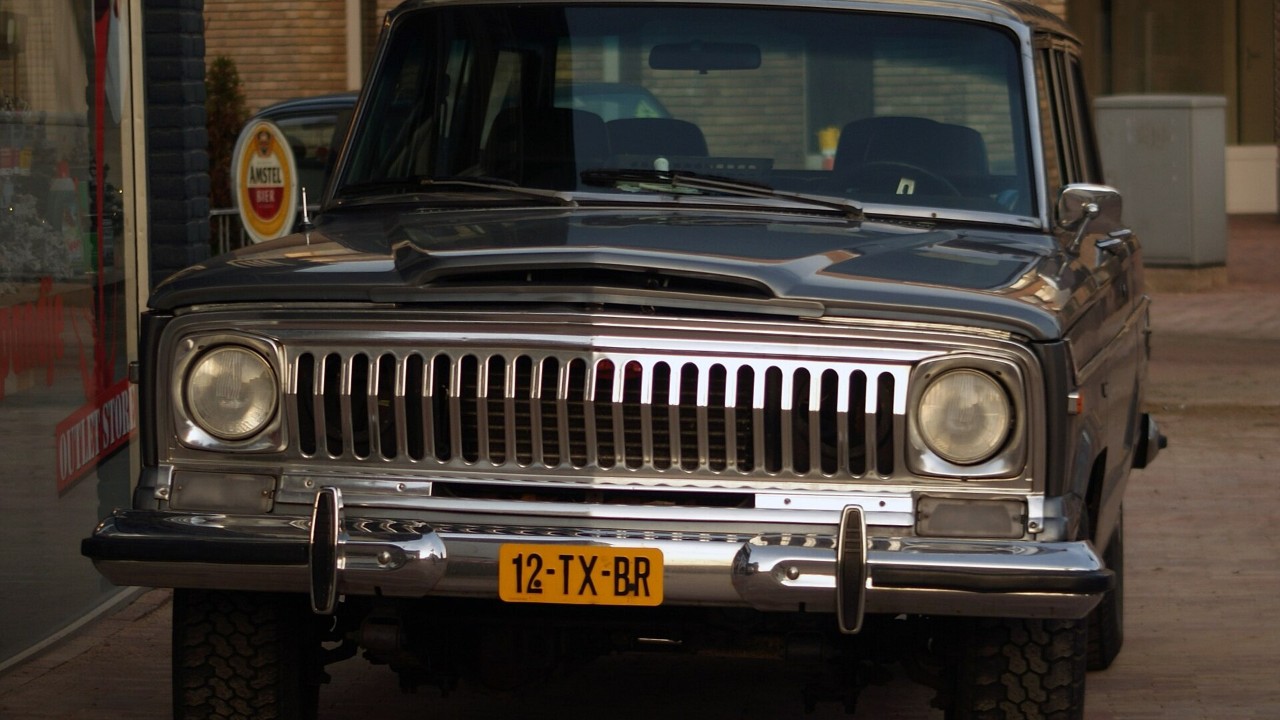
The revival of heritage nameplates in the automotive industry is a trend that has been gaining momentum over recent years. Automakers are increasingly looking to the past to build their future, resurrecting iconic models to tap into nostalgia and brand loyalty. This strategic move holds profound implications for both the industry and consumers, as it combines emotional appeal with business acumen.
The Power of Nostalgia
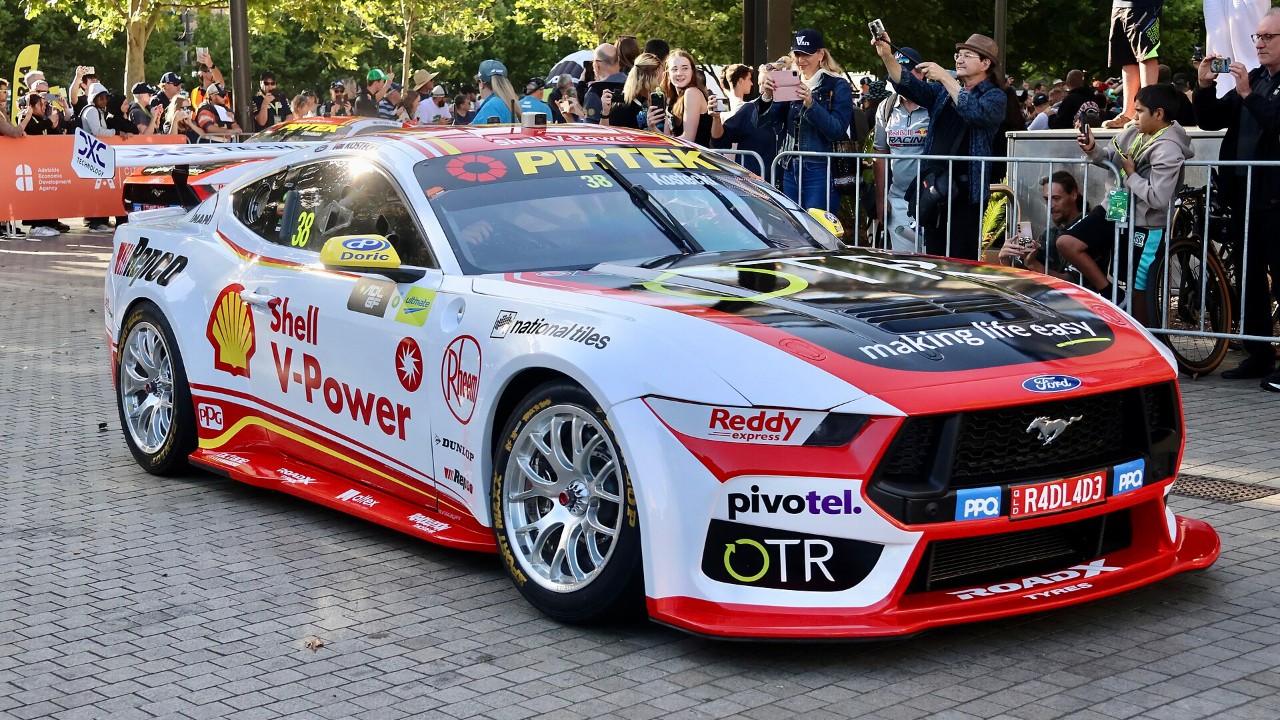
Nostalgia is a potent force, especially in the automotive world, where cars often serve as more than just a mode of transportation. They are woven into personal histories and cultural narratives. For many, the revival of a heritage nameplate evokes fond memories and emotional connections that transcend generations. Consider the Ford Mustang, which first rolled off the assembly line in 1964. When Ford unveiled the Mustang Mach-E, a modern electric SUV bearing the iconic name, it was not just about launching a new vehicle but tapping into decades of Mustang lore and legend. This emotional bond can be a powerful motivator for purchasing decisions, encouraging older generations to pass down brand loyalty to younger family members.
Brand loyalty is another significant advantage of leveraging nostalgia. When an automaker brings back a beloved model, it can reignite the passion of former enthusiasts while simultaneously drawing in a new audience. The Volkswagen Beetle is an excellent example of this strategy. Its 1998 reintroduction, known as the New Beetle, capitalized on the original’s quirky charm while introducing modern amenities. By appealing to those who cherished the classic Beetle and attracting new fans, Volkswagen was able to strengthen its brand presence and customer base.
Market Differentiation and Identity
In an increasingly crowded automotive market, standing out is more important than ever. Resurrecting a classic nameplate can provide a unique positioning advantage for automakers. The Dodge Challenger, reintroduced in 2008, serves as a testament to this strategy. By reviving the muscle car’s powerful legacy, Dodge managed to carve out a distinct niche for itself amid a sea of sedans and SUVs. This unique positioning enables automakers to attract a specific audience that values the brand’s history and identity.
Heritage branding plays a crucial role in reinforcing an automaker’s image as a legacy brand. By bringing back models that have historical significance, companies can emphasize their long-standing traditions and expertise in car manufacturing. For instance, the return of the Toyota Supra in 2019 not only generated excitement among car enthusiasts but also reinforced Toyota’s reputation for producing high-performance sports cars. This alignment with brand heritage helps maintain an automaker’s image as a custodian of tradition while adapting to modern demands.
Combining Classic and Modern Elements
The fusion of classic and modern elements is one of the most intriguing aspects of reviving heritage nameplates. Automakers are tasked with blending iconic design cues from the past with cutting-edge technology to create vehicles that appeal to both traditionalists and tech-savvy consumers. The Jeep Gladiator, reintroduced in 2019, exemplifies this approach. While its rugged design nods to Jeep’s storied past, the Gladiator boasts modern features like advanced infotainment systems and off-road capabilities that cater to contemporary tastes.
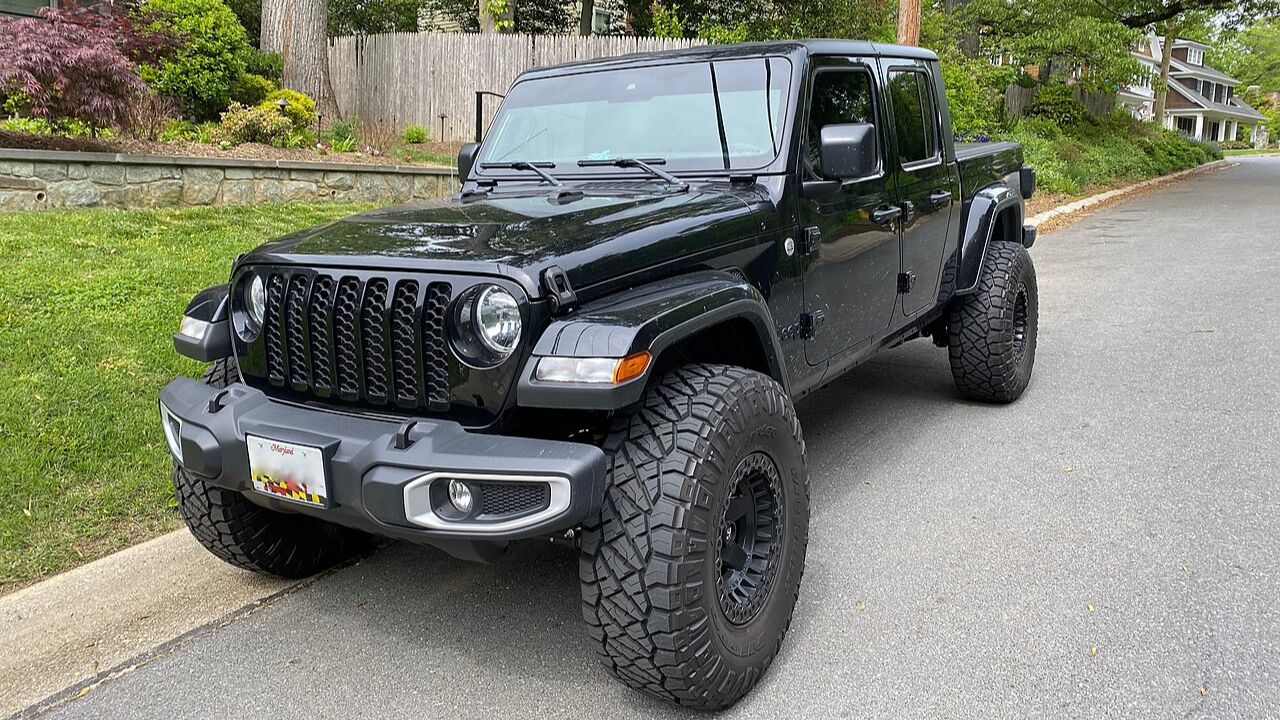
Striking the right balance between preserving the original charm and updating aesthetics to meet current safety standards and consumer preferences is no small feat. Designers must walk a tightrope, ensuring that the vehicle remains true to its roots while integrating modern advancements. The Mini Cooper is a case in point. Its iconic silhouette has been preserved, yet each iteration incorporates modern engineering and design innovations to meet evolving safety regulations and consumer expectations. This delicate dance between old and new ensures that heritage models remain relevant and competitive in today’s market.
Economic and Marketing Advantages
From an economic perspective, reviving a known nameplate can be more cost-effective than developing a new model from scratch. The research, development, and marketing expenses associated with introducing a brand-new car can be substantial. In contrast, a heritage nameplate already carries brand recognition and a built-in fan base, reducing the need for extensive marketing efforts. For instance, when Chevrolet brought back the Camaro in 2010, it capitalized on the model’s storied history, thereby minimizing the costs associated with building brand awareness from the ground up.
Marketing leverage is another significant advantage of resurrecting classic models. The allure of a beloved classic can generate buzz and free publicity, drawing attention not only from loyal fans but also from media outlets eager to cover the return of an icon. This was evident when Fiat reintroduced the 500 in 2007. The model’s storied past and distinctive design made headlines, creating a marketing ripple effect that extended beyond traditional advertising channels. This kind of organic publicity can be invaluable, providing automakers with a powerful tool to amplify their reach and impact.
Challenges and Risks
Despite the many benefits, reviving heritage nameplates is not without its challenges and risks. One significant risk is the potential for failure if the revival does not meet consumer expectations or fails to capture the essence of the original. The 2002 return of the Ford Thunderbird serves as a cautionary tale. While it aimed to revive the glamour of the classic model, it ultimately fell short of capturing the public’s imagination, leading to its discontinuation just a few years later.
Another challenge lies in balancing authenticity with innovation. Automakers must maintain the core attributes that made the original models beloved while incorporating modern advancements to stay competitive. This requires a careful calibration of design and technology, ensuring that the revived model remains true to its heritage while appealing to contemporary consumers. The 2008 revival of the Dodge Challenger illustrates this challenge. While the model successfully captured the spirit of its muscle car predecessor, it also needed to integrate modern safety features and fuel efficiency standards to remain viable in today’s market. Navigating these complexities is crucial for automakers seeking to capitalize on the enduring appeal of heritage nameplates.
Like Fast Lane Only’s content? Be sure to follow us.
Here’s more from us:
*Created with AI assistance and editor review.