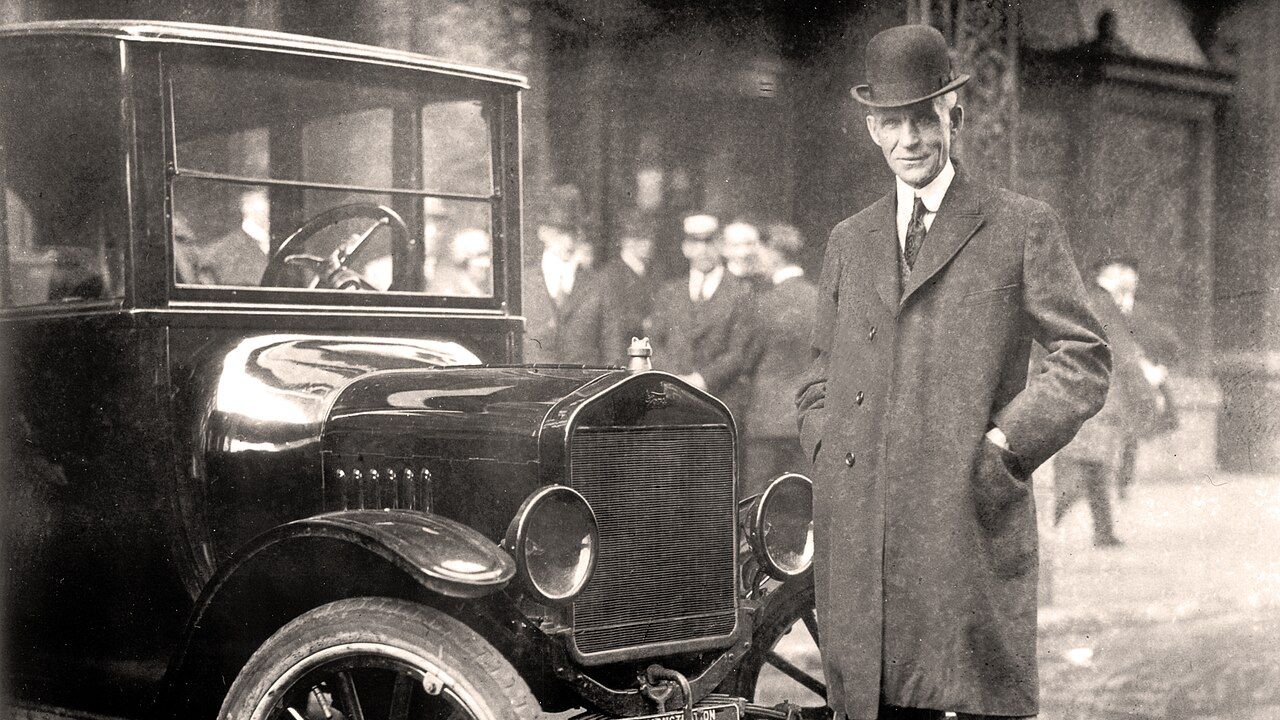
Henry Ford revolutionized the automotive industry with a groundbreaking idea that transformed not only how cars were manufactured but also made them accessible to the masses. His commitment to affordability and efficiency led to innovations that reshaped consumer culture and industry standards. The legacy of Ford’s vision continues to influence the automotive world, making personal transportation a reality for millions.
Ford’s Vision for the Automobile
Henry Ford’s dream was to create a car that the average American could afford and enjoy. This vision was rooted in his belief that personal transportation should not be an exclusive privilege but a common reality. Ford understood that for America to thrive, its citizens needed mobility, and he was determined to make that happen through innovation and mass production.
The introduction of the Model T in 1908 marked a pivotal moment in automotive history. This was the first car produced on an assembly line, and it was designed with simplicity and durability in mind. The Model T didn’t just represent a new product; it symbolized a shift in the mindset of consumers, who began to see cars as a practical solution for transportation rather than a luxury item. The success of the Model T made it clear that Ford’s vision was not just a dream; it was a reality that would change lives.
As Ford’s cars rolled off the production line, they began to alter the landscape of American culture. The notion of personal transportation became ingrained in society, allowing individuals to travel farther and faster than ever before. This newfound freedom spurred a shift in consumer culture, with many Americans aspiring to own their own vehicles and embrace the opportunities that came with them.
The Assembly Line Innovation
Ford’s introduction of the assembly line in 1913 was a game-changer for the manufacturing industry. This revolutionary production method allowed for the efficient and rapid assembly of vehicles, drastically reducing the time required to build a car. Instead of skilled artisans crafting each vehicle individually, the assembly line employed a series of workers who each focused on specific tasks, leading to a more streamlined process.
The efficiency of the assembly line had a profound impact on production rates and costs. Ford was able to reduce the time it took to assemble a Model T from over 12 hours to just 90 minutes. This incredible speed not only helped lower prices but also increased accessibility, allowing more people to afford a car. As production costs plummeted, Ford was able to pass those savings on to consumers, making the automobile a viable option for the middle class.
However, the assembly line also changed the dynamics of the workforce. The demand for labor shifted as Ford’s factories required a large number of workers to perform repetitive tasks. While this created job opportunities, it also led to criticisms regarding the monotonous nature of assembly line work. Workers were often subjected to long hours and demanding conditions, prompting discussions about labor rights and workplace reforms in the years to come.
Accessibility and Affordability
Ford’s ability to keep prices low while maintaining quality was a crucial aspect of his success. The company’s focus on mass production allowed for economies of scale, meaning that as more cars were produced, the cost of each individual vehicle decreased. By continually innovating and improving production techniques, Ford ensured that the Model T remained affordable for the average American, with prices dropping from over $850 in 1908 to just $260 by 1925.
Another innovative strategy Ford implemented was the introduction of the $5 workday in 1914. This wage increase not only helped to improve employee morale but also empowered workers to become consumers themselves. With higher wages, more employees could afford to purchase the very cars they were manufacturing, creating a cycle of economic growth. Ford’s approach demonstrated that paying workers fair wages could lead to increased productivity and a more robust economy.
The result was a significant expansion of the consumer base, as car ownership among middle-class Americans surged. The automobile became an essential part of daily life, enabling families to travel, work, and access services with greater ease. Ford’s vision of an affordable car for the masses was becoming a reality, transforming the American landscape and lifestyle in the process.
Revolutionizing Transportation
Ford’s innovations had far-reaching consequences for infrastructure development in the United States. As automobile ownership became widespread, the demand for better roads and highways grew. This led to a significant investment in transportation infrastructure, paving the way for the modern highway system we know today. The Federal Aid Highway Act of 1956, which established the Interstate Highway System, can trace its roots back to the automobile boom initiated by Ford’s revolutionary ideas.
The impact of car ownership on American culture and society was profound. With the freedom to travel, families no longer felt confined to their local communities. Weekend getaways, cross-country road trips, and the rise of drive-in theaters became part of the fabric of American life. The automobile not only facilitated new experiences but also fostered a sense of independence and mobility that reshaped social interactions.
The rise of suburban living can also be attributed to Ford’s innovations in transportation. As cars became more affordable, families began to move away from crowded city centers in search of larger homes and green spaces. This shift toward suburban living transformed the American landscape, leading to the development of sprawling neighborhoods and the need for further investment in infrastructure to accommodate the growing population.
Competition and Industry Standards
Ford’s practices set new benchmarks for the automotive industry, forcing competitors to reevaluate their approaches to manufacturing. The success of the Model T and the efficiency of the assembly line prompted other car manufacturers to adopt similar methods, leading to increased competition and innovation across the sector. Companies like General Motors and Chrysler began to implement their own assembly line techniques to keep pace with Ford, changing the landscape of the automotive industry forever.
As Ford’s influence grew, so did the demand for higher quality standards in vehicle production. The company’s commitment to consistency and reliability inspired regulations that would shape the industry for decades. The establishment of safety standards, environmental regulations, and quality control measures can be traced back to the practices and principles that Ford pioneered.
The response from competitors was not limited to operational changes; it also sparked a wave of creativity in automotive design and marketing. As other manufacturers sought to carve out their own niches, the variety of vehicles available to consumers expanded, leading to a richer automotive culture and a more diverse marketplace.
Legacy of Henry Ford
Henry Ford’s influence on modern automotive design and manufacturing is undeniable. Many of the principles he established, such as mass production and efficiency-focused design, remain integral to the automotive industry today. The Ford Motor Company continues to innovate, incorporating advanced technologies like electric vehicles and autonomous driving into their product lines, all while adhering to the foundational ideas that Ford championed.
The lessons gleaned from Ford’s approach extend beyond the automotive realm. His emphasis on worker welfare, productivity, and affordability serves as a model for modern industries striving to balance profit with social responsibility. Ford’s vision has had a lasting impact not only on transportation but also on how businesses engage with their employees and consumers.
As the automotive landscape evolves, the principles established by Henry Ford will continue to inform the future of transportation. With the growing emphasis on sustainability and environmental responsibility, the challenge lies in finding innovative ways to produce vehicles that meet modern needs while honoring Ford’s legacy of accessibility and affordability.
Global Impact of Ford’s Innovations
Ford’s ideas didn’t just revolutionize the American automotive industry; they spread globally, influencing car manufacturing practices around the world. As the Ford Model T gained popularity, other countries began to adopt similar mass production techniques. This global reach transformed the automotive landscape, leading to the establishment of local manufacturing plants and the rise of international automotive giants.
The influence of Ford’s production methods can be seen in various global automotive markets. Countries like Japan and Germany adopted assembly line techniques, leading to their own innovations in car design and production efficiency. Companies such as Toyota and Volkswagen emerged, competing on the global stage and shaping the future of transportation. Ford’s vision of affordable mobility became a shared aspiration across nations, changing the way people viewed personal transportation worldwide.
Moreover, the cultural shifts in transportation sparked by Ford’s innovations have had a lasting impact on societies around the globe. As personal vehicles became more accessible, cities adapted to accommodate the influx of cars, leading to changes in urban planning, public transportation, and lifestyle choices. The automobile’s role as a symbol of freedom and independence transcended borders, reshaping cultural perceptions of mobility and personal space.
More from Fast Lane Only