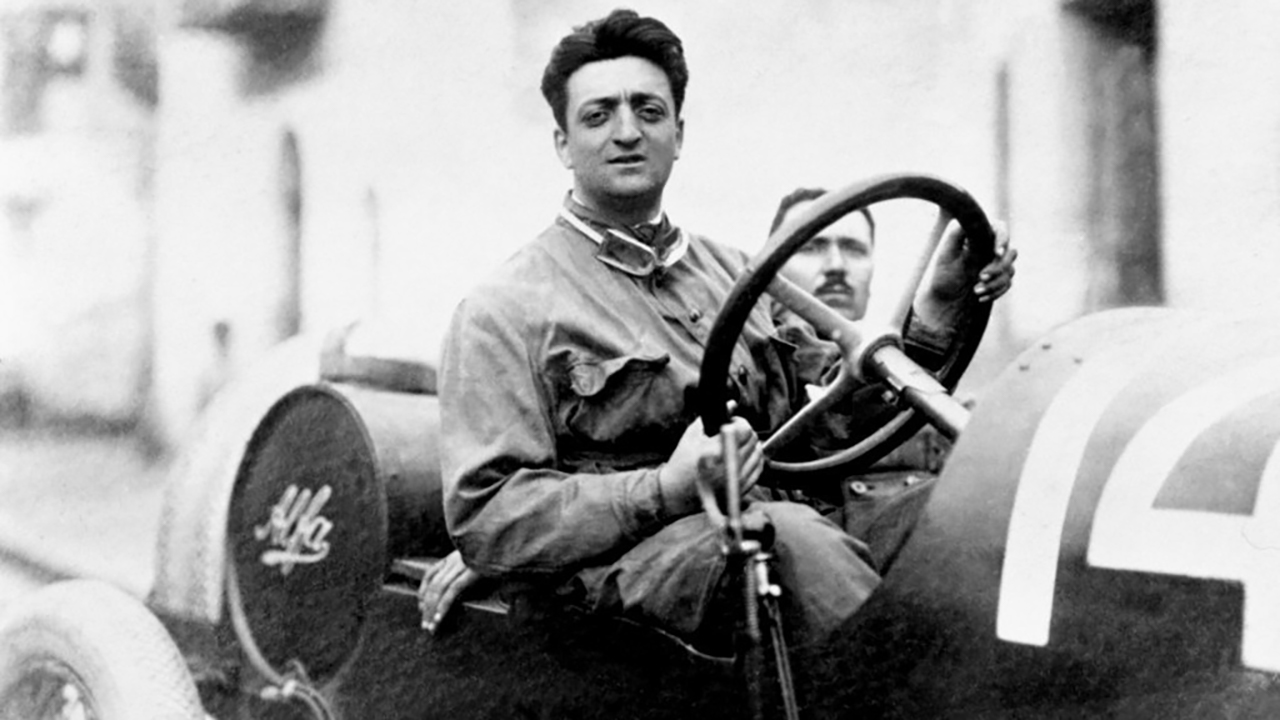
Enzo Ferrari’s vision and relentless pursuit of automotive excellence led to the creation of a company that would not only dominate racing but also redefine performance in the automotive industry. The multifaceted reasons behind Ferrari’s founding reveal a story steeped in passion, innovation, and an unwavering commitment to pushing the limits of speed and engineering.
Early Life and Influences
Enzo Ferrari was born on February 20, 1898, in Modena, Italy, where his family had deep roots in the automotive industry. Growing up in a region famed for its engineering prowess, he was exposed to vehicles from an early age, igniting a passion that would shape his future. His father, a metalworker, and his mother nurtured his interests, leading him to attend racing events as a young boy. These experiences planted the seeds for his lifelong fascination with speed and performance.
Ferrari’s journey as a racing driver began in the 1910s, where he initially competed for Alfa Romeo. However, his career was interrupted by World War I, during which he served in the Italian army. The war not only delayed his racing aspirations but also instilled in him a sense of resilience and determination. After the war, he returned to Alfa Romeo, honing his skills and gaining invaluable insights into the competitive landscape of motorsport and automotive engineering.
Throughout his early career, Ferrari was influenced by automotive pioneers like Vincenzo Lancia and Maserati, whose innovations laid the groundwork for future advancements. Their commitment to performance and design inspired him, motivating Ferrari to envision a brand that would marry luxury with unparalleled speed.
The Birth of Ferrari
In 1939, after a successful stint with Alfa Romeo, Enzo Ferrari made the pivotal decision to establish his own brand. This transition was not without its challenges; he initially formed Auto Avio Costruzioni, which focused on manufacturing machine parts. However, it was only a matter of time before Ferrari expanded into producing automobiles, leading to the inception of the iconic 125 S in 1947—the first car to bear the Ferrari name.
The significance of the Ferrari name and logo cannot be overstated. The prancing horse emblem, originally a symbol of Italian fighter ace Francesco Baracca, became synonymous with speed, power, and exclusivity. This branding strategy was a masterstroke, as it not only distinguished Ferrari from competitors but also cultivated a sense of legacy and aspiration among automotive enthusiasts. The brand quickly garnered attention in racing circles, setting the stage for a legacy that would endure for decades.
Passion for Racing
Enzo Ferrari’s obsession with motorsport was a driving force behind the company’s philosophy. From the outset, he believed that racing was not merely a sport; it was the ultimate test of engineering and human ingenuity. This belief led to the development of specialized racing cars designed to dominate competitions. Early successes in events like the Mille Miglia and Le Mans showcased the prowess of Ferrari vehicles, solidifying their reputation as performance powerhouses.
Victory on the racetrack was crucial for Ferrari, as it directly influenced the brand’s reputation and sales. With each win, the allure of the Ferrari name grew, attracting affluent customers keen to own a piece of racing history. The success of models like the 166 MM and 250 GTO set new standards in automotive performance and design, laying the groundwork for future innovations.
Innovations in Engineering
Ferrari’s impact on automotive engineering is marked by a series of pioneering technologies and practices that revolutionized the industry. The company was among the first to integrate aerodynamic designs into car production, optimizing performance and stability at high speeds. Lightweight materials, such as aluminum and carbon fiber, became staples in Ferrari’s engineering arsenal, allowing for improved handling and acceleration.
Collaborations with notable engineers and designers, including the likes of Pininfarina, fostered an environment where innovation thrived. The introduction of advanced engine designs, such as the V12 and turbocharged engines, pushed the boundaries of performance, enabling Ferrari to maintain its competitive edge. These innovations not only enhanced racing capabilities but also influenced the broader automotive industry as manufacturers sought to replicate Ferrari’s success.
Building a Legacy of Performance
The philosophy of performance over luxury has been central to Ferrari’s design approach. Unlike many luxury car manufacturers, Ferrari prioritized speed, agility, and driving experience above all else. This philosophy is embodied in iconic models like the Ferrari 250 GTO, renowned for its racing pedigree and stunning aesthetics, and the F40, celebrated as one of the most exhilarating road cars ever created. These models set new benchmarks in speed and handling, reinforcing Ferrari’s status as a leader in high-performance vehicles.
The lasting impact of Ferrari’s performance ethos can be seen in the automotive landscape today. Many manufacturers have adopted similar principles, focusing on performance enhancements, advanced engineering, and an overall driving experience that captures the essence of what Ferrari has always stood for. The brand’s commitment to excellence has inspired countless engineers and enthusiasts alike, ensuring that the Ferrari legacy continues to influence the future of automotive innovation.
Corporate Culture and Leadership Style
Enzo Ferrari’s unique leadership style profoundly affected the dynamics of his company. He was known for his demanding nature, often pushing his employees to their limits in pursuit of perfection. Despite his strict approach, he fostered a culture of passion and dedication, attracting individuals who shared his vision for automotive excellence. He believed in the importance of collaboration, valuing the input of key figures like Sergio Pininfarina, whose designs played a pivotal role in defining the Ferrari aesthetic.
The relationship between Enzo and his employees was complex; he inspired loyalty while demanding high standards. This dynamic created an environment where innovation flourished, as employees were motivated to contribute their best ideas to the brand. The passion that Enzo instilled in his workforce helped shape Ferrari’s identity, resulting in a company culture that celebrated both creativity and performance.
Global Expansion and Market Influence
Ferrari’s journey from a local manufacturer to a global powerhouse is a testament to its marketing acumen and strategic vision. The brand’s expansion into international markets allowed it to tap into a growing demand for high-performance luxury vehicles. By maintaining a delicate balance between exclusivity and accessibility, Ferrari managed to cultivate a loyal customer base that spanned continents.
The influence of Ferrari on the automotive industry is undeniable. Competitors have sought to emulate its success, leading to an increase in the production of high-performance vehicles across various brands. The high standards set by Ferrari have prompted manufacturers to innovate and improve their offerings, driving the entire industry forward. As a result, performance vehicles have become increasingly sophisticated, with advancements in technology and engineering that trace their roots back to Ferrari’s pioneering efforts.
Challenges and Controversies
Despite its success, Ferrari has faced numerous challenges and controversies throughout its history. Internal struggles often arose from Enzo Ferrari’s uncompromising nature, which sometimes led to conflicts with employees and partners. His management style was often seen as autocratic, creating tensions within the organization as he pursued his vision with relentless determination.
External challenges also emerged, particularly with changing automotive regulations. As the industry evolved, Ferrari had to adapt to new standards concerning safety, emissions, and performance. Navigating these changes while maintaining its reputation for high-performance vehicles required strategic foresight and adaptability. The controversies surrounding Enzo’s management and competitive practices, including accusations of favoritism and aggressive tactics, further complicated the brand’s public image.
The Future of Ferrari Performance
In an era marked by rapid technological advancements, Ferrari continues to adapt and innovate. Current trends in automotive technology, such as electrification and advanced driver-assistance systems, present both challenges and opportunities for the brand. Ferrari is strategically shifting toward hybrid and electric performance vehicles, aiming to maintain its legacy while embracing sustainability. Models like the SF90 Stradale showcase this transition, blending traditional performance with cutting-edge technology.
Enzo Ferrari’s enduring legacy serves as an inspiration for future generations of automotive engineers and enthusiasts. His unwavering commitment to performance and innovation has laid a foundation that continues to guide Ferrari’s evolution. As the brand navigates the complexities of the modern automotive landscape, it remains committed to the principles that defined its inception, ensuring that Ferrari will remain a symbol of performance for years to come.
More from Fast Lane Only